

Drawing Supplies for Beginners: Your Guide to Starting a Creative Journey
Starting a new hobby like drawing can be exciting and relaxing. You get to explore your creativity while unwinding from the pressures of everyday life. To begin your drawing journey, it's important to have the right supplies that are easy to use and affordable.
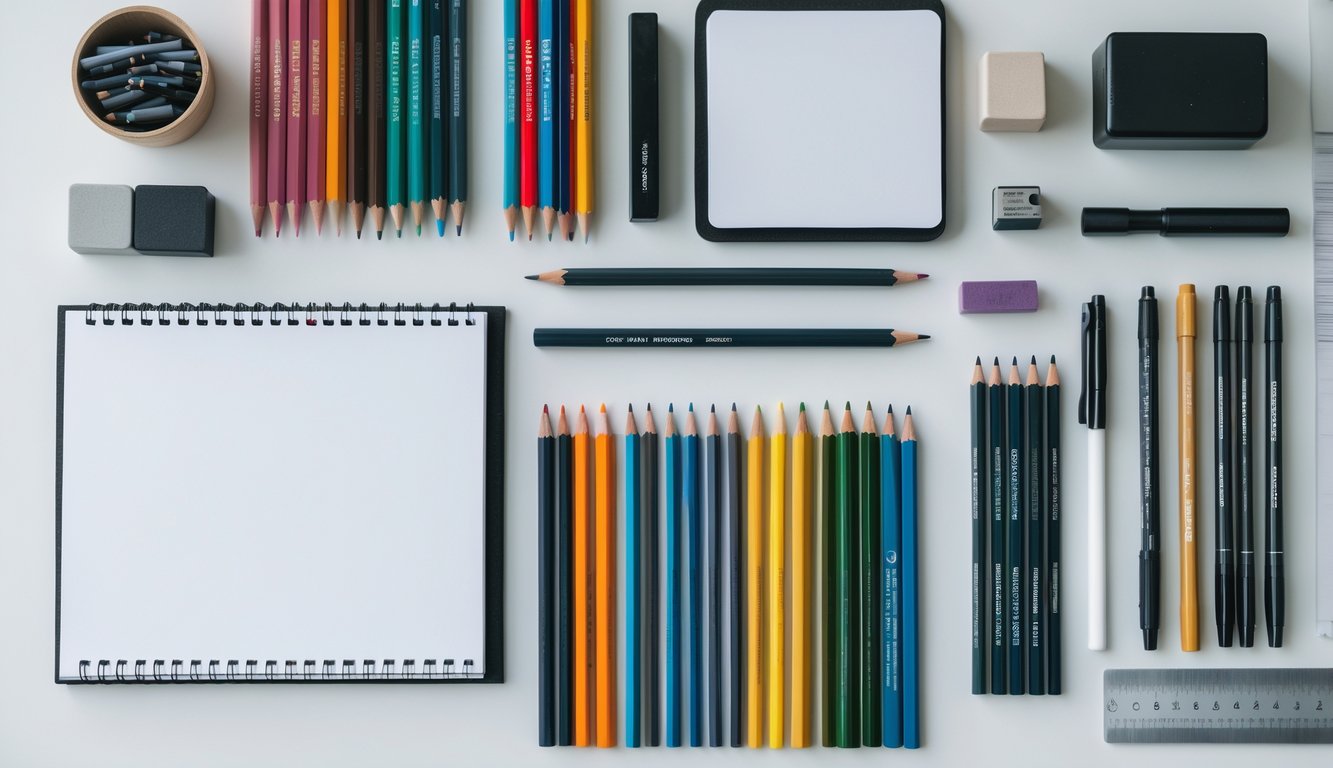
As a beginner, choosing the best drawing tools can seem overwhelming. Don't worry; you don't need every fancy tool on the market. Begin with some basic materials like pencils, erasers, and sketchpads. These will help you practice and refine your skills without breaking the bank.
Creating a space that inspires your creativity matters, too. Settle in a cozy corner with good lighting and keep your materials organized. Having a comfortable workspace encourages you to draw more often and enjoy the process.
See our drawing and painting assortment here
Key Takeaways
- Start drawing with basic, affordable supplies.
- Set up a comfy and organized drawing space.
- Choose beginner-friendly tools for your creative journey.
Essential Drawing Supplies for Beginners
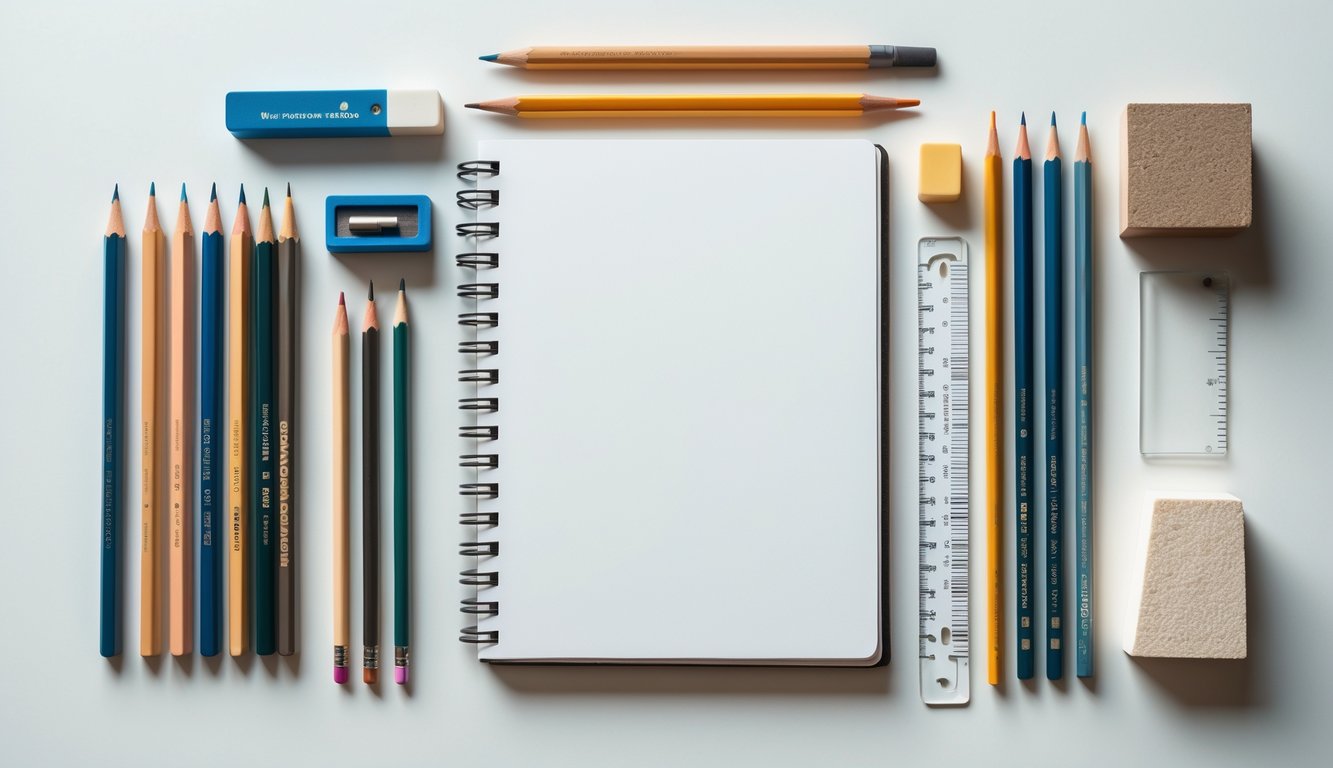
Starting with the right tools can make a huge difference in your drawing journey. From choosing the perfect pencil grade to finding the best paper for your artwork, having the right supplies will help your creativity flourish.
Graphite Pencils and Their Grades
Graphite pencils come in various grades that determine the hardness of the pencil lead. H pencils are hard, giving light lines, great for detail work. B pencils are softer, giving darker lines, perfect for shading. Having a range from H to B lets you explore different textures and effects. Beginners can start with a set that includes pencils like 2H, HB, and 2B. These are versatile and will cover most drawing needs.
Invest in quality pencils for consistent results. Using the right pencil grade enhances your drawing process, whether sketching fine lines or adding depth with rich dark shades. Keep them sharp for clean lines and precise details.
Erasers: Kneaded and Vinyl Options
Erasers are just as essential as pencils. Kneaded erasers are moldable, letting you shape them to erase tiny details without affecting surrounding areas. They are fantastic for lightening small sections and creating highlights by lifting graphite. Vinyl erasers, on the other hand, are firm and highly effective at cleanly removing pencil marks without smearing.
Having both types gives you flexibility in your work. Use kneaded erasers for gently fine-tuning your artworks. Vinyl erasers offer precision for complete removal and corrections. A good quality eraser can make adjustments easy while preserving the texture of your paper.
Quality Drawing Paper
The paper you choose affects the outcome of your drawings. Look for acid-free paper to ensure your work lasts longer without yellowing. Paper comes in various weights, commonly measured in grams per square meter (gsm). Heavier paper, like 200 gsm, handles more layers and erasing better than lighter options.
For beginners, consider a sketchbook or pad with a medium texture, enabling smooth lines without too much drag from the pencil. It provides a balance that's great for practicing different techniques and styles. A quality paper pad supports your creativity and helps your drawings look their best.
Sharpeners and Blending Tools
Keeping your pencils sharp is important for detail and precision. Invest in a reliable pencil sharpener to maintain your tools. Handheld sharpeners are convenient and allow for easy control over the sharpness of your pencil tips.
Blending tools like blending stumps or tortillons are invaluable for creating smooth transitions and soft shadows in your drawings. They help you blend graphite effectively, adding depth and realism to your work. Starting with a couple of sizes lets you experiment with different techniques.
You’ll find that these tools enhance your skills, enabling you to express your artistic visions more vividly. Visit LindeHobby to explore our selection of drawing supplies and get started on your next creative project today!
Choosing the Right Drawing Tools
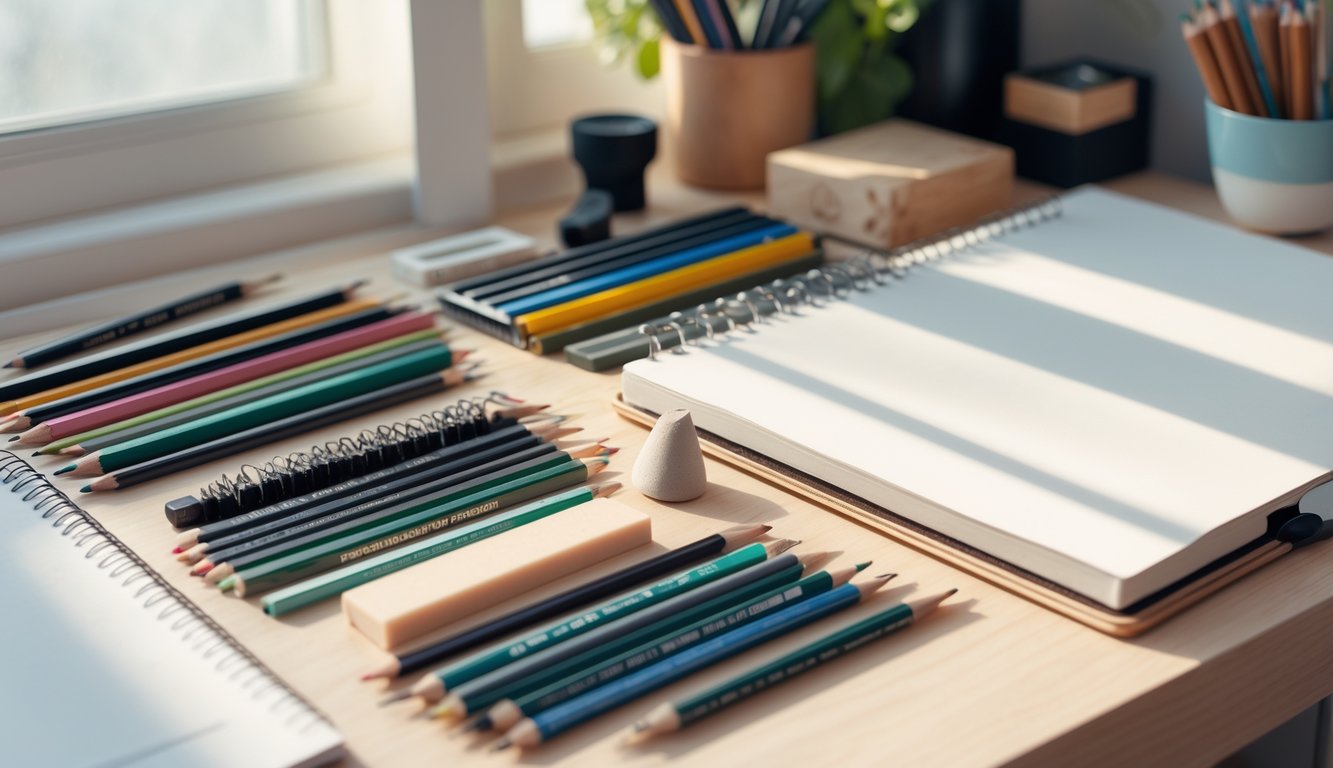
When starting your drawing journey, selecting the right tools can make a big difference. From sketchbooks suited to different mediums to the best pencils and markers, these key tools can help you create beautiful artwork.
Selecting Sketchbooks for Different Mediums
Choosing the right sketchbook is important because different mediums require different types of paper. For pencils and charcoal, look for a sketchbook with a heavier paper that can handle erasing and smudging. Sketchbooks with a smooth texture work well for detailed pencil drawings.
Watercolor pencils or markers need paper designed for wet mediums. Look for sketchbooks labeled for mixed media or watercolor paper types. These offer thicker pages that can absorb moisture.
Think about portability if you like to draw on the go. Smaller sketchbooks are easier to carry and fit into bags. LindeHobby offers a range of sizes and paper types to suit your needs.
Picking Colored Pencils and Markers
Colored pencils and markers add vibrant touches to your art. When picking colored pencils, look for ones with soft leads as they blend more smoothly. Wax-based leads are good for rich colors and easy blending, while oil-based ones offer fine details.
Markers come in various types, like alcohol-based, water-based, and solvent-based. Alcohol-based markers are popular due to their smooth application and quick drying. They’re great for layering colors and achieving professional results.
A basic set of colored pencils or markers doesn’t have to be expensive, and many budget-friendly options are available at LindeHobby. As you grow more confident, you might want to explore larger sets with more color variety for more complex projects.
Understanding Charcoal and Conté
Charcoal and Conté are popular choices for drawing that require bold lines and deep shadows. Charcoal is available in different forms: pencils, sticks, and powder. Charcoal pencils offer precision and are less messy, while loose charcoal provides a rich, dramatic effect.
Conté crayons are denser and less powdery than charcoal. They work well for texture and can be used for both drawing and shading.
For beginners, start with charcoal pencils and sticks in a variety of hardness levels. LindeHobby has a range of these tools, making it easy to find what suits your artistic style.
Setting Up a Beginner-Friendly Drawing Space
Creating a dedicated area for drawing can help you focus and improve your skills. A well-thought-out workspace includes the right lighting and organization of your supplies.
Lighting and Desk Setup
Good lighting is important for your drawing space. Position your desk near a window to take advantage of natural daylight. If that's not possible, consider a lamp with adjustable brightness. Look for daylight bulbs, as they provide clear light and help with color accuracy.
Your desk should be stable and spacious enough for sketchbooks and larger paper sizes. An ergonomic chair will keep you comfortable during long drawing sessions. Consider adding a small adjustable light near your workspace for detailed work on cloudy days.
Organizing Supplies Efficiently
Keeping your drawing supplies organized makes it easier to find what you need. Use containers or small boxes for pencils and erasers. Arrange them by type for easy access. A small set of drawers on your desk can hold paper, rulers, and other essentials.
Pegboards or wall-mounted organizers can free up desk space and keep items within reach. Labels can help you quickly find the right tool. To save money, you might even want to repurpose household items, like jars or tins, for storage. Involve creativity in organizing, and let it reflect your personal style.

