

How Many Crochet Chains for a Throw Blanket: A Passionate Guide to Cozy Creations
Creating a throw blanket is a delightful project for any crochet enthusiast. It allows you to combine relaxation with creativity, crafting something both beautiful and practical. Many yarn crafters love making throw blankets because of the soothing rhythm of crocheting and the satisfaction of completing a cozy, handmade piece.
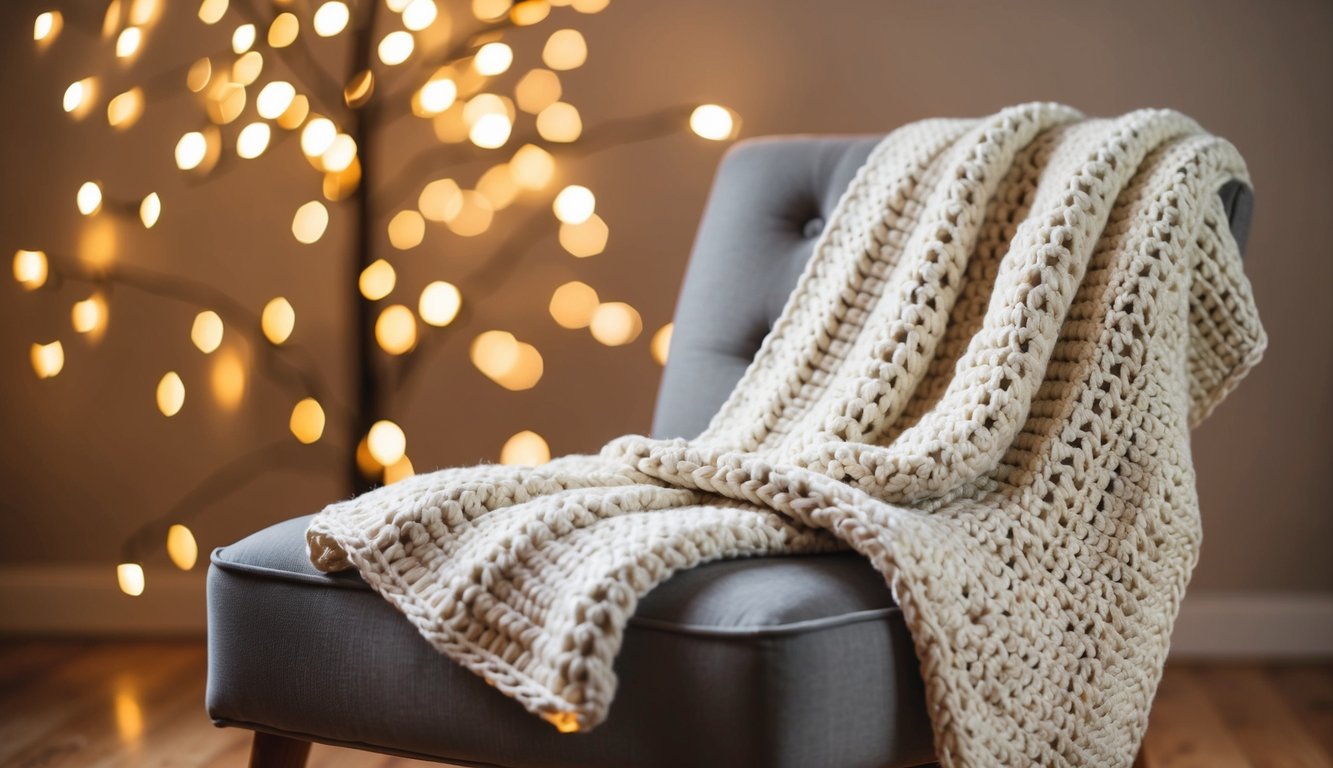
The number of crochet chains for a throw blanket depends on the size and stitch you choose. Sometimes, this might feel overwhelming, especially for beginners. Yet, with the right guidance and a few tips, you can easily adjust your project to fit your style and needs. Having a clear plan makes the process enjoyable and ensures your finished blanket is just right for its intended use.
Whether you are just picking up the hook or have been crocheting for years, there's always room for personal touches. You can adapt the basic number of chains for your throw to make it uniquely yours. If you want to explore different yarns or crochet hooks, LindeHobby offers everything you need to start your next project. Browse our wide selection and let your creativity take flight!
See all our crochet patterns here
Key Takeaways
- The number of chains depends on the blanket size and stitch.
- Adjust chains to match personal style and preferences.
- Use quality materials from LindeHobby for the best results.
Determining the Number of Crochet Chains for a Throw Blanket
Figuring out the number of crochet chains for a throw blanket needs careful planning. Consider the blanket's standard size, yarn thickness, and hook size. Tailor your project to get the right length and width.
Standard Throw Blanket Size Guidelines
A standard throw blanket is often about 50 inches by 60 inches. This size works well for most sofas and chairs. It can cover one person comfortably.
Creating this size means calculating how many chains fit into 50 inches. It's important to check your gauge, which is the number of stitches per inch. Make a small swatch first and measure how many stitches fit within an inch.
For instance, if you find that your gauge has four stitches per inch, you'll multiply this by the width you want, like 50 inches. This means you’d chain around 200 starting stitches. Check your measurements to ensure they meet your desired size.
How to Measure Your Starting Chain
To measure your starting chain, you'll need to know your gauge. Make a test swatch square, like 4 inches by 4 inches. Count the chains in your swatch to find out how many chains fit per inch.
Once you know your gauge, you can calculate the starting chain length for the throw blanket. If you need 200 chains for 50 inches width, start there. Remember, crochet stretches, so check tension while you work. Sometimes it helps to add a few extra chains as a safety margin. You can always unchain the extras later.
Tip: If you're using a new yarn, make sure to check your gauge again, as it can differ by weight and type.
Adjusting for Yarn Thickness and Hook Size
Different yarn thicknesses require adjustments. A thicker yarn means fewer chains because it covers more space. A thin yarn needs more chains, as each stitch is smaller.
The hook size also plays a role. Larger hooks create looser stitches, meaning you may need fewer chains. Smaller hooks make tighter stitches, requiring more chains. Test different combinations of yarn and hooks with swatches to get the desired texture and flexibility for your throw blanket.
When adjusting, try different patterns or styles for a unique finish. Switching yarn types or colors can change a project from simple to standout. Explore all your options by visiting LindeHobby for yarns and tools. Dive into your next crocheting adventure!
Adapting Crochet Chains for Personal Preferences
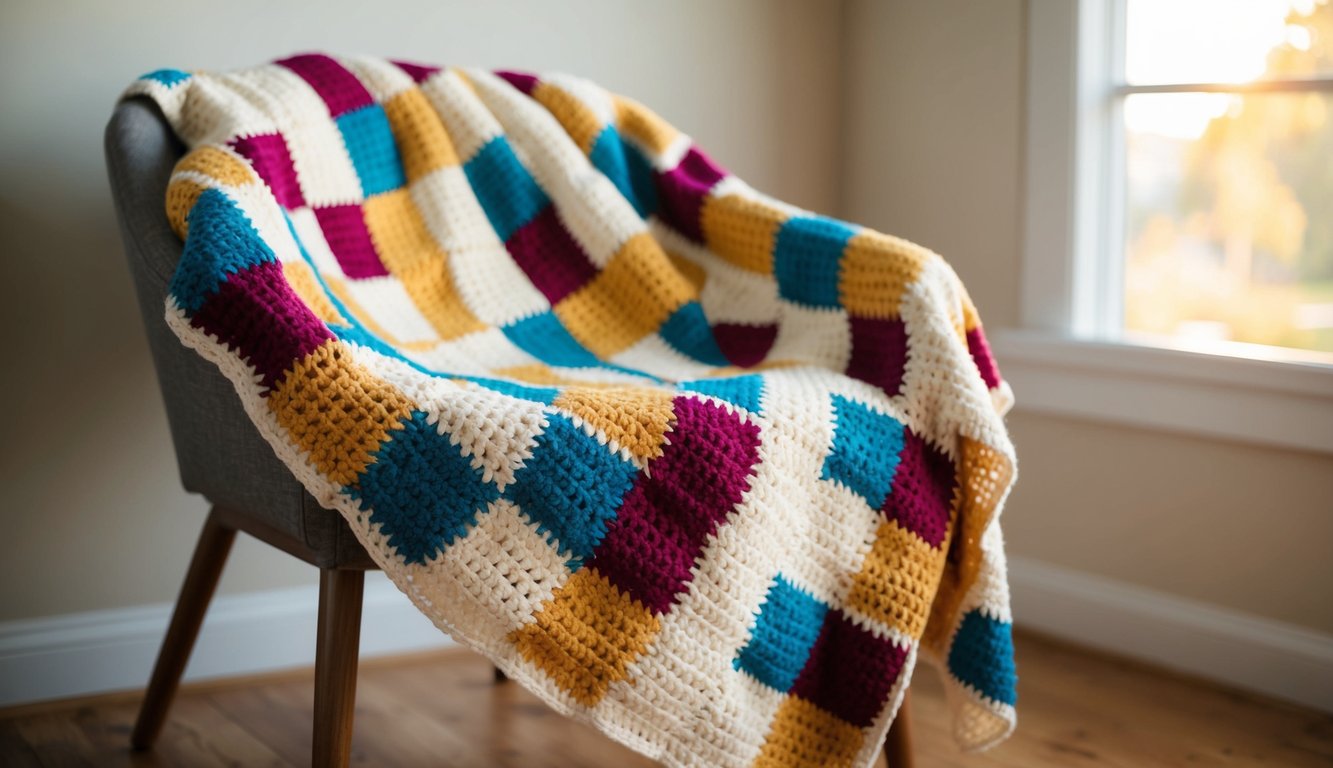
When creating a throw blanket, it's important to customize the number of crochet chains to match your needs. Consider the dimensions you want and any additional borders you might like.
Custom Blanket Dimensions
Adjusting blanket size involves deciding on width and length. Think about where you'll use it: on a couch, bed, or chair. Start by measuring the space. Use this information to plan your chains. Thinner yarn may need more chains than thicker ones.
Here’s a quick guide:
- Small throw: around 48 inches wide
- Medium throw: about 60 inches wide
- Large throw: approximately 72 inches wide
Always add a little extra to your foundation chain in case your tension tightens during crocheting. This helps you reach your desired size without running short.
LindeHobby offers yarns in various thicknesses to suit any blanket size you imagine. Choose according to your design plan for the best results.
Incorporating Border Allowances
Adding borders can make your throw blanket look polished. You can choose different styles, such as simple single crochet or a lacy finish. Determine the border width first. Planning for the border helps you figure out how many extra chains you need.
To account for borders:
- Basic border: 1-2 inches of extra chaining
- More detailed border: consider 3-4 extra inches
Remember: some borders require starting with more chaining than others. At LindeHobby, you’ll find hooks and yarns perfect for any border style you choose. Experiment with different edges to find what complements your design.
Visit LindeHobby for all your crochet supplies. We provide everything you need to bring your unique throw blanket vision to life!
Tips for Achieving the Perfect Blanket Foundation
Creating a great blanket starts with a solid foundation chain. This involves preventing chain curling and exploring alternatives for your starting chain. By focusing on these areas, you'll be able to craft a cozy and attractive throw.
Preventing Chain Curling
Chain curling is a common issue that can affect the look of your throw blanket. To prevent curling, make sure your chains are not too tight. Aim for a relaxed tension to keep the foundation flat. Using a slightly larger crochet hook for the starting chain can also help.
It's a good idea to count your stitches carefully. This ensures the foundation is the right length from the start. An even chain count prevents bunching as you work through the rows. You may also want to block your chain before proceeding, gently stretching and pinning it down to set the shape.
Starting Chain Alternatives
Sometimes, a foundation chain might not be the best start for your crochet projects. You could try the foundation single crochet (FSC) technique. This alternative combines both the chain and the first row of stitches, offering more flexibility and less rigid edges.
FSC can create an elastic edge, which is perfect for projects that need a bit of give. It’s especially helpful in achieving a comfortable and stretchy blanket edge. Practice this technique with a few swatches to get the hang of it before starting your blanket.
Experimenting with different approaches like these can enhance your creativity and skills in crochet. To get started, browse the yarn and hook collection at LindeHobby. You're sure to find the perfect tools for your next beautiful throw blanket project.

