

How to Blend Colored Pencils for Vibrant Artworks with LindeHobby Tips
Colored pencils can bring your artistic visions to life by adding depth and texture. Blending them may seem challenging at first, but it's a rewarding skill that opens new creative possibilities. The secret to successful blending is using the right techniques and tools, making your colors look vibrant and smooth.
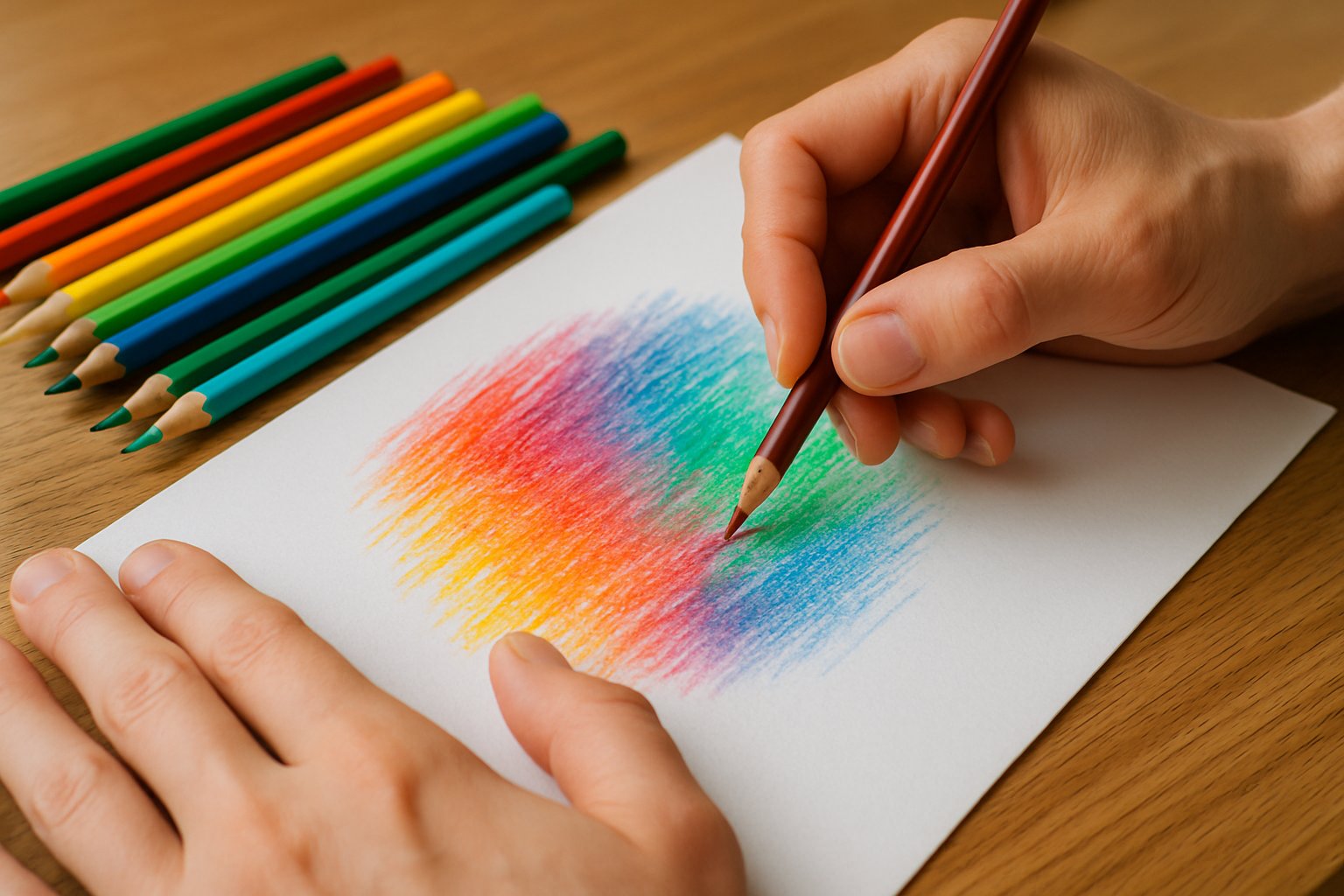
Using colored pencils for your art lets you explore different shades and styles. With simple methods and a few tips, you'll be able to blend colors beautifully, making everything from stunning landscapes to detailed portraits. Let your creativity flow and express yourself with amazing results.
Dive into the world of colored pencils with confidence. Whether you’re just starting or have some experience, this guide will help you achieve the perfect blend. LindeHobby has everything you need to explore this colorful craft.
See our drawing and painting assortment here
Key Takeaways
- Use the right techniques to blend colored pencils smoothly.
- Essential tools can enhance color mixing and shading effects.
- Create lifelike and artistic finishes with simple methods.
Essential Tools and Materials for Blending Colored Pencils
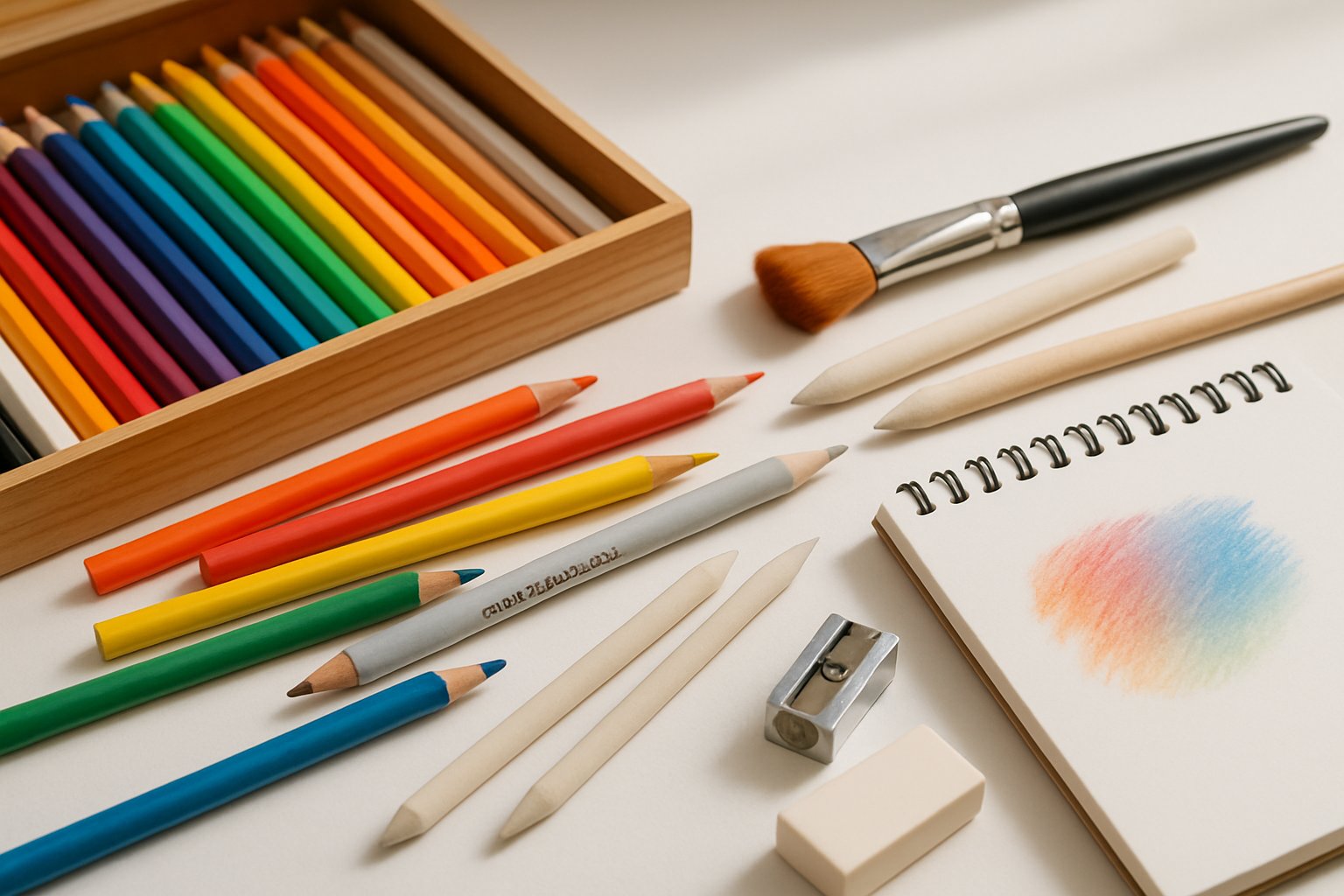
Blending colored pencils effectively requires the right tools and materials. Selecting quality colored pencils, choosing proper paper, and gathering additional supplies are key steps.
Selecting Quality Colored Pencils
High-quality colored pencils are important for achieving smooth blends. Look for soft-core pencils, which provide rich pigment and blend easily. Brands like Faber-Castell and Prismacolor offer excellent options. Consider sets with a range of colors to provide more blending choices. Checking for lightfastness is also smart, allowing colors to remain vibrant over time.
Choosing thicker pencils can offer better control and comfort when blending. Quality pencils might be an investment, but they significantly improve results. Watch for sales at LindeHobby to grab them at a better price.
Choosing the Right Paper
Different papers affect how colors blend. Smooth, heavy paper helps achieve even coloring. Look for paper with a thickness of at least 160 gsm. Hot-pressed watercolor paper works well, providing a smooth surface for blending.
If you’re just starting, try sketchbooks designed for mixed media; they’re versatile and affordable. Experimenting with several paper types helps find what works for your style. Always test a few swatches before diving into a big project.
Additional Blending Supplies
Beyond pencils and paper, blending supplies like blending stumps and colorless blenders are handy. Blending stumps allow for detailed work and are perfect for small areas. A brush or soft cloth helps in smoothing out larger sections with ease.
Some artists prefer mineral spirits to dissolve pigment and create smooth transitions; however, use these with care. Investing in a starter kit from LindeHobby can offer a well-rounded selection of these items, meeting the needs of both beginners and experts.
For budget-friendly options, try blending with cotton swabs or tissues. They can substitute until you have more supplies. You can also mix Prismacolor with Crayola to combine affordability and high-quality blending.
Core Techniques for Blending Colored Pencils
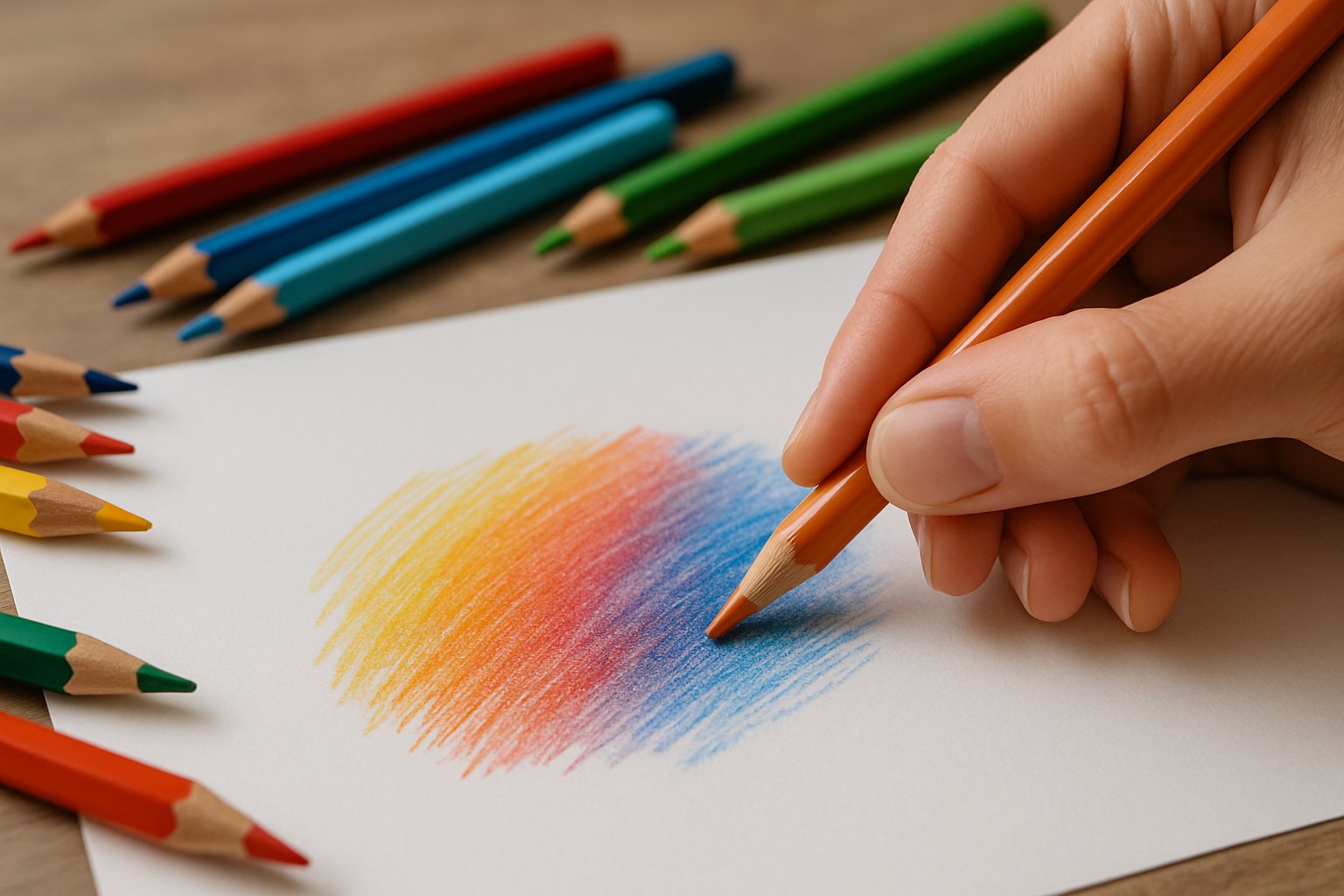
Blending colored pencils can add depth and interest to your artwork. Key techniques involve layering, smoothening with burnishing, mixing with solvents, and using specialized tools. Each method has unique strengths, whether building color or creating special effects.
Layering Colors
Layering is starting with light colors and gradually adding darker shades. Apply light pressure first. It's like building a stack of colors, so each layer peeks through. Start with the lightest color and gradually build to darker tones.
Keep pencils sharp for more control. The paper's texture helps grip and blend pigments naturally. Try high-quality paper like Strathmore or Arches to see the best results. Experiment with color combinations to find what works best for your projects.
Burnishing for Smoothness
Burnishing makes colors look smooth and even. To do this, use a light-colored pencil or a burnishing tool. Press down firmly to blend and flatten the layers, eliminating white paper gaps.
It's helpful to use the colorless blender by Prismacolor for a polished effect. Burnishing works best with wax-based pencils like Prismacolor Premier. Finish off by gently polishing your artwork with a soft cloth to enhance the finish. If your budget allows, investing in a burnishing tool can make a noticeable difference.
Using Solvents Effectively
Solvents like odorless mineral spirits or rubbing alcohol can liquefy pencil pigments, making them blend seamlessly. Dip a small brush or cotton swab into the solvent and gently apply it over the pencil marks.
Solvents work well for large areas and details alike. Try this technique on scrap paper first. Be mindful of paper quality, as some papers may warp. Solvents are compatible with both wax and oil-based pencils. This method can be a cost-effective way to enhance your blending technique without buying additional tools.
Blending with Blenders and Colorless Pencils
Blending tools, such as colorless blenders and blending stumps, help mix colors smoothly. Colorless blender pencils contain no pigment but help merge layers. Blending stumps can also soften lines and edges, creating a unified look.
These tools are ideal for small details. They’re easy to use and control. Keep them on hand for touch-ups or intricate designs. LindeHobby offers affordable kits containing various blenders and papers.
Experiment with different tools to see what works best for your style. With practice, you can elevate your artwork and achieve stunning results. Enhance your art projects and begin your creative journey today with LindeHobby's coloring supplies!
Creating Lifelike Effects and Artistic Finishes
To create lifelike effects with colored pencils, focus on seamless transitions, adding texture, and fixing mistakes. You'll learn to enhance your work, making it more engaging and realistic.
Achieving Seamless Color Transitions
Blend colors smoothly to make your art look more realistic. Start with a light hand to gently layer colors. Use circular motions to softly mix them. This helps in achieving a seamless transition between shades.
A colorless blender pencil is a handy tool for this task. It merges different colors without adding any pigment. You can also try using a soft tissue or a blending stump for gentle transitions. Trying different papers is a good idea too, as texture affects how colors blend. Invest in a high-quality paper for best results.
Tip: Experiment with pressure. Press lightly at the start, then gradually increase pressure for deeper colors. This technique provides a gradual shift in hues.
Blending for Depth and Texture
To bring depth and texture to your work, layer colors strategically. Begin with a base layer, then slowly add darker shades to create shadows and highlights. For more texture, try varying your strokes. Short, quick strokes can mimic fur, while long, smooth strokes can look like fabric.
Textures: Use cross-hatching or stippling techniques to add complexity. These methods work well for portraying skin, wood, or even metal surfaces.
Tool Tip: Blending tools like tortillons or even a simple cotton swab can add different textures. Experimenting with tools gives your artwork a unique finish.
Budget Tip: LindeHobby offers a range of affordable kits for beginners and pro artists. Choose a kit that fits your needs and watch as your skills grow.
Correcting Blending Mistakes
Mistakes happen, but correcting them can be easy. Start by using an eraser for minor errors. Kneaded erasers are perfect for lifting small amounts of pigment without damaging the paper. For larger areas, carefully layer lighter colors over mistakes to reduce their appearance.
If the mistake is too noticeable, embrace it. Turn it into an unexpected feature or adjust your drawing to incorporate it. This can lead to unexpected creativity.
Cost-Effective Approach: Practice on smaller pieces of paper. Sketchbooks or practice pads are ideal for trying out new techniques without worry.
Inspiration: Once you've mastered these skills, share your finished artwork. Encourage others to explore colored pencils and remember, LindeHobby has all the tools you need to make your next creation a masterpiece.

