

How to Color with Colored Pencils: Mastering the Art with LindeHobby Tips
Colored pencils are a fantastic way to bring your artistic visions to life. They are easy to use and can produce stunning effects. To start coloring with colored pencils, you just need to choose the right materials and learn a few simple techniques. The activity is relaxing and offers endless opportunities for creativity. Whether you're a beginner or have been coloring for years, you'll find new tips here to enhance your skills.
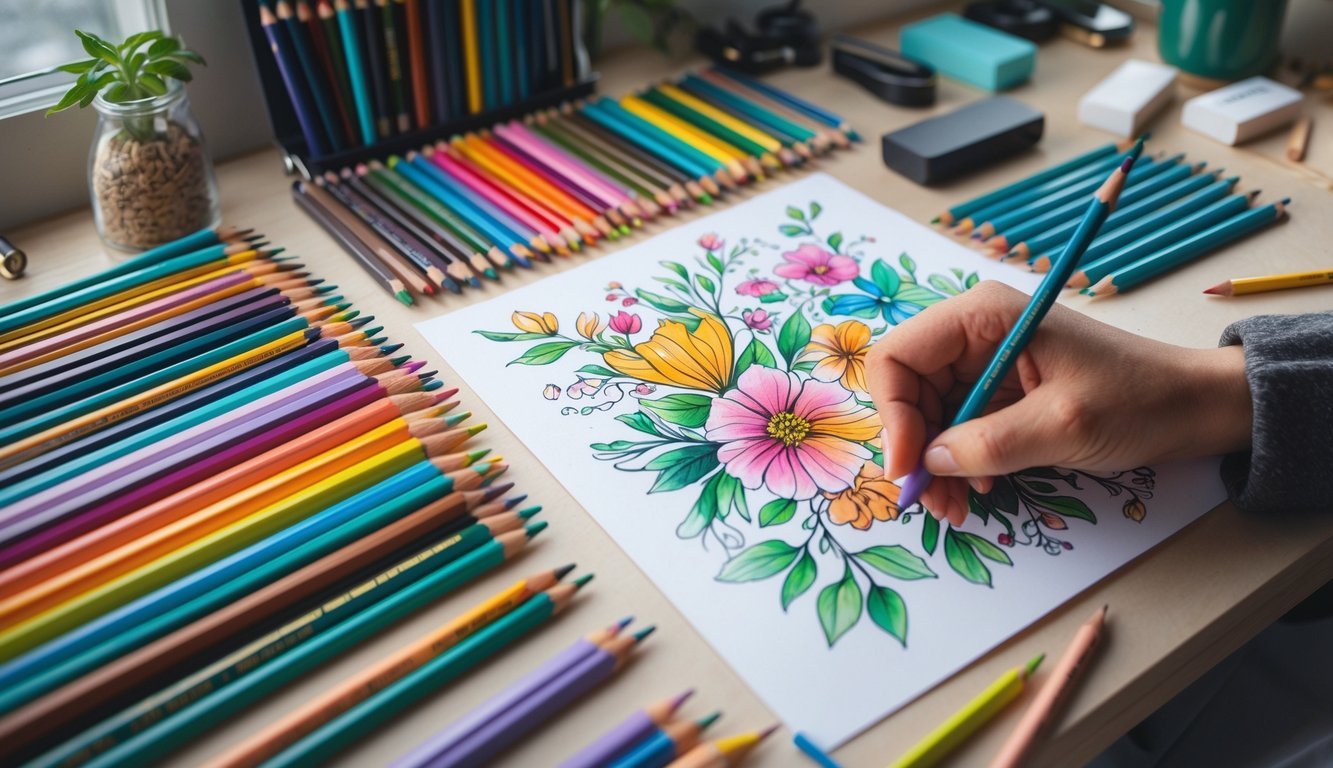
There's something special about how smoothly colored pencils glide over the paper. With the right tools and a little practice, you can create vibrant drawings. From shading to blending, each technique helps you refine your artwork. LindeHobby offers a wide range of colored pencils and accessories, making it easy to get started or to upgrade your kit. Dive in and explore how this craft can open up new possibilities for your art projects.
Coloring isn't just about filling spaces; it's about expressing yourself. With simple techniques, you can achieve a professional look right at home. You don’t have to spend much to enjoy this craft, as there are kits for every budget. If you're ready to relax and let your creativity flow, visit LindeHobby to find everything you need.
See our drawing and painting assortment here
Key Takeaways
- Essential tools and materials make coloring easy.
- Master basic techniques to improve skills.
- Find creative inspiration with the right practice tips.
Essential Tools and Materials
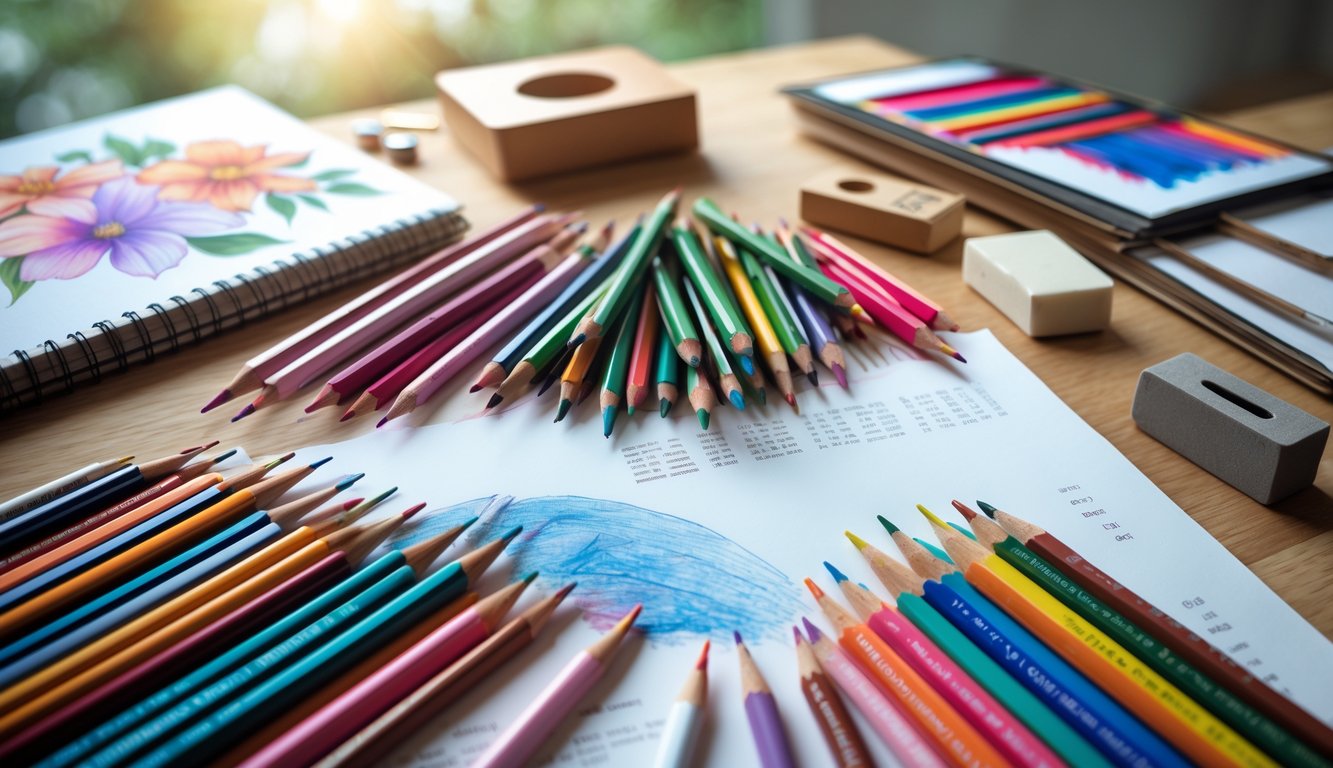
To create beautiful art with colored pencils, you'll need the right tools and materials. This guide outlines how to choose quality colored pencils, the best paper, and extra accessories to enhance your art experience.
Choosing the Right Colored Pencils
When picking colored pencils, look for high-quality brands that offer vibrant colors. Wax-based pencils provide smooth blends and a rich finish, ideal for softer looks. Oil-based options sharpen to fine points, perfect for detailed work.
Important features to consider:
- Color selection: Choose sets with a wide range.
- Lightfastness: Ensures colors won't fade over time.
- Core softness: Affects blending and layering capabilities.
Explore LindeHobby's comprehensive selection to find pencils that suit both your style and budget.
Selecting the Best Paper and Surfaces
The right paper makes a big difference in your art. For colored pencils, smooth paper is great for fine details, while textured paper helps create depth.
Types of paper to consider:
- Bristol board: Thick and smooth, perfect for detailed strokes.
- Watercolor paper: Offers texture for bold, vibrant designs.
- Pastel paper: Works well with layering and blending.
Pick paper sizes and textures from LindeHobby that suit your artistic needs and preferences.
Additional Accessories for Colored Pencil Art
To enhance your drawings, a few accessories can be very helpful. A good quality sharpener keeps your pencils ready to use.
Erasers: Purchase both standard and kneaded erasers for adjustments and highlights.
Blending tools: Blender pencils or tortillons help mix colors seamlessly.
Storage solutions keep your supplies organized, ensuring easy access.
These accessories, available at LindeHobby, offer you everything you need to succeed in your art journey.
Fundamental Coloring Techniques
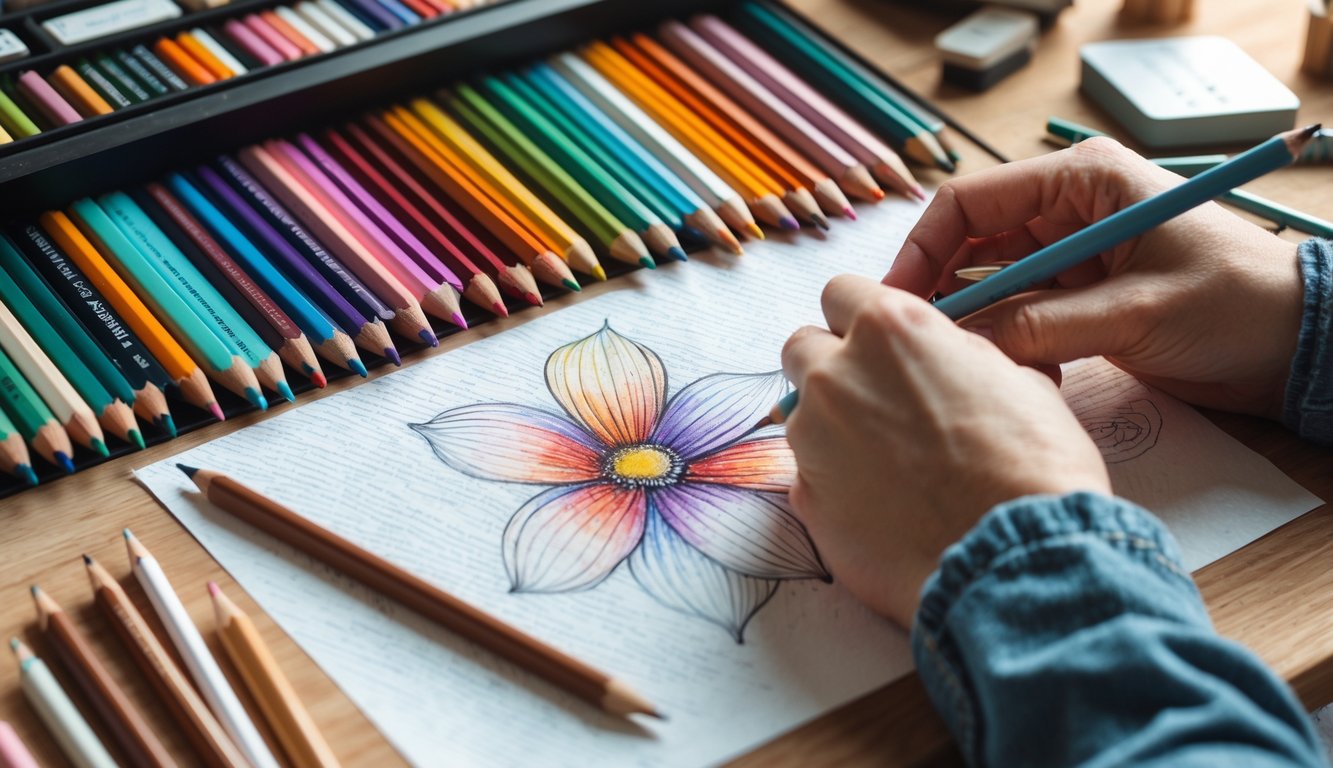
Using colored pencils can create vibrant and striking art. Master these basic techniques to enhance your skills. Focus on applying varied pressure, layering colors, and utilizing techniques like burnishing to achieve depth and smooth finishes.
Layering and Blending Colors
Layering colors begins with light strokes of one color, followed by another to create a new hue. For example, start with yellow and lightly overlay blue for green shades. This technique lets you build depth in your artwork.
Blending improves this effect. Use a colorless blender or a lighter pencil to smoothly transition between shades. Keep your strokes gentle to avoid wax buildup, and consider circular motions to mix colors seamlessly. Practice patience and precision for the best results.
Creating Highlights and Shadows
To create dimension, highlight and shadow techniques are essential. For highlights, leave white spaces or use a white pencil to enhance brightness in areas where light hits. For shadows, apply deeper colors like dark blue or gray.
Experiment with various pressure levels to get a range of tones. Work slowly and always step back to evaluate how light interacts with your scene. This careful attention will bring realism and depth to your work.
Applying Pressure and Building Depth
Pressure control transforms your art. Light pressure gives a soft look, while harder strokes intensify colors. Start with gentle layers, then increase pressure to enhance depth.
To gradually adjust depth, layer colors and adjust pressure in stages. This method builds rich, overlapping hues, adding to your artwork's intensity. Consistent practice will enhance your control, creating dynamic, striking pieces.
Burnishing for Smooth Finishes
Burnishing achieves polished finishes in art. After layering colors to desired depth, use pressure with a lighter pencil or burnishing tool. This blends wax, giving a shiny, smooth surface.
Choose products like colorless blenders or blending pencils to prevent altering colors. This method ensures a uniform, high-quality look. Burnishing can highlight your art dramatically when used effectively. Aim for a balanced application to maintain texture integrity.
Refining Your Artwork
Mastering pencil art involves adding realistic textures, enhancing details and edges, and fixing mistakes. These techniques elevate your work from good to outstanding.
Developing Realistic Textures
Creating lifelike textures with colored pencils adds depth to your artwork. Start by observing the surface you want to depict, such as fur, wood, or metal.
Layering is key. Use light, gentle strokes to build up layers, varying pressure to achieve different intensities. Experiment with cross-hatching and stippling to mimic the particular texture you envision.
For example, to capture the softness of fur, layer small, flicking strokes. Blending tools, like a colorless blender or blending stump, help merge colors seamlessly. Remember to keep your pencils sharp for precise lines.
Utilizing high-quality colored pencils from LindeHobby ensures vibrant hues and smooth application. Affordable options are available for beginners, while premium selections offer a broader range of colors.
Enhancing Details and Edges
Focusing on details and edges sharpens your artwork's impact. Start with defining the key areas you want to stand out, like eyes or highlights.
Use dark colors for bold outlines and lighter shades for subtle edges. Burnishing, applying heavy pressure, can make colors look lush and rich without waxy buildup.
For softer transitions, blend carefully to keep edges smooth. A fine-tip pencil can highlight intricate features like eyelashes or leaves' veins. Precision adds a professional touch, elevating your creation.
If you're working with a budget, LindeHobby offers detailed instructional kits that guide you through these techniques. You can find the right tools whether you’re just starting out or looking to expand your collection.
Fixing Mistakes and Corrections
Even the best artists encounter mistakes, so knowing how to fix them is crucial. A good-quality eraser is your best friend.
Gently erase errors with a kneaded eraser to avoid damaging the paper. If lines are persistent, try lifting color by dabbing with a sponge or using an eraser pencil. When tackling stubborn areas, layer new colors to cover mistakes.
Use a white pencil to soften or lighten areas as needed. This technique helps adjust lighting and corrects over-saturated spots. Accessible tools from LindeHobby assist in refining and perfecting your work.
Embrace experimentation and remember to have patience. With these techniques, you can save time and materials while improving your artistry.
Explore LindeHobby’s array of colored pencils and art supplies today to bring your artistic vision to life!
Creative Inspiration and Practice Tips
Explore different ways to find creative ideas and improve your skills with colored pencils. Experiment with subjects, keep a sketchbook handy, and think about how you store and show off your artwork. Each element can enhance your art experience.
Finding Subject Matter and References
Choosing the right subject can make a big difference in your artwork. Look around for everyday inspiration—an interesting flower or a bustling street. Nature, photos, and paintings from other artists can all spark ideas.
Use reference images to understand light, color, and form. Websites like Pinterest can provide endless examples. Finding the right reference might take time, but it's worth it. Sketch often, and soon you'll notice what subjects interest you the most.
Keeping a Sketchbook
A sketchbook is a handy tool that boosts creativity. Use it to explore ideas and practice techniques with your colored pencils. Doodle freely without worrying about the outcome. This helps you relax and enjoy the creative process.
Regular sketching hones your skills and increases your artistic confidence. Record ideas as they come so you can refer back later when searching for inspiration. Sketchbooks allow you to experiment with techniques, keeping your art fresh and exciting.
Storing and Displaying Finished Pieces
Once you've completed your artwork, storage and display are important. Keep your pieces safe by storing them in acid-free sleeves or portfolios. This protects them from sunlight and dust, maintaining vibrant colors.
For displaying, choose a clean, simple frame. This complements your art without overpowering it. Rotate different pieces to keep your space interesting. Show your work in community centers or online to reach a wider audience and gain feedback.
Explore LindeHobby’s range of art supplies to try these simple and effective techniques. Browse our selection to find quality products that suit all budgets, from beginner sets to professional kits. Your next project awaits!

