

How to Do Watercolor Painting: A Guide to Expressing Creativity with LindeHobby
Watercolor painting is a beautiful art form that can fill your world with color and creativity. Whether you’re looking for a new hobby or seeking to expand your artistic skills, painting with watercolors offers endless opportunities for self-expression. It’s a calming activity that provides a chance to unwind while exploring your artistic side.
To get started with watercolor painting, you will need quality supplies that won't break the bank. With just a few simple items like paints, brushes, and paper, you can begin your creative journey. Each stroke with your brush allows you to blend colors and create unique textures, making every piece special.
Once you master the basics, you'll find various techniques to enhance your work, like washes and layering. Let your imagination guide you, and find joy in experimenting with different styles and ideas. Make sure to explore our shop for all of your crafting needs and more inspiration.
See our drawing and painting assortment here
Key Takeaways
- Gather essential supplies easily and affordably.
- Master basic techniques to improve your painting skills.
- Experiment and enjoy the creative process.
Essential Watercolor Supplies
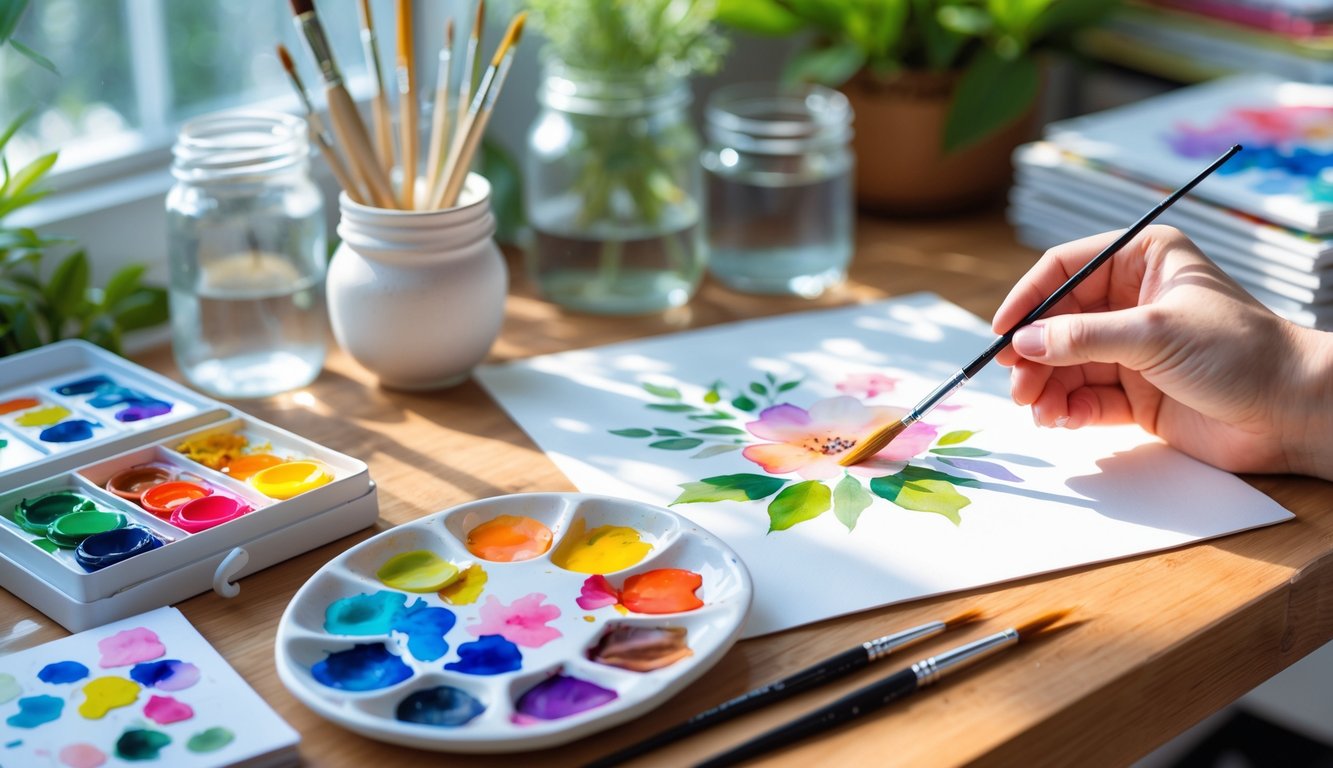
Starting with the right supplies can make your watercolor journey much smoother and more enjoyable. Picking the proper paper, brushes, and paints is essential, and having an organized workspace will help keep your creative flow uninterrupted.
Choosing the Right Paper
Selecting the right paper is a key step. Watercolor paper naturally soaks up water, preventing it from warping. Cold-pressed paper has a slightly textured surface, great for beginners. It suits various techniques, providing the flexibility you might need.
If you prefer smoother results, hot-pressed paper is the choice for you. It allows for more detailed work. Also, consider the paper's weight. Heavier paper is more durable and less likely to buckle.
Brands like Canson and Arches are well-regarded. LindeHobby offers a fantastic range of options, ensuring you find what suits your style and budget.
Selecting Brushes and Paints
When it comes to brushes, quality does matter. Synthetic brushes are budget-friendly and versatile, ideal for learners. Natural hair brushes absorb paint well, allowing for smooth strokes. Round brushes are excellent for detail, whereas flat brushes cover large areas.
Regarding paints, pan sets are compact, ideal for travel. Tube paints offer rich, consistent color. Experiment with both to discover your preference.
LindeHobby provides top-notch brushes and vibrant paints, offering options that cater to different levels and techniques. Visit their selection to stock up on all you need.
Organizing Your Workspace
A clutter-free workspace inspires creativity. Arrange your paints and brushes within easy reach, perhaps using a tool holder. Having a dedicated space allows your artistic projects to flourish without distractions.
You can use a palette for mixing colors efficiently. Elevate your workspace with practical storage solutions offered by LindeHobby, making sure everything is in its place.
Proper lighting is crucial. Ensure your workspace is well-lit; natural light is perfect for seeing colors accurately. This setup not only optimizes your creative process but also offers a pleasant environment to paint in.
Fundamental Watercolor Techniques
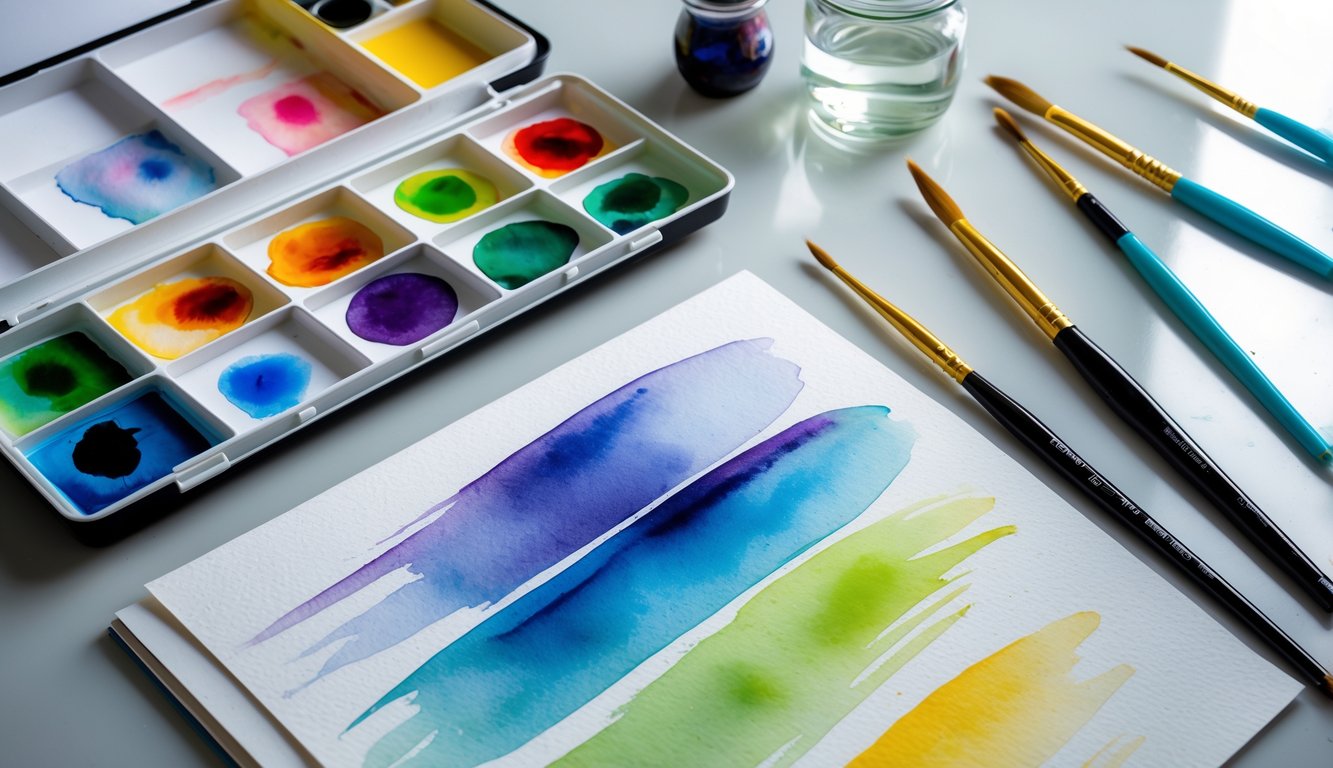
Discover essential techniques to elevate your watercolor painting. Learn to play with water to create vibrant effects, mix colors for stunning hues, and use layers to build texture.
Mastering Wet-on-Wet and Wet-on-Dry
In watercolor, the wet-on-wet technique involves applying paint onto wet paper, creating soft, flowing colors. This technique is perfect for dreamy skies and soft backgrounds. Keep your brush gentle and avoid overworking to preserve the effect.
Wet-on-dry allows for sharp details by applying wet paint on a dry surface. This is ideal for defining edges and adding intricate details. When switching between these techniques, think about the mood and detail level you aim to achieve.
Essential tools include high-quality brushes and watercolor paper. LindeHobby offers a broad selection suitable for both beginners and professionals, ensuring you find the right materials for your projects.
Exploring Color Mixing and Blending
Color mixing in watercolors brings out endless shades. By blending primary colors, you can create a broad spectrum of hues. Start with a limited palette to understand how colors interact. Quickly learn to make vibrant or muted tones by adjusting water ratios.
Key tips:
- Use a palette with wells for mixing.
- Test mixes on scrap paper first.
- Experiment with the amount of water for transparency.
At LindeHobby, you can find watercolor sets with varying pigment types, allowing you to explore without breaking the bank. As you become more confident, you might invest in artist-grade paints for richer colors.
Creating Texture and Layers
Texture adds depth to watercolor paintings. Techniques like dry brushing, where you use minimal water, create rough textures. Layering involves painting one color, letting it dry, and adding more on top, building up richness and dimension.
For an extra touch, salt can create fascinating crystal patterns. Apply it on wet paint and watch the magic happen. Always let layers fully dry before adding more to avoid muddy colors.
Check out LindeHobby’s range of tools and materials that make experimenting enjoyable and successful. Their affordable art supplies support every budget, encouraging anyone to dive into the world of watercolor. Whether you're beginning or ready to refine techniques, explore creatively.
Step-by-Step Guide to Painting With Watercolor
Embrace the beautiful world of watercolor painting by exploring simple steps to create stunning artwork. Gather the essential materials from your trusted hobby store and start this delightful journey.
Sketching Your Composition
Begin by lightly sketching your subject on watercolor paper. Choose a composition that feels balanced and engaging.
Use a light pencil like a 2H to avoid dark marks interfering with your watercolors. Keep the sketch simple, focusing on major shapes and lines.
If you're new to sketching, it might be helpful to practice drawing basic shapes or tracing from an image. Once satisfied with your sketch, you're ready to paint. Remember, your pencil marks can guide but shouldn't overwhelm the watercolor.
Applying the First Washes
Prepare your palette with a few colors. Mix them with water to achieve a light wash. Apply the wash using broad strokes with a large brush.
Start with the lightest areas of your painting, called washes. Let colors blend lightly at this point, creating soft transitions.
It’s important to allow each layer to dry before adding more paint. This avoids unwanted mixing of colors. First washes set the tone for your artwork, so choose your colors wisely.
Building Depth With Glazing
Glazing involves applying thin layers of transparent color over dry areas. This technique builds depth and vibrancy.
Select darker or richer colors for glazing. Use a medium-sized brush to add layers, allowing each one to dry before applying another.
Patience is key in glazing, as the process can take several layers to achieve the desired look. Experiment with different colors; some combinations might surprise you with beautiful results.
Adding Details and Finishing Touches
Now is the time to add fine details. Use smaller brushes for precision and control.
Focus on key areas that require definition, like facial features, textures, or highlights. Fine lines can be achieved with a detail brush.
Take a step back and evaluate your piece. Adjust colors or details if necessary. When satisfied, leave your painting to dry completely.
Watercolor offers versatility. Try new techniques or vary the composition next time. Explore different subjects like landscapes or abstract works. Get creative with watercolor paper and brush types.
For beginners, it’s wise to start with essential supplies and expand as skills grow. Consider high-quality paints for vivid results. LindeHobby provides a variety of materials to enrich your artistic journey, whether you’re a novice or seasoned artist. Dive into this creative adventure! Visit LindeHobby today to source all your watercolor needs.
Tips for Improving Your Watercolor Skills
Improving your watercolor skills takes time, practice, and the right materials. Techniques such as regular practice, learning how to handle mistakes, and seeking artistic inspiration can elevate your creative journey. Embrace these tips and discover the joy of watercolor painting.
Practicing Regularly and Experimenting
Make time to paint consistently. Regular practice helps you get comfortable with your materials and techniques. Try to set aside time each day or week for painting.
Experiment with different brushes, paper types, and colors. The joy of watercolor lies in its versatility. Trying new things can bring fresh perspectives. Mix colors to see how they blend, and test different brush strokes.
Consider starting with a beginner-friendly kit from LindeHobby that includes all essential supplies. Each session should feel fun and relaxed. Enjoy learning at your own pace.
Handling Mistakes and Corrections
Mistakes happen, especially when learning. Watercolor is forgiving if you know how to manage errors. If something doesn't look right, try using a clean, damp brush to lift excess paint from your paper gently.
Let your painting dry, then layer color to adjust tones or cover mistakes. By practicing patience, these corrections can add depth. Use these moments to build confidence and creativity.
LindeHobby offers a range of quality, affordable supplies to experiment without stress. Embracing mistakes as part of your painting journey can lead to unexpected and delightful results.
Finding Artistic Inspiration
Seek inspiration from nature, other artists, or even everyday objects around you. Look at works of famous watercolor artists to understand their techniques and styles. Observe how they handle light, shadow, and color.
Create a mood board or sketchbook with images and ideas. Visit art galleries or online platforms for inspiration.
LindeHobby provides resources and tools that enable exploration of various artistic techniques. Enrich your creative vision and infuse personal touches into your pieces. Replicate inspiring elements in your style and enjoy the artistic process.

