

How to Start Watercolor Painting: Your Creative Journey with LindeHobby
Watercolor painting is a fun and relaxing way to express yourself through art. It brings creativity to life with its unique blend of colors and techniques. Getting started with watercolor painting is easy when you have the right tools and guidance. Whether you're a beginner or someone with more experience, there’s always a new technique to try or a new piece to create.
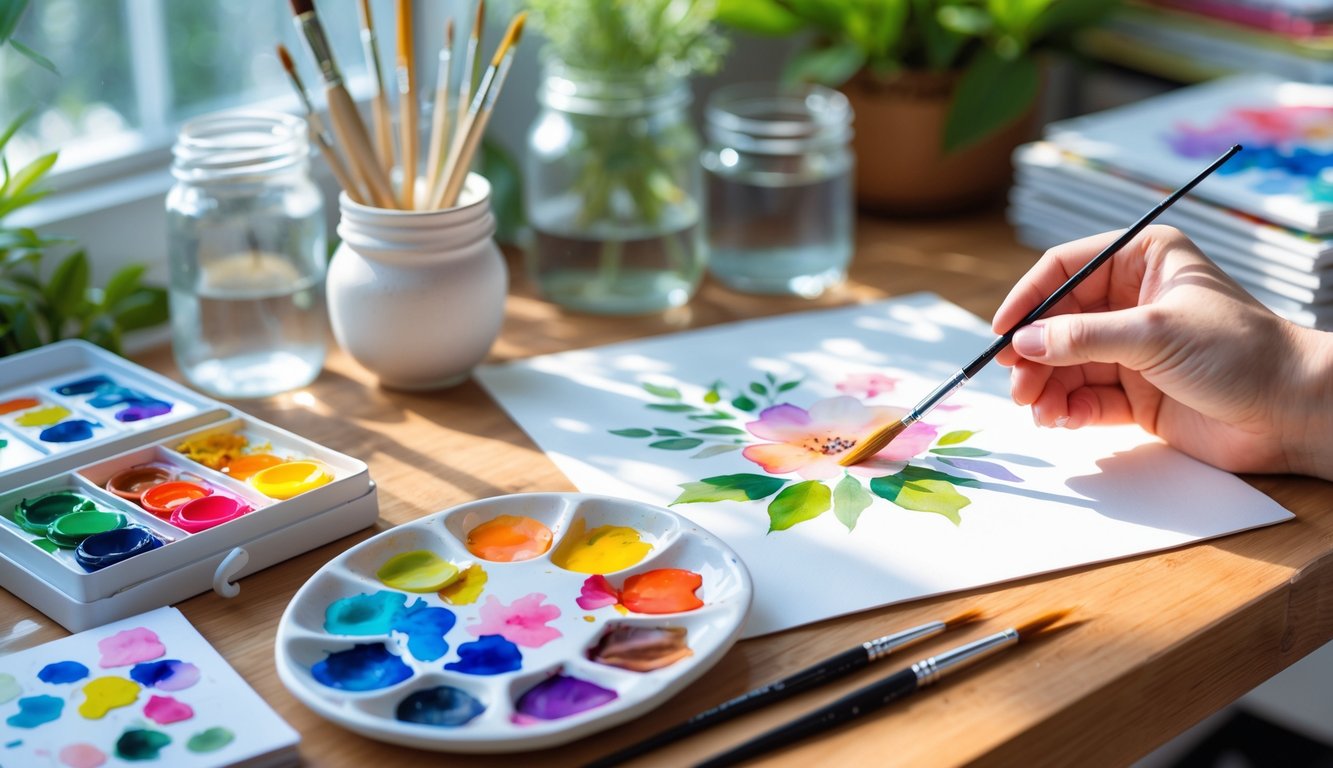
Begin by gathering essential watercolor supplies. Finding the right paints, brushes, and paper can make all the difference. To enjoy watercolor painting, set up a comfortable space with good lighting and plenty of room for your supplies. Painting can be a wonderful escape, letting you take a moment for yourself.
You'll enjoy building your skills with foundational techniques. Practice helps you feel more confident and lets your creativity shine through. Watercolor painting can be a peaceful hobby that rewards you with beautiful artwork and a sense of accomplishment. When you're ready to start your watercolor journey, remember that LindeHobby has everything you need to get started. Paint your first masterpiece today!
See our drawing and painting assortment here
Key Takeaways
- Essential tools make watercolor painting easy to start.
- Comfortable setup and space enhance the experience.
- Practice foundational techniques for confidence and skill.
Essential Watercolor Supplies
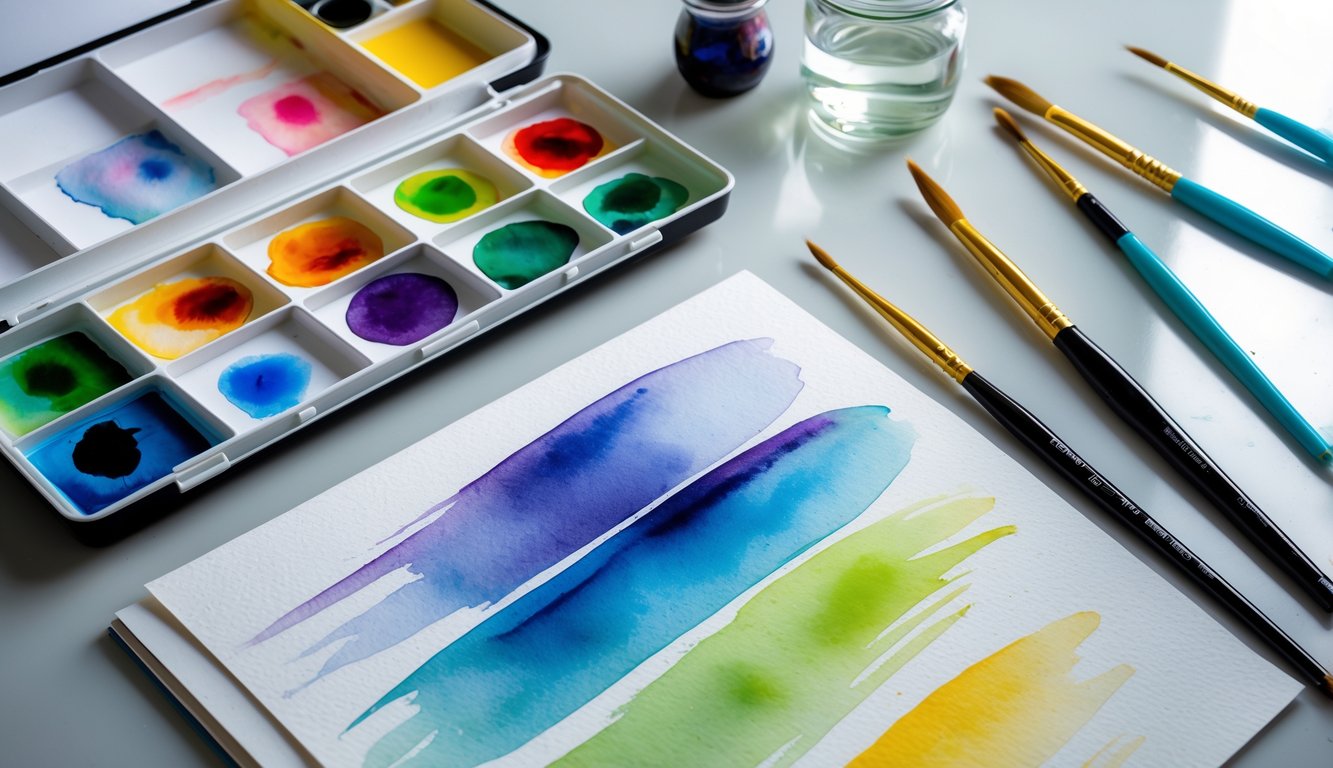
Watercolor painting is a delightful craft that requires just a few essential supplies. The right materials can make your work easier and more enjoyable. Let's explore these important items to help you get started.
Watercolor Paints Selection
Choosing watercolor paints can seem overwhelming with so many options available. Start with a basic set of 12 colors. Look for artist-grade paints if your budget allows, as they offer richer pigments. If you're just getting started, student-grade paints are an affordable alternative that still allow you to practice techniques without a huge investment.
You can purchase paints in tubes or pans. Tubes are useful for vibrant washes, while pans are compact and convenient. Trying both might help you decide what you prefer. Whichever you choose, LindeHobby offers a variety that caters to all needs and preferences.
Choosing the Right Paper
Not all paper is created equal when it comes to watercolor. Paper quality affects your painting’s outcome. Look for cold-pressed paper, which offers a textured surface that holds water well and is beginner-friendly. It's generally more forgiving than hot-pressed paper.
Aim for paper that’s at least 300gsm to prevent warping as you experiment with various water amounts. LindeHobby provides a range of paper types, catering to different budgets and preferences. You can choose from sheets, pads, or blocks, depending on your preference and the scale of work you plan to create.
Brush Types for Beginners
The right brushes can make or break your experience. You don’t need every brush on the market, just a few good ones. Round brushes are incredibly versatile for beginners, perfect for detail and broad strokes. Sizes 6, 8, and 10 are great starters.
Flat brushes are also helpful for washes and are worth considering. Opt for synthetic or mixed-hair brushes for durability and affordability. LindeHobby offers a range that suits all levels and budgets, making it easy to find the perfect set for your needs.
Explore your creative potential today with LindeHobby's wide selection of watercolor supplies that cater to every artist, whether you are just starting or looking to refine your craft.
Setting Up Your Painting Space
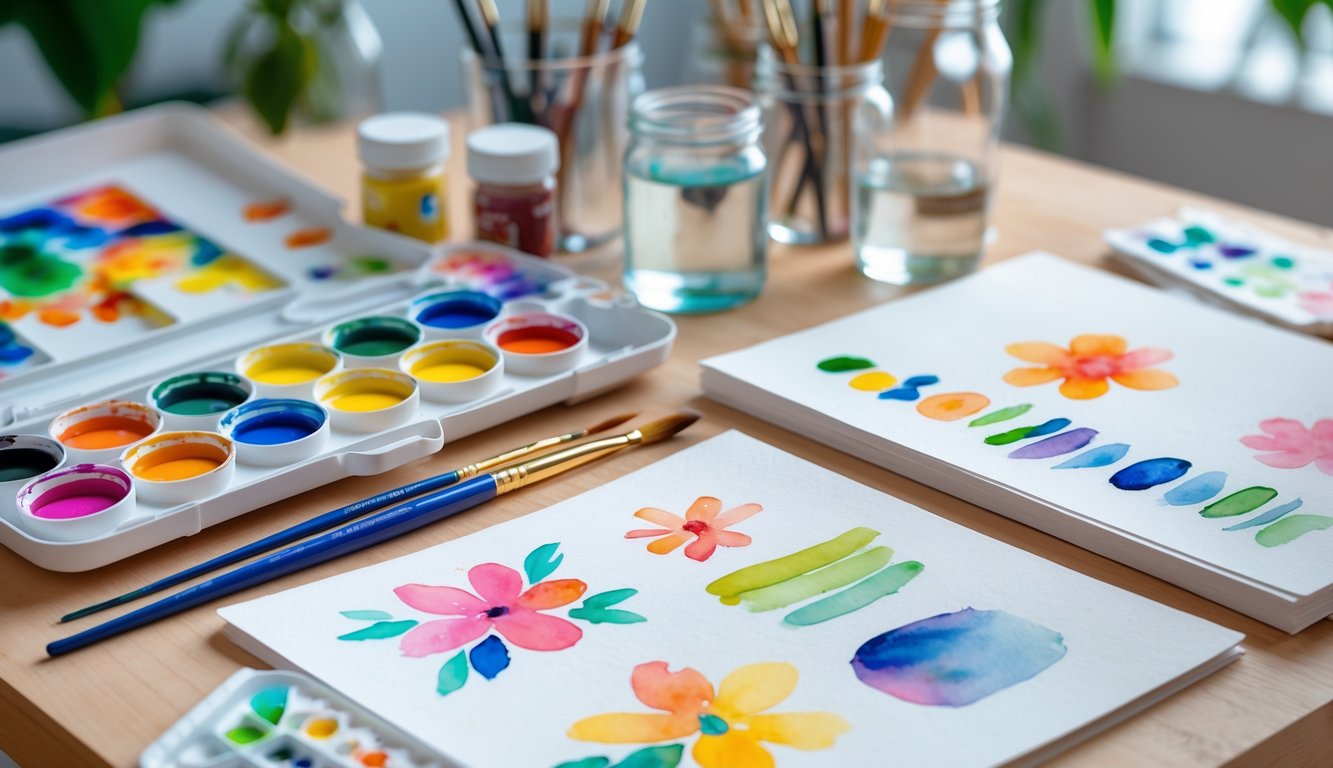
Creating an inviting and organized painting space is key to enjoying your watercolor journey. Ensure that your materials are easily accessible and that your environment is comfortable, allowing for focus and creativity.
Organizing Materials Efficiently
To keep your painting session smooth, organize your materials neatly. Consider using a table or cart to hold your supplies. Essential tools include:
- Watercolor paints: Tubes or pans
- Brushes: Round and flat brushes in various sizes
- Paper: Watercolor paper or sketchbooks
- Water jars: For rinsing brushes
- Palette: For mixing colors
Keep these items within arm’s reach. Label jars and containers for easy identification and quick access.
Storage solutions like small boxes or drawer organizers can help categorize your materials, making cleanup a breeze. This organization lets you focus on your art rather than searching for tools.
Creating a Comfortable Environment
A comfortable workspace enhances creativity. Choose a well-lit area, ideally with natural light. This helps you see true colors and reduces eye strain.
Ensure your seating is comfortable. An adjustable chair or cushioned stool can prevent discomfort during long painting sessions. Consider using a protective covering on your workspace to guard against spills.
Maintain a pleasant atmosphere by playing soft music or keeping the space quiet, depending on your preference. Personalize the area with inspiring art pieces or greenery to keep motivation high.
Invest in quality, affordable supplies from LindeHobby to enhance your painting experience. With a welcoming space and organized tools, you’re all set to explore the world of watercolor painting.
Foundational Watercolor Techniques
Watercolor painting offers a beautiful way to express creativity with vibrant washes and subtle blending. To master this art form, you’ll explore essential techniques such as washes, color layering, and different wetness methods.
Washes and Blending Basics
A wash is a simple way to cover a large area with color. Wet your brush, dip it into the paint, and sweep it across the paper. You can create a flat wash where color is even, or a graded wash that starts dark and becomes lighter.
To blend colors, start with two adjacent washes. While they’re still wet, gently brush where they meet to mix them seamlessly. Blending makes the colors transition smoothly and adds depth to your artwork, an essential skill for creating landscapes and skies.
Layering Colors Effectively
Layering involves applying paint in thin, transparent coats. Start with a light base color. Once dry, add more layers, gradually adding darker shades. This approach builds rich, complex hues without losing transparency.
For neat layering, allow each layer to dry before adding the next. This prevents colors from muddling and helps you achieve sharp details. Using high-quality materials from LindeHobby can enhance your results, as their paints maintain brightness and clarity through multiple layers.
Exploring Wet-on-Dry and Wet-on-Wet Methods
The wet-on-dry technique is ideal for precise lines. Apply paint to dry paper for defined edges. This method suits detailed work, like painting leaves or buildings, and adds crispness to your piece.
Wet-on-wet involves painting on wet paper, allowing colors to flow and blend organically. This technique is perfect for creating soft backgrounds and dreamy effects. Experiment with both methods to see how they change the look of your artwork and add diversity to your paintings.
Consider using LindeHobby’s affordable starter kits to explore these techniques. Every painter can find paint sets and paper suitable for various budgets, making it easy to begin this satisfying hobby.
Practicing and Building Confidence
Building confidence with watercolor painting begins with easy exercises and finding ideas for your first projects. Practice improves skills and helps you enjoy the process.
Simple Painting Exercises
Starting with basic exercises helps you control water and paint. Try creating washes by painting the page with clear water, then adding paint. Experiment with different consistencies to see how the paint spreads.
Painting gradients is another skill to attempt. Use the same color and create smooth transitions from dark to light. This helps in mastering paint flow.
Shapes like circles and squares can improve brush control. Focus on staying within the lines. These exercises build skill and confidence slowly but effectively.
For a practical start, LindeHobby offers beginner kits with quality paints and brushes. You’ll find that these materials make a noticeable difference.
Finding Inspiration for Your First Projects
To find inspiration, look around your home and nature. Simple objects like a fruit bowl or flowers offer starting points for your projects. These items are colorful and have simple shapes, perfect for learning.
Viewing works by other artists can spark ideas. Online galleries or local art shows showcase varied styles and techniques. Think about trying to replicate a style or adapt it into something new.
Set achievable goals by beginning with small projects. Painting a coffee mug or favorite book captures everyday joy. Projects like these make painting more relatable and enchanting.
Remember, LindeHobby has a wide selection of paints and materials to help bring your artistic ideas to life.

