

How to Wash Embroidery: Caring for Your Creations with Linde Hobby
Embroidery is a beautiful and creative way to express yourself through fabric. Whether you have been embroidering for years or are just starting out, keeping your embroidered pieces clean is important to maintain their vibrant colors and intricate designs. When washing embroidered items, handle them with care to ensure they remain in great condition.
Imagine the joy of seeing your embroidery fresh, clean, and ready to be used or displayed. Washing embroidery can seem tricky, especially for delicate or high-detail pieces, but with the right techniques, it becomes manageable. By taking the time to clean them properly, you can enhance their appearance and extend their lifespan.
Enjoy the relaxing process of caring for your crafty creations. Your freshly washed embroidery can be used to add a personal touch to your home or wardrobe, making them even more special. Plus, if you're looking for more embroidery supplies to expand your projects, Linde Hobby has everything you’ll need to keep creating beautiful pieces.
Key Takeaways
- Handle embroidery with care to keep it in great condition.
- Use the right washing and drying techniques to maintain fabric quality.
- Proper storage helps preserve the beauty of embroidery.
Preparing Embroidered Items for Washing
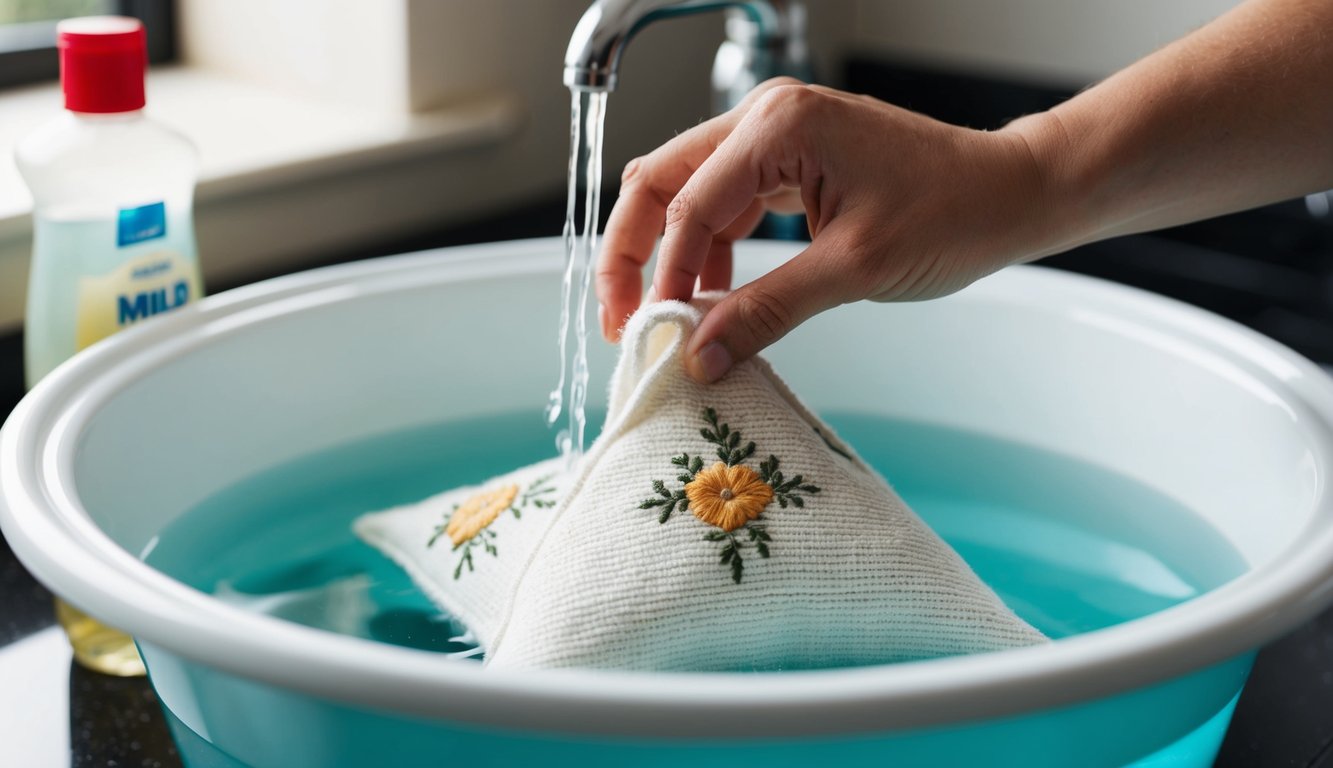
Before cleaning your embroidered items, it's important to handle them with care. Focus on checking for any loose threads and stains. Choose the right cleaning agents to ensure your embroidery stays vibrant and intact.
Inspecting for Loose Threads and Stains
Before washing, take a close look at your embroidered item. Check for any loose threads or areas where the embroidery might be coming undone. Use small scissors to trim these threads carefully.
Stains can be tricky. Identify any dirt or marks that need special treatment. Blot stains gently with a damp cloth. For stubborn spots, consider using a stain remover that's safe for delicate fabrics.
It's a great idea to do this in a well-lit area. By ensuring your embroidery is in good condition, you will avoid further damage during cleaning and help keep it looking beautiful.
Choosing Appropriate Cleaning Agents
Selecting the right cleaning products is crucial for your embroidered pieces. Opt for mild detergents or soaps free from harsh chemicals. Stay away from bleach or strong cleaners, as they can fade colors and weaken threads.
Test the cleaning agent on a small, hidden area first to make sure it won’t damage the fabric. Use lukewarm water to wash the embroidery. Hot water might cause shrinkage or color bleeding.
If you're concerned about how a product might affect your embroidery, patch test beforehand. Always check the label of your cleaning agent to ensure it's suited for delicate or crafted items. By using gentle cleaning agents, you protect your cherished designs and maintain their quality over time.
Washing Techniques for Embroidery
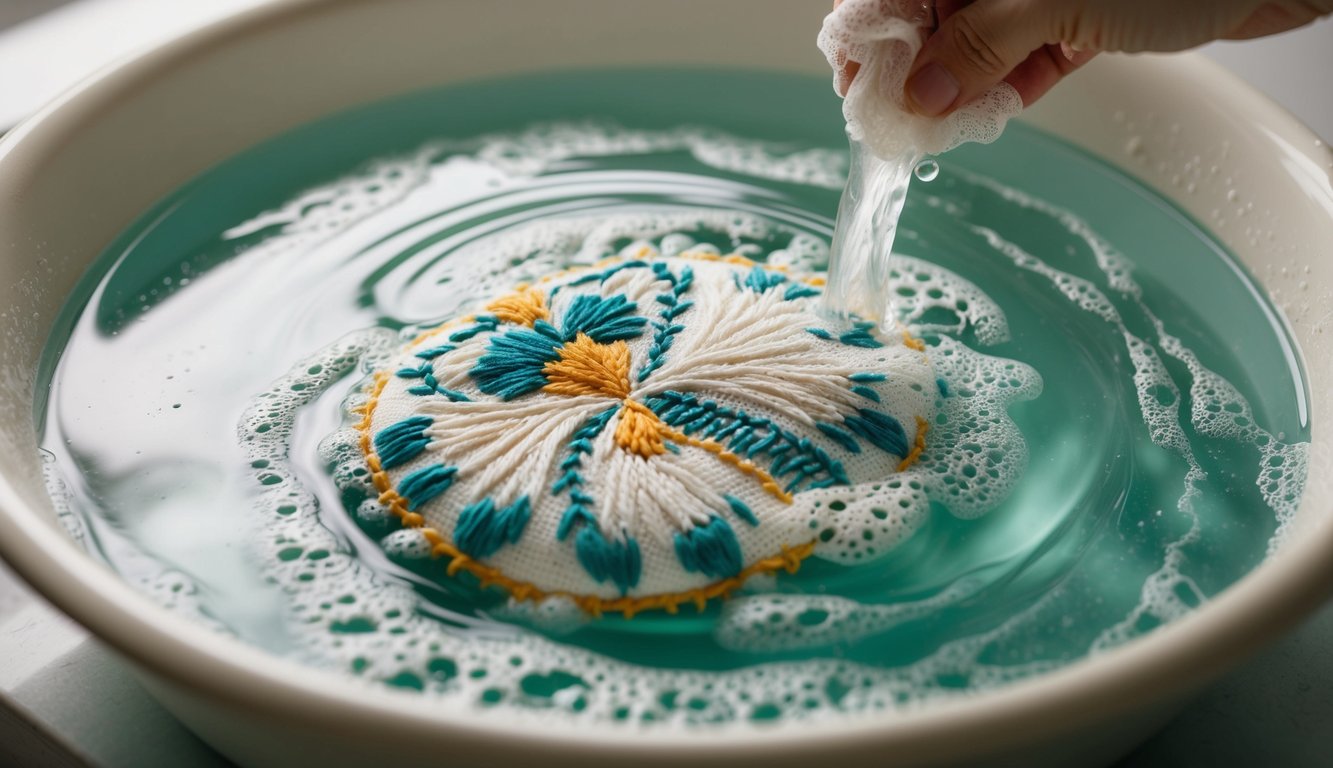
Keeping your embroidery clean is important to maintain its beauty and prolong its life. Different techniques suit different types of embroidery, depending on the materials involved.
Hand Washing Delicate Embroidery
When handling delicate embroidery, like silk or vintage pieces, hand washing is best. Use cold water and a gentle detergent. Fill a basin with water, then add a small amount of detergent.
Swirl the embroidery gently. Avoid scrubbing, which might damage the fibers. Press the item lightly to release the water and detergent.
Rinse thoroughly in clean water to remove any soapy residue, being careful not to twist or wring. Lay the piece flat on a dry towel. Roll it with the embroidery inside to absorb excess water. Unroll and leave it to air dry away from direct sunlight.
Machine Washing Sturdier Pieces
For sturdier fabrics such as cotton or polyester, you may use a washing machine. Place the embroidery in a mesh laundry bag for protection.
Set your machine to a delicate cycle with cold water. Use mild detergent, paying attention to avoid bleach or harsh chemicals. These can fade colors and damage fibers.
Remove from the machine promptly. Reshape if needed while still damp. Lay the embroidery flat on a towel to air dry, keeping it away from intense sunlight to avoid fading.
Spot Cleaning Small Areas
If only a small area needs cleaning, spot cleaning is an effective method. Use a clean, damp cloth with a touch of mild detergent.
Gently dab the stained area without rubbing. This prevents the stain from spreading. Keep a second cloth on hand to blot dry and absorb water.
Repeat if necessary, until the stain is gone. Be cautious not to over-wet the embroidery. Air dry thoroughly. This method is quick and helps maintain the integrity of the surrounding area.
Whether you're preserving heirloom pieces or keeping modern projects looking new, proper care ensures your embroidery remains beautiful for years. Be sure to explore Linde Hobby for all your embroidery needs.
Drying and Ironing Embroidered Fabrics
After washing your embroidered masterpiece, the right drying and ironing techniques ensure it looks its best. Proper care prevents damage to delicate threads and fabric.
Proper Drying Methods
Choose a flat, clean surface for drying to avoid stretching. Gently press the excess water out of the embroidery using a clean towel. Avoid wringing or twisting, as this can distort the stitches and fabric.
Some prefer air drying for more delicate pieces. For faster drying, lay your work flat on a mesh drying rack. This allows air to circulate freely. Avoid direct sunlight, which can cause colors to fade. If you need to use a dryer, set it to a low setting and consider placing the embroidery in a mesh laundry bag for extra protection.
Safe Ironing Practices for Embroidery
Ironing embroidery requires special care. Begin by setting your iron to the appropriate fabric setting. Avoid steam unless stated safe for that fabric type. Place a clean towel or pressing cloth over the embroidery to protect the stitches.
Gently press with the iron, avoiding harsh movements. Always iron on the reverse side to preserve the texture of the embroidery. If available, a steam press or handheld garment steamer can safely remove wrinkles without direct pressure, preserving your design’s vibrancy.
Keep in mind the type of thread used as some may be more heat-sensitive than others. Take your time and enjoy the process. You’ll find all the necessary tools and supplies for your next embroidery project at Linde Hobby. Explore our diverse selection to fuel your creativity!
Storing and Maintaining Embroidery After Washing
To keep your embroidery pieces looking fresh, proper storage is key. Let the fabric completely dry before storage. This helps prevent mildew or musty odors.
Folding vs. Hanging
- Folding: Fold your embroidery along its natural lines.
- Hanging: For sturdier items, hang them on padded hangers.
Storage Bags
Use breathable cotton bags or pillowcases. Avoid plastic bags, which can trap moisture and lead to mold.
Lighting and Temperature
Store them in a cool, dark place. Direct sunlight can fade colors over time.
Regular Checks
Check your stored items every few months. This lets you catch any issues early, like pests or discoloration.
For creative storage options, you might explore wooden embroidery hoops from Linde Hobby. These can double as décor, allowing pieces to become a beautiful part of your home.
Displaying Your Work
Display finished projects on walls to enjoy your work daily. Here, a frame can protect and highlight your craft.
Remember, Linde Hobby provides high-quality materials to ensure your projects shine. Whether you're a beginner or a seasoned crafter, our selection can help make your embroidery journey enjoyable and successful. Explore our wide variety of supplies to find everything you need.

