

Watercolor for Beginners: A Warm Welcome to Your Creative Journey with LindeHobby
Exploring the world of watercolor can be both fun and relaxing. It's a great way to express your creativity while enjoying a peaceful artistic journey. Watercolor painting offers a unique blend of vibrant colors and soft brushstrokes, making it accessible to beginners. You'll find that with just a few basic materials and techniques, you can create beautiful artwork that captures your imagination.
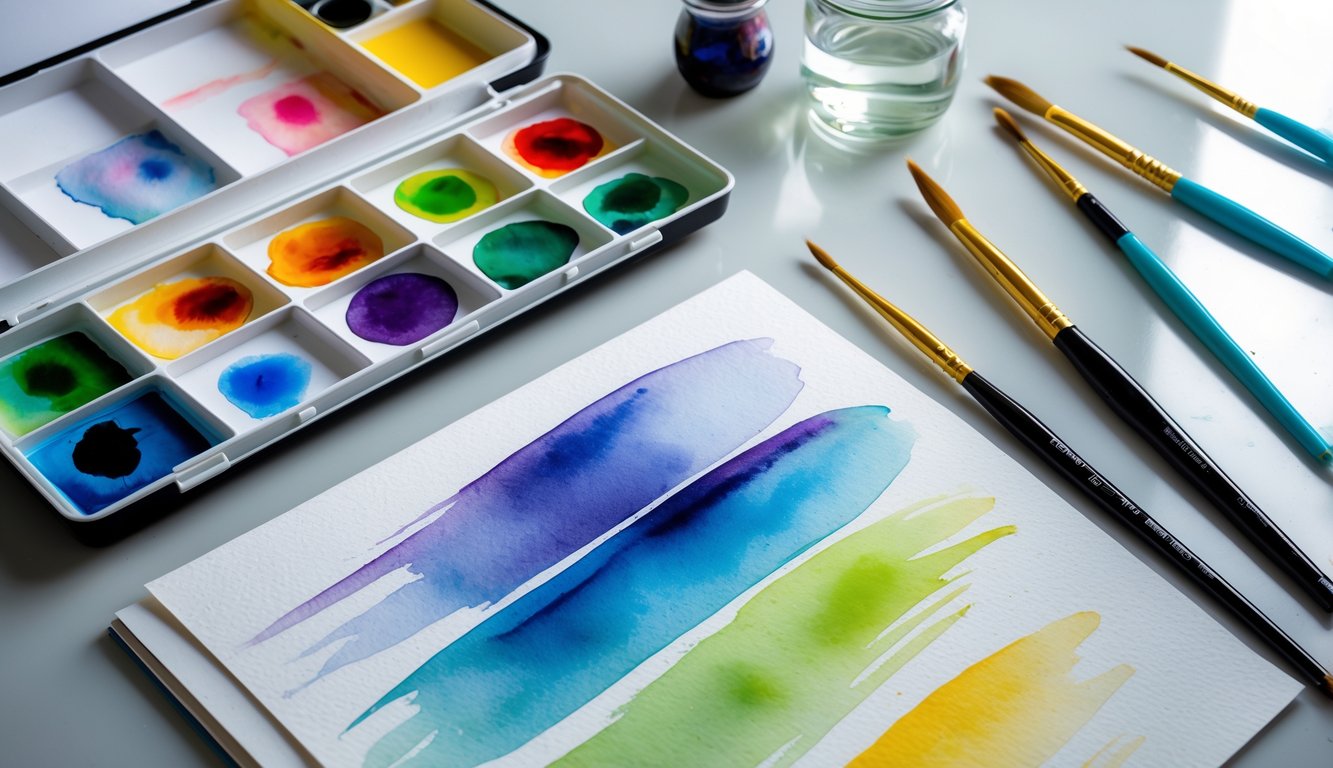
To get started, you'll need some watercolor paints, brushes, and paper. Choosing the right materials can be simple and affordable. LindeHobby offers a wide selection of these essentials, perfect for any budget. As you begin experimenting with colors and techniques, you'll discover how easily watercolor can capture the essence of light and nature. This journey offers you opportunities to develop your personal style.
As you gain confidence with your new skills, you'll find endless ways to use watercolor in your projects. Whether you're painting landscapes, flowers, or abstract designs, let your creativity flow. Remember, LindeHobby is here to support your artistic journey with quality materials. Browse our selection today and start creating your own watercolor masterpieces!
See our drawing and painting assortment here
Key Takeaways
- Watercolor painting is relaxing and creative.
- Starting requires basic affordable materials.
- Watercolor lets you explore personal artistic styles.
Getting Started With Watercolor
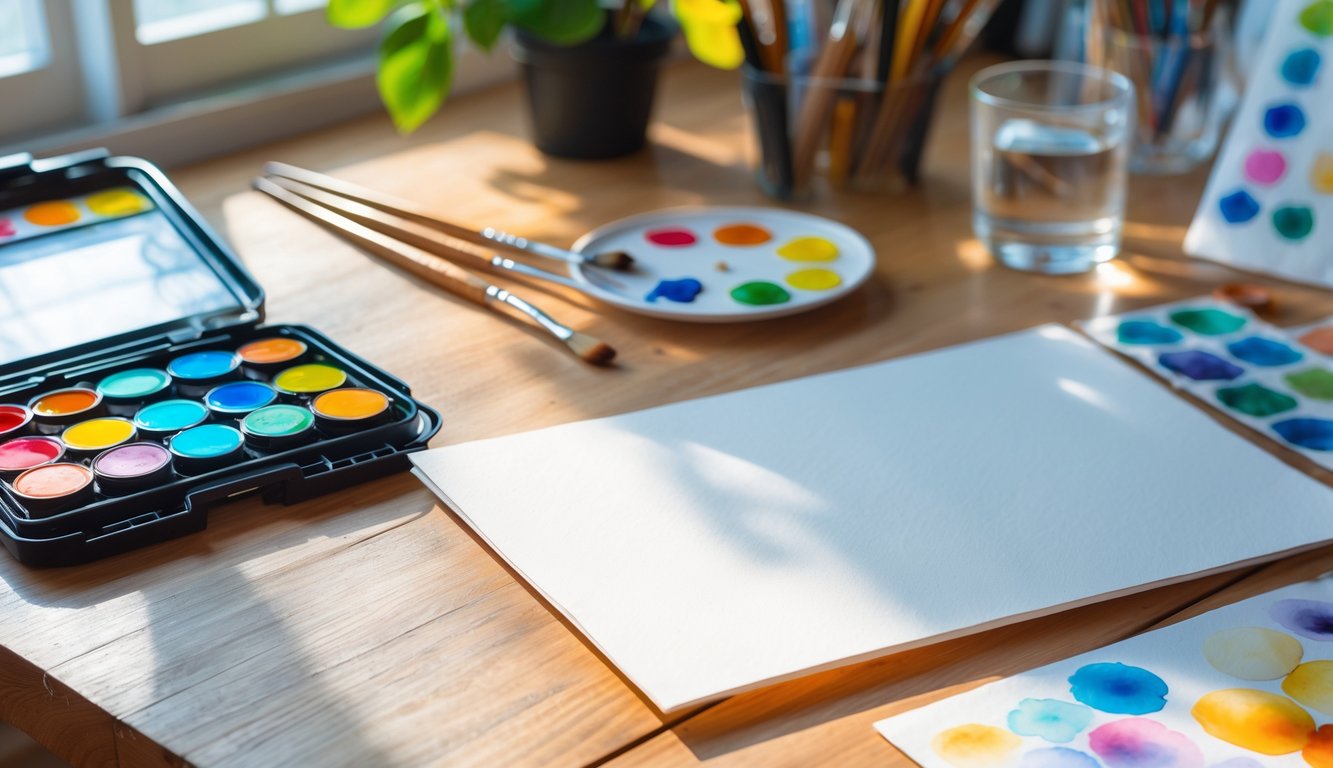
Watercolor painting is a wonderful way to express your creativity. You'll need the right supplies, learn about watercolor paper types, and set up a workspace to get started.
Essential Supplies for Beginners
To start painting with watercolors, gather some basic supplies. Watercolor paints come in pans or tubes, offering different color options to suit your style. Brushes are key, with round brushes like size 6 or 8 being versatile choices. You’ll also need a palette for mixing colors.
Water containers for rinsing brushes are essential. A pencil and eraser help sketch outlines. Don’t forget masking tape to secure your paper. Investing in a beginner kit can be cost-effective. LindeHobby offers quality and affordable kits ideal for newcomers.
Understanding Watercolor Paper Types
Choosing the right paper is important. Watercolor paper is thicker than regular paper and often textured. There are three main types: Hot Pressed, Cold Pressed, and Rough. Cold Pressed paper has a slight texture, making it a beginner favorite.
For those who like smooth surfaces, Hot Pressed is great. Experiment with different types to see what you like best. LindeHobby provides a range of paper options, perfect for testing. Remember, quality paper can affect your painting outcome.
Setting Up a Creative Workspace
Creating a good workspace is crucial for painting. Find a well-lit area with a flat surface. Keeping supplies within reach makes it easier to focus on your art. A large table or desk is ideal. Be sure to line your work area with newspaper for easy clean-up.
Consider investing in a table easel to help with your posture. Organize your brushes, paints, and other materials for easy access. With a setup that works for you, painting becomes more enjoyable. Visit LindeHobby to explore products that can enhance your creative space.
Basic Techniques And Skills
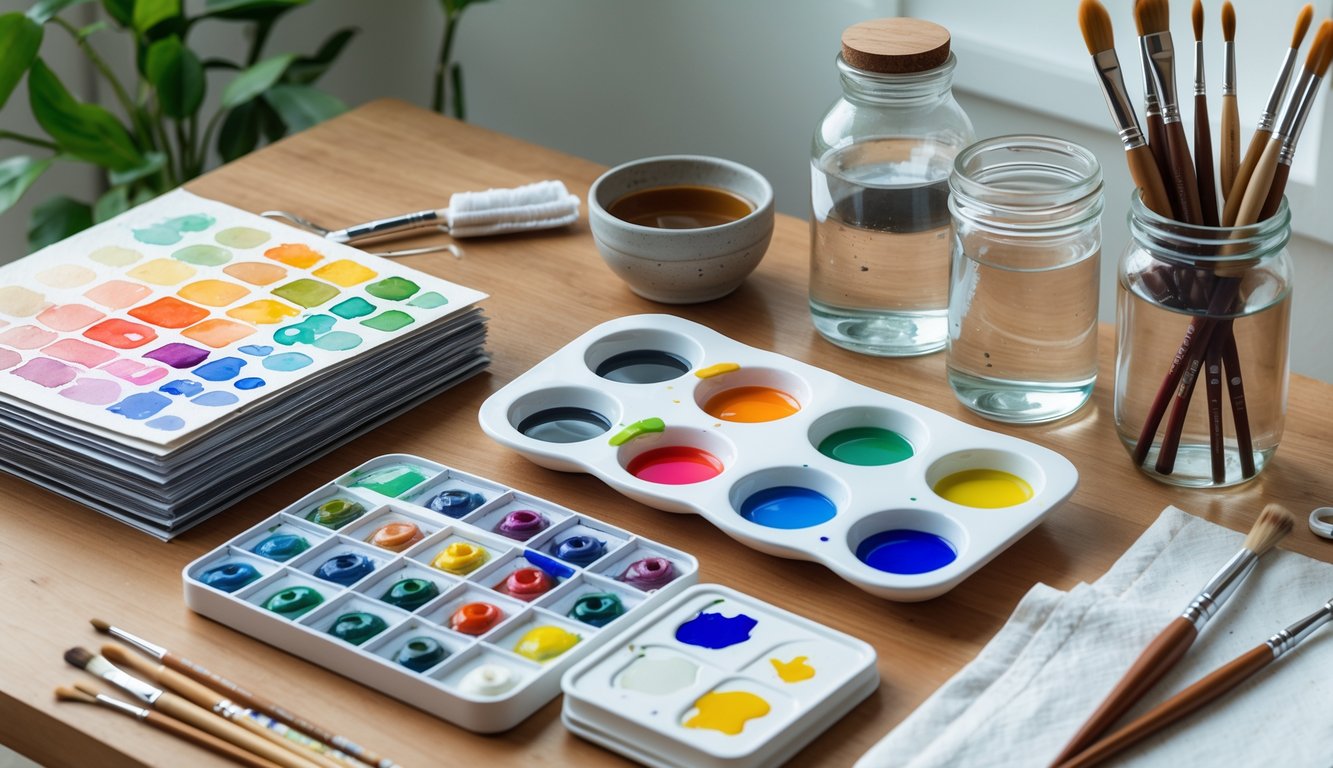
Starting with watercolor painting is all about exploring different techniques. Grasping color mixing, controlling brush movements, applying washes, and learning layering helps in creating vibrant artwork.
Color Mixing Fundamentals
Understanding how colors interact is crucial in watercolor painting. Start by exploring primary colors: red, blue, and yellow. These can be mixed to create secondary colors like green, orange, and purple. Experiment by mixing different ratios to achieve varied hues and tones.
Invest in a basic color wheel to guide your mixes. A tips table:
| Mix | Result |
|---|---|
| Blue + Yellow | Green |
| Red + Blue | Purple |
| Yellow + Red | Orange |
Using a palette or a plate for mixing is handy. Remember, the ratio of water to paint influences transparency. More water creates lighter shades.
Brush Control and Strokes
Brush control influences the quality of your painting. Familiarize yourself with different brush shapes, such as round, flat, and filbert. This knowledge will help in creating various effects. Practice simple strokes, maintaining even pressure.
Common strokes include dabs, for dotted textures; and swirls, for waves or clouds. Flat brushes are great for large areas, while round ones work well for detail. You'll want to keep your brush at different angles to produce unique strokes.
Always ensure your brush is well-loaded. Practice on scrap paper to see how each makes different lines and shapes.
Washes: Flat, Graded, and Variegated
Washes are essential for achieving smooth backgrounds. Flat washes create even color with consistent pigment, ideal for skies or water. Load your brush with paint, then move in horizontal strokes without lifting the brush.
Graded washes transition from dark to light, adding depth. Start with concentrated pigment and gradually add water to lighten. It suits areas like sunsets or reflections.
Variegated washes blend different colors, offering dynamic effects. Apply two or more paint colors on wet paper to merge naturally. These are perfect for backgrounds with diverse tones.
Layering and Glazing Techniques
Layering builds up color and shapes. Let each layer dry fully before applying the next to avoid muddiness. This technique is excellent for adding depth and dimension.
Glazing involves thin, transparent paint layers. Each layer slightly changes the underlying color, adding richness and texture. A sample list for layering techniques:
- Use a light initial wash for backgrounds.
- Layer darker hues for shadow areas.
- Apply thin glazes to adjust colors subtly.
Remember to choose quality brushes and paints. The right tools make layering more manageable and enjoyable. You can explore assorted kits or individual selections to match your skill level and budget. Don't forget to explore the range of art supplies at LindeHobby to support your journey in watercolor art.
Developing Your Watercolor Style
Creating your own watercolor style involves exploring inspiration, balancing different painting techniques, and understanding the role of light and shadow. These elements can help you express your creativity uniquely.
Finding Artistic Inspiration
Every artist needs inspiration. Check out galleries, art books, and online platforms to explore different styles. You might discover something that resonates with you and sparks new ideas.
Try keeping a sketchbook and jotting down what catches your eye. This can be scenery, patterns, or even the way light falls on an object. These little observations can lead to new and exciting painting ideas.
Experiment with these inspirations in your art. Don't worry about everything being perfect. The more you explore, the more your style will evolve.
Practicing Loose Versus Detailed Painting
Watercolor allows for both loose interpretations and intricate details. Practicing both can tell you which one feels right for you. Loose painting is about using broad strokes and letting colors flow freely. This approach captures the essence and mood of a scene.
Detailed painting focuses on accuracy and precision. It requires patience but allows you to capture intricate features of your subject.
Mixing these techniques can also create a balanced look. Experiment with them to develop a style that is truly yours. LindeHobby has everything you need—brushes of various sizes are key tools for this practice.
Exploring Light and Shadow
Light and shadow bring your watercolor paintings to life. Observing how light affects shapes can guide how you apply colors. Use lighter washes for illuminated areas and deeper tones to create shadows.
Practice by painting the same scene at different times of the day. Notice how shadows shift and colors change with the light. This exercise helps you understand how to add depth and dimension to your artwork.
Mastering this element enhances the realism and mood of your paintings. Great materials can make a difference, and LindeHobby offers quality options to suit your needs.
Develop your style by experimenting and practicing what inspires you most. With every stroke, your unique approach to watercolor will shine through. Explore the resources at LindeHobby, and enjoy the artistic journey ahead.

