

Watercolor Painting: Discover Your Creative Side with LindeHobby
Watercolor painting opens up a world of creativity and relaxation for people who love art. It’s a simple way to start expressing yourself and capturing the beauty of nature. Watercolor painting is perfect for beginners and experienced artists alike, inviting you to explore vibrant colors and fluid techniques.
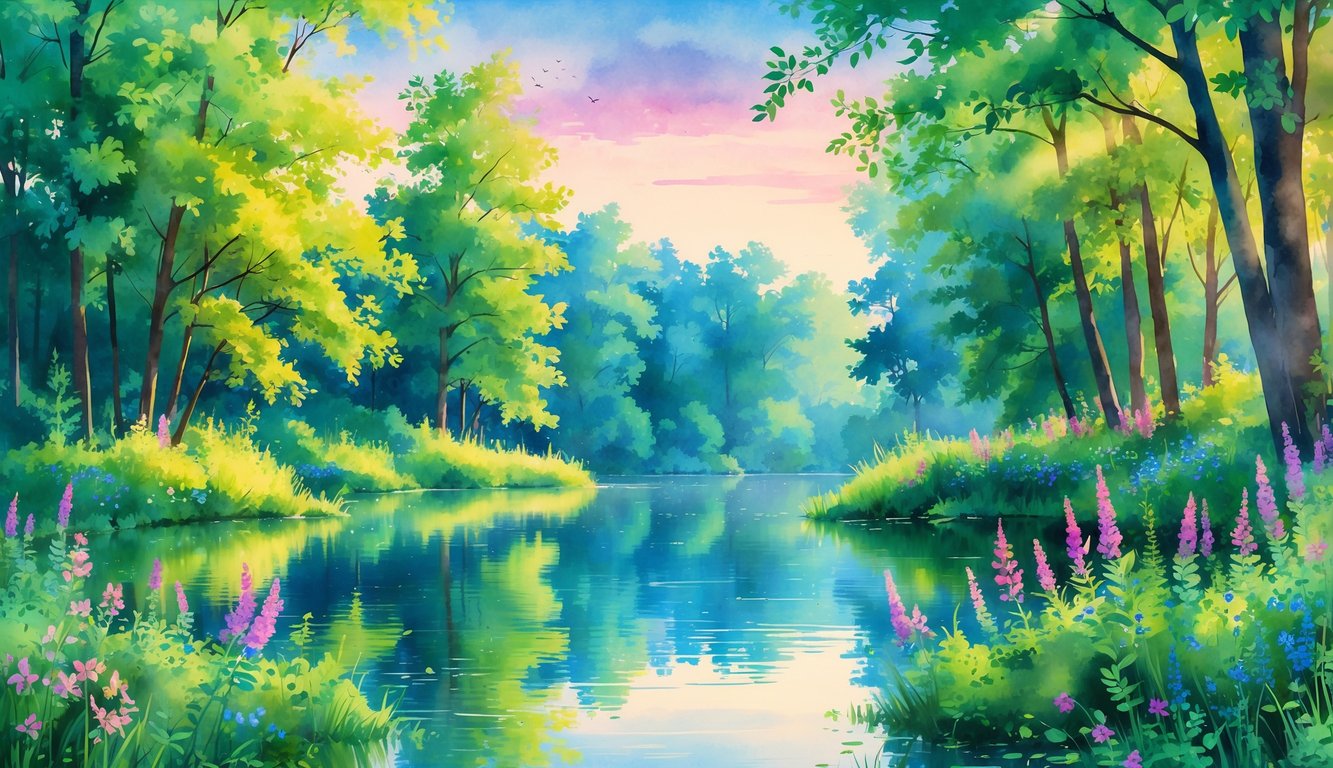
It's exciting to watch colors blend beautifully on paper, making each painting unique. You don’t need a lot of equipment to start; just some basic paints, brushes, and watercolor paper. This simplicity makes watercolor painting accessible and enjoyable for anyone looking to try something new.
As you continue exploring watercolor, you will develop your skills and find your unique style. There are many techniques to explore, from wet-on-wet to dry brushing. You can create stunning artwork that will impress both you and others. Discover more at LindeHobby, where you can find all the supplies you need to get started.
See our drawing and painting assortment here
Key Takeaways
- Watercolor painting is accessible to all levels of artists.
- Basic supplies like paints, brushes, and paper are all you need.
- LindeHobby has the materials to support your creative journey.
Getting Started with Watercolor Painting
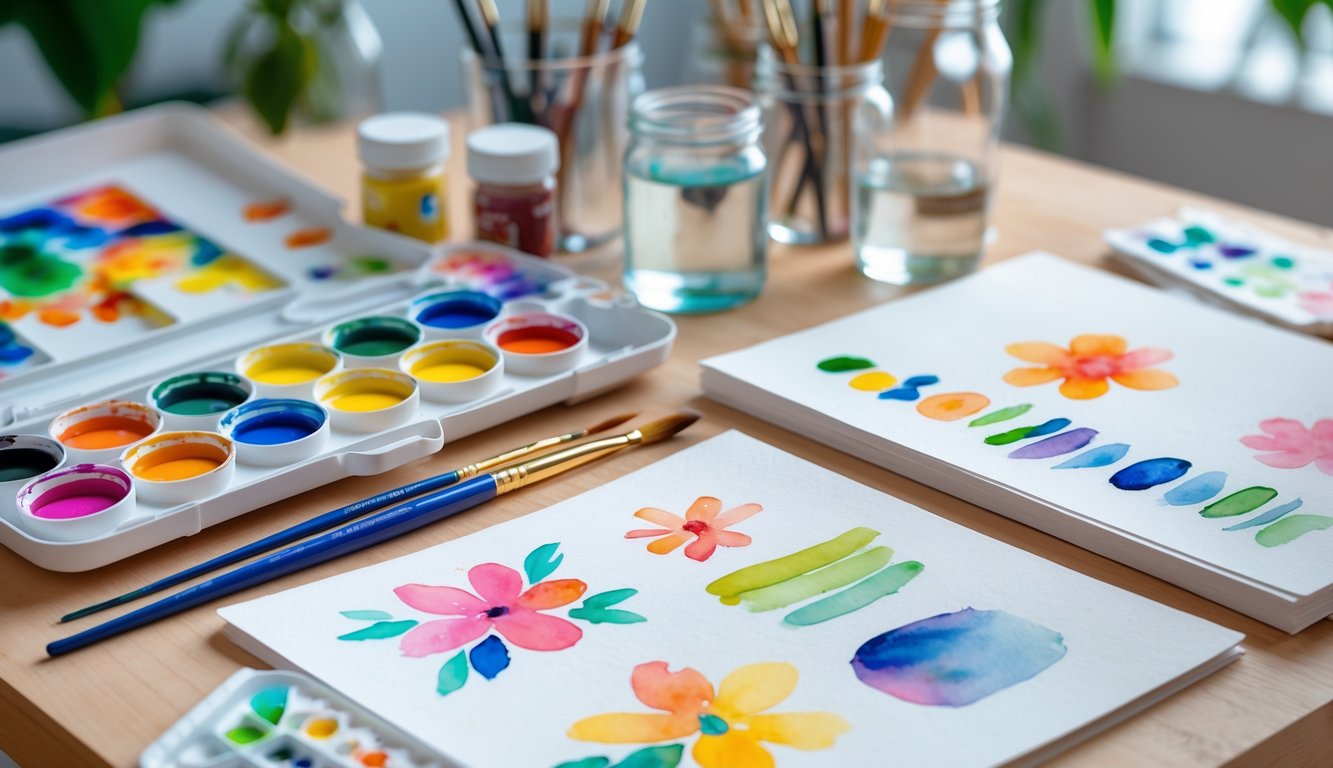
Embrace the soothing art of watercolor painting with the right supplies and setup. Creative spaces help flow the paint better than stressed spaces. Know your paints to get the best results. Here’s how you can start your watercolor journey.
Essential Supplies and Materials
Your watercolor adventure begins with the right tools. Invest in quality watercolor paper to ensure durability and the right texture. Brushes come in various sizes and types; a few versatile ones should be enough to start, like round and flat brushes.
A palette is crucial for mixing colors, so a basic plastic or ceramic one will do well. Pick a good set of watercolor paints with a range of colors. LindeHobby offers both starter and premium kits, catering to different preferences and budgets.
Don’t forget a jar of clean water and a cloth for blotting. These simple items are vital for a smooth painting experience. If you're on a budget, begin with a basic starter kit and gradually add more materials.
Setting Up Your Creative Workspace
Setting up a workspace that inspires creativity and keeps you organized is key. Choose a well-lit area, preferably near a window with natural light. Ensure your workspace is flat and stable to prevent spills.
Keep your materials within easy reach, organizing them neatly to avoid clutter. Use small containers or compartments for organizing; this makes your painting sessions hassle-free.
Consider putting up inspiring artwork or nature imagery in your space. This can spark new ideas and enhance your creativity. A comfortable chair with good back support will make longer painting sessions more enjoyable, too.
Understanding Paints and Pigments
Understanding watercolor paints will improve your art. These paints are made from pigments mixed with a water-soluble binder. Beginner sets are a good start, but experienced artists might prefer to select individual colors.
Watercolor paints come in pans and tubes; pans are dry and activate with water, while tubes are creamier and often more vibrant. Experimenting with both types can help you decide which you prefer.
Different brands offer varying qualities and compositions. LindeHobby provides a broad array of choices, from student-grade to artist-grade. Trying out different pigments and techniques, like washes or gradients, can make your paintings more dynamic.
Watercolor Techniques and Methods
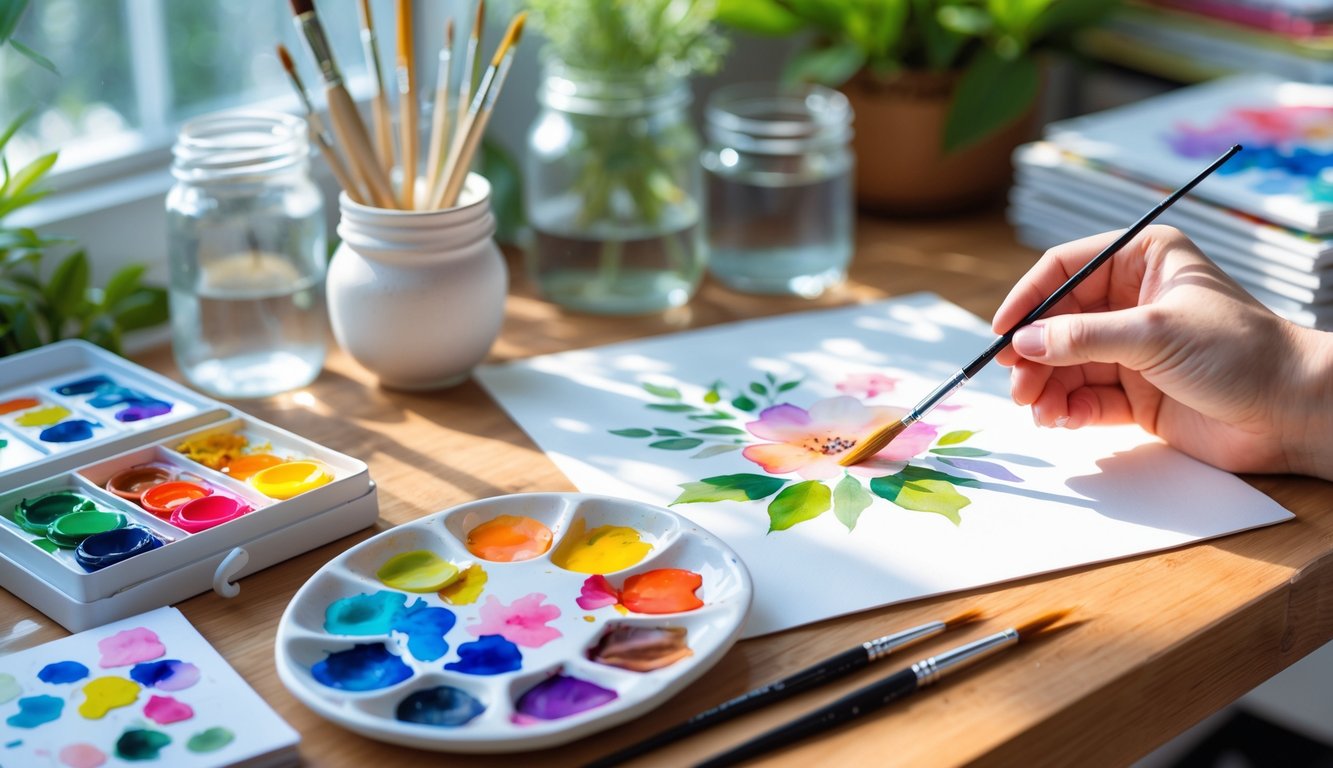
Watercolor painting offers a wide range of techniques to create stunning effects. From soft washes to detailed textures, you can achieve unique results using simple supplies. Whether you’re just starting or looking to refine your skills, this guide explores four key methods to elevate your watercolor paintings.
Wet-on-Wet Approach
The wet-on-wet technique involves applying wet paint onto a wet surface. This method is perfect for creating soft backgrounds, blending colors seamlessly, and developing interesting textures.
Begin by wetting your paper with clean water using a large brush. Then, drop in your chosen colors while the surface is still wet. Watch as the colors spread and merge to form dreamy washes and gradients.
Experiment with varying amounts of water to control how much the colors bleed into each other. Perfect for painting skies and water scenes, this approach gives your art a fluid, ethereal quality.
Tip: For best results, try using high-quality watercolor paper from LindeHobby. It holds water well and helps you manage the flow of paint effectively.
Wet-on-Dry Application
In contrast, the wet-on-dry application involves painting wet watercolor onto dry paper. This technique provides more control, allowing you to create sharper edges and detailed lines.
Use a dry sheet and apply your paint with precision. This method is ideal for highlighting details in landscapes, portraits, or any artwork requiring defined shapes.
To maintain crispness, ensure your brush has the right amount of water. Too much might cause unintended bleeding, while too little might make the paint appear chalky. This technique is a go-to for creating contrast and adding finer details to your work.
Suggestion: Shop at LindeHobby for affordable brush sets that help you achieve the detail and precision needed in this method.
Layering and Glazing
Layering and glazing involve building up colors with transparent layers to create depth and dimension. Start with a light wash, let it dry completely, and then apply another thin layer.
This gradual technique helps you achieve a realistic look, perfect for objects with subtle shadowing or complex hues. It’s a method best suited for patient artists willing to create a rich, nuanced piece over time.
The key is patience—letting each layer dry completely prevents colors from muddying. The result is a luminous, vibrant painting with beautifully built-up colors.
Want to try layering? LindeHobby offers a range of watercolor paints in vibrant shades perfect for this technique.
Creating Textures and Effects
Creating textures involves using tools and materials to bring unique effects into your paintings. Salt, sponges, and toothbrushes are popular choices.
To use salt, sprinkle it over wet paint, and watch as it absorbs, leaving a textured pattern. Sponges can mimic foliage and rocks, while toothbrushes can scatter pigment for a speckled effect.
These techniques add interest and dimension, making your artwork stand out. Each material creates a distinct look, encouraging experimentation.
Feel free to shop for a variety of tools at LindeHobby that can be used to explore these creative texturing methods. Invite excitement into your artwork, and discover new possibilities with these fun techniques.
Developing Your Watercolor Skills
Diving into watercolor painting offers endless possibilities to express your creativity. Key aspects like planning your composition, picking the right colors, and mastering lighting can elevate your work.
Planning and Composing Your Painting
Start with a simple sketch to outline the main elements of your work. Think about the focal point. This is where you want to grab the viewer's attention. Use guiding lines to arrange objects, ensuring balance and harmony.
Pay attention to space. Decide if your painting will be busy with detail or lean towards minimalism. Try using the rule of thirds for a well-balanced composition. This technique involves dividing your canvas into thirds horizontally and vertically, placing key elements along these lines.
Choosing Harmonious Color Palettes
Selecting colors that work well together is crucial. Begin with primary colors—red, blue, and yellow. From these, you can mix a broad range of other colors.
Experiment with a small color chart to see how different shades look when mixed. Aim for a cohesive palette by choosing one dominant hue and supporting it with 2-3 secondary colors. This not only saves time but also ensures consistent themes across your paintings. Get affordable watercolor sets at LindeHobby, where you can explore a variety of options to suit your style.
Mastering Light and Shadow
Adding light and shadow creates depth and realism in your paintings. Observe how light falls on objects around you, or refer to photos to see where shadows naturally occur.
Focus on where you want the light source to be. Shadows are typically darker when closer to the object and lighter as they stretch away. Practice layering washes lightly, building the intensity gradually. With LindeHobby’s quality watercolor paper and paints, you can explore techniques like wet-on-wet to achieve smooth transitions.
Creating striking watercolor art requires practice. With each piece, you'll grow more confident in your skill and technique. Explore our collection at LindeHobby to find the perfect tools to craft your masterpiece. Happy painting!
Caring for Your Artwork and Evolving as an Artist
Watercolor paintings are delicate and require careful handling and display. By following simple steps, you can protect your pieces and address common challenges. Your growth as an artist also depends on staying inspired and continuously developing your style.
Protecting and Displaying Watercolor Paintings
Using quality materials helps keep your paintings safe. Choose acid-free paper and non-yellowing, glass frames. These materials protect against fading over time. UV-resistant glass is a good choice since it blocks harmful sunlight.
Mat boards prevent the paint from sticking to the glass. Frame your painting with at least an inch of mat board around the art. Display paintings away from direct sunlight and damp areas. This helps them stay vibrant and undamaged.
Tip: Avoid hanging paintings in humid places, like bathrooms. Instead, choose cool and dry rooms.
Overcoming Common Challenges
Common problems include uneven washes and color bleeding. To handle these, practice on scrap paper first. Testing colors helps you understand their flow. Control water use by dabbing excess with a paper towel.
If colors mix unexpectedly, let them dry before adding more. Invest in high-quality brushes for better precision. Thin layers of paint allow for more control. Mistakes can be fixed by lifting paint with a clean, damp brush.
Pro Tip: Rinse your brush frequently and change water often to keep colors crisp.
Finding Inspiration and Growing Your Style
Exploring different subjects and techniques expands your skills. Visit art galleries or take nature walks to find inspiration. Experimenting with varied color palettes refreshes your work.
Join a community of artists online or locally. Sharing ideas helps you grow and learn new styles. Engaging with others provides constructive feedback. Keep a journal for sketches and notes on techniques you want to try.
Action Step: Browse watercolor supplies at LindeHobby to start experimenting today. This helps you find the right tools for your artistic journey.
Grow as an artist while protecting your cherished works. Begin today by visiting LindeHobby's selection.

