

Watercolor Tutorials for Beginners: Discover Your Creative Passion with LindeHobby
Exploring the world of watercolor can be an exciting journey. This type of painting allows you to express creativity with a bit of fluidity and grace. By learning a few basic techniques, you'll gain the confidence to create beautiful artworks. Watercolor painting is an accessible and fulfilling hobby, perfect for unwinding after a busy day.
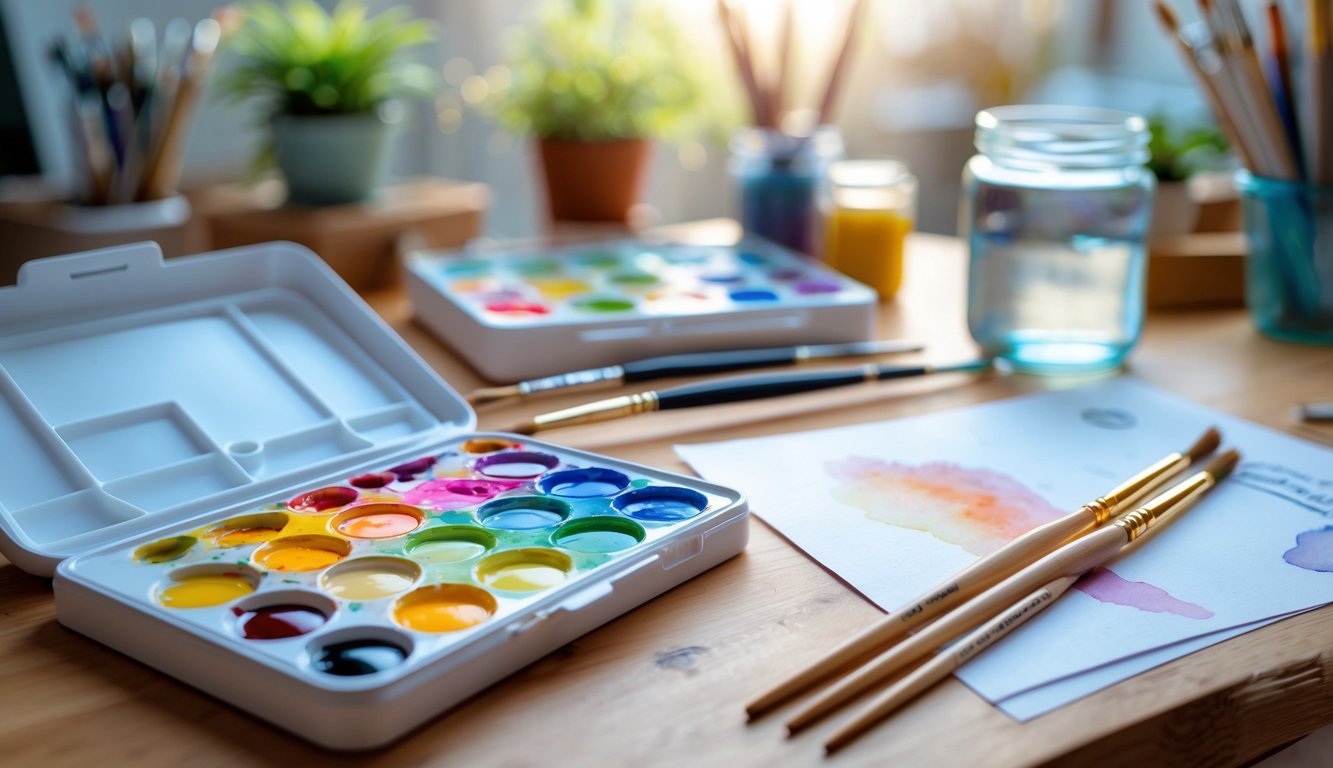
You don't need much to get started—just some simple supplies like brushes, paint, and paper. As you begin your watercolor path, you will discover various methods to mix colors and apply delicate brush strokes. These techniques provide a foundation to explore your own style and artistic vision.
Whether you're a beginner ready to dive into new projects or just looking to enhance your skills, there are plenty of step-by-step guides available to help. Each project offers something new to learn and inspire you on your watercolor journey. If you're interested in trying this soothing and creative craft, explore a wide selection of art supplies available at LindeHobby and start creating your masterpieces today.
See our drawing and painting assortment here
Key Takeaways
- Learn essential watercolor techniques for a creative journey.
- Discover accessible supplies perfect for beginners.
- Explore guided projects to improve your skills.
Essential Watercolor Supplies
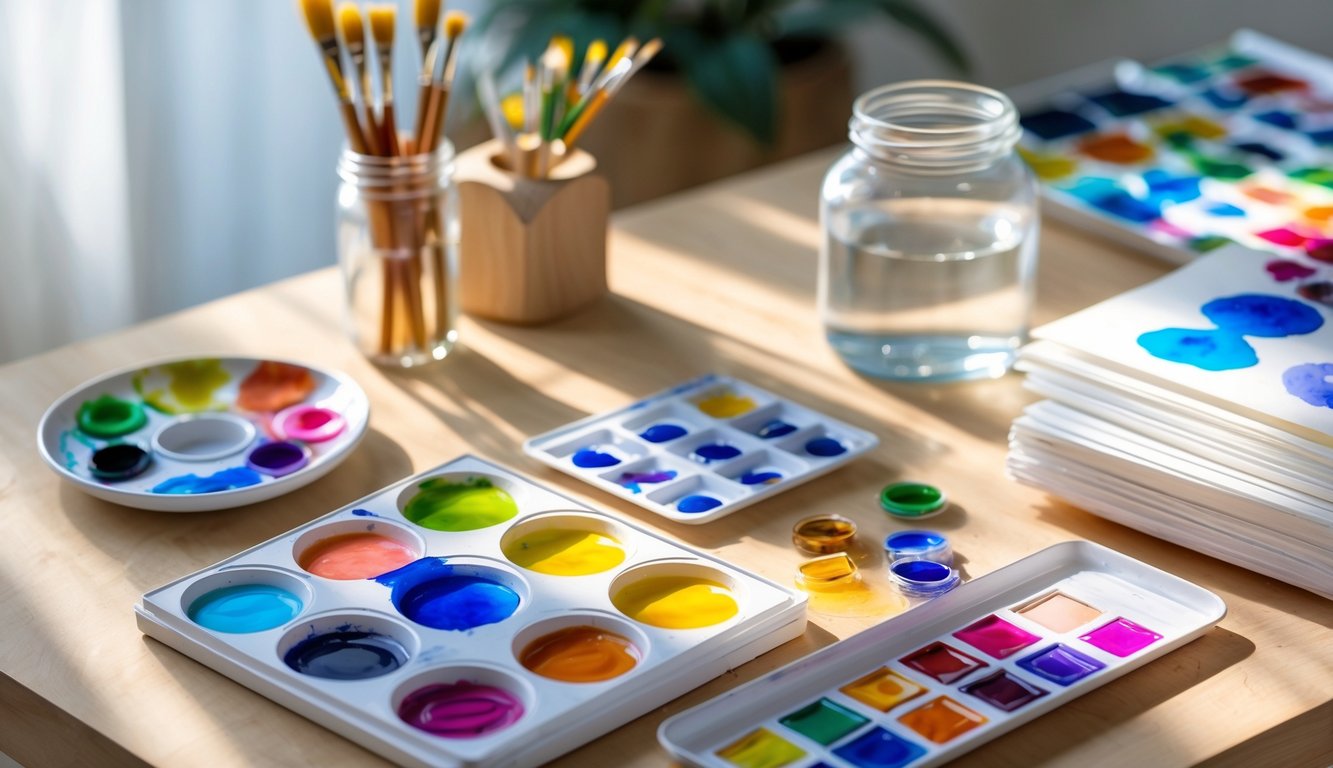
Starting out with watercolor painting can be both exciting and overwhelming. To help you get off on the right foot, this guide covers the key supplies you'll need from sturdy paper and versatile brushes to vibrant paints. Each element plays a crucial role in the success and enjoyment of this art form.
Choosing the Right Paper
Finding the right paper is vital for watercolor painting. Look for acid-free, cold-pressed paper. It absorbs water well and prevents the colors from bleeding. A good thickness is 140 lb (300 gsm), as it's sturdy enough to handle washes without warping.
Consider purchasing loose sheets or pads, available in various sizes. Opt for smaller pads if you're just starting out. Economical brands provide decent quality, especially when practicing. As you progress, explore higher-end options for more finesse in your work.
Types of Brushes for Beginners
Selecting the right brushes is essential for executing different techniques. Begin with a few core brushes like a round brush (size 6 or 8) for detail and washes, and a flat brush for broader strokes and edges. These options cover most beginner needs.
Synthetic brushes are affordable and work well for starters. They're durable and easy to clean. As you grow more confident, you might explore sable or other natural hair brushes, which provide different textures and responses to paint.
Understanding Watercolor Paints
Watercolor paints come in tubes or pans, each offering a unique experience. Tubes provide rich, creamy pigments ideal for bold applications. Pans are compact and easy to use, perfect for quick projects or travel.
Start with a basic set of 12 colors. Brands vary widely in quality and price, so choose what fits your budget. LindeHobby offers affordable options for beginners and premium selections for experienced artists. Mixing colors expands your palette without extra expense.
By selecting essential watercolor supplies, you set the foundation for delightful painting experiences. Enjoy creativity at your fingertips, and remember that LindeHobby is here to supply all your artistic needs.
Foundational Watercolor Techniques
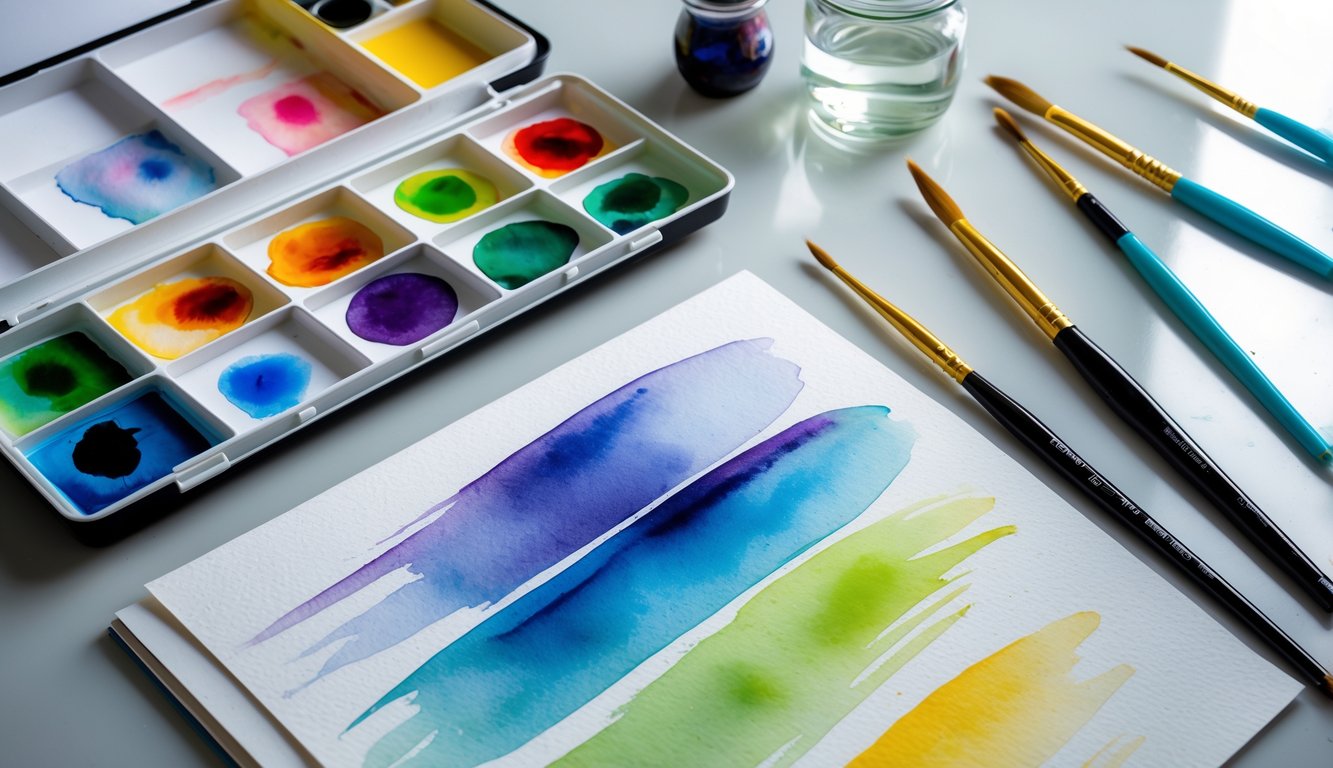
Mastering watercolor basics is essential for creating beautiful artwork. You’ll explore important methods like wet-on-wet and wet-on-dry techniques, learn about brush strokes, and discover how to mix and blend colors effectively. This guide will help you lay a strong foundation in watercolor painting.
Wet-on-Wet and Wet-on-Dry Methods
Wet-on-Wet Technique: Start by moistening your paper with clean water. Once wet, apply watercolor paint. The colors spread and blend beautifully, creating soft edges. This technique is excellent for skies or backgrounds. Control how much water you use. Too much, and your colors might spread uncontrollably; too little, and they might not blend smoothly.
Wet-on-Dry Technique: This involves applying wet paint onto dry paper. It gives you sharp and defined edges. Use this method for painting detailed objects, like trees or buildings. Unlike wet-on-wet, you have more control, so it’s easier for creating shapes. Try experimenting with both techniques to see how they transform your art!
Basic Brush Strokes
Brush strokes can make a big difference in your painting. Beginners can start with a round brush. It’s versatile for lines and washes. Experiment by making thin lines with the tip and broader strokes with the side. You can create leaves, stems, and more.
The flat brush is great for wide strokes and filling in areas. Practice your horizontal and vertical strokes to help with things like painting fences or grass.
Mix it up with other brushes as you become more confident. Practicing different strokes will improve your control and style. Always remember: practice makes perfect!
Color Mixing and Blending
Color mixing can be quite rewarding in watercolor painting. Using a palette, start with primary colors: red, yellow, and blue. Mix these to create secondary colors. For example, red and blue makes purple. Experiment by creating your own unique shades.
Blending is also essential. To blend colors smoothly, apply one color on the paper, then slowly add another color beside it. With a wet brush, blend where the two colors meet.
This method creates beautiful transitions and is great for painting sunsets or landscapes. Over time, you'll develop a keen sense for color that can add depth to your artwork.
Creating Simple Washes
Flat Wash: Wet your paper evenly and choose one color. Start from the top, painting across in even strokes. This method is ideal for backgrounds.
Graded Wash: Start with a darker shade at the top. As you paint, dip your brush in clean water to lighten the color while working your way down. This technique is perfect for skies or creating perspective.
Variegated Wash: Use two colors and let them merge naturally on the paper. Make sure they’re similar in tone to avoid harsh contrasts.
Washes create the backdrop of your paintings, setting a mood or scene. With simple practice, you'll enhance your watercolor skills remarkably. Remember, you can find quality brushes and watercolors at LindeHobby, perfect for every level and budget.
Step-by-Step Watercolor Projects
Dive into the world of watercolor with simple projects. Explore painting florals, landscapes, and still life compositions to boost your skills. These easy projects allow you to experiment with colors and techniques, helping you grow as an artist.
Painting Simple Florals
Start with something charming like a basic flower. Choose a flower, like a daisy or a tulip, and gather your watercolors, brushes, and paper. Begin by sketching the flower with a light pencil.
Use a small brush to paint the petals with light washes of color. Experiment with blending different shades to capture the delicate nature of the flower. Don’t forget the leaves and stem. Keep it simple.
Materials You'll Need:
- Watercolor set
- Brushes
- Watercolor paper
For added depth, try layering colors once the first layer dries. You can also add details using a fine-tip brush. Feel free to create a bouquet once you feel confident with a single flower.
Easy Landscapes for Practice
Landscapes are great for honing your watercolor skills. Consider starting with a peaceful scene like a sunset over a hill. Sketch the outline of the horizon lightly.
Use broad strokes to wash the sky in soft pinks and oranges. Create a gradient effect by blending colors. Use a smaller brush to paint hills or trees.
Materials You'll Need:
- Watercolor paper
- Brushes of varying sizes
- A palette for mixing colors
To add interest, try painting reflections in water or adding clouds. Practice layering trees in the background to add depth. Once confident, create a small series of landscape paintings to improve your technique.
Basic Still Life Compositions
Begin with simple objects like a fruit or vase. Arrange them in a way that feels natural to you. Sketch lightly so lines don't show through your painting.
Choose a color palette before starting. Use thin layers of paint to map out basic shapes. Add shadow by darkening areas where the light doesn’t hit.
Materials You'll Need:
- Watercolor paints
- Various brushes
- Watercolor paper
Try adding texture by using more water or dry brushing technique. Focus on observing the light and shading to create a realistic effect. Consider exploring more complex compositions as you get better.
Boost your creativity and discover the joy of painting with watercolors. Explore our variety of watercolor kits at LindeHobby to start your projects today!
Tips for Improving Watercolor Skills
Mastering watercolor painting can be both exciting and challenging. Focus on avoiding common mistakes, finding your unique style, and practicing exercises designed to boost your skills. This guide will help you with these important aspects.
Common Mistakes and How to Avoid Them
Beginners often struggle with watercolor, making mistakes like using too much water or not enough. Balancing water and paint is key. Too much water can lead to unwanted blending, while too little can prevent the smooth flow of colors.
Invest in quality brushes and paper. Low-quality tools can lead to uneven textures and frustration. Opt for LindeHobby supplies for a variety of options fitting every budget. Stretch your paper before painting to prevent warping.
Another common mistake is overworking a piece. Avoid this by being deliberate with each brushstroke. Instead, let layers dry before adding more and embrace the transparency.
Developing Your Unique Style
Your style is your artistic fingerprint. Experiment with different techniques like layering and wet-on-wet painting. These methods help you discover what feels natural.
Make a habit of exploring colors and how they interact. Try mixing colors directly on the paper for surprising results. Use a limited palette to challenge yourself creatively.
Find inspiration by studying other artists, but remember the importance of personal expression. LindeHobby offers tools that let you explore these areas without breaking the bank.
Recommended Practice Exercises
Regular practice is essential. Perform exercises that target particular techniques, like color washes and brush control. Try painting simple objects, such as leaves or flowers, focusing on detail and color blending.
Use repetition as a tool for improvement. Paint the same scene multiple times, adjusting colors and techniques. This helps refine your skills and builds confidence.
Join a community of watercolor enthusiasts. Take part in challenges or share your work online for feedback. At LindeHobby, you'll find everything you need to grow, from beginner kits to premium supplies. Embrace your journey and develop your skills one brushstroke at a time.

