

What Crochet Stitch Uses the Least Yarn: Tips from LindeHobby Experts
Crocheting is a fun and relaxing hobby that lets you create beautiful pieces with just a hook and some yarn. If you love creating while keeping your yarn budget in check, you might be wondering which crochet stitch uses the least yarn. The single crochet stitch is one of the most yarn-efficient stitches you can use. This stitch helps you make the most out of each skein, letting you create more with less.
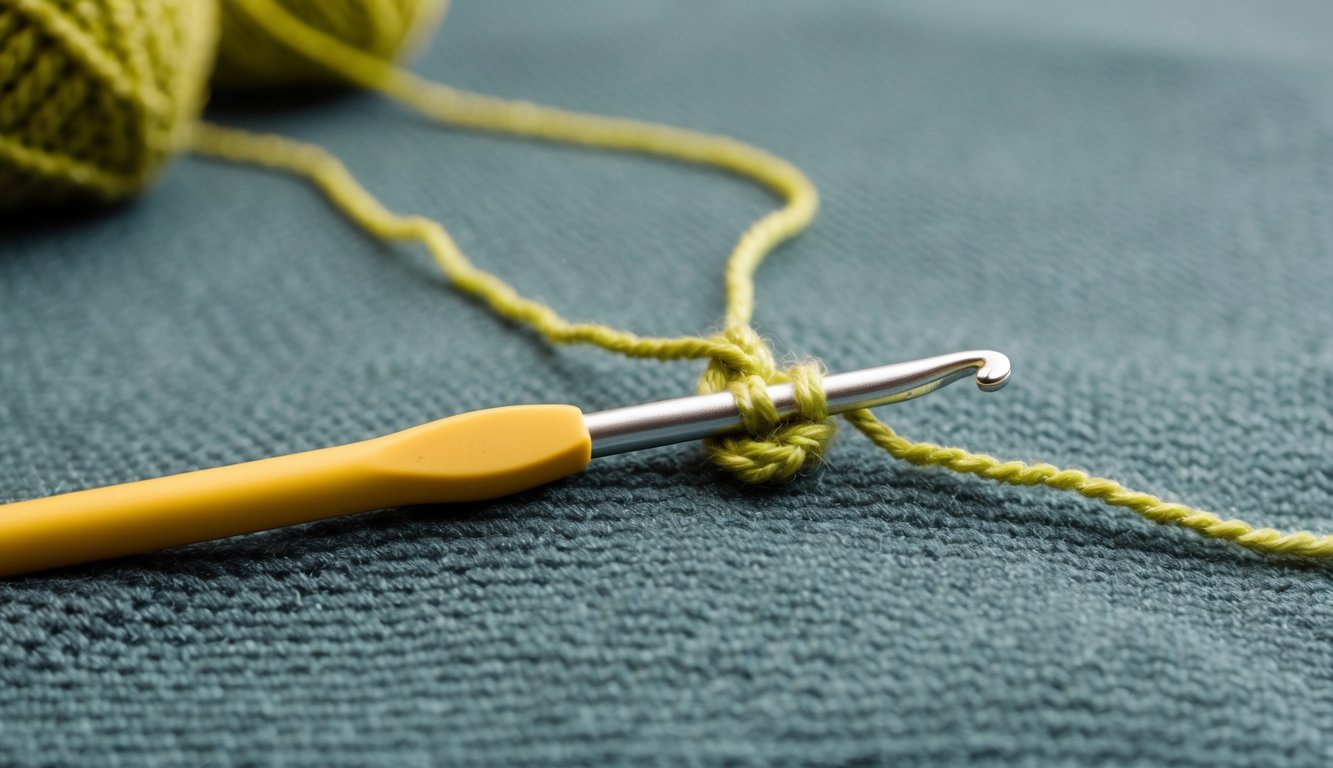
Choosing the right stitch isn't just about saving yarn but also about making pieces that fit your style. The single crochet stitch provides a dense texture, perfect for cozy blankets and warm wearables. This simplicity makes it a favorite for both beginners and pros, allowing you to achieve beautiful projects without overcomplicating your process.
Whether you're crafting for practicality or fun, learning to conserve yarn can open up more possibilities for your creativity. By using simple techniques and a bit of planning, you can keep making wonderful crochet items without worrying about running out of yarn. Get started on your next project, and remember, LindeHobby has everything you need to dive in.
See all our crochet patterns here
Key Takeaways
- Single crochet stitch uses the least yarn.
- Choose yarn-efficient techniques to make your projects last.
- Get supplies at LindeHobby to start crafting today.
Understanding Yarn Usage in Crochet
When crocheting, different stitches and materials can change how much yarn you need. Simple stitches often use less, while bulky yarn and big hooks can change usage amounts. Choosing the right combination helps make your projects efficient and enjoyable.
How Crochet Stitches Influence Yarn Consumption
Every crochet stitch impacts yarn use differently. Single crochet (sc) stitches are tight and compact, requiring more yarn. Double crochet (dc) stitches are taller and use less yarn compared to their height. Exploring stitches like the half-double crochet (hdc) or the treble crochet can reveal varying yarn needs.
If conserving yarn matters, consider using treble crochet or even chain stitches, which are airy and use the least amount of yarn. Practicing with sample swatches can help you see exactly how different stitches affect yarn consumption.
The Role of Yarn Weight and Hook Size
Yarn weight and hook size play significant roles. Bulky yarn paired with a large hook covers space quickly but may use more yarn, while fingering yarn and a smaller hook might require less due to tighter stitches.
Choosing the right yarn and hook depends on your project and preferred stitch pattern. For lightweight projects, experiment with lighter yarn and an appropriate hook size. Swatches are useful for testing usage, while keeping an eye on drape and feel.
To achieve the best results, start with a project plan. Your choice can vary from economical acrylics for small budgets to luxurious fibers for special pieces. Visit LindeHobby for a variety of options to start your next crochet masterpiece!
The Crochet Stitch That Uses the Least Yarn
Using less yarn in your crochet projects can save money and materials. Choosing the right stitch can help, particularly for large projects like blankets or shawls. Here, you'll learn about some efficient stitches, why they work, and how they compare to others.
Identifying the Most Efficient Stitch
If you're looking to use the least yarn, the slip stitch is one of the best choices. This stitch is small and tight, making it economical. Its compact nature results in less yarn usage compared to other stitches. It's great for creating a dense fabric without consuming a lot of yarn. It's ideal for items like pillow covers or light shawls, giving you a smooth and polished finish while saving resources.
Why Certain Stitches Save More Yarn
Certain stitches save yarn by being compact and tight. The structure of the slip stitch, for example, uses very little yarn because it doesn't have extra loops or yarn-overs. This efficiency makes these stitches perfect for lightweight projects where you want to conserve yarn. Plus, if you are working with premium materials, using a stitch that requires less yarn can be cost-effective, allowing you to invest in higher-quality yarn without overspending.
Comparing Common Crochet Stitches
Here's a quick comparison to see how much yarn different stitches might use:
- Slip Stitch: Most efficient, low yarn usage.
- Single Crochet: Slightly more than a slip stitch but still economical.
- Double Crochet: Uses considerably more yarn.
- Treble Crochet: Higher yarn consumption, better for lacy patterns.
For beginners, it's helpful to experiment with different stitches to see their yarn usage firsthand. As you practice, you'll notice how the density and size of each stitch influence the amount of yarn needed. The slip stitch is a fantastic starting point for practicing thriftier crafting. Remember, at LindeHobby, you can find a variety of quality yarns and hooks to explore these stitches. Whether you're a beginner or an expert, there's always something new to create. Explore our range to get started on your next efficient and beautiful project!
Practical Tips for Conserving Yarn
Conserving yarn is essential for budget-conscious crafters and those who value sustainability. You can save yarn by wisely choosing patterns and making small adjustments in tension and gauge.
Choosing Patterns That Minimize Yarn Usage
Start by selecting patterns that naturally use less yarn. Openwork patterns or those with lots of gaps are excellent options. These designs usually require less material, making them both lightweight and budget-friendly.
Simple stitch patterns like single crochet or double crochet may also help conserve yarn since they don't involve looping the yarn multiple times as some complex stitches do.
When browsing LindeHobby's wide selection of patterns, look for those labeled as yarn-efficient. This can guide you to projects specially designed to maximize your materials.
Moreover, consider projects that use unexpected materials along with yarn, like ribbons or fabric strips, to add texture without using much extra yarn. Creativity is key, and mixing materials can open up a world of possibilities.
Adjusting Tension and Gauge for Efficiency
Playing around with tension and gauge can lead to big savings in yarn. Loosen your tension slightly when crocheting. This makes stitches larger and reduces yarn consumption. Just remember, a looser gauge can change the size of the finished piece, so adjustments are needed for fitting.
Test your tension with a swatch before beginning. Measure carefully to understand how altered tension affects your yarn usage. By practicing, you can achieve efficient use of materials without sacrificing quality.
It’s also important to use the right hook size. Sometimes, a smaller hook will use more yarn because it creates tighter stitches. Start your next project with the right hook from your LindeHobby toolkit to make every inch of yarn count.

