

What Does SK Mean in Crochet: A Guide for Passionate Hobbyists
The term "sk" in crochet can seem puzzling at first, especially to new crafters. It stands for "skip," a common instruction found in patterns. This simple abbreviation can unlock creativity and offer new opportunities in your projects.
Exploring the world of crochet abbreviations can enhance your skills and bring various patterns to life. Understanding these terms allows you to follow designs more easily, making your craft time less stressful and more enjoyable. With just a few basic tools and some yarn, you can create beautiful pieces.
As you learn to read and implement "sk" in patterns, you open up to new styles and techniques. There is a world of creativity waiting, and having the right materials is key. LindeHobby offers a broad range of supplies to help you bring your crochet ideas to life.
Key Takeaways
- "Sk" means "skip" in crochet patterns.
- Mastering crochet abbreviations enhances crafting skills.
- LindeHobby provides the supplies you need for crochet projects.
Understanding Crochet Abbreviations
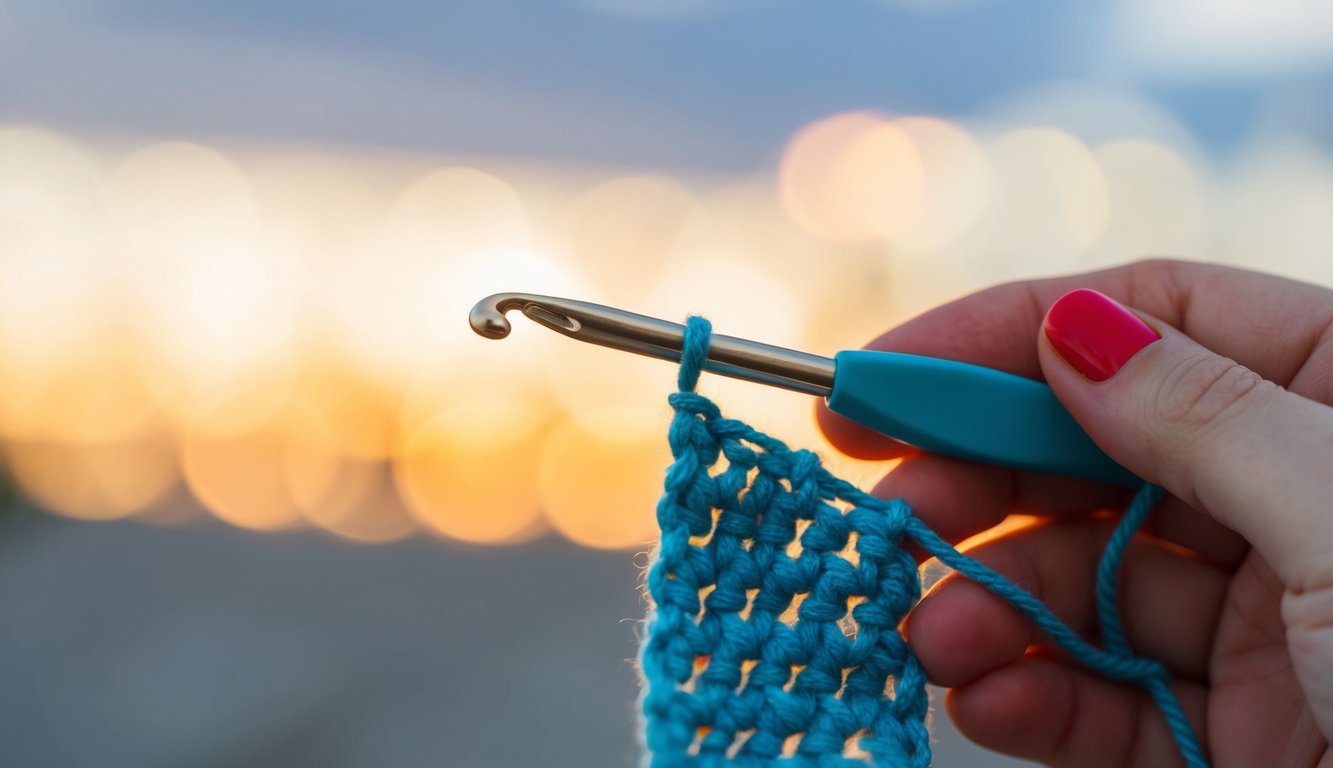
Crochet abbreviations simplify patterns and keep them concise. These shortcuts help you follow instructions and create projects efficiently. This guide will explain essential crochet terms and demonstrate the role of abbreviations in patterns.
Essential Crochet Terminology
Crocheting involves using many specific terms. Important ones include ch for chain, dc for double crochet, and sc for single crochet. Knowing these abbreviations helps you read and understand crochet patterns more easily.
Here's a small table with common terms:
| Abbreviation | Meaning |
|---|---|
| sk | Skip |
| st(s) | Stitch(es) |
| tr | Treble Crochet |
When you see sk in a pattern, it tells you to skip a stitch. Recognizing these terms can help you crochet with confidence. Patterns often use shorthand for clarity, making it easier to follow designs.
The Function of Abbreviations in Crochet Patterns
Abbreviations save space and keep patterns clear and consistent. They allow designers to include detailed instructions without making them too long. This makes it easier to keep track of complex projects, like sweaters or blankets.
Knowing abbreviations can also help you adjust patterns. You might want to make a scarf longer or a hat smaller. Understanding the shorthand helps you to do that easily.
With LindeHobby, you can find a variety of kits and supplies to try out different patterns. Whether you're a beginner or experienced, there's something for everyone. Explore new stitches, and transform your materials into beautiful creations.
Decoding 'SK' in Crochet
If you're looking to understand patterns in crochet, you might have come across the term 'SK'. It stands for skip and tells you to pass over certain stitches. This simple action can transform your crochet project, creating unique textures and shapes. It's an essential technique for both beginners and seasoned crocheters.
How to 'Skip' Stitches
The skip instruction is crucial when you follow crochet patterns. You simply don't work into the stitch you're instructed to skip. For example, if a pattern says "SK next stitch, SC in next," you don't crochet in the first specified stitch. Instead, you move on to the next one and continue with a single crochet.
Skipping stitches can create gaps and airy patterns, perfect for projects like lace shawls or summer tops. When using advanced patterns, you might be asked to skip multiple stitches. Always check your stitch count as you go, helping ensure that your project maintains the right shape. If you make a mistake, don't worry. Simply unravel a few stitches and try again. With practice, skipping will feel as natural as any other stitch.
Common Uses of the 'SK' Instruction
The 'SK' instruction can be found in many crochet projects. It's often used to form spaces and patterns, giving depth to shawls, scarves, and home decor items. When you skip stitches, open designs and unique textures can emerge—elements that are visually appealing in clothes and accessories.
This technique is also used in creating lattice patterns or adding charm to a border. Quick projects like crocheted bookmarks often incorporate this method. This allows you to create beauty without needing complex stitches or giant time investments.
Whether crafting items for your home, wardrobe, or as gifts, the skip stitch adds variety and sophistication. By experimenting with this technique in different projects, your crochet creations can meet your vision effortlessly.
Implementing 'SK' in Crochet Patterns
The term 'SK' in crochet is short for "skip." Knowing how to read and use 'SK' can make following patterns smoother. This section will guide you through understanding and applying 'SK' successfully.
Reading Patterns with 'SK'
When you come across 'SK' in a crochet pattern, it means to skip a stitch. Pay attention! Skipping stitches can change the shape and size of your work, which is essential for achieving the right design. For example, in a pattern reading “ch 3, SK next st, dc in next st,” you would chain three, skip a stitch, and then double crochet in the next one. Sometimes, diagrams and symbols might represent 'SK', so be sure to check for a key or legend in your pattern. If you are uncertain, practice on a small swatch to see how skipping stitches affects your work. Being familiar with how 'SK' appears in various patterns helps you crochet more confidently and accurately.
Practical Tips for 'SK' Stitches
Use markers to keep track of skipped stitches. This can help prevent mistakes, especially in complex patterns. As you skip stitches, consider leaving a scrap piece of yarn looped loosely through each skipped stitch. This is a helpful visual cue, making it easier to count and organize your work. Skipped stitches can create openwork designs, perfect for lace patterns or light summer garments. Remember, the type of yarn you use can affect how easily you see skipped stitches—choose a yarn that matches your project's need for visibility or subtlety. Explore different yarns and hooks available through LindeHobby to find the perfect match for your budget and project needs. If you're a beginner, starting with a simple pattern can help build your confidence.

