

What is Picot in Crochet: Mastering Delightful Details with LindeHobby
Crochet is a wonderful craft that offers a great way to unwind and express your creativity. For many yarn lovers, discovering new stitches and techniques is part of the fun. One delightful and versatile crochet stitch you might come across is the picot. Picot in crochet is a small loop created on the edge of your work, adding a touch of texture and elegance to your projects.
Learning how to crochet a picot stitch can open up many creative possibilities. It's a simple way to decorate the edges of shawls, blankets, or even clothing. Whether you are adding a sweet touch to a baby blanket or finishing a beautiful scarf, picot stitches bring a unique charm that makes your handmade items stand out.
Exploring different ways to use the picot stitch will keep your crocheting fresh and exciting. You'll find that this small addition can make a big difference in the look of your creations. Take some time to experiment and see how you can transform your projects with this little loop. Browse our wide selection of yarns and hooks to start your next project today!
See all our crochet patterns here
Key Takeaways
- Picot is a decorative loop stitch in crochet.
- It adds texture and elegance to crochet projects.
- Explore creative ways to incorporate picot in various projects.
Understanding the Picot in Crochet
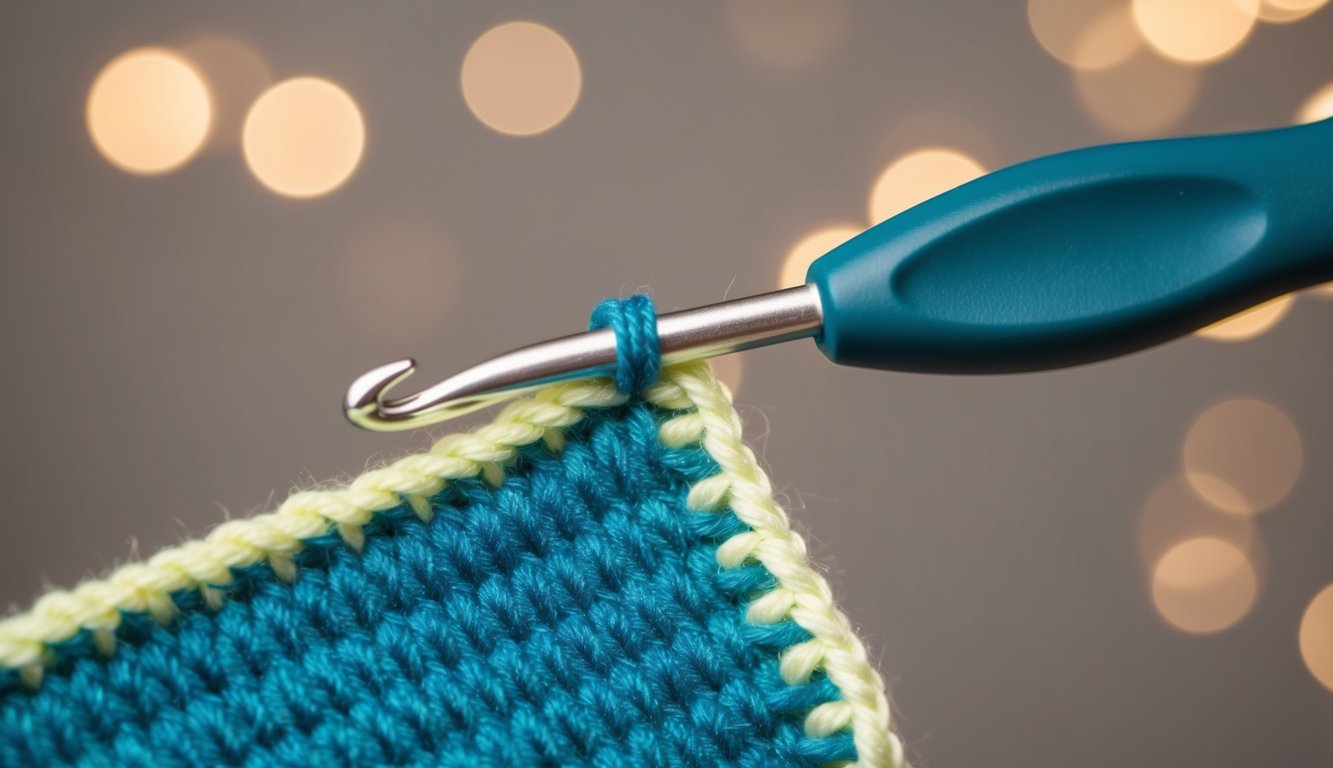
Discover everything you need to know about the picot stitch in crochet. This delightful detail can add elegant, decorative elements to your projects, offering a unique texture that sets your work apart. Learn how picot varies from other stitches and explore its historical roots.
Definition and Characteristics
The picot stitch is a small crochet loop with a delicate look. It involves creating a few chain stitches, then securing them back to the base with a slip stitch. This results in a neat loop or bump that adds flair to the edges of your crochet work.
Picots can be used in trims, borders, and even as part of more complex lace patterns. They are loved for their ability to bring a touch of elegance to blankets, doilies, and clothing. When crocheting picots, you'll often find them in repeats along an edge, turning simple designs into something special.
For beginners, it’s easy to practice this stitch by incorporating it into small projects like bookmarks or coasters. This gives you a chance to perfect the technique before moving on to larger pieces.
Picot vs. Other Crochet Stitches
While the picot stitch shares some similarities with basic chain and slip stitches, it’s distinct due to its decorative purpose. Unlike traditional single or double crochet stitches that build fabric texture, picot is primarily a finishing touch.
Picots are smaller in size compared to puff or popcorn stitches. They don’t add much bulk, making them ideal for gentle edging without overpowering other elements of your design.
Think of picots as the cherry on top of your crochet creation. They enhance the beauty of your work without changing the structure significantly. Perfecting your picot technique can open up new ways to experiment with designs in a subtle, charming way.
History and Origins of the Picot
The origins of the picot stitch can be traced back to the origins of lace-making, where it was used for intricate decorative details. Its name comes from the French word "pic" meaning "small point." This heritage emphasizes its long-standing role in adding embellishment.
During the 19th century, crocheting picots became popular as part of Victorian fashion. Delicate picots were added to collars, cuffs, and handkerchiefs, displaying careful craftsmanship.
Today, picots remain a favorite among crafters who seek to add vintage charm or ornate details to their projects. Whether you’re creating a classic lace scarf or a modern baby blanket, the picot stitch is a wonderful way to include a timeless decorative touch.
How to Crochet a Picot Stitch
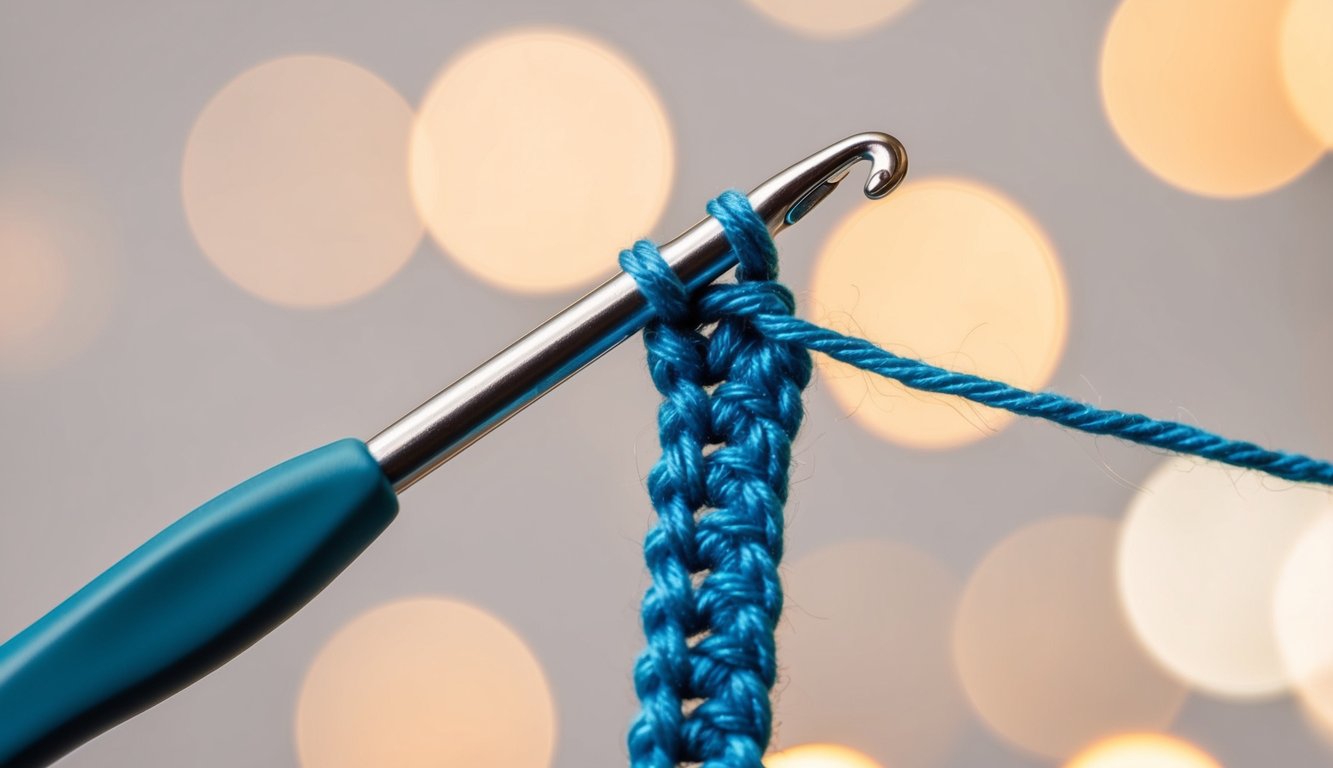
The picot stitch is a lovely detail that adds a decorative and textured finish to your crochet projects. You can use it on edgings, borders, or even within larger patterns.
Step-By-Step Instructions
-
Start with a Base: Begin by making a chain of three stitches from your starting point. This chain will form the base of your picot.
-
Slip Stitch: Insert your hook into the first chain stitch that you made. Yarn over, then pull through both loops on your hook. This creates the picot.
-
Continue Your Work: Resume your regular crochet pattern as needed. You’ve successfully added a picot stitch, which you can incorporate into your project wherever desired.
Using these simple steps, you can enhance your crochet pieces with the charming picot stitch. For beginners, practicing these steps a few times can help build your confidence.
Common Variations of the Picot Stitch
Double Picot: This variation includes two consecutive picot stitches. Follow the same steps as a regular picot, then repeat.
Long Picot: Make a longer chain of 5-6 stitches before completing your slip stitch. This creates an elongated effect perfect for more dramatic edges.
Closed Picot: Begin with the standard picot, but instead of slipping into the first chain stitch, connect to the middle of a previous stitch row. This results in a tighter, more robust picot.
These variations allow you to personalize your crochet designs. Trying different styles will give you unique textures, making your projects even more special.
Tips for Beginners
Start Small: Incorporate the picot in smaller projects to practice. Edging a coaster or a small doily can be a good way to begin.
Use Markers: If you’re adding picots in intricate designs, stitch markers can help you track where each picot begins and ends.
Choose the Right Yarn: Thicker yarn can make it easier to see your stitches. Try using bright-colored yarns for practice.
With these tips and a little practice, you’ll soon be adding flair and intricate details to your crochet work. You can find all the materials you need at LindeHobby, from a wide array of yarns to hooks that match every style and skill level.
Creative Uses for Picot in Crochet Projects
Picot stitches bring a touch of elegance and detail to crochet work. They're perfect for adding style to edgings and borders or giving accessories extra flair.
Decorative Edgings and Borders
Picot stitches are great for making edges stand out. They can be added to blankets, shawls, and dishcloths to create a beautiful border. A picot border gives a soft, scalloped finish that looks intricate yet simple to accomplish.
Materials you need: High-quality yarn and the right hook size can make a big difference in your project. Consider using colorful yarn from LindeHobby to make your edges pop.
Beginner Tip: Start by adding picots to small projects, like coasters or dishcloths, to practice before moving on to larger pieces.
Advanced Techniques: Play with different picot sizes or combine them with other stitches for unique textures. You might try alternating picot sizes or mixing in a picot chain for variety.
Embellishments on Accessories
Adding picots to hats, bags, or even scarves can give these pieces a custom look. Picots serve as decorative elements that turn simple items into eye-catching accessories. For example, a picot trim on a hat brim adds a fun flair.
Materials List: Use a range of yarn weights for accessories to achieve varying textures. LindeHobby's range offers something for every style and budget.
Budget-Friendly Suggestions: For a low-cost project, use leftover yarn to fashion picot embellishments. This is a great way to use materials you already have.
Inspiration: Experiment with contrasting colors for the picot and base yarn to make designs stand out. Advanced crafters might try beadwork with picots for extra sparkle.
Consider these creative ideas and explore the possibilities of picot stitches. Browse our wide selection of yarns and hooks at LindeHobby to get started on your next project today!
what-is-picot-in-crochet.html Viser what-is-picot-in-crochet.html.

