

Bullet Journal How To: Integrate It with Your Creative Hobby Journey
Bullet journaling is a wonderful way to organize your life creatively. Whether you're a busy student, a professional, or someone who simply loves staying organized, a bullet journal can help. A bullet journal is a flexible and customizable system that combines planning, tracking, and reflection in one notebook. It’s more than just making lists; it’s about crafting a tool that works for you and your unique lifestyle.
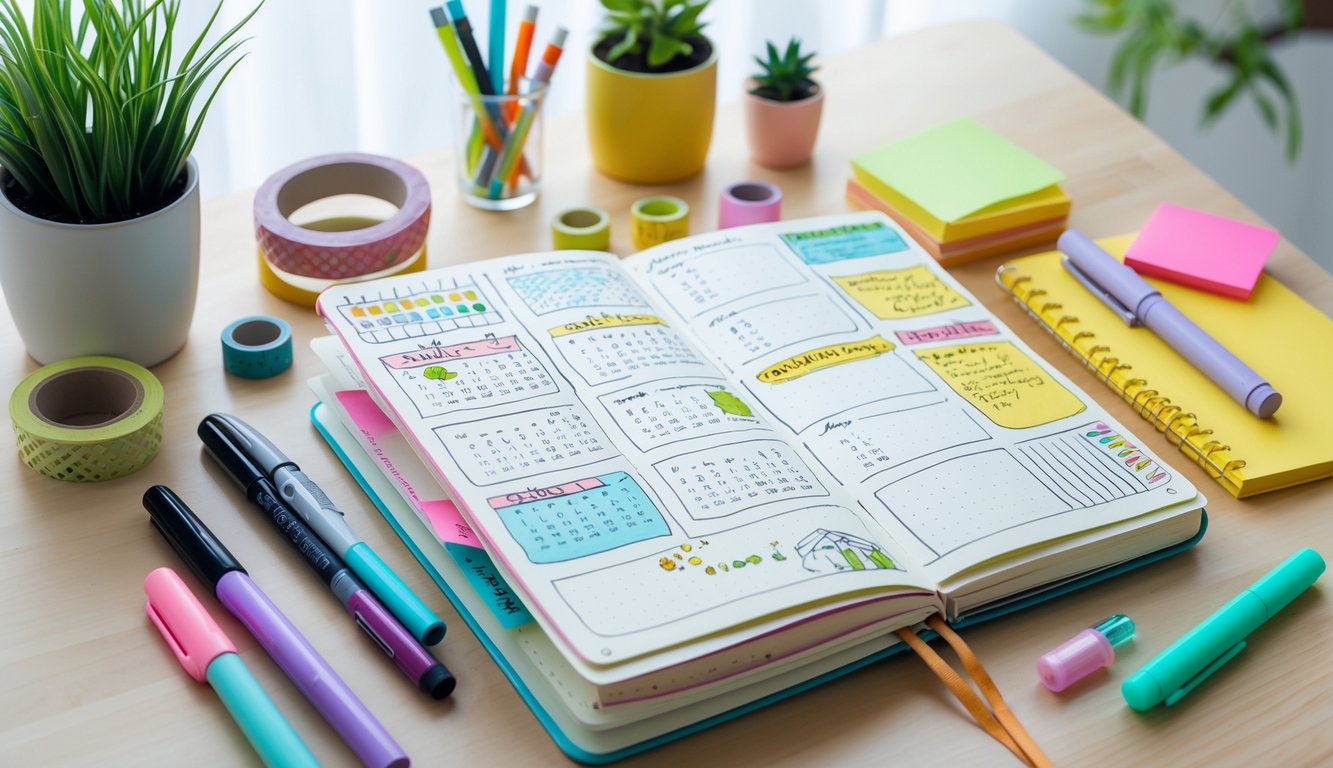
To start your own bullet journal, all you need is a blank notebook and a pen. From there, you can build simple layouts to track your tasks, goals, and dreams. The beauty of bullet journaling is in its simplicity and adaptability to fit your needs, making it easy for anyone to begin. You can be as minimal or as artistic as you wish, adding colors, doodles, and stickers.
Embrace the creativity that comes with bullet journaling, and let your personality shine through as you plan your days. Not only does it help keep your life organized, but it’s also a way to relax and express your creativity. Browse our wide selection of journals and materials to start your next project today!
Key Takeaways
- Bullet journals combine planning, tracking, and reflection.
- Start with a blank notebook and personalize it to fit your style.
- Bullet journaling offers relaxation and a creative outlet.
Getting Started With Bullet Journaling

Bullet journaling is a great way to organize your thoughts and tasks creatively. It involves a mix of planning, journaling, and doodling, letting you customize each page based on your needs. Here's how to get started, from gathering the right supplies to setting intentions for your first journal.
What You Need to Begin
Starting a bullet journal doesn't require a lot of tools. You'll need a notebook, a pen, and if you want, some colorful markers or stickers to personalize your pages.
-
Notebook: Choose a size and style that you'll enjoy using daily.
-
Pen: Opt for a smooth-writing pen; many find that gel pens or fineliners work well.
-
Extras: Consider adding washi tape or stamps for decoration.
Beginners can start with basic supplies, adding more as they develop their style.
Choosing the Right Journal
Picking the right journal is crucial. Whether you like lined, dotted, or blank pages depends on your style. Dotted journals are popular because they guide your designs while remaining invisible.
- Size: From compact, portable A6 to spacious A4 notebooks, select a size that fits your lifestyle.
- Quality: Choose a journal with thick paper to minimize ink bleed-through.
- Brand: LindeHobby offers various options suitable for every skill level.
Consider affordability and personal preference when making your choice.
Setting Your First Intentions
Setting intentions helps keep your bullet journal focused. Think about why you're starting a journal. Are you tracking habits, goals, or daily thoughts?
- Goals: Start with simple goals for daily or weekly logs.
- Themes: Decide on a theme to keep your journal visually appealing.
- Log Ideas: Write down sections you want, like to-do lists or a gratitude log.
Reflect on what matters most to you. This will shape how you use your bullet journal.
Now that you know how to start, you can explore a range of materials at LindeHobby to find everything you need. Browse our selection and begin your journaling journey today!
Key Concepts and Core Layouts
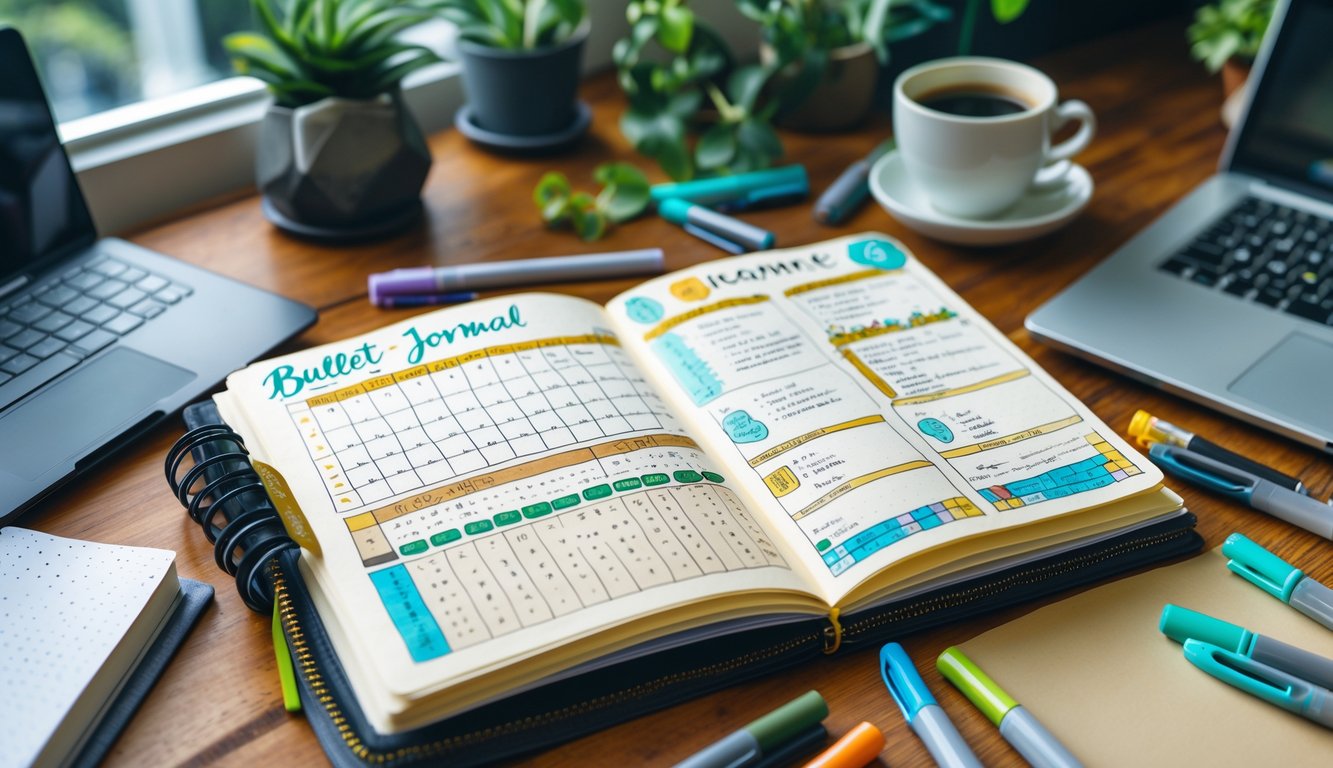
The bullet journal system is a flexible tool for organizing your thoughts, tasks, and goals. You can transform a simple notebook into a personalized planner. Key elements include an index, key pages, future, monthly, and daily logs, along with rapid logging techniques.
Understanding the Bullet Journal System
A bullet journal is a mix of a diary, to-do list, and notebook. You start with a blank notebook and customize it for your needs. It can track habits, plan your week, or just jot down ideas. The system relies on simplicity and creativity, allowing you to adjust its format over time to better suit your routine.
Using symbols and shorthand keeps entries clear and efficient. For example, use a dot for tasks, a dash for notes, and a circle for events. This method is quick to learn and lets you see your day at a glance.
Creating Index and Key Pages
At the start of your bullet journal, dedicate a few pages for the index. This section helps you quickly find important entries. As you make new pages, add them to the index with the page number for easy reference.
Next, create a key page. This page deciphers the symbols you use elsewhere in the journal. Standard symbols include squares for tasks, filled squares for completed tasks, and arrows for moved tasks. Tailor the key to fit your style.
Setting Up Future, Monthly, and Daily Logs
Future logs are longer-term calendars, capturing upcoming events and big deadlines. Break your future log into months, listing notable dates underneath. Some find it useful for tracking birthdays, vacations, or project deadlines.
Monthly logs give a more detailed view of the current month. On one page, list the days of the month and any events. On the opposite page, jot down monthly goals or tasks.
For daily logs, write the date and list out your to-dos, notes, and appointments for the day. This keeps you focused on short-term priorities.
Rapid Logging Techniques
Rapid logging is the heart of the bullet journal. It's a method to quickly capture information without spending too much time. Use short bullet points and clear symbols. The idea is to minimize clutter and keep your entries brief but meaningful.
To get started, date your page and begin listing. As you progress, use the key symbols to denote tasks, events, and notes. If you don't complete a task, use arrows to migrate it to another day.
The beauty of the bullet journal is its adaptability. While maintaining structure, it gives plenty of room for creativity. Adding doodles or highlighting sections can make it more personalized and inspiring.
Explore this system at your own pace. For supplies, consider LindeHobby, where you'll find notebooks and pens to craft your perfect journal.
Personalization and Creative Ideas
Personalizing your bullet journal makes it uniquely yours. Use these ideas to insert your goals, make collections, and bring colors and art into your pages, all while keeping organized and inspired.
Incorporating Goals and Trackers
Setting goals is key in a bullet journal. Break down large goals into smaller steps. For example, turn a goal like learning a new crochet stitch into weekly tasks. Track progress by creating visual trackers. A habit tracker could be a simple grid or use creative designs like a yarn ball, where each strand is a daily task completed.
Using habit trackers keeps motivation high. They offer a visual reminder of your daily tasks. You might track the number of rows you knit or how long you spend on a project. Incorporating specific trackers can help manage your crafting time better.
For resources, check LindeHobby's range of knitting journals and supplies. These tools can help you stay on track and meet your crafting goals.
Adding Collections and Lists
Collections offer a space for ideas and inspiration. Create themed lists, like patterns to try or materials needed. Write down patterns that catch your eye or list the supplies required for upcoming projects. This keeps everything in one place, making planning smooth.
Lists like "Gift Ideas" or "Completed Projects" help track your progress and spark new ideas. Record what yarns or colors you love to see how your style evolves over time.
For those starting, try beginner kits available at LindeHobby. They're perfect for adding structure to your collections while ensuring you have the right supplies. Organize collections by theme or project to easily find and revisit ideas.
Customization Through Art and Color
Bring your journal to life by adding art and color. Use markers and colored pencils to highlight key areas. Choose themes that match your personal style, like floral designs or seasonal colors. Decorating your journal makes planning enjoyable and visually appealing.
Consider adding doodles related to your hobby, like skeins of yarn or knitting patterns. These artistic touches make each page inviting. Even simple borders or frames can transform a plain page into a creative canvas.
For special touches, check out LindeHobby's art supplies. There you'll find a variety of art tools to enhance your journal with colors and designs that suit your taste and inspire your next crafting project.
Building Sustainable Bullet Journal Habits
Creating lasting habits with your bullet journal is key to making it a useful tool in your life. Start with regular journaling strategies and then monitor your progress by looking back at past pages to see how far you’ve come.
Consistent Journaling Practices
Establishing a routine helps keep your bullet journal habit strong. Choose a specific time each day to jot down entries, whether it’s in the morning with your coffee or at night before bed. Set reminders if needed, so you don’t forget. Using a habit tracker inside your journal can also keep you motivated.
Start simple to avoid being overwhelmed. A basic setup with daily notes and a simple to-do list is a great beginning. As you get more comfortable with journaling, you can add pages for specific hobbies, like tracking new knitting patterns or crochet ideas from LindeHobby. Remember, your journal should work for you and not add stress to your day.
Tracking Progress and Reflecting
Looking back at what you’ve accomplished in your bullet journal can be very rewarding. Dedicate a monthly review page where you can summarize your achievements. Talk about the projects you've started, like learning a new crochet technique or finishing a knitting project. Use simple charts or lists to evaluate what went well and where you might improve.
Reflecting on your entries can help identify patterns. You might notice that some goals are consistently unmet, which can encourage tweaking your approach. Over time, you’ll see how your journaling practice supports your personal and creative aspirations. The possibilities are vast with the range of supplies offered at LindeHobby, inspiring continuous growth in your hobbies.

