

Can You Use Quilting Cotton for Clothes? Discover Linde Hobby's Sewing Tips
Quilting cotton is a versatile fabric that holds a special place in many crafters' hearts. It’s colorful, sturdy, and widely available, making it a popular choice for quilt making. You might be surprised to find that quilting cotton isn't just for quilts—it's also great for clothing. This material can be an excellent choice for creating unique and fun garments.
If you're thinking about sewing clothes with quilting cotton, you're in for a treat. It comes in a wide range of patterns and colors, letting you get creative with your wardrobe. Quilting cotton is especially great for beginners because it’s easy to work with and doesn’t require any special techniques.
Some clothing items are more suitable for quilting cotton than others. Dresses, skirts, and shirts work well, thanks to the fabric's weight and structure. Always wash and press your fabric before sewing to prevent any surprises with shrinkage. Dive into this crafting adventure, and soon you'll be wearing your handmade creations with pride.
Key Takeaways
- Quilting cotton is versatile for clothing.
- It's great for beginners due to ease of use.
- Best for structured garments like dresses and skirts.
Quilting Cotton Characteristics
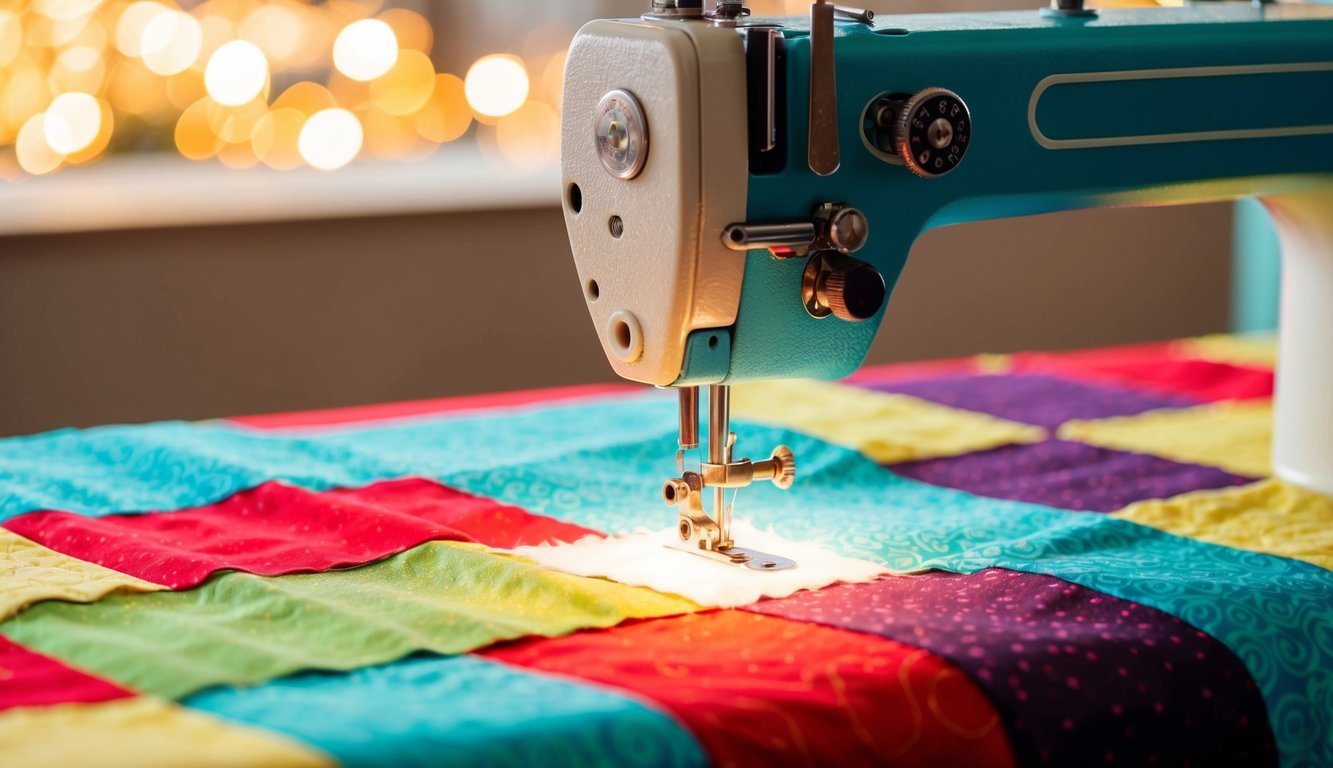
Quilting cotton is known for its bright prints and sturdy feel. It's made from natural fibers with a tight weave, making it durable. The weight is light to medium, perfect for many projects. Plus, there are endless patterns to choose from, offering lots of creative possibilities.
Fiber Content and Weave
Quilting cotton is usually made from 100% cotton fibers. This natural fiber is breathable and comfortable against your skin. The fabric typically has a plain weave, also known as a tight, balanced weave. This structure gives quilting cotton a sturdy feel, which holds its shape well.
You’ll find it easy to sew, even for beginners. The tight weave keeps fraying to a minimum, a feature that adds to its appeal for both clothing and quilting. This cotton's structure makes it a solid choice for items that require frequent wear.
Weight and Durability
The weight of quilting cotton varies from light to medium, usually between 4 to 5 ounces per square yard. This makes it suitable for garments like shirts, skirts, and dresses. Its weight provides enough structure to create garments that hold their shape.
In terms of durability, quilting cotton can withstand regular washing and wear. This makes it a practical choice if you're making clothes that will be worn frequently. Keep in mind that while sturdy, quilting cotton isn't as soft as apparel-grade cotton, making it less suitable for drapey or flowy designs.
Prints and Patterns
One of quilting cotton’s standout features is its range of prints and patterns. From simple dots to intricate florals, the possibilities are almost endless. These vibrant choices allow you to express your personal style or match existing pieces in your wardrobe.
Certain patterns can even help or hinder your clothing projects. Larger prints can create a bold statement, while smaller prints add subtle detail. When selecting a pattern, consider the scale in relation to the garment's design. For inspiration or materials, check out Linde Hobby's quilt fabric selection, where variety meets affordability, making it easy to find what suits your creative needs.
Suitable Clothing Items
Quilting cotton can work well for various clothing items. It's versatile and available in many colors and patterns, making it a great choice for people of all skill levels. Below are some garments and considerations for using quilting cotton in clothing projects.
Casual Wear
Quilting cotton is an excellent choice for casual wear. Shirts and blouses made from quilting cotton are breathable and come in endless patterns. This makes them perfect for warmer seasons and casual outings.
You can also craft skirts and dresses using quilting cotton. A-line skirts or simple sundresses benefit from the structured, yet lightweight fabric. With the right pattern and color, you can create unique everyday outfits.
Consider adding cotton pockets to enhance usability and style. A colorful fabric choice for these features makes your clothing stand out. Pair them with simple accessories, and you’re set for a laid-back day.
Children's Clothing
Using quilting cotton for children's clothing is a popular choice among home sewists. Its soft texture and vibrant colors are perfect for young ones. Craft adorable outfits like dresses, rompers, or little shirts.
Cotton is easy to wash, making it suitable for playful kids who may get messy during playtime. It's also hard-wearing, so garments last longer, even with regular use.
Make your children’s clothes adjustable with easy elastic waistbands. Choose lively prints that kids will adore. Opt for fun themes like animals or cartoons to give their wardrobe a whimsical touch.
Seasonal Considerations
Quilting cotton is mostly used for spring and summer garments due to its breathable nature. For cooler climates, this fabric can still be used in layers or as lining for more warmth.
During winter, consider using quilting cotton for cozy pajama sets. Pair them with warmer layers to ensure comfort.
Mix with flannel or knit fabrics to create garments suitable for varying temperatures. Quilting cotton is adaptable, allowing you to play with different textures and weights. Visit Linde Hobby for a range of affordable, quality fabrics to explore these ideas today!
Sewing with Quilting Cotton
Quilting cotton is great for making clothes. It's easy to sew with, budget-friendly, and comes in many colors and patterns. Follow these tips for pre-washing, cutting, stitching, and finishing to create beautiful garments that look and feel fantastic.
Pre-Washing Tips
Pre-washing helps prevent shrinking later on. Use mild detergent and cold water if the fabric is brightly colored to stop the dyes from running. Be sure to use a delicate cycle.
After washing, tumble dry on a low setting or hang to dry. This step is important to keep your fabric from shrinking after you've sewn it.
Iron the fabric while it’s still slightly damp to remove any wrinkles. This will give you a smooth surface to work with, making the cutting and stitching process easier.
Cutting and Stitching
Use sharp fabric scissors or a rotary cutter. Quilting cotton is sturdy, so it won't slip around too much. You'll find it easier to measure and cut because it holds its shape well.
For stitching, choose a universal needle and a regular thread. A simple straight stitch works best. Quilting cotton is thick enough to handle without puckering, making sewing straightforward.
Use pins or pattern weights to hold pieces in place while cutting and sewing. This keeps everything aligned and reduces mistakes. The fabric's weight ensures that your clothes hold a neat structure once sewn.
Finishing Techniques
To make your finished garment look professional, consider using French seams or a serger for clean edges. This prevents fraying and adds durability. Quilting cotton benefits from these techniques because it has well-defined edges.
You might choose to topstitch seams for a polished look. Just use a contrasting or matching thread to add some flair. It's an easy way to make your clothing look put together.
Press hems and seams carefully to give your clothes a crisp finish. If you don't have a special iron, a regular one will do just fine. Proper pressing gives quilting cotton a simple, elegant look in any clothing piece you create.
Care and Maintenance of Cotton Garments
Cotton garments, including those made from quilting cotton, need special care to stay in good condition. Keeping them clean and wrinkle-free requires careful washing, drying, and storage.
Washing and Drying
Machine Washing: Use cold or warm water on a gentle cycle to avoid shrinking and fading. Add a mild detergent. Separate colors to prevent bleeding. Consider hand washing delicate items.
Drying: Air drying is best for maintaining shape and size. If using a dryer, choose a low heat setting and remove items while slightly damp to reduce wrinkles.
Tips: Avoid bleach, as it can weaken fibers. Wash similar fabrics together for best results. Use a mesh bag for delicate pieces.
Ironing and Storage
Ironing Tips: Use a medium heat setting for cotton. Iron while garments are still slightly damp to effectively remove wrinkles. If needed, spray lightly with water. Press on the wrong side or use a pressing cloth to protect colors.
Storage: Store in a cool, dry place. Hang pieces that wrinkle easily or fold and stack others neatly. Keep away from direct sunlight to preserve color.
Maintenance Pointers: Regularly check clothes for stains and treat promptly. Using fabric softeners can keep garments soft and fresh.

