

What Fabric to Use for Embroidery: A Guide for Passionate Hobbyists
Embroidery is a delightful craft that combines creativity with relaxation, offering both beginners and seasoned artisans a chance to create beautiful pieces of art.
Finding the right fabric to start your embroidery project is key to bringing your vision to life.
Cotton fabric like muslin or canvas is often the best choice for beginners due to its smooth texture and affordability.
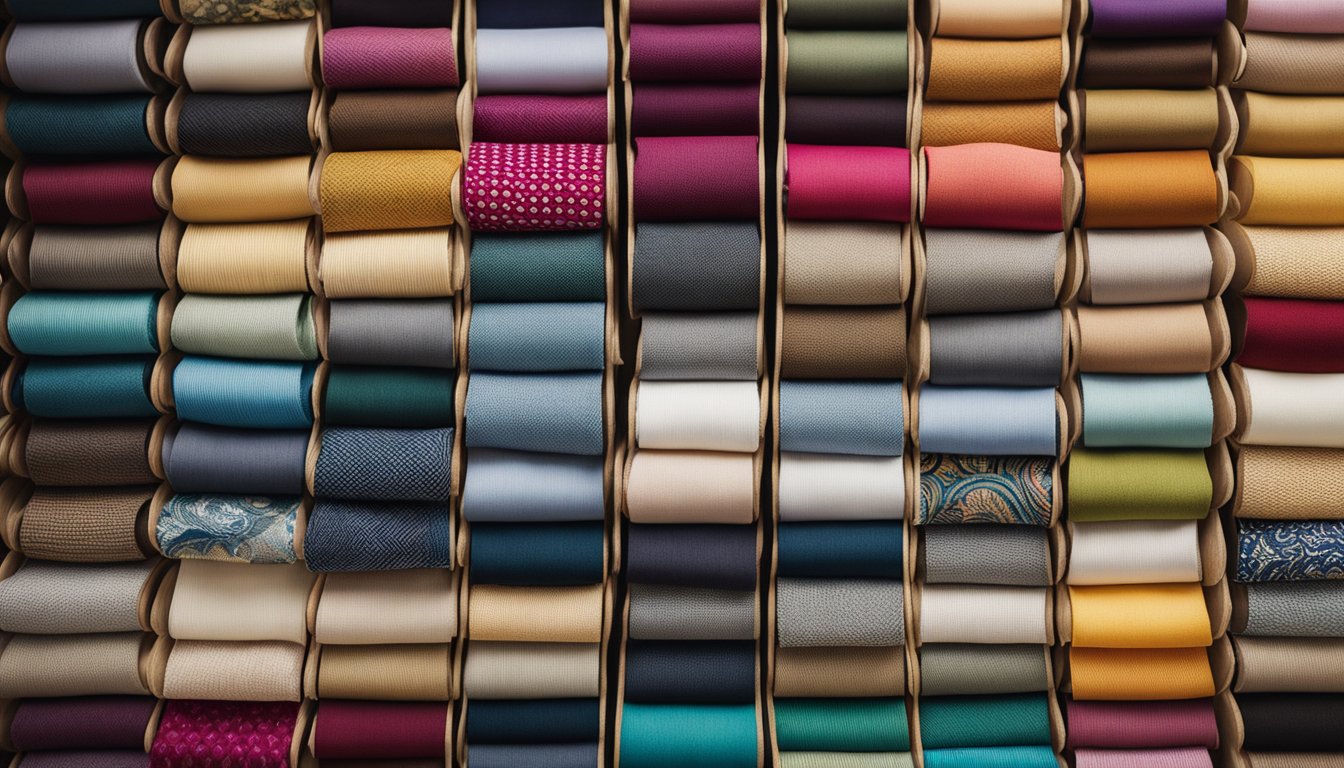
In the world of embroidery, the fabric you choose can make all the difference.
Linen is an excellent option for those seeking a more refined finish, appreciated for its durability and elegant look. Experienced crafters might enjoy exploring specialty fabrics like silk or velvet for unique textures and finishes.
Each fabric offers a different experience and outcome, letting you match your material perfectly with your project goals.
Feel free to experiment with fabric treatments to enhance your work's appearance and longevity.
Using water-soluble stabilizers or adding iron-on interfaces can help maintain the fabric's shape, making intricate designs easier to manage.
Explore various fabrics and treatments, and you'll soon discover the full potential of your embroidery skills.
Key Takeaways
- Different fabrics create different embroidery effects.
- Linen and cotton are ideal for beginners.
- Specialty fabrics add unique textures and finishes.
Choosing the Right Fabric
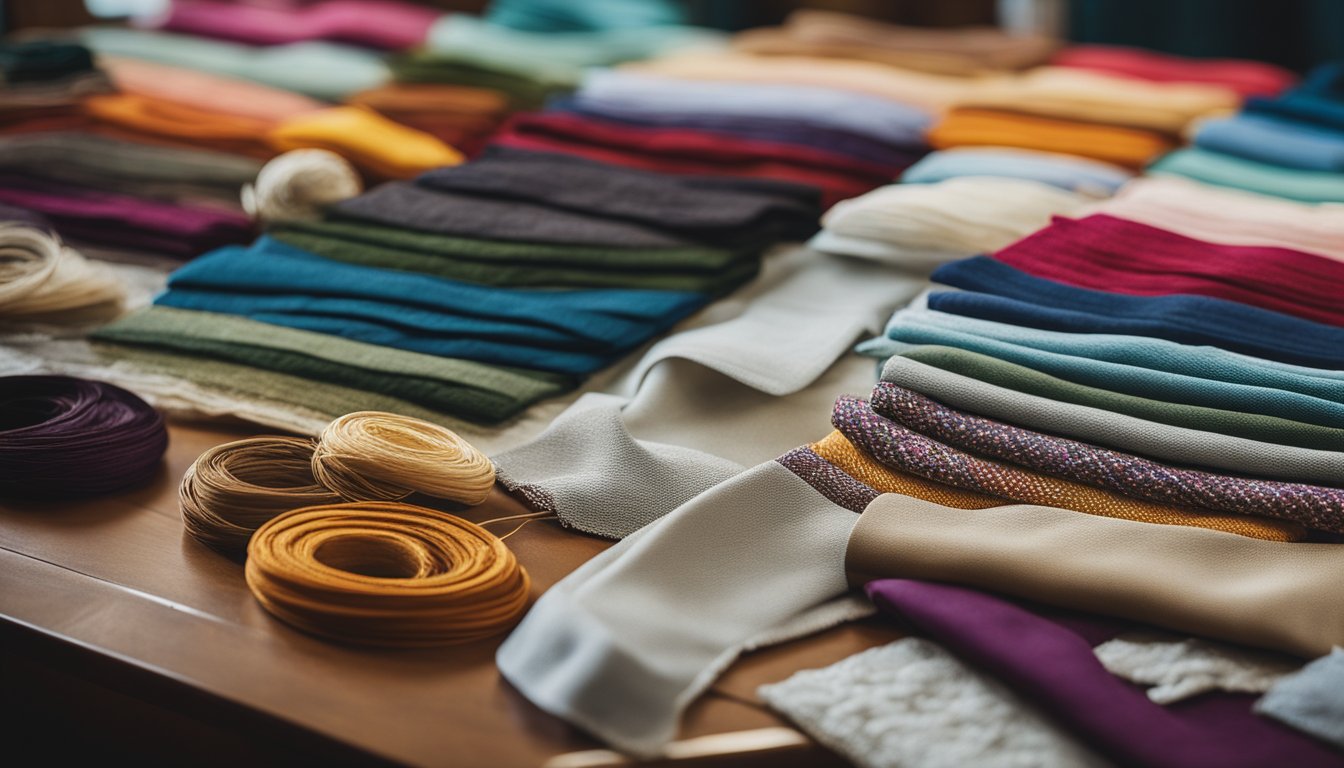
Selecting the perfect fabric for embroidery involves considering fiber type, material strength, and fabric structure.
Different materials offer unique qualities, impacting your design and technique.
Natural Fibers
Natural fibers, like cotton and linen, are popular choices for embroidered works.
Cotton is versatile and widely available, making it beginner-friendly. Its even weave provides a good surface for various stitches, allowing your patterns to shine.
Linen offers a more textured finish. It is great for detailed designs due to its durability and quality. This fabric is slightly pricier, but its strength supports intricate embroidery, giving your projects an elegant touch.
At LindeHobby, you can find a selection of natural fabrics to suit different projects and budgets, allowing both novices and experienced crafters to explore materials that fit their needs.
Synthetic Materials
Polyester and nylon are common synthetic materials for embroidery.
These fibers are often more affordable and can be found in a variety of colors, offering creative freedom. They're durable, making them ideal for items needing frequent washing, like clothing.
Although synthetic materials may lack the natural warmth of fibers like cotton, they provide a sleek finish and are resistant to wrinkles and fading. This can be especially useful for projects that require a more modern or polished look.
LindeHobby provides a range of synthetic options, perfect for those experimenting with embroidery or seeking cost-effective solutions.
Fabric Weave and Weight
The weave and weight of your fabric significantly affect the outcome.
A tight weave, like in Aida cloth, is great for counted stitch techniques, offering precise guides for uniform designs. A more open weave in evenweave fabric lets more light through, creating a delicate appearance.
Fabric weight should match the project. Lightweight materials may not support heavy stitching, while heavyweight fabrics can handle complex embroideries. Choose carefully based on your pattern’s needs.
Visiting LindeHobby’s collection can help you pick the right weave and weight that complements your style, whether you're crafting a simple decorative piece or an intricate heirloom.
Fabric Treatments for Embroidery
Choosing the right treatments for your embroidery fabric can make your projects more polished and durable.
Two key areas to focus on are using the correct stabilizers and interfacing, as well as pre-washing and shrinking your fabric properly.
Stabilizers and Interfacing
Stabilizers help keep your fabric steady during embroidery by preventing shifting and stretching.
There are several types, including tear-away, cut-away, and water-soluble stabilizers. Tear-away stabilizers are great for woven fabrics and are easy to remove after stitching. Cut-away stabilizers work well for knits since they provide ongoing support even after the embroidery is complete. Water-soluble stabilizers are perfect when you want no trace left once you are done.
Interfacing works differently by giving extra weight and structure to your fabric. It is typically ironed onto the back of the fabric.
Choose fusible interfacing for a smooth finish or non-fusible for projects needing more flexibility. LindeHobby offers a variety of stabilizers and interfacing options to suit every embroidery need, making it easier to create stunning designs that last.
Pre-washing and Shrinking
Pre-washing your fabric is a must to prevent surprises like shrinking or color bleeding after embroidery.
Fabrics like cotton or linen often shrink after their first wash. By washing them beforehand, you save yourself the trouble of dealing with distorted stitches later on. Use a mild detergent and air dry if possible.
Shrinking can affect the final look of your embroidered piece. Therefore, testing a small fabric piece by washing and drying it in the same way you would the final product is advised. This helps you understand how the fabric will behave in real conditions.
Find a great selection of embroidery fabrics at LindeHobby, where you can be sure of their quality and performance.
Specialty Embroidery Fabrics
When choosing fabrics for embroidery, it's important to consider texture, durability, and suitability for your design. Specialty fabrics like Aida cloth, evenweave fabrics, and canvas offer various options and effects. Each of these comes with its unique qualities and uses.
Aida Cloth
Aida cloth is a popular choice for cross-stitch enthusiasts. This fabric features an open weave, which makes it easy to count and perfect for beginners. The grid-like pattern helps you to keep your stitches even and your design aligned.
It's available in several colors and thread counts, allowing you to select the perfect backdrop for your design. Since it's versatile, it's suitable for a wide range of projects, from small motifs to larger pieces.
LindeHobby offers Aida cloth in various sizes and colors. This ensures you have the flexibility to choose what best suits your project.
Evenweave Fabrics
Evenweave fabrics, like Lugana and Jobelan, are known for their smooth texture and consistent thread count.
They are ideal for detailed designs that require precision. The fibers are evenly spaced, making it easier to produce complex patterns.
This fabric is especially suited for advanced techniques like hardanger and cutwork. When working with evenweave, you can achieve a refined look and feel.
LindeHobby stocks a variety of evenweave fabrics so you can select the best match for any sophisticated embroidery work you have in mind. Their premium selection ensures high-quality results every time.
Canvas and Burlap
Canvas and burlap are robust fabrics, perfect for projects that demand durability.
They are thicker, offering a rustic appearance that is suitable for home décor like pillowcases or wall hangings.
Canvas supports heavy stitching, while burlap's natural texture gives an earthy aesthetic.
These fabrics can be more challenging to work with, but they are rewarding for experienced crafters.
Explore LindeHobby’s range of canvas and burlap to start your creative journey.
Their durable options ensure your projects not only look great but last long as well.

