

Cleaning Paintbrushes: Master the Art with LindeHobby's Expert Tips
Painting is a wonderful way to express your creativity, but cleaning paintbrushes can sometimes feel like a chore. Properly maintaining your brushes helps them last longer and ensures your art remains vibrant. Keeping your paintbrushes in top shape is crucial for every artist, from beginners to seasoned pros.
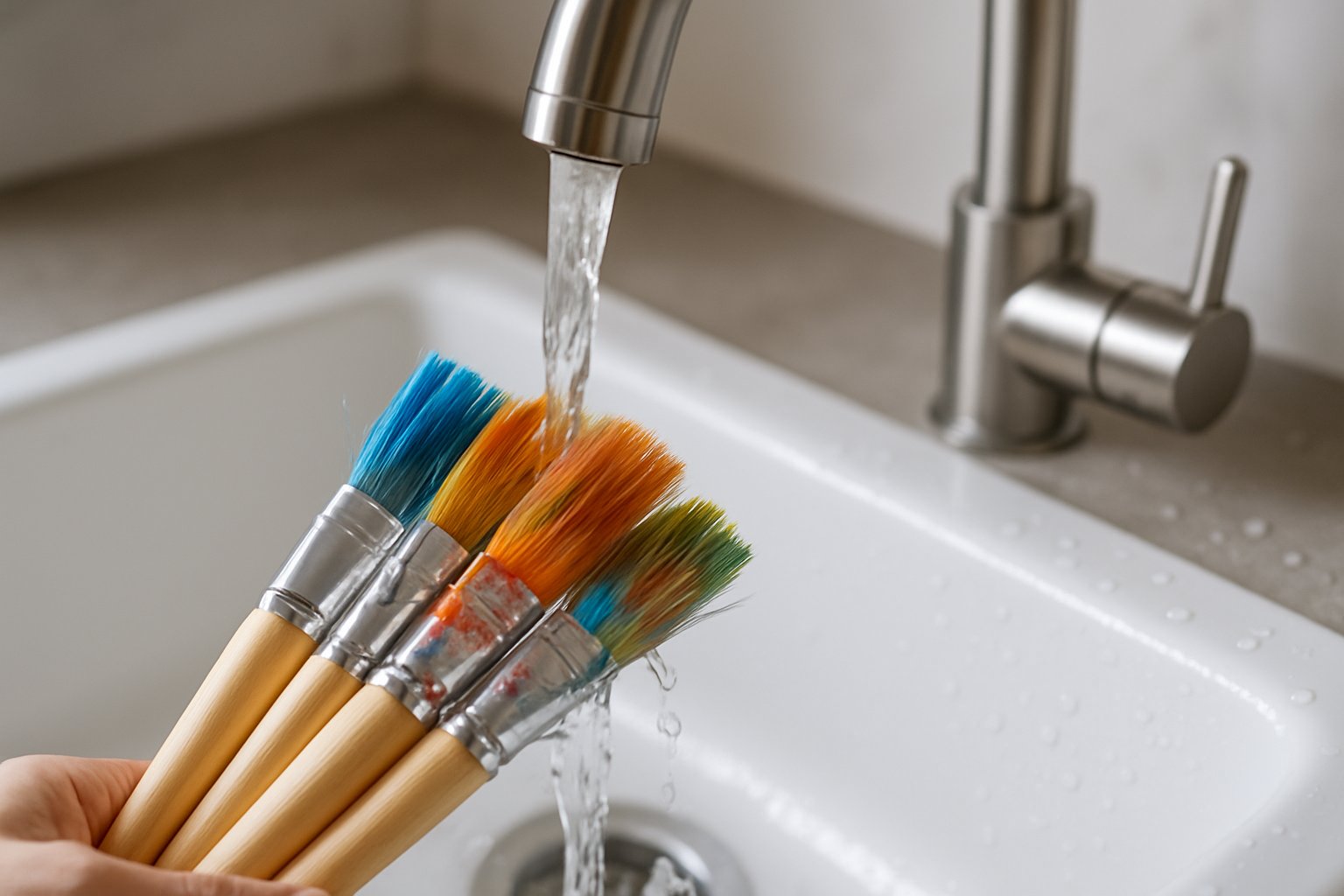
Having the right supplies is essential for cleaning paintbrushes effectively. You might need items like gentle soap, warm water, paper towels, and a brush comb. When you care for your brushes, they can work better and last longer, saving you time and money in the long run.
At LindeHobby, you can find everything you need to keep your paintbrushes in peak condition. With affordable options for every budget, explore our range today, and make sure your next project begins with clean, ready-to-use brushes.
See our drawing and painting assortment here
Key Takeaways
- Clean brushes last longer and improve art quality.
- Use gentle soap and warm water to wash brushes.
- LindeHobby offers supplies for all your painting needs.
Essential Supplies for Cleaning Paintbrushes
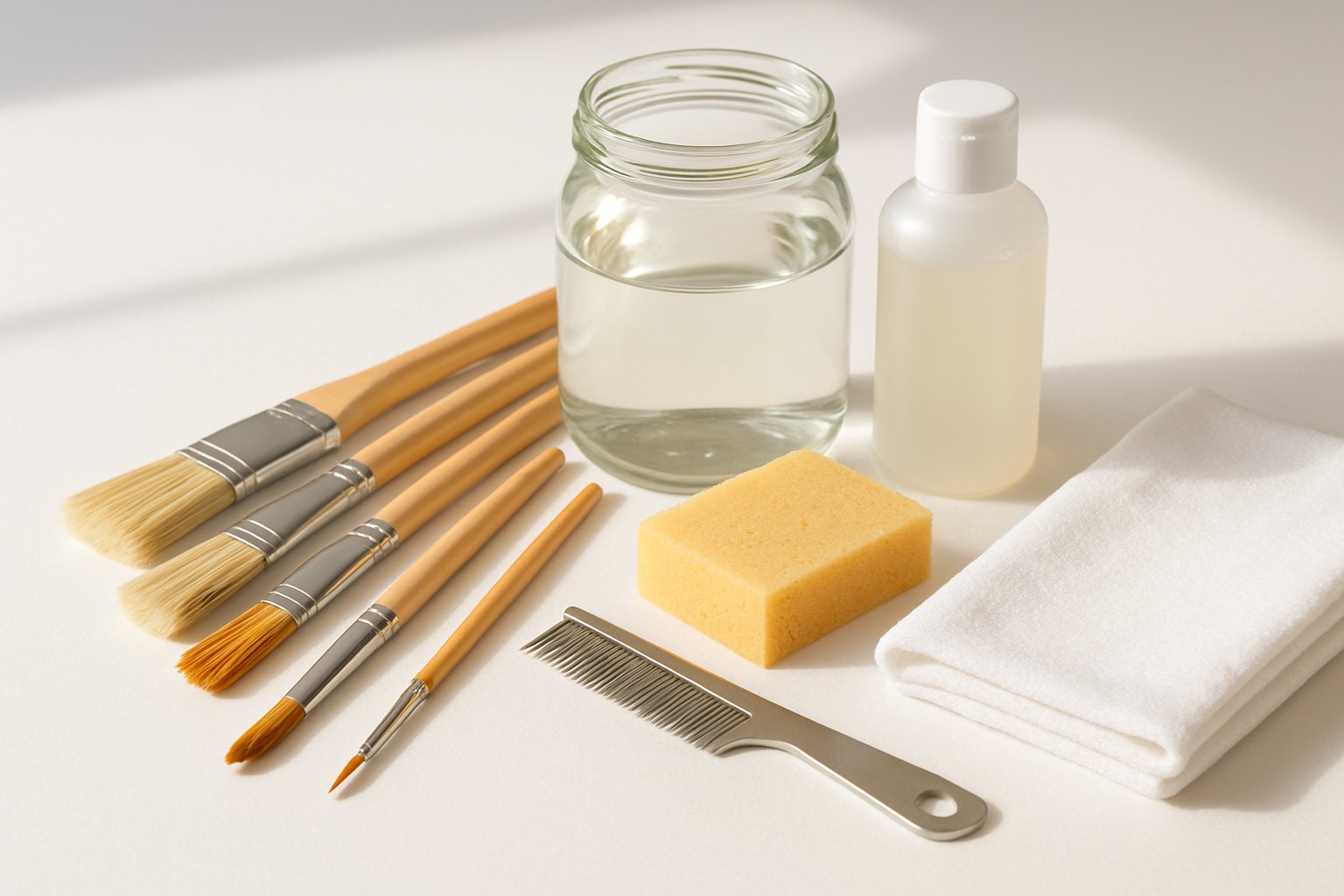
Cleaning paintbrushes properly requires the right supplies to keep them in good shape. You will need effective cleaning agents, specialized brush cleaning tools, and a well-organized workspace.
Choosing Effective Cleaning Agents
When selecting a cleaning agent, consider the type of paint you are using. For water-based paints, mild soap and warm water are usually sufficient. For oil-based paints, you will require solvents such as mineral spirits or turpentine.
Always check the label on your cleaning agent to ensure it is appropriate for your paint type. Proper disposal of these agents is crucial, so follow local guidelines to keep it eco-friendly.
A good strategy is to have a variety of cleaning agents on hand, ensuring you’re prepared no matter what type of paint you use.
Selecting the Right Brush Cleaning Tools
Effective tools make cleaning brushes much more manageable. A brush comb helps to separate bristles, while a brush spinner removes water or solvent effectively. Palette knives are also handy for scraping off excess paint before cleaning.
You’ll also find microfiber cloths helpful for drying and maintaining the brush shape. Don't overlook the importance of these tools—they can extend the life and effectiveness of your brushes.
At LindeHobby, you’ll find a wide range of these cleaning tools, suitable for varying needs and budgets.
Setting Up a Cleaning Workspace
A neat workspace makes cleaning less of a hassle. Use protective coverings for your table to prevent mess. Keep a dedicated area for cleaning supplies so you can find everything you need quickly.
Good ventilation is important, especially with stronger solvents. Add a waste container nearby for easy disposal of used cleaning agents and cloths. With this setup, you’ll save time and keep your space tidy.
Creating a practical cleaning space can enhance your crafting experience, making the entire process more enjoyable and efficient. If you want quality materials, browse LindeHobby’s collections today to equip yourself with everything you need.
Step-by-Step Guide to Cleaning Paintbrushes
Cleaning your paintbrushes properly ensures they last longer and perform better. Whether you're dealing with water-based or oil-based paints, you'll find techniques here to make the job easier and more effective. Learn how to tackle dried paint and store your brushes correctly, so you're always ready for your next art project.
Cleaning Water-Based Paint Brushes
Water-based paint, like acrylics, is relatively easy to clean. Start by wiping off excess paint using a cloth or a piece of paper towel. Run the bristles under lukewarm water, moving your fingers through them to remove paint particles.
Next, fill a bowl with some water and a drop of mild soap. Swirl your brush in the soapy water to break down remaining paint. Rinse under running water to remove any soap residue.
For stubborn paint, use a brush comb to prevent bristle damage. Repeat the rinsing process until the water runs clear. LindeHobby offers various sizes of water-based paint brushes. Once clean, gently shake off excess water and reshape the bristles with your fingers.
Cleaning Oil-Based Paint Brushes
Cleaning oil-based paint involves a different approach. Start by removing excess paint with a cloth. Pour a small amount of paint thinner into a jar and dip the bristles.
Swirl the brush to dissolve the paint, but ensure that the metal part doesn’t soak for too long. After every dip, wipe the brush on a clean cloth.
Use a new jar with fresh thinner for a complete rinse. Repeat the process until the brush is clean. Always work in a well-ventilated area to avoid fumes. LindeHobby provides quality oil brush sets. Once clean, rinse the bristles with warm, soapy water.
Addressing Stubborn Dried Paint
For dried paint, patience and a bit more effort are required. Soak the brush in a jar with a commercial brush cleaner. Let it sit for a few hours or overnight for tough cases.
After soaking, gently comb through the bristles with a brush comb to loosen the dried paint. Use a rag to wipe away loosened particles. Repeat if needed, and then proceed with regular cleaning.
For environmentally friendly options, try a vinegar soak, lightly warming it for better results. Rinse thoroughly after cleaning. Be cautious to not damage the brush. LindeHobby offers tools and materials to help restore your brushes.
Drying and Storing Your Brushes
Proper drying and storing of brushes are key to prolonging their life. After cleaning, gently shake off excess water. Reshape the bristles using your fingers and lay the brush flat or hang it upside down to dry.
Avoid standing them upright, as water can seep into the ferrule, loosening the glue. Once dry, store them in a clean, dry space, bristles up or horizontally. Use a brush holder if possible.
Keep brushes away from direct sunlight. For artists on a budget, a simple DIY holder can work wonders. Explore LindeHobby for a variety of storage solutions and continue creating with perfectly maintained tools.
Caring for and Maintaining Paintbrushes
Properly caring for paintbrushes extends their life and keeps them in good shape. This involves preventing damage, cleaning them regularly, and storing them correctly to maintain their performance.
Preventing Paintbrush Damage
To keep your paintbrushes in top condition, start by handling them with care. Avoid leaving brushes soaking in water for long periods, as this can damage the bristles and loosen the adhesive that holds them together.
When painting, use a gentle touch, and be mindful of the pressure you apply. After each use, remove leftover paint while it's still wet. If needed, keep a cloth handy to wipe off excess paint as you work.
Choose high-quality brushes that match your painting style. LindeHobby offers a selection that balances quality and affordability, perfect for both beginners and those seeking premium options. Protect the bristle tips by not using harsh chemicals; opt for mild soap and water for a gentle clean each time.
Regular Cleaning and Deep Cleaning Schedules
Routine cleaning after every painting session is essential. Start by rinsing your brushes immediately in lukewarm water to remove as much paint as possible. For oil paints, use a solvent-based cleaner. Then, rinse through with soap and water to get rid of any remaining residue.
Occasionally, opt for a deep cleaning session to ensure longevity. Deep cleaning may involve letting the brushes soak in a gentle brush cleaner or a vinegar solution to dissolve dried paint and restore their shape. Reshape the bristles by hand while they’re damp and lay brushes flat to dry, avoiding direct sunlight.
Long-Term Storage Solutions
Correct storage is key to maintaining your brushes. Keep them in a dry and clean location, with bristles facing upward or lying flat. This keeps the bristles in their natural shape and prevents damage from bending.
Consider investing in a brush holder or roll-up case. LindeHobby offers a variety of cases designed to suit different needs and budgets, allowing you to store brushes compactly when not in use. Protect your hard work and investment by ensuring each brush is dry before putting it away. Ventilation can help prevent mold or mildew from developing over time.
These practices will make sure your tools are always ready to perform for your next creative project.

