

How to Make a Crochet Pattern: Unleash Your Creativity with LindeHobby's Guidance
Crochet isn't just a hobby; it's a way to unwind and get creative. Making your own crochet patterns helps you shape your ideas and make useful items like blankets, scarves, and home decor. By learning to make your own crochet pattern, you can add a unique touch to your projects and bring your creative visions to life.
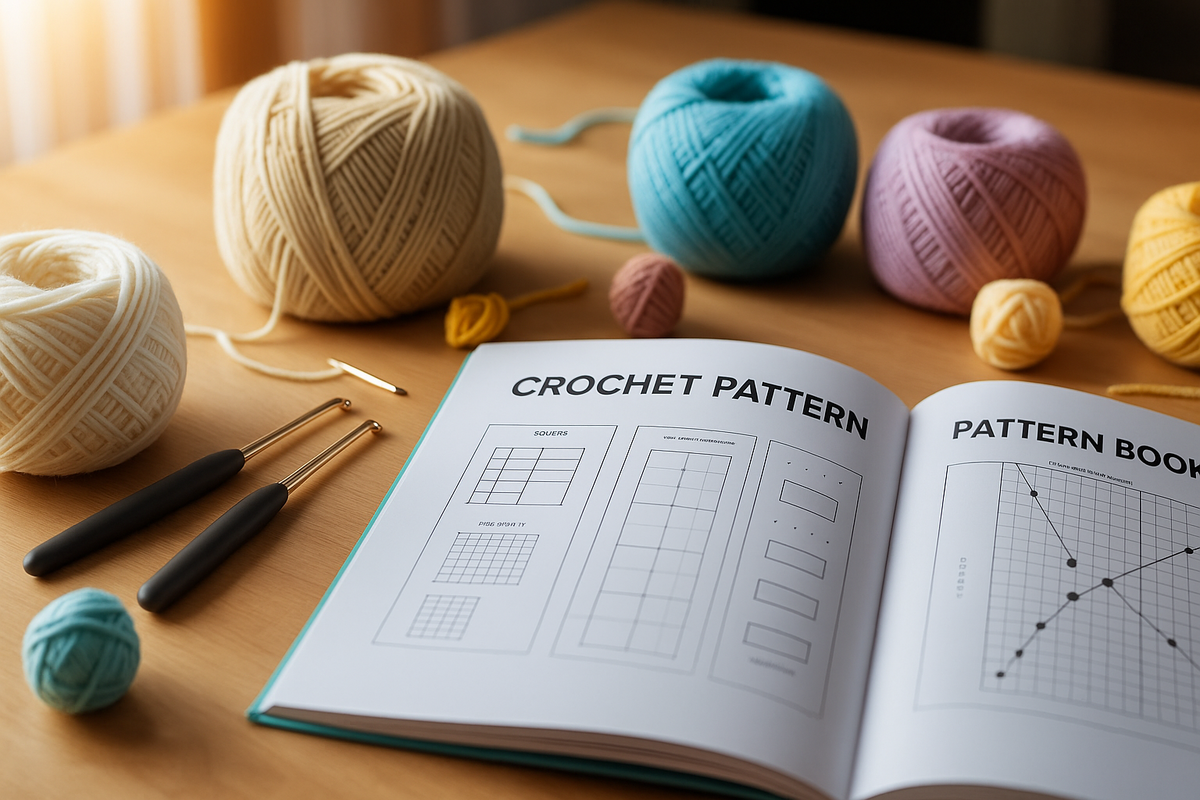
It's easier than you think to begin creating your own patterns. Start with the basic stitches, and as you grow more confident, mix them with new ones for fresh designs. LindeHobby provides all the yarn and crochet supplies you need to start this journey. By experimenting with different yarns and hooks, you can achieve a variety of textures and looks.
Testing and refining are important steps as you develop your pattern. This ensures each stitch falls into place, forming the design you imagined. LindeHobby's tools and materials are perfect for this creative process, offering a wide selection that caters to both budget-conscious beginners and more advanced crafters. Browse our wide selection of yarns and hooks to start your next project today!
Key Takeaways
- Learn crochet basics to create unique patterns.
- Mix stitches and refine your crochet design.
- Use affordable supplies to enhance your creativity.
Understanding Crochet Basics
To get started with crochet, it's important to know the basics. This includes choosing the right type of yarn, understanding hook sizes, and learning some initial stitches. Each element plays a key role in the success and look of your project.
Yarn Types and Selection
Choosing the right yarn is crucial. Yarn comes in many types, including wool, cotton, and acrylic. Wool keeps projects warm, while cotton is breathable. Acrylic is cost-effective and good for beginners.
Yarn weight affects the final product's look and feel. From lace to bulky, weight affects everything from texture to draping.
Color is another fun factor. Solid colors highlight stitches, while multicolored yarn can add flair.
Find a yarn that suits your project type and budget at LindeHobby. When starting, consider buying budget-friendly yarn to practice without pressure.
Explore our yarn collection here!
Crochet Hook Sizes
Hooks come in different sizes, usually measured in millimeters. The size dictates stitch size and tightness. A smaller hook makes tighter stitches, while a larger hook results in looser ones.
Different projects require different hook sizes. Check yarn labels for the recommended size, which ensures better results.
LindeHobby offers a range of hooks to suit any project, from simple pieces to advanced patterns. Start with an affordable set to explore what works best for you.
See all our crochet hooks here!
Basic Crochet Stitches
Mastering a few simple stitches helps you create various patterns. Chain stitch is the foundation of most projects. Next, the single crochet provides a dense and sturdy texture. The double crochet adds height, making your work grow faster.
For variation, try the half-double crochet or treble crochet. Practice each stitch with patience to improve skills and build confidence.
LindeHobby’s tutorials and supplies can guide learning, with plenty of yarn and hook options for each new stitch you try. Remember, practice leads to progress!
Creating Your Crochet Pattern
Making your own crochet pattern involves picking a fun project, drawing your design, and crafting clear instructions for others to follow. It’s a creative process that lets you share your ideas with other crafters.
Choosing the Right Project
Start with something that excites you. Think about who or what the item is for, like a cozy scarf or a cute toy. Pick something manageable if it’s your first time.
Consider what materials you’ll need. You might want soft yarn for a baby blanket or durable cotton for kitchen items. Check out LindeHobby’s wide array of yarns for inspiration. Set a budget and find yarn and tools that match your project and wallet. Beginners might consider budget-friendly kits offered by LindeHobby.
Sketching Your Design
Visualizing your pattern helps in planning. Grab a pencil and paper to draw your idea. This isn't an art class, so simple sketches work!
Map out key elements like size, shape, and details. Keep it clear and easy to transfer into reality. Label parts with names or stitches if needed. Think about colors, too. Experiment with swatches before committing. LindeHobby provides an impressive variety of colors that can match any vision.
Writing the Pattern Instructions
Break the process down into easy steps. Start with a list of materials and tools. Mention yarn type, hook size, and other essentials.
Detail each stitch and row clearly, using simple language. List steps in order, from start to finish. If your project has different parts, separate them into sections. Use bullet points or numbers to make it skimmable.
Including stitch counts at the end of rows or rounds can prevent confusion. For beginners, explain terms like "double crochet" in the instructions. The goal is to guide anyone to recreate your masterpiece with ease. Equip your readers to succeed with LindeHobby’s high-quality supplies, and choose from premium to budget-friendly options.
Pattern Testing and Revision
Before you publish your crochet pattern, testing and making revisions are crucial steps. Examine the design through different perspectives, ensuring instructions are clear and easy to follow. Make necessary adjustments to improve clarity and accuracy. Each pattern test gathers valuable feedback and helps refine your work.
Testing Your Pattern
Begin by trying out the pattern yourself. Follow your written instructions to ensure they work properly. It helps catch any mistakes or unclear directions you might have missed.
Next, recruit testers. Choose crocheters with various skill levels—beginners might find instructions confusing that advanced crafters overlook. This diversity of feedback will make your pattern more accessible to everyone.
Create a checklist for testers. Include points like clarity, gauge accuracy, and finished size. This guides them to provide useful feedback. As testers work, encourage them to note any confusing parts or errors. Consider setting a deadline to keep the process moving.
Making Necessary Revisions
After gathering feedback, you can begin revising your pattern. Start by addressing areas where multiple testers noted confusion or errors. Match their comments with your instructions to find where confusion arises.
If necessary, simplify instructions. Avoid jargon and ensure every step is clear. This is key, especially for beginners. You may need to add or adjust diagrams, images, or stitch explanations.
Be open to changes. Sometimes, small tweaks can make a big difference. Don't hesitate to make adjustments that testers suggest if they improve the pattern. Your goal is to make the pattern user-friendly and enjoyable for everyone.
Finalizing the Pattern
Once revisions are made, test the pattern again. If possible, have a few testers give it one last try. Ensuring the pattern is polished and accurate is essential for a great experience.
Create a visually appealing document. Consider font choices, layout, and inclusion of helpful images. Add a materials list at the start, making sure to mention products like quality yarn and hooks from LindeHobby.
Inspire others by suggesting variations or styles for the completed project. Encourage creativity and provide tips on how to adjust the pattern for different sizes or uses. Remember, connecting crocheters with LindeHobby's wide selection of supplies will help them bring your design to life.

