

Does Tunisian Crochet Use Less Yarn: Unveiling the Secrets of Yarn Efficiency at LindeHobby
Ever wondered if Tunisian crochet uses less yarn compared to other crochet techniques? Many crafters are curious about this yarn usage aspect when exploring different styles. Tunisian crochet can actually use more yarn than standard crochet or knitting. This might surprise you, but it means your projects will have a unique texture and thickness that stands out.
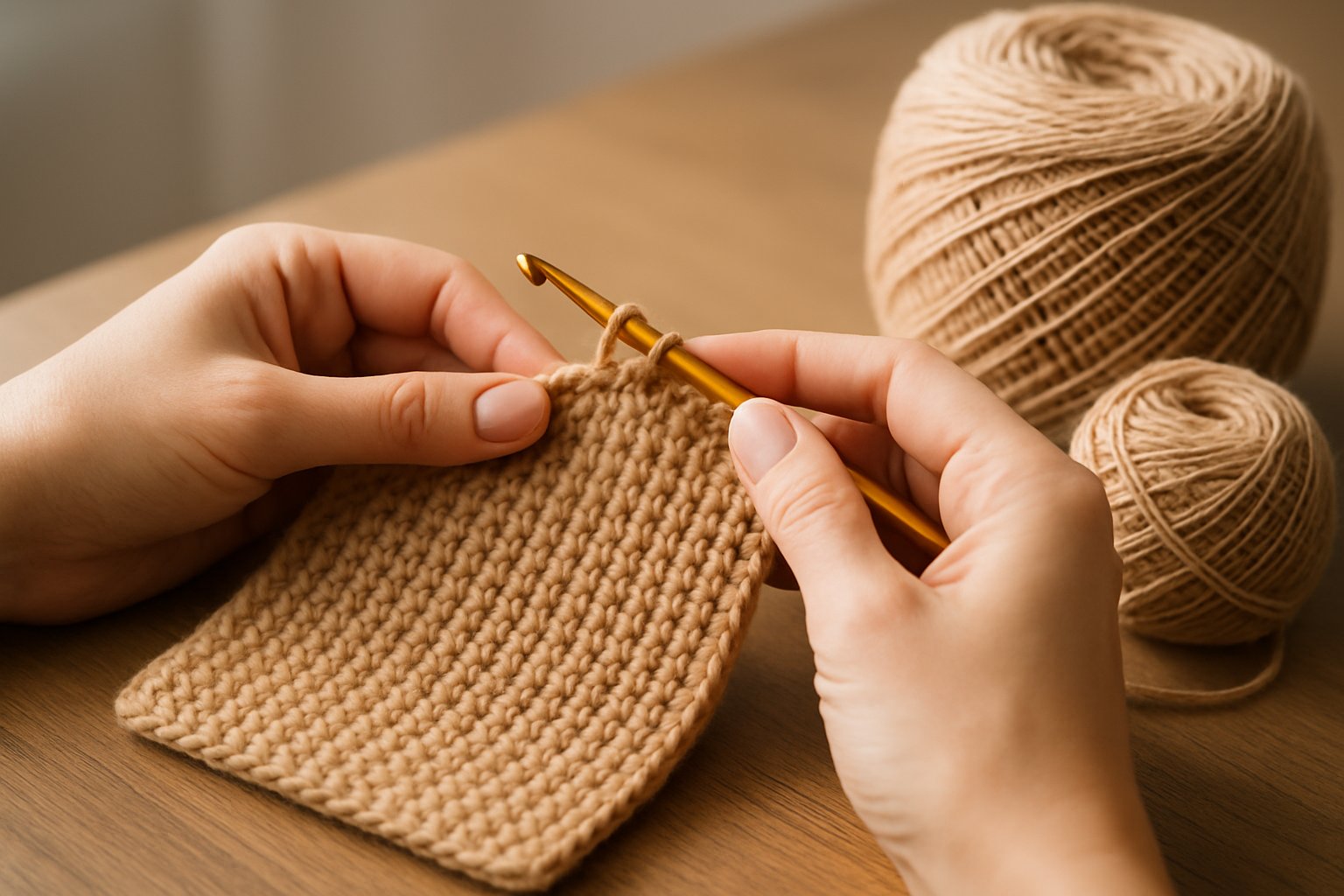
Tunisian crochet offers a relaxing and enjoyable experience, perfect for sparking your creativity and making beautiful gifts or home decor. The firmness of the fabric makes it ideal for items like blankets, scarves, and cozy sweaters. And while it may use more yarn, you’ll be thrilled with the satisfying results.
Starting a Tunisian crochet project can be a fun adventure, and LindeHobby is here to help with all your yarn and tool needs. With our selection of high-quality, affordable supplies, you can find everything to fit your budget and inspire your next creative journey. Explore different yarns and hooks to express your style and create something truly special.
Key Takeaways
- Tunisian crochet often uses more yarn than other methods.
- It creates a thicker, textured fabric ideal for warm items.
- Experiment with projects using materials from LindeHobby.
Understanding Tunisian Crochet Yarn Usage
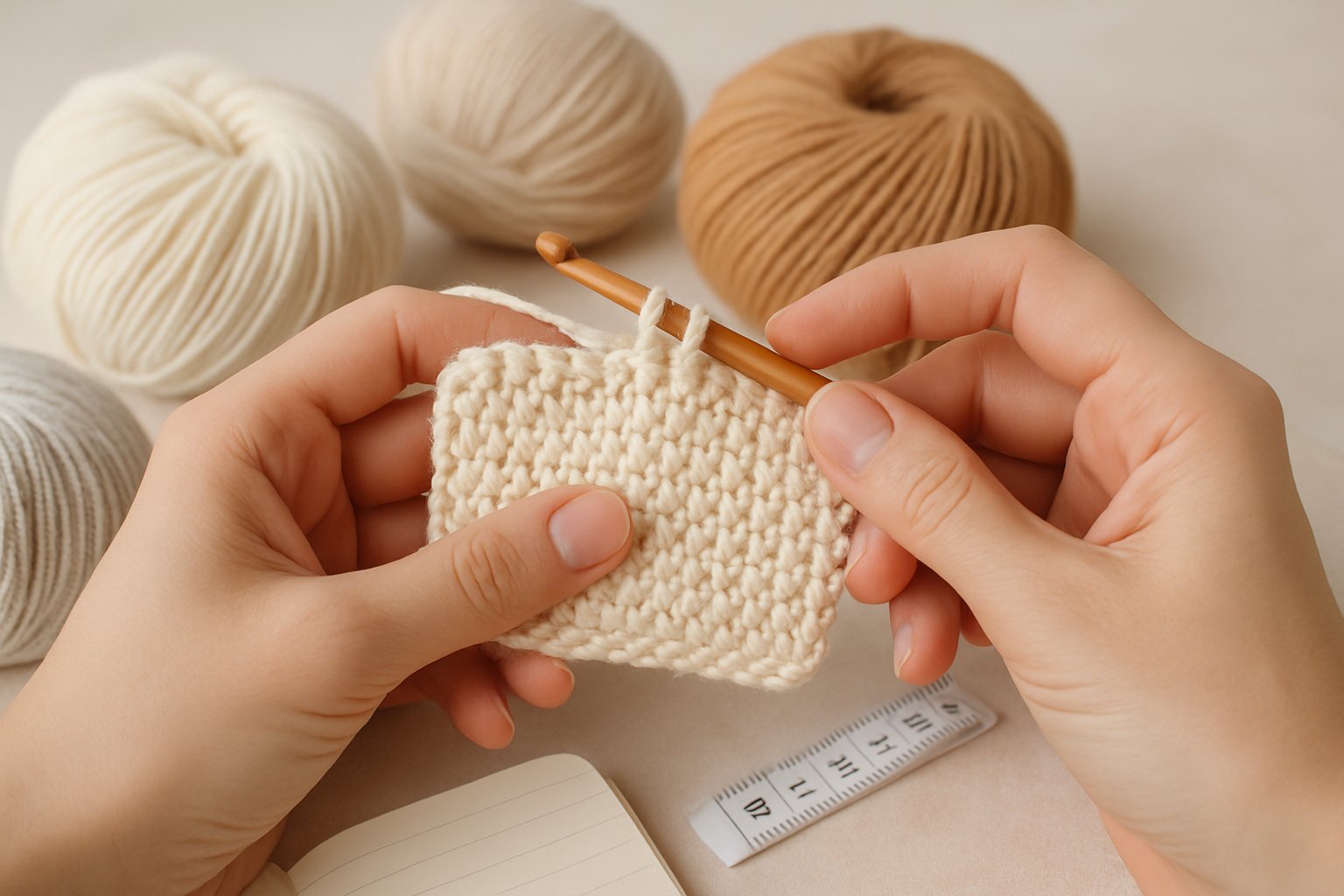
Tunisian crochet is different from traditional crochet, and it can affect how much yarn you use. The unique stitch structure and technique mean you might notice changes in your yarn consumption compared to other crochet projects.
How Tunisian Crochet Differs From Traditional Crochet
In Tunisian crochet, you use a special hook that looks similar to a knitting needle. This hook lets you hold many stitches at once. Unlike traditional crochet, where you finish each stitch right away, Tunisian crochet keeps loops on the hook.
Learning this technique can be exciting because it combines parts of knitting and crochet. This makes the fabric tighter and usually thicker than typical crochet, making it great for blankets or warm garments. Beginners might need more time to get used to it, but it's worth it. You’ll find it feels like a mix between knitting and crochet, which opens creative possibilities.
Yarn Consumption in Tunisian Crochet
Tunisian crochet often uses more yarn than traditional crochet. The fabric created is denser because the stitches are longer and have extra loops. If you're planning a project, you might need extra yarn compared to what you'd use for regular crochet.
To avoid running out of yarn, it’s smart to buy a little more than you think you’ll need. Tunisian crochet projects can be pricier, but you get a sturdy, unique texture for your investment. LindeHobby has a great selection of affordable yarn options to keep your project within budget.
Compare your pattern’s recommendations with what you have, and consider choosing a full skein over estimates to save time and frustration.
Stitch Structure and Yarn Requirements
The stitch structure in Tunisian crochet greatly impacts how much yarn is used. Tunisian stitches like the Simple Stitch, Knit Stitch, and Purl Stitch each affect yarn usage differently. For instance, the Tunisian Simple Stitch often uses less yarn than the Knit Stitch.
If you're new, start with projects that use the Simple Stitch. For a denser fabric, choose stitches that result in a thicker project. Experimenting with different stitches will help you see what you like best.
Visit LindeHobby’s online store for a selection of tools and yarns. Whether you’re looking for beginner kits or premium selections, LindeHobby has what you need to embark on your crafting journey.
Explore our yarn collection here!
Comparing Yarn Usage Across Techniques
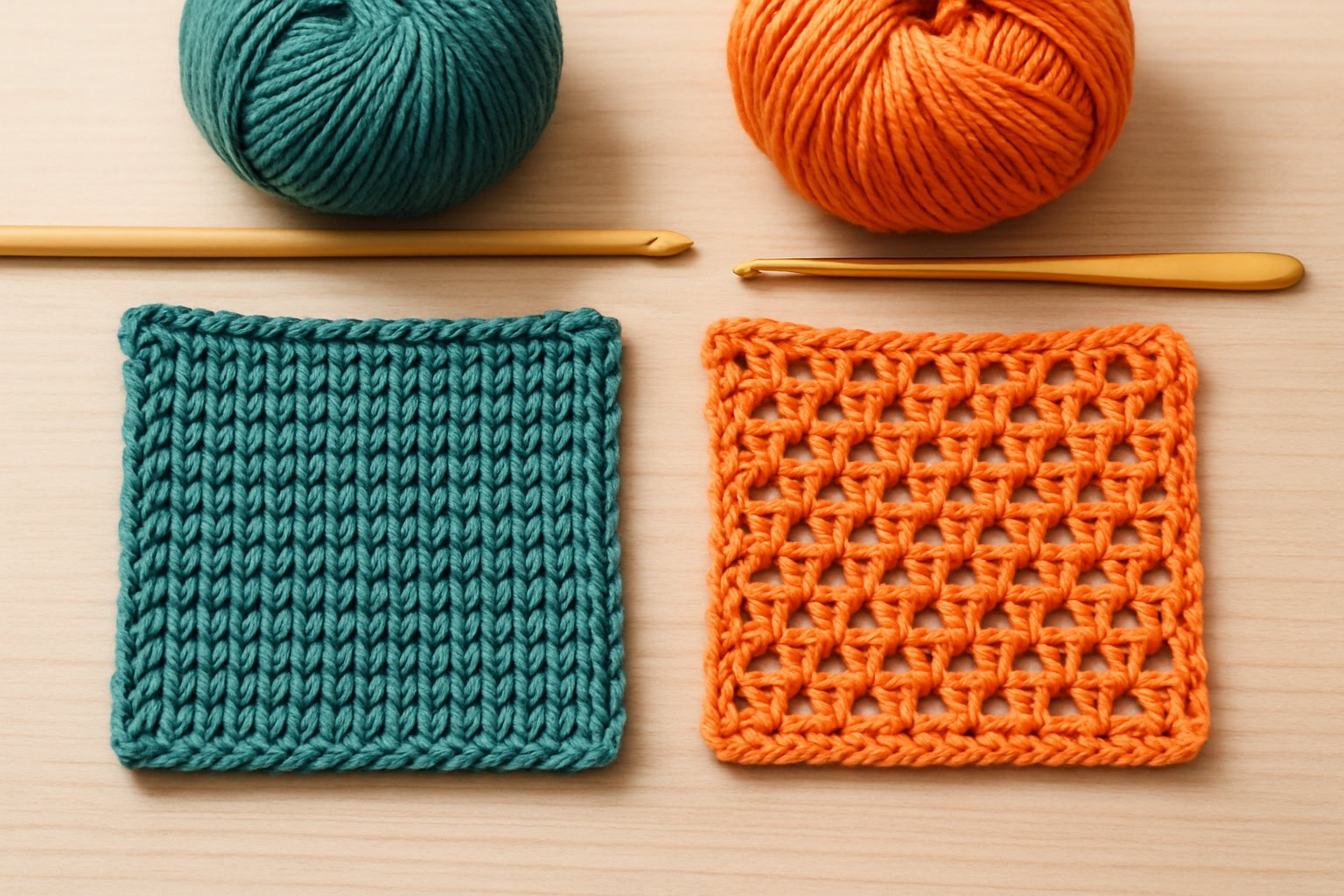
Different yarn techniques use varying amounts of yarn. The choice between Tunisian crochet, standard crochet, and knitting can impact your project’s material requirements.
Tunisian Crochet vs Standard Crochet
When comparing Tunisian crochet to standard crochet, it's found that Tunisian crochet tends to use more yarn. This is because of its unique stitches that create a thicker fabric. The stitches in Tunisian crochet hold a multitude of loops on the hook, resulting in a denser texture.
A typical 100-gram skein might produce less yardage in Tunisian crochet. The extra loops provide a structural integrity that can be beneficial for projects like blankets and scarves. Despite using more yarn, the lush and cozy feel can be worth the investment.
For budget-conscious crafters, consider planning larger projects with standard crochet if yarn usage is a major concern. At LindeHobby, you can find yarn options for all budgets, ensuring you have what you need, whether you're working with Tunisian techniques or traditional methods.
See all our tunisian crochet hooks here!
Tunisian Crochet vs Knitting
Knitting generally uses less yarn than Tunisian crochet. Knitting involves a series of loops, which means the fabric is lighter and less dense than tunisian crochet. Therefore, projects may require fewer skeins, especially for larger items like sweaters or throws.
If your project demands lightweight and stretchy fabric, knitting can be more efficient. While popular knitting projects might take multiple skeins, they often result in finished pieces that drape beautifully without the bulk.
For those who love crochet’s rhythm but want to conserve yarn, LindeHobby offers yarn kits suitable for both beginners and experienced knitters. Explore different knitting yarns to find the best choice for your project’s needs. Whether you knit or use Tunisian crochet, LindeHobby provides quality materials that make crafting a joy.
Practical Tips for Saving Yarn in Tunisian Crochet
When you want to save yarn while working with Tunisian crochet, choosing the right stitch patterns and understanding yarn weight are crucial. These methods help not only in resource management but also in achieving the design and texture you envision.
Selecting Efficient Stitch Patterns
Stitch patterns in Tunisian crochet can vary significantly in how much yarn they use. Opt for stitches like the Tunisian Simple Stitch (TSS), which tends to consume less yarn than more textured stitches. Mesh patterns are especially useful for minimizing yarn use while maintaining a visually appealing design.
Practice using lighter stitches by creating smaller test swatches. This helps you visualize how much yarn a certain pattern might require. It's an excellent way to plan larger projects without surprises.
For those new to Tunisian crochet, try using patterns with simpler stitches to become familiar with the technique. Advanced crafters can also experiment with integrating different stitches to test their efficiency. Always keep a record of what works best for your projects.
Yarn Weight and Project Planning
Select the right yarn weight for your project. Lighter weights, like 3-DK or 2-Sport, often stretch further than thicker options. Planning your projects around these lighter yarns can help you save resources and keep your creations light and breathable.
Consider your project's purpose. For instance, a delicate scarf might benefit from lighter yarn, while a sturdy bag may require heavier strands. Adjust your yarn selection to match the intended use of the finished item.
Make a list of supplies needed before starting. This not only helps avoid waste but also plays into your budget, ensuring you're getting the best deals. LindeHobby offers a rich collection of yarn weights and colors to suit any project beautifully. Find the perfect match for your next Tunisian crochet project today!

