

Drawing Ideas for Beginners: Unleash Creativity with LindeHobby's Fun Projects
Drawing is a fantastic way to express yourself and relax. If you're just starting out, it can feel a bit daunting. The secret is to begin with simple tools and techniques that you can gradually build on. You'll find that each stroke of the pencil can open up a new world of creativity.
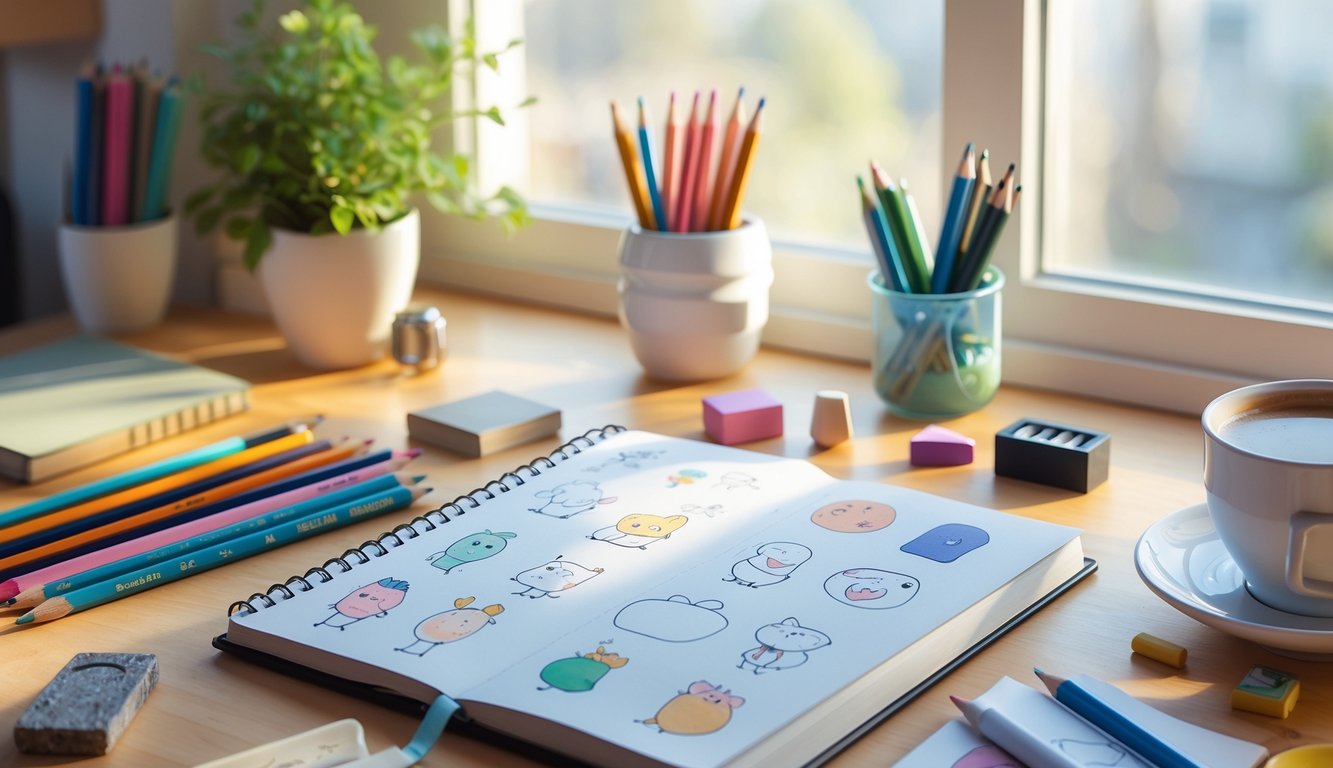
You don't need fancy supplies to make beautiful art. With just a pencil and paper, you can explore lines, shapes, and textures. These basics help you create your own style and improve your skills naturally. Experiment with different ideas and let your imagination flow freely.
Trying out new drawing ideas can be a fun and fulfilling way to connect with your creative side. You'll see growth and improvement over time, and drawing will become a rewarding part of your routine. Don't forget that LindeHobby offers everything you need to get started on your artistic journey.
See our drawing and painting assortment here
Key Takeaways
- Start with simple tools to ease into drawing.
- Experiment with basic techniques for skill improvement.
- Consistent practice makes drawing a rewarding habit.
Essential Drawing Tools and Materials
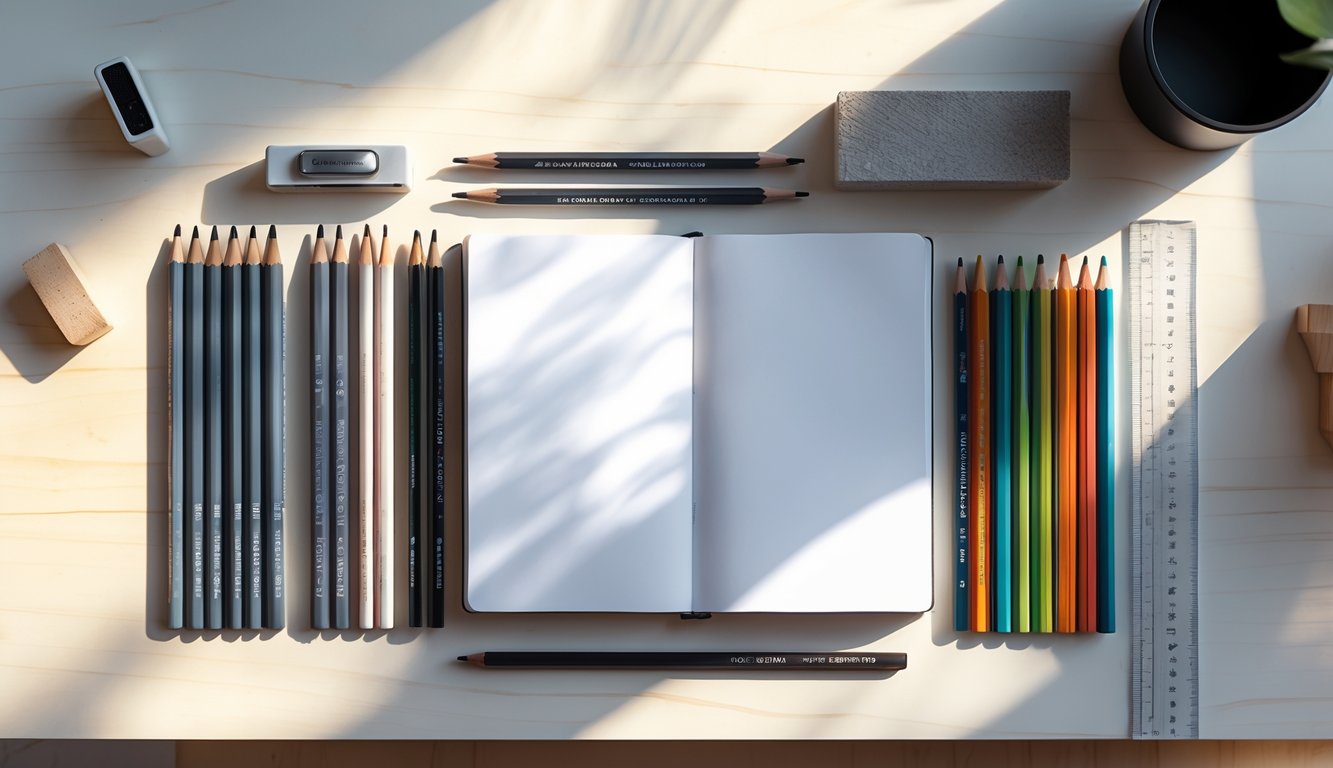
When you're starting to draw, having the right supplies makes a big difference. You need good paper, the right pencils, and an organized workspace. These things help you create better drawings and make drawing more fun.
Choosing the Right Paper
The kind of paper you use can change how your drawings turn out. A sketchbook is a good place to start. It’s portable and comes in different sizes. You can start with medium-weight paper, which is strong enough for pencil drawings and erasing.
If you use more water or ink in your drawings, try heavier paper. Heavier paper can absorb water without ripping. Look for paper labeled as watercolor or mixed media. These work well for drawings with ink and washes.
Besides weight, the texture of the paper is important too. Smooth paper is nice for fine lines and details. Textured paper can add interesting effects to your shading. At LindeHobby, you'll find paper that fits your style and project needs.
Basic Pencil Types and Uses
Pencils come in many types. It's helpful to know which ones to use. The H pencils are hard, making them great for light lines and detailed work. The B pencils are softer and make darker, bolder lines.
A HB pencil sits in the middle and is most like a regular writing pencil. It’s versatile for sketching and general use. A basic set of graphite pencils usually includes a variety of H and B pencils.
Consider using a mechanical pencil for precision. They are great for detailed drawings because you don't have to sharpen them. Colored pencils can also add different shades and tones to your art. Browse LindeHobby’s wide selection for high-quality, affordable options.
Keeping Your Workspace Organized
An organized workspace makes creating art more enjoyable. Use storage boxes or drawers to keep your pencils and erasers handy. Desk organizers help you arrange your supplies neatly, making it easy to find what you need.
Keep your paper flat and clean by storing it in a portfolio folder. This prevents it from creasing and keeps your drawings safe. Make sure your desk is in a well-lit area to help you see your work clearly.
A small tabletop easel can keep your paper upright and free up space on your desk. Check out LindeHobby’s selection to keep your workspace neat and inspiring.
Getting Started with Simple Drawing Techniques
Starting your drawing journey can be exciting. Mastering the basics, like lines, shapes, and shading, will build a strong foundation. With practice, you'll also learn to create texture and patterns that bring your drawings to life.
Practicing Lines and Shapes
Lines and shapes are the building blocks of drawing. Start with straight lines, using a pencil on paper without pressing too hard. Keep your hand relaxed for fluid motion.
Next, practice drawing basic shapes like circles, squares, and triangles. Combine them to make more complex images. For instance, a snowman can be drawn with stacked circles, while a house starts with a square.
LindeHobby offers a variety of sketch pads and pencils ideal for beginners. Browse through their collection to find budget-friendly sets that suit your needs.
Understanding Shading Fundamentals
Shading gives your drawings depth and dimension. Begin by practicing with a simple object, like an apple. Notice where the light hits and where the shadows form.
Use gentle pencil strokes to add gradations of light and dark. Try cross-hatching, using parallel lines, or stippling with dots to shade different areas.
Having the right tools makes a big difference. Explore LindeHobby's range of shading pencils, which offer precision and quality without breaking the bank.
Exploring Texture and Patterns
Textures and patterns can make a drawing more interesting. Texture shows how something might feel, like the roughness of bark or the softness of fur.
Start by observing everyday objects, noting the details. Practice sketching these textures by adding tiny lines or dots to represent the surface.
Patterns can add flair to your art. Use simple repeating designs to decorate backgrounds or clothing in your drawings. Experiment with different combinations to see what works best.
Visit LindeHobby for a fantastic array of art supplies to bring your artistic vision to life. Whether you're just starting or looking to explore advanced techniques, they offer something for every artist.
Creative Drawing Ideas for Beginners
Explore some exciting and accessible drawing ideas. From capturing still life and nature to doodling whimsical patterns, each idea offers a fun way to grow your skills.
Easy Still Life Concepts
Starting with still life can help sharpen your observation skills. Simple objects like a bowl of fruit or a vase can be excellent subjects. Arrange items with different shapes and shades to create contrast.
Try using just a pencil to focus on textures and light. Begin with basic outlines, then add shading to create depth. Experiment by redrawing objects from different angles to see how they change.
With practice, you’ll appreciate the small details and improve your drawing techniques. A good set of sketch pencils from LindeHobby can enhance your experience without breaking the bank.
Fun Nature Inspired Sketches
Nature offers endless inspiration. Begin with simple elements like leaves, flowers, or trees. Go for a walk and pick a few items to sketch.
Start by studying the shape and lines. Notice any unique features. Use these observations to guide your drawing. Sketching outside can also provide color inspiration.
Watercolor pencils are great for adding soft colors. You can find affordable materials suitable for beginners and advanced artists at LindeHobby. Nature sketches can evolve into beautiful, personalized artwork.
Step-by-Step Animal Drawings
Drawing animals is both challenging and rewarding. Start with basic shapes. Circles and ovals can form the body, while lines guide proportions.
Break the animal down into parts. Draw one section at a time, refining with details like fur or scales. Practicing each feature separately can help you understand their structure better.
Choose accessible animals, like cats, birds, or turtles as these are less complex. Quality sketchbooks and guides from LindeHobby can support your journey. Completing your drawing equips you to explore your skills further.
Whimsical Doodles and Patterns
Doodling patterns and whimsical shapes is a fun way to boost creativity. Begin with simple shapes like stars, hearts, or swirls. These can evolve into intricate designs over time.
Try combining different elements to create unique patterns. Experiment with colors to add visual interest. This technique is perfect for stress relief and can be done with minimal tools.
Ink pens from LindeHobby provide a smooth experience, making doodling enjoyable and creative. Turn your designs into greeting cards or custom bookmarks. Let your imagination guide you, and see where your creativity takes you.
Building a Consistent Drawing Habit
Creating a regular drawing routine helps improve your skills and makes the process more enjoyable. Consistency allows you to see your progress and gain confidence over time.
Setting Achievable Goals
Begin by setting small, realistic goals. Instead of vowing to draw every day, start with two or three times a week. This makes it easier to stick with it. You can slowly increase the frequency as drawing becomes more natural to you.
Consider setting specific time limits. For example, draw for just 10 minutes a session. Short, focused sessions prevent burnout. Another goal could be completing a small sketchbook each month. At LindeHobby, you'll find markers and sketchbooks perfect for setting and achieving your artistic goals.
Having clear goals gives you a sense of purpose. It motivates you to practice regularly and track your growth as an artist.
Tracking Your Progress
It's helpful to record your drawing journey. Keep a journal or calendar to note down each drawing session. Record what you drew and for how long. This creates a visual reminder of your progress and encourages you to keep going.
Another way to track your progress is by taking photos of your artwork over time. Compare them to see how your skills have improved.
Consider creating a digital gallery or social media account to showcase your work. Sharing your art with family or friends can provide motivation and encourage you to keep improving. Don’t forget to visit LindeHobby for all your drawing supplies!

