

Easy Watercolor Paintings for Beginners: Discover Your Creative Journey with LindeHobby
Trying watercolor painting can be a fun and soothing activity, perfect for beginners. You can create simple and beautiful watercolor artworks with just a few basic supplies and techniques. Even if you’re just starting, learning to paint with watercolors can help you explore your creativity and bring a splash of color into your day.
To get started, gather a few supplies: watercolors, brushes, and watercolor paper. You don’t need much to begin, and you can find many options, from beginner kits to premium materials, at LindeHobby. As you experiment, you'll learn how layering colors and playing with brush strokes can make fun patterns and scenes. These skills can turn into a relaxing routine, offering a creative break in your day.
Consider trying easy projects like painting simple landscapes, flowers, or abstract pieces to build your confidence. With practice, you can broaden your skills over time. You’ll find joy in seeing your progress, and maybe even display your creations at home or gift them to loved ones. LindeHobby has all the essentials to keep you inspired and ready for each new project.
See our drawing and painting assortment here
Key Takeaways
- Beginners can start watercolor with basic supplies.
- Practice builds skills and creativity in painting.
- LindeHobby offers materials for all skill levels.
Getting Started with Easy Watercolor Painting
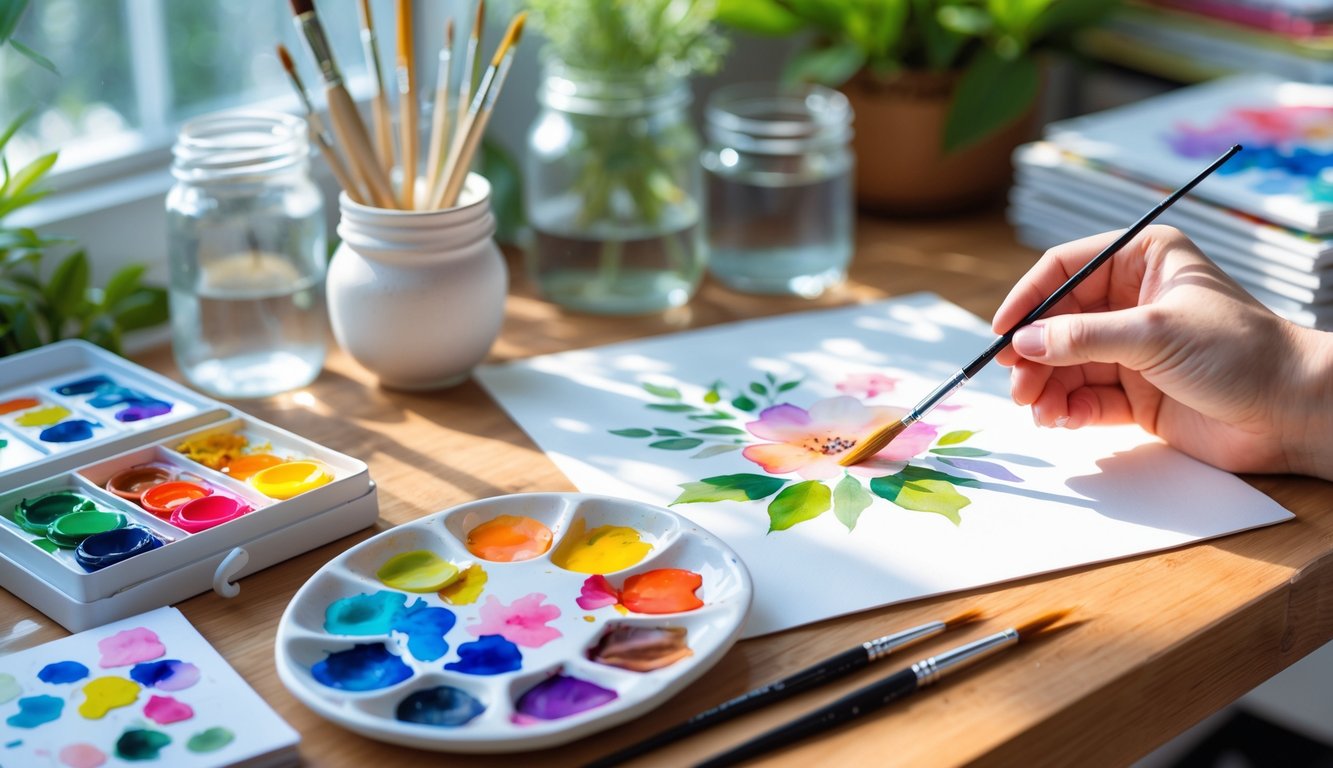
Getting into watercolor painting can be simple and enjoyable with the right approach. Having the right supplies, a comfortable space, and some basic skills is all you need to start creating beautiful artwork.
Essential Supplies for Beginners
To start watercolor painting, you need watercolor paints, brushes, and paper. Choose basic colors like red, blue, yellow, and green. This allows you to mix other colors easily.
Brushes come in various sizes and shapes. Get round brushes for versatility and a flat brush for broad strokes.
Watercolor paper is vital. It’s thicker and designed to handle water. Look for paper that is 140 lb (300 gsm) or heavier. If you choose LindeHobby, you'll find a wide range of quality options to match any budget.
Setting Up Your Painting Space
A comfortable space will make your painting more enjoyable. Find an area with good lighting. Natural light is best, but you can use a daylight lamp if needed.
Organize your supplies on a table. Keep your paints, brushes, and water containers within easy reach. You might also want to have paper towels or a rag handy for cleaning brushes and blotting excess water.
Minimize distractions in your painting area. Setting up a peaceful environment helps you focus better on your art. Explore different ways to make the space personal to inspire creativity.
Basic Watercolor Techniques
Begin with simple techniques like wet-on-wet. Wet your paper with clear water, then apply color. This allows paints to blend smoothly.
Try wet-on-dry for sharper edges. Paint directly onto dry paper for more defined lines. Another fun method is dry brushing, which uses less water for texture and detail.
As you gain confidence, experiment with these techniques. Try adding salt to wet paint for interesting textures or use masking tape to create clean edges. LindeHobby offers guides and tips for beginners eager to explore more.
Step-by-Step Simple Watercolor Projects
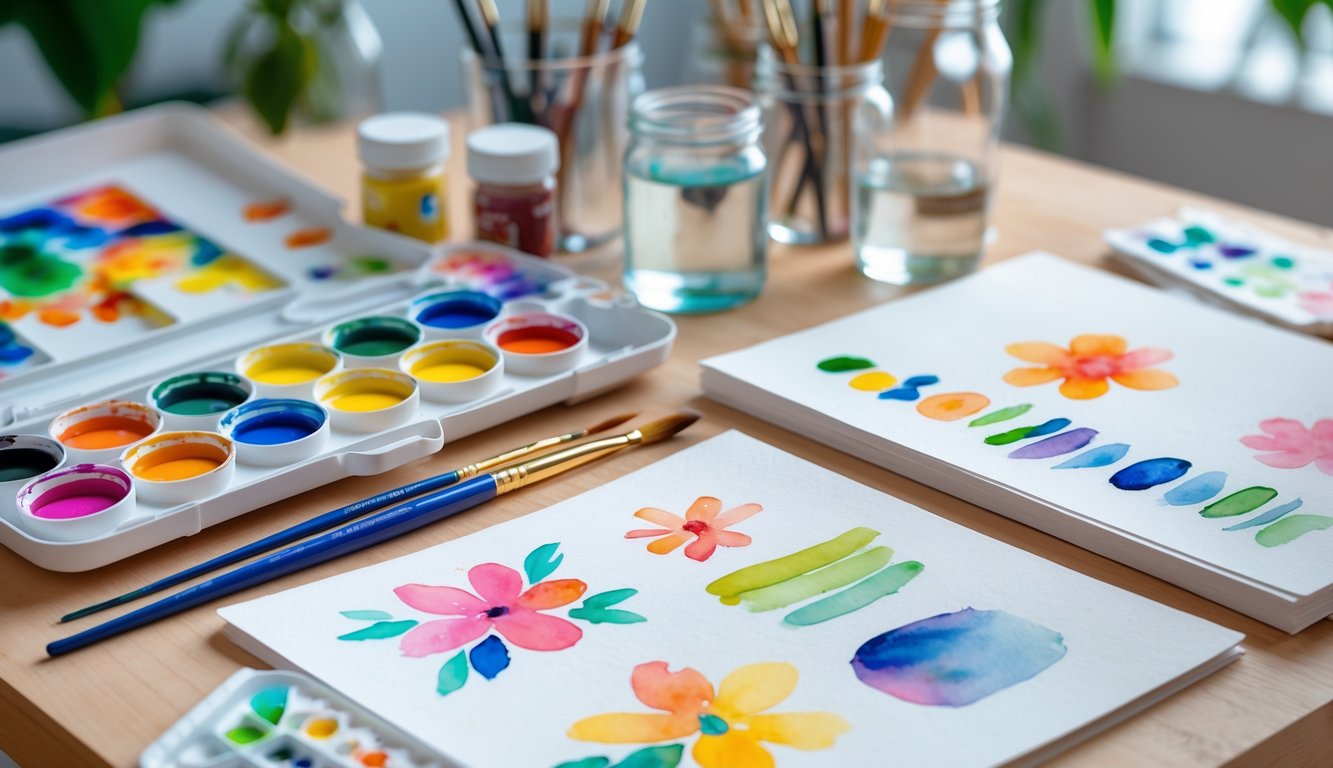
Explore easy watercolor projects designed to foster creativity while providing engaging instruction. Dive into techniques for painting flowers, landscapes, and animals, ensuring each project is accessible and enjoyable.
How to Paint Watercolor Flowers
Start with basic flower shapes like tulips or daisies. You'll need watercolor paper, brushes, and a quality paint set. Begin by sketching outlines with a light pencil.
Apply a light wash of color over the petals to create a soft base. Let it dry. Layer additional colors to add depth and dimension.
Focus on blending—the transition from one color to another should be smooth. Use wet-on-wet techniques for delicate petals. Experiment with shades to highlight features.
Consider using simple stencils for guidance, helping maintain proportions. Try painting individual flowers or small bouquets. Once finished, mount your work in a frame or use it to design cards.
Creating Easy Watercolor Landscapes
To capture landscapes, work with broad strokes and minimal detail. Choose a simple scene, like a sunset or a mountain view. Begin with a pencil sketch.
Start from the horizon, applying light colors for the sky. Use tones of blue and orange for sunsets. Let colors bleed gently into each other, creating a dreamy effect.
Move on to earth tones for foregrounds. Use sweeping motions for grasslands or gentle lines for hills. Experiment with layering to add texture to trees and water.
Use this project to convey mood and atmosphere with colors and techniques. Hang your completed works to brighten rooms, or create a themed collection.
Painting Simple Animals and Birds
Painting animals can be fun and rewarding. Start with easy subjects like birds or small mammals. Sketch the outline lightly; rely on reference images for accuracy.
Focus on color washes for the body and large areas first. Consider using gradients to suggest feathers or fur. A thin brush helps with details like eyes and beaks.
Blend colors for texture. Use short, quick strokes to create the appearance of soft fur. Feathered effects can be achieved by varying brush pressure and direction.
For added flair, customize backgrounds with abstract shapes or foliage. Your animal paintings make perfect decor for nurseries or can be given as thoughtful gifts.
Explore LindeHobby’s collection for all your watercolor needs. Discover our affordable kits, brushes, and paints to get started. Begin your watercolor journey today!
Tips for Developing Your Watercolor Skills
Watercolor painting can be a fun and rewarding hobby. Embrace vibrant color mixes and avoid common beginner mistakes. Stay patient, practice regularly, and see your skills bloom.
Common Mistakes to Avoid
One mistake beginners make is using too much water. This can cause colors to bleed into each other, giving less control over your painting. Start with a dry brush and add water gradually.
Avoid overworking the paper. If you brush over the same area repeatedly, you can ruin the texture. Let your work dry a bit before adding more layers. Choose quality paper like the ones offered by LindeHobby for better results.
Another mistake is using low-quality paints and brushes. Invest in decent materials even as a beginner. They make a big difference in the vibrancy and control of your work. Check LindeHobby’s selection for both affordable and premium choices.
Practicing Color Mixing
Start with primary colors: red, blue, and yellow. Mix them to create a variety of shades. This basic practice helps you understand how different colors interact.
Experiment with color combinations. Try mixing different hues to see what new colors you can create. This is crucial for painting realistic and vibrant scenes. Keep a color chart to track your discoveries.
Practice layering, as it enhances depth and texture. Begin with light colors and add darker shades over them. Use LindeHobby’s guides to explore creative mix ideas.
Try different techniques. For example, create gradients by gradually adding water. Or, lift color by blotting with a tissue. These techniques add interest and dimension to your paintings. Keep exploring to find your unique style.

