

Good Journaling Pens for a Craft Enthusiast’s Creative Journey
Choosing the right pen can make your journaling experience more enjoyable and meaningful. A good journaling pen can transform plain words into art, encourage your creativity, and keep you motivated to write. The most important quality of a good journaling pen is its ability to glide smoothly across the page without smudging. Whether you prefer vibrant colors or classic inks, the right pen can bring your thoughts to life on paper.
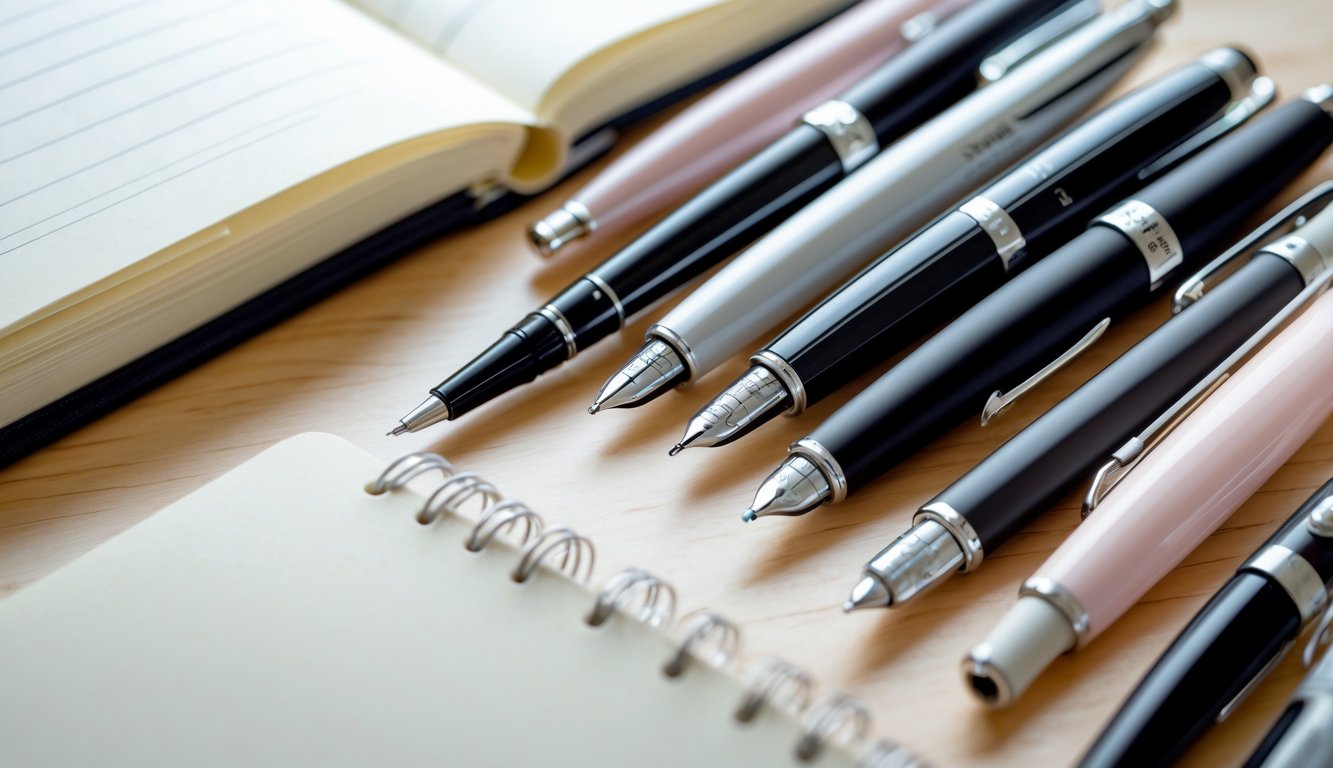
When it comes to picking a pen, consider what feels good in your hand and flows effortlessly onto the page. Some pens offer fine tips for detailed work, while others provide bold strokes for more expressive journaling. It's important to find a pen that reflects your style and purpose. Explore different options to discover your perfect match for every journaling session.
Journaling is more than just recording thoughts; it’s a way to relax, reflect, and express yourself. Having a reliable pen can make this process smoother and more enjoyable. As you explore your journaling journey, remember that the right tools, like a well-chosen pen, play a crucial role in making it successful and rewarding. Knowing which pen suits your style is a great step toward enhancing your writing experience.
Key Takeaways
- Good pens enhance your journaling by writing smoothly.
- There are many types, from fine tips to broad strokes.
- Choose a pen that suits your style and journaling purpose.
Essential Qualities of Good Journaling Pens
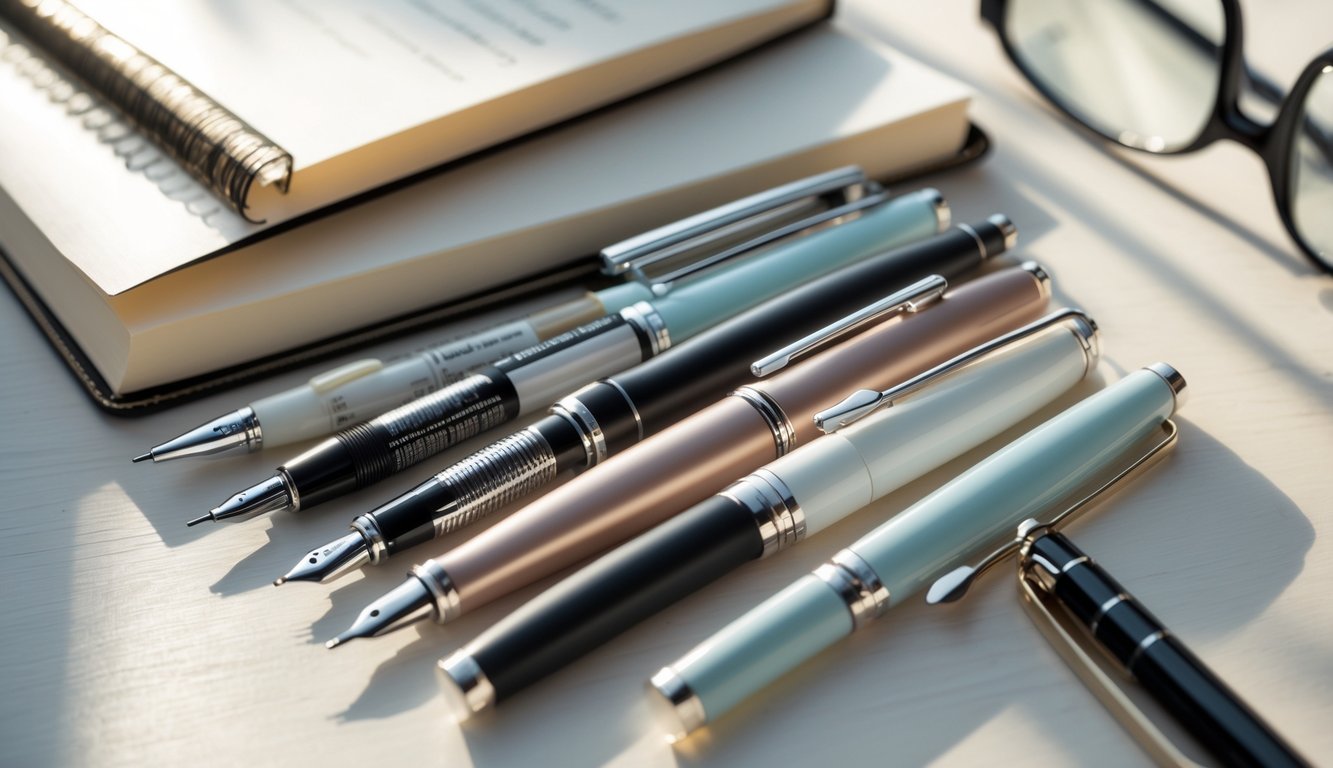
Finding the right pen for your journal can make a big difference in your writing experience. Essential qualities like smooth ink flow, comfortable grip, and quick-drying properties help make your journaling more enjoyable and neat.
Smooth Ink Flow
When choosing a journaling pen, how the ink flows is key. You want the ink to spread evenly on the page so your writing looks neat without skips or blobs. A smooth ink flow helps make your writing consistent and easy to read.
Journaling pens that use gel or rollerball ink often provide this silky experience. Test different pens to find one that suits your style. Some pens offer bold lines, while others have delicate strokes. Visiting a store like LindeHobby can help you explore a wide range of quality pens. This way, you can pick the ones that glide effortlessly across the page.
Comfortable Grip
Comfort is another important factor when you're journaling for a long time. A pen with a good grip feels nice in your hand and reduces strain. Look for pens with rubber or cushioned grips, as they conform to your fingers, making writing more pleasant.
Consider the shape of the pen too. Some prefer sleek and slim designs, while others like thicker barrels. Trying a few styles helps you find the right fit for your hand. At LindeHobby, you can experiment with various options to see what feels best. This ensures you can write for hours without discomfort.
Quick-Drying and Smudge Resistance
Quick-drying ink is a must if you want to avoid smudges. This is especially important for left-handed writers or anyone who tends to drag their hand over freshly written words. Many high-quality pens have specially formulated quick-drying ink to prevent messes.
When selecting pens, try writing on different paper types to see how fast the ink dries. Pairing the right pen with compatible paper will help keep your journal tidy. You can find a variety of pens with quick-drying ink at LindeHobby. They offer a range of colors and styles to make your journaling experience both clean and vibrant.
Top Types of Pens for Journaling
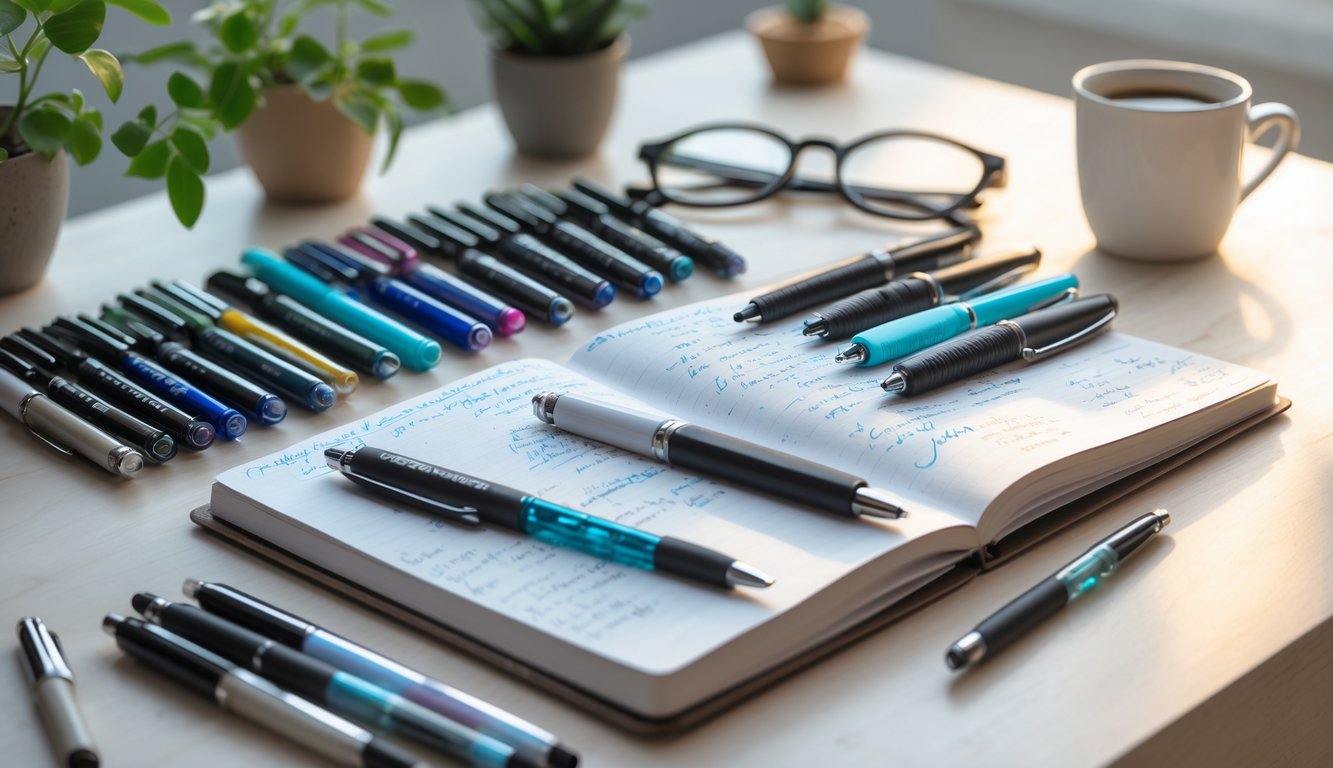
For many, choosing the right pen can make a difference in journaling. Each type offers unique writing experiences, affecting clarity, flow, and comfort.
Gel Pens
Gel pens are popular for their smooth and vibrant writing. They glide effortlessly across paper, which makes them ideal for clean and consistent lines.
These pens use gel-based ink that is often fade-resistant and comes in a wide variety of colors. This characteristic is perfect for adding a splash of color to your pages.
They dry relatively fast, minimizing the risk of smearing. If you enjoy doodling or adding highlights in your journal, gel pens can be a fun and artistic choice. Their affordability and availability in multipacks make them a go-to option for many hobbyists.
Fountain Pens
Fountain pens offer an elegant writing experience with their sophisticated feel and customizable options. They use water-based ink, which flows smoothly and produces rich lines.
Their nibs range from fine to broad, allowing for different writing styles and techniques. Though they require more practice for optimal use, many find the experience rewarding.
Regular maintenance is necessary to prevent clogging and leaks. With a bit of care, fountain pens can last for years. Those who appreciate craftsmanship and tradition might find these pens a wonderful addition to their journaling setup.
Ballpoint Pens
Ballpoint pens are known for their reliability and practicality. They use oil-based ink, which writes smoothly and dries quickly, reducing smudges.
These pens are widely available and often quite affordable. Their consistent performance makes them a staple for daily journaling.
While ballpoint pens might lack the vivid colors of gel pens, they are perfect for straightforward note-taking. For those starting their journaling journey, ballpoint pens offer a dependable and budget-friendly choice.
How to Choose the Right Journaling Pen
Choosing the perfect journaling pen involves considering paper compatibility and your nib preferences. Each factor can impact your writing style and the final look of your journal pages. Knowing how these elements can work together will enhance your journaling experience.
Paper Compatibility
The type of paper you use determines how well your pen will work. Some pens write smoothly on high-quality paper but may bleed through thinner sheets. Gel pens are usually versatile, offering vibrant colors without bleeding, especially on thicker paper.
Ballpoint pens are also a good choice. They work well on most paper types and are less likely to show through. Brush pens, with their flexible tips, need sturdier paper to prevent feathering.
When in doubt, test your pen on a corner of the paper. This helps you see if the ink spreads or bleeds. For best results, use paper designed for journals or sketchbooks.
Nib Size and Style Preferences
Nib size affects both the look and feel of your writing. Fine-tip pens are ideal for small, detailed work and neat handwriting. Medium or broad tips create thicker lines and are great for bold lettering.
The style of the nib, like brush or felt-tip, also influences your writing. Brush nibs allow for more expressive strokes and are popular for calligraphy. Felt tips, on the other hand, offer consistent lines great for everyday journaling.
Consider what you enjoy writing or drawing. If you love drawing details, go for a fine nib. For decorative touches, a brush tip is a perfect choice. Enjoy the process of finding your favorite pen with these preferences in mind.
Grab your journal and see which pen fits your unique style. LindeHobby has a fantastic range, so you can explore your creativity with the right tools.
Care Tips and Pen Maintenance for Journalers
Taking care of your journaling pens helps them last longer and write better. Learn how to store them properly and keep them clean for the best writing experience.
Proper Storage
Store your pens horizontally to help the ink flow evenly. Keeping them upright with the nib down might cause ink to leak, especially if the cap isn't tight.
Avoid direct sunlight when storing your pens. Sunlight can cause ink to dry out or pens to crack. If you have a favorite desk drawer or a special pen case, keep your pens there.
Temperature matters too. Extreme cold or heat can damage pens. A pen left in a hot car might leak, while a cold room could make the ink sluggish. The best environment is a cool, dry place.
Cleaning and Refilling
Regular cleaning of your pens helps maintain smooth writing. Use warm water and a soft cloth to clean the exterior. For the nib, rinse with water and wipe it gently.
If your pen is refillable, replace the ink before it completely runs out. This prevents air from drying the nib and keeps the pen ready to write.
For fountain pens, clean them every few weeks to prevent ink buildup. You can use a cleaning solution or simply rinse the nib under water. Make sure to dry it completely before refilling to avoid any smudging or dripping.
Proper care ensures your pens write smoothly every time you use them.

