

How Long Does It Take to Learn How to Crochet: A Journey with LindeHobby
Crochet is a wonderful skill that brings joy and relaxation. Whether you want to make cozy blankets or stylish accessories, this craft can be both fun and useful. If you're new to crochet, you might wonder, "How long does it take to learn?" Most people can learn the basics of crochet in a few weeks with regular practice. Longer projects and complex patterns may take more time, but the journey is part of the fun.
Learning to crochet can be deeply rewarding. It encourages creativity and offers a calming break from daily routines. Having a hobby like crochet can also be fulfilling as you watch your projects come to life. Many find it soothing to create beautiful pieces with just yarn and a hook. It's a craft that grows with you, offering new challenges and techniques as you become more skilled.
LindeHobby provides everything you need to start your crochet adventure. Whether you are just beginning or looking to master advanced techniques, we offer a variety of yarns and hooks to suit all levels and budgets. Start creating today—each stitch is a step toward a masterpiece.
See all our crochet patterns here
Key Takeaways
- Learn basic crochet in a few weeks.
- Enjoy relaxation and creativity.
- Find supplies at LindeHobby.
Understanding the Basics of Crochet
Crocheting is a relaxing hobby that requires the right tools and a few essential stitches. By understanding some common beginner mistakes, you can start creating beautiful projects more effectively.
Essential Tools and Materials
When starting out in crochet, having the right tools makes a big difference. You'll need a crochet hook, yarn, scissors, and a yarn needle. Crochet hooks come in different sizes, and the size you need depends on your yarn. For beginners, a medium-weight yarn and a size H/8 (5 mm) hook are good starting points.
Types of Yarn: Yarns vary in texture and thickness. Cotton and acrylic yarns are great for newbies. They’re affordable and easy to work with.
Budget Tip: LindeHobby offers beginner kits that include everything you need. You can choose from various yarns and hooks, perfect for any budget.
Fundamental Stitches to Learn
Learning a few basic stitches will set you on your crochet journey. The most common ones are the chain stitch, single crochet, and double crochet. Start by mastering the chain stitch, which forms the foundation of most patterns.
- Chain Stitch (ch): The starting point of most projects.
- Single Crochet (sc): Used for tight and dense patterns.
- Double Crochet (dc): Versatile, creating airy and light fabric.
As you practice, try combining these stitches for more complex designs. You might even experiment with granny squares, a favorite beginner project. They’re perfect for making blankets or scarves and allow freedom in color and size.
Common Beginner Mistakes
As you start crocheting, it’s easy to make mistakes. A common one is inconsistent tension, which makes your work uneven. Practicing your grip can help achieve even stitches. Another mistake is skipping stitches accidentally, leading to uneven edges.
Tip: Count your stitches at the end of each row to keep your project on track. Make use of stitch markers to help with this. These small fixes can lead to better results and a more enjoyable experience.
Finally, don’t rush. Crocheting is about enjoying the process. Mistakes are part of learning, and each project will get better with time. When you're ready, consider browsing LindeHobby’s range of yarns and hooks to expand your crochet toolkit.
Typical Learning Timeline for Crochet
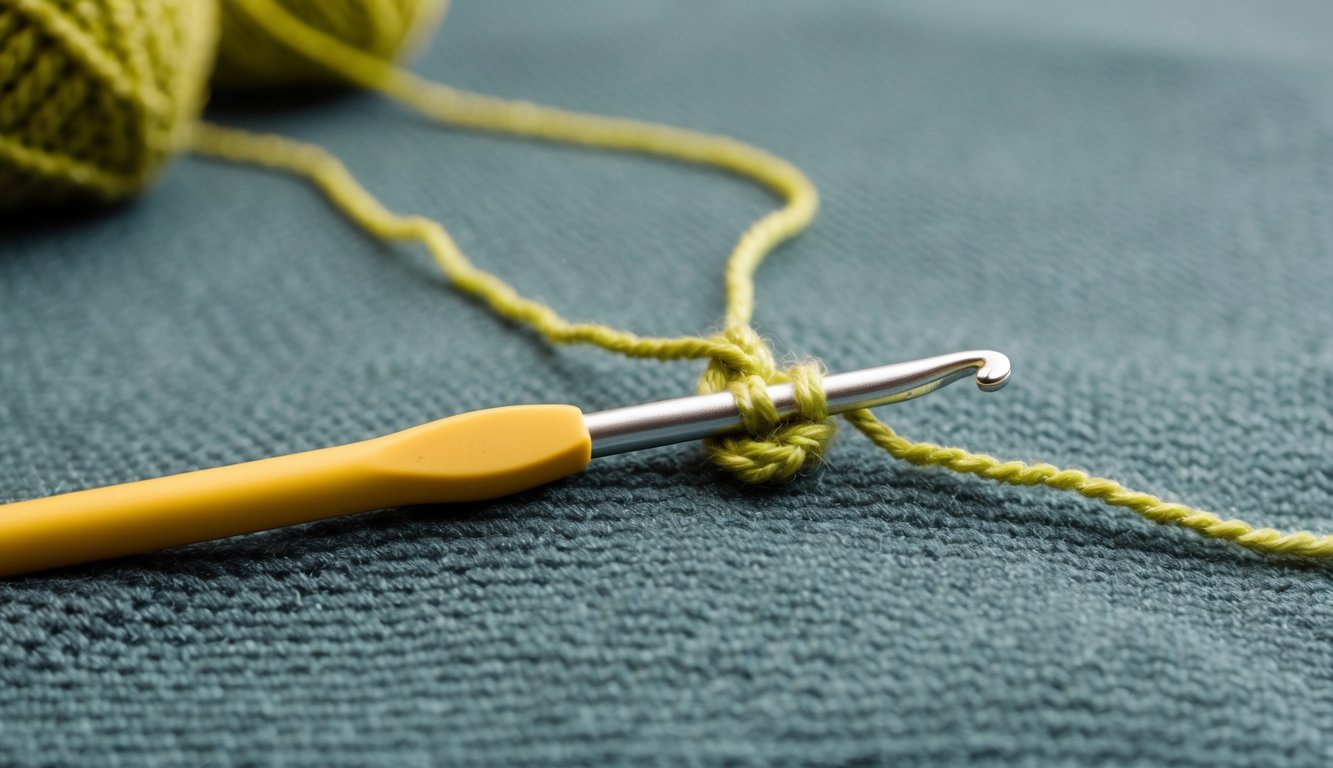
Learning to crochet is a rewarding journey that unfolds in stages. You start with the basics, move to more complex projects, and eventually master advanced patterns. Everyone progresses at their own pace, making crochet a unique and personal skill.
How Long It Takes to Learn Basic Techniques
When starting out, you'll spend time learning foundational skills like making chains and simple stitches such as single crochet and double crochet. Patience is key. You can understand these basics in a couple of weeks with regular practice.
Beginners often find it helpful to use chunky yarn and an larger crochet hook. These materials are easier to work with and make it simpler to see your stitches. Budget-friendly kits are available that include everything you need.
You might also find tutorial videos useful. They break down each step, making the process easier to follow. By practicing these skills regularly, you'll build a strong foundation to tackle more intricate projects.
Progressing to Intermediate Projects
Once you're comfortable with basic stitches, you can start exploring intermediate projects. These might include stylish hats, cozy scarves, or some simple home décor items. Typically, it takes a couple of months of consistent practice to reach this stage.
At this point, you'll start learning about different stitch patterns and how to increase or decrease stitches. It's an exciting step where your creativity can flourish. You can also explore new yarn textures and colors to personalize your projects.
Having a good set of tools can make a big difference. Consider investing in higher-quality needles and yarns. They may be more expensive, but they make your crafting experience much more enjoyable.
Mastering Advanced Patterns
Mastering advanced patterns requires patience and dedication. Think of creating intricate items like lace shawls or detailed clothing. These patterns involve complex stitches and techniques. For many, reaching this stage can take six months to a year, depending on how often they crochet.
You'll experiment with varied yarns and hooks, adding diversity to your projects. Working through these patterns will refine your skills and deepen your appreciation for the craft. Try different styles and fibers available at LindeHobby, which offers a vast selection.
Advanced crocheters also learn to read patterns and diagrams, essential skills for tackling complex projects. Remember, practice and perseverance open up endless possibilities for creativity.
Factors That Influence Learning Speed
When learning to crochet, how quickly you pick up the skill can depend on various elements. Some key factors include how often you practice, the resources and methods you use, and your personal motivation.
Consistency and Practice
Practicing regularly is crucial. Setting aside time each day or week helps keep skills fresh and builds muscle memory. Short, frequent practice sessions are often more effective than longer, infrequent ones.
You might start with simple projects like pot holders or scarves to avoid getting overwhelmed. Repeating basic stitches such as chain, slip stitch, and single crochet will build a solid foundation. Over time, the effort and dedication you put in will pay off, especially when you also incorporate more advanced techniques.
Learning Resources and Methods
The type of resources you use can greatly impact your progress. Online video tutorials, crochet kits, and beginner guides are widely available and can cater to different learning styles. Visual learners might benefit more from step-by-step videos, while others may prefer reading instructions.
It’s helpful to start with high-quality yarn and hooks, which you can find at LindeHobby. Good tools make learning easier and more enjoyable. Experimenting with materials can also enhance creativity and inspire new ideas.
Motivation and Personal Goals
Your motivation plays a big role in learning speed. If you set personal goals, like making a hat or blanket, you give yourself something to work toward. Achieving these goals boosts confidence and keeps you motivated to learn more.
Think about why you're learning crochet: Is it to make gifts, decorate your home, or simply as a hobby? Connecting this purpose to your everyday life adds meaning. The sense of satisfaction when you complete a project can drive you to tackle more challenging ones.
Whether you’re looking to crochet for relaxation or productivity, LindeHobby has everything you need to get started. Take the first step by exploring our selection of yarns and tools to find the perfect materials for your next creation!
Tips for Accelerating Your Crochet Journey
Learning to crochet can be a rewarding experience. Having a plan and joining a community can make your journey faster and more enjoyable. Here's how simple steps and community connections can help you improve your skills.
Setting Achievable Milestones
Begin by defining clear goals. Decide what you want to make, like a scarf or a hat. Break down these projects into smaller tasks. For example, start by mastering a single stitch before moving on to more complex patterns.
Creating a timeline helps to keep you on track. Allocate specific days or times for practice, ensuring steady progress without feeling overwhelmed. Celebrate each completed milestone to stay motivated. Using a journal or planner to track these steps can give a clear view of your journey and progress.
Joining Crochet Communities
Find groups or forums where you can connect with fellow crochet lovers. These communities are excellent for sharing tips, discovering new patterns, and asking questions. Joining a local crochet group or online forums can lead to friendships and enhance your skills.
Sharing your work and learning from others can boost your confidence. Many communities offer online classes, video tutorials, and meetups. Participating in these can introduce you to different techniques and tricks firsthand. This support can ignite creativity and push your crochet skills further.
Tracking Your Progress Over Time
Keep a record of your progress by setting and reviewing goals monthly. Use a notebook, mobile app, or spreadsheet to jot down what you’ve learned and what you aim to try next. Observing your improvements keeps your motivation high.
Photograph or document completed pieces to see your growth. Each photo tells a story of your development and helps identify areas where you excel or need more practice. This reflection not only boosts confidence but also highlights improvements, making the journey all the more satisfying.
Learning crochet is easier when broken into steps. As you grow, consider exploring LindeHobby's vast range of supplies to find the perfect yarns and hooks for your next project. Join the community and share your creations!

