

How to Block a Crochet Project: Enhance Your Craft with LindeHobby's Expert Tips
Blocking a crochet project is an essential step that can make your finished piece look polished and professional. It helps relax the yarn and even out stitches, resulting in a more refined appearance. Whether you're crafting a cozy blanket or a stylish scarf, blocking adds that final touch of perfection.
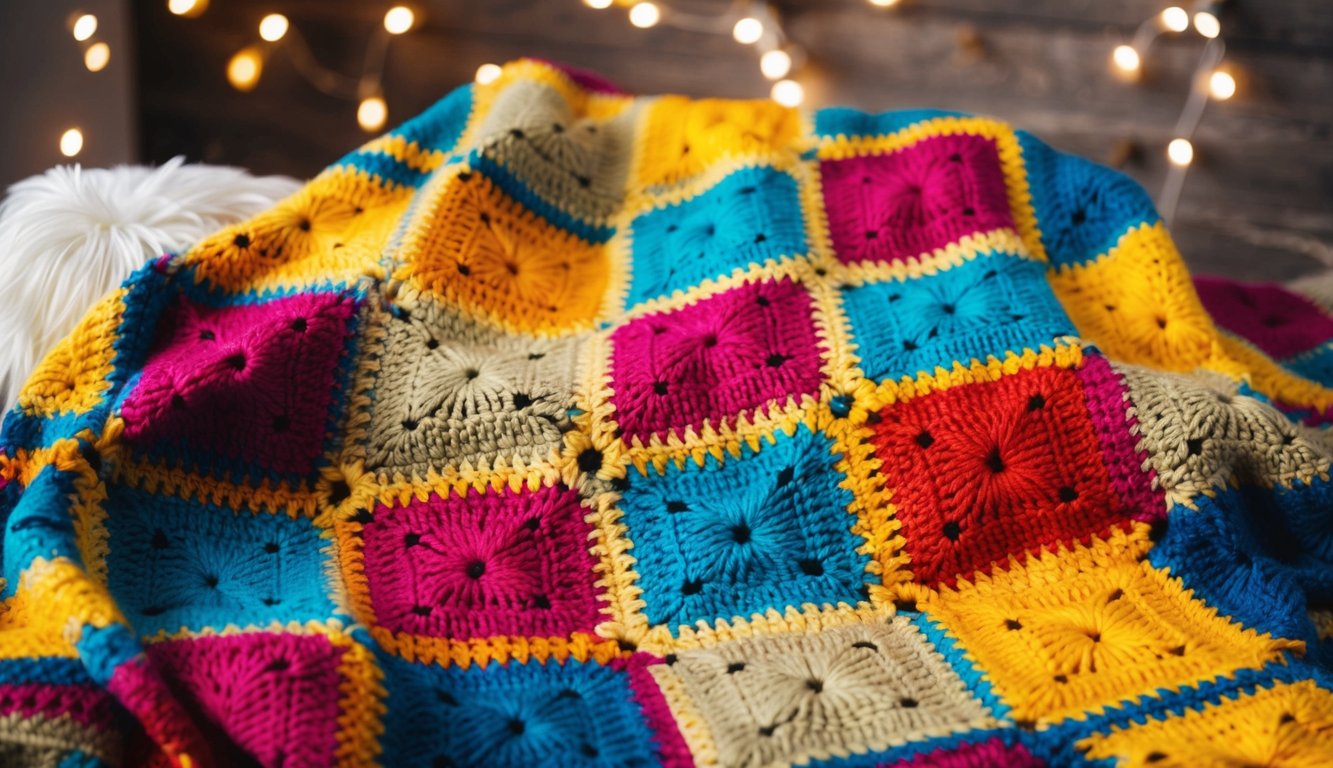
For yarn lovers, blocking is not merely a technical step; it's a satisfying part of the creative process. It transforms your hard work, enhancing the texture and drape, making your creations look store-bought. Dive into the magic of blocking to elevate your crochet craftsmanship, bringing out the best in every stitch.
Blocking might sound intimidating if you're new, but it's actually quite simple. With a few supplies and some patience, you can turn your crochet projects into beautiful pieces of art. Plus, LindeHobby offers everything you need to start, from quality yarns to various hooks. Browse our wide selection to find the perfect materials for your next crafting adventure.
See all our crochet patterns here
Key Takeaways
- Blocking makes crochet projects look polished.
- It relaxes yarn and evens out stitches.
- LindeHobby offers supplies for all your crochet needs.
Understanding Blocking
Blocking is a crucial step in finishing crochet projects. It helps shape the item to its intended size and highlights the details. To make the most of this process, let's explore its benefits and various techniques.
Benefits of Blocking
Blocking helps set the shape of your crochet piece. By pinning it to a desired size, you ensure that your item matches the pattern's dimensions. This is especially useful for garments or items that need to fit properly.
Improves Texture and Drape: Blocking softens the fibers, giving them a smoother texture. This not only feels better but also looks more polished. For drapey shawls or scarves, this effect is a game-changer.
Enhances Stitch Definition: Bumpy or uneven stitches can be smoothed out with blocking. Patterns become clearer, and individual stitches stand out more. It's like putting your project through a mini makeover.
Different Blocking Techniques
Wet Blocking: This method is often used for natural fibers. You soak your finished piece in water, gently squeeze out excess, and then shape it on a flat surface. Pin in place and allow it to dry completely.
Steam Blocking: Using an iron or steamer, hover over your project to relax the fibers. Great for acrylic yarns, this keeps your hands dry while still shaping your work.
Spray Blocking: Perfect for delicate items, lightly mist water over the fabric. Pin down the size and shape, then let it air dry. It's gentle, preventing any unwanted stretching or distortion.
Each technique has unique strengths. Consider your yarn type and project needs to choose the best method. For the materials, check out LindeHobby to find budget-friendly and premium supplies to help elevate your crochet creations. Start blocking like a pro and add the perfect touch to all your projects!
Preparing to Block Your Project
Blocking your crochet project can enhance its look and feel. Before starting, gather the right tools and measure your piece to ensure perfect results.
Choosing the Right Tools
Select your blocking equipment based on your project needs. Blocking mats provide a flat surface, while pins and T-pins secure your crochet work. Spray bottles help dampen the fibers evenly. If needed, blocking wires are great for straight edges.
For those on a budget, household items can substitute. Towels offer a soft base, and sewing pins can replace T-pins. Choose materials wisely to prevent color transfer from mats or towels to your yarn. At LindeHobby, we have affordable and premium options for every budget. Start your journey with the tools best suited for your project.
Measuring Your Project Before Blocking
Accurately measuring your piece helps achieve desired dimensions. Lay the crochet item flat and smooth out wrinkles. Use a measuring tape to check length and width. Keep measurements close by during blocking to ensure the project matches your vision.
For garments, consider desired fit like loose or snug. Measure finished bust size, sleeve length, or neck opening for wearables. If the piece is home decor, think about the space it'll occupy. These details make sure your project looks perfect wherever you display it.
Executing the Blocking Process
Blocking a crochet project helps to shape and set the final piece. This process involves wetting the item, pinning it into shape, and allowing it to dry fully.
Wetting Your Crochet Project
Begin by soaking your crochet piece to make the fibers more flexible. Fill a basin with lukewarm water and add a mild detergent. Gently submerge the project.
Ensure it becomes completely saturated but don't agitate or wring it out, as this could distort the fabric.
Once soaked, carefully remove the item and press out the excess water. You can place it between towels and gently press. This method keeps the fabric in good shape, preparing it for the next step: pinning.
Pinning Your Project to Shape
After removing the excess water, lay your crochet project flat on a blocking mat.
Blocking mats are ideal because they are usually marked with grids, making it easier to shape and align your work. Use rust-proof pins to pin the edges of your project into the desired shape. Ensure even spacing and adjust as needed for symmetry. Don't stretch too tightly; tension should be firm but gentle to prevent damage.
If your piece has intricate designs or unique features, take extra care to maintain their integrity while shaping.
Allowing Your Project to Dry
Once pinned, leave your project to air dry completely. This might take several hours or a full day depending on the thickness of the yarn and the environmental conditions.
Be patient and avoid shortcuts like using a hairdryer, as it may cause shrinkage or damage.
When dry, carefully remove the pins. Your crochet project should now maintain its shape beautifully. Show off your finished piece or give it as a thoughtful handmade gift. Remember, for future projects, the materials and tools from LindeHobby can make all the difference in quality and outcome.
Finishing Touches
After blocking your crochet project, it's time for some final steps. These touches ensure your work maintains its shape and is ready to use or display. Proper handling during this stage is crucial for the lasting quality of your project.
Removing Pins and Testing Edges
First, gently remove the pins. Pull them out straight to avoid stretching your work. Hold the fabric near the pin to maintain control.
Once unpinned, assess the edges. Check that edges are straight and corners are sharp. If any part seems uneven, you may need to re-block that area.
Testing the edges involves lightly tugging on the fabric. Ensure it holds its shape. If any part seems loose or misaligned, some additional blocking might be necessary. This step helps reinforce the shape for durability.
Storing Blocked Projects
Once blocking is complete, store your project properly to keep it in the best condition. Avoid folding heavily, as this can create creases.
If possible, lay it flat or use a padded hanger for clothing items. For larger items like blankets, roll them gently.
Store your work in a cool, dry place to avoid moisture damage. Adding a sachet of lavender or cedar can help keep moths away.
Consider materials like acid-free tissue paper for delicate pieces. This ensures long-term protection. By following these steps, you help your project to last longer and stay as beautiful as when you first finished it.
For more tips and a selection of storage options, check out LindeHobby's resources. Browse our wide selection of yarns and hooks to start your next project today!

