

How to Color Flowers with Colored Pencils: A Creative Guide for Hobbyists
Coloring flowers with colored pencils can bring your artwork to life and offer a relaxing escape from the everyday rush. Whether you are a beginner or have some experience, this hobby lets you experiment with colors and express your creativity. To color flowers effectively, blend the colors softly to achieve a natural look.
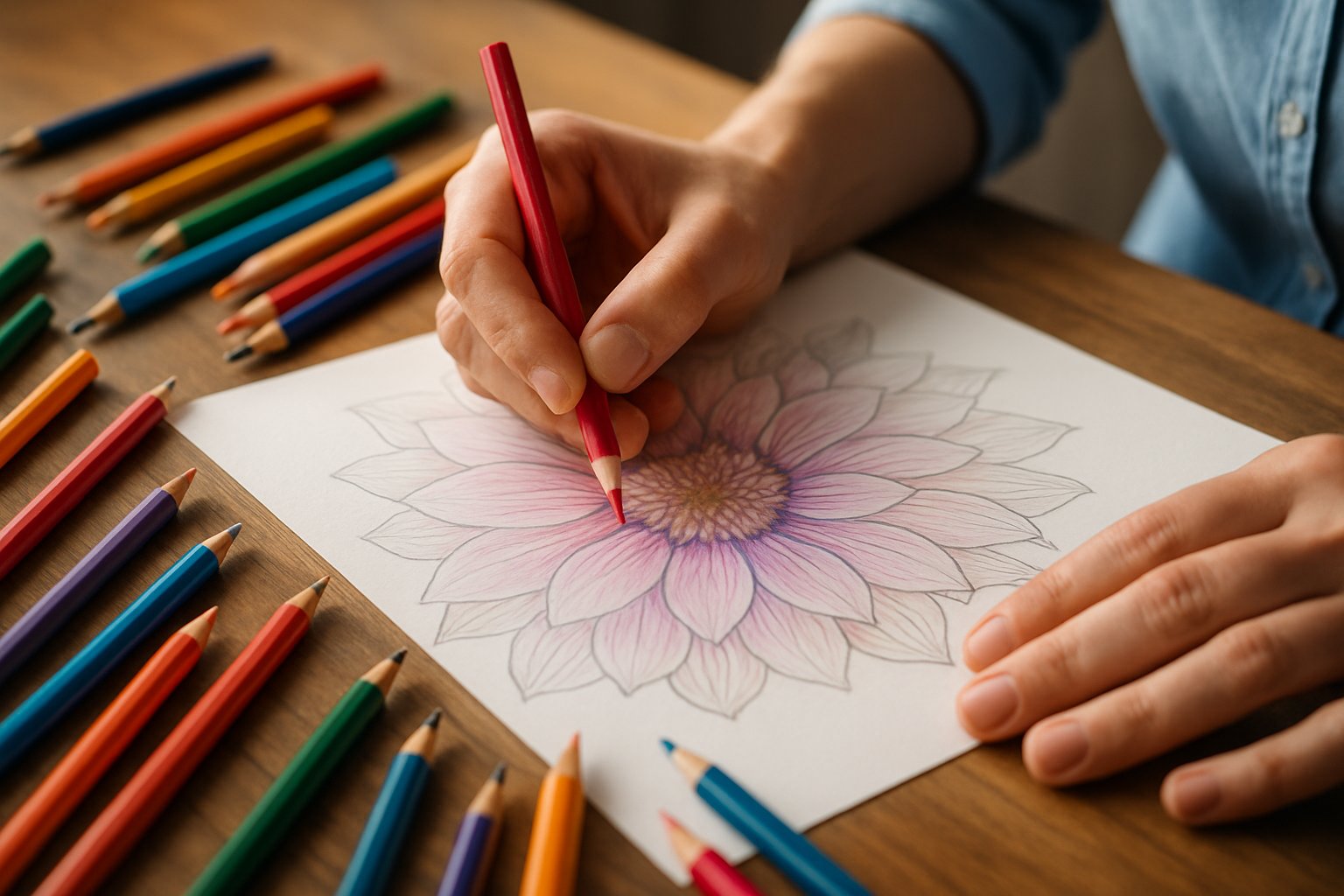
Imagine turning a simple sketch into a vibrant masterpiece with just a few strokes of colored pencils. The right materials and technique are all you need to recreate the beauty of a blooming garden on paper. Starting with some basic tips, you'll soon be capturing the delicate petals and intricate details like a pro.
By following straightforward steps and expert suggestions, you can quickly enhance your coloring skills. Explore LindeHobby’s extensive range of materials to find colored pencils and accessories perfect for your project. Discover the joy of creating stunning floral art and let your imagination bloom.
See our drawing and painting assortment here
Key Takeaways
- Choose quality colored pencils and paper.
- Blend colors for lifelike flower art.
- Explore LindeHobby for all your art needs.
Essential Materials For Coloring Flowers With Colored Pencils
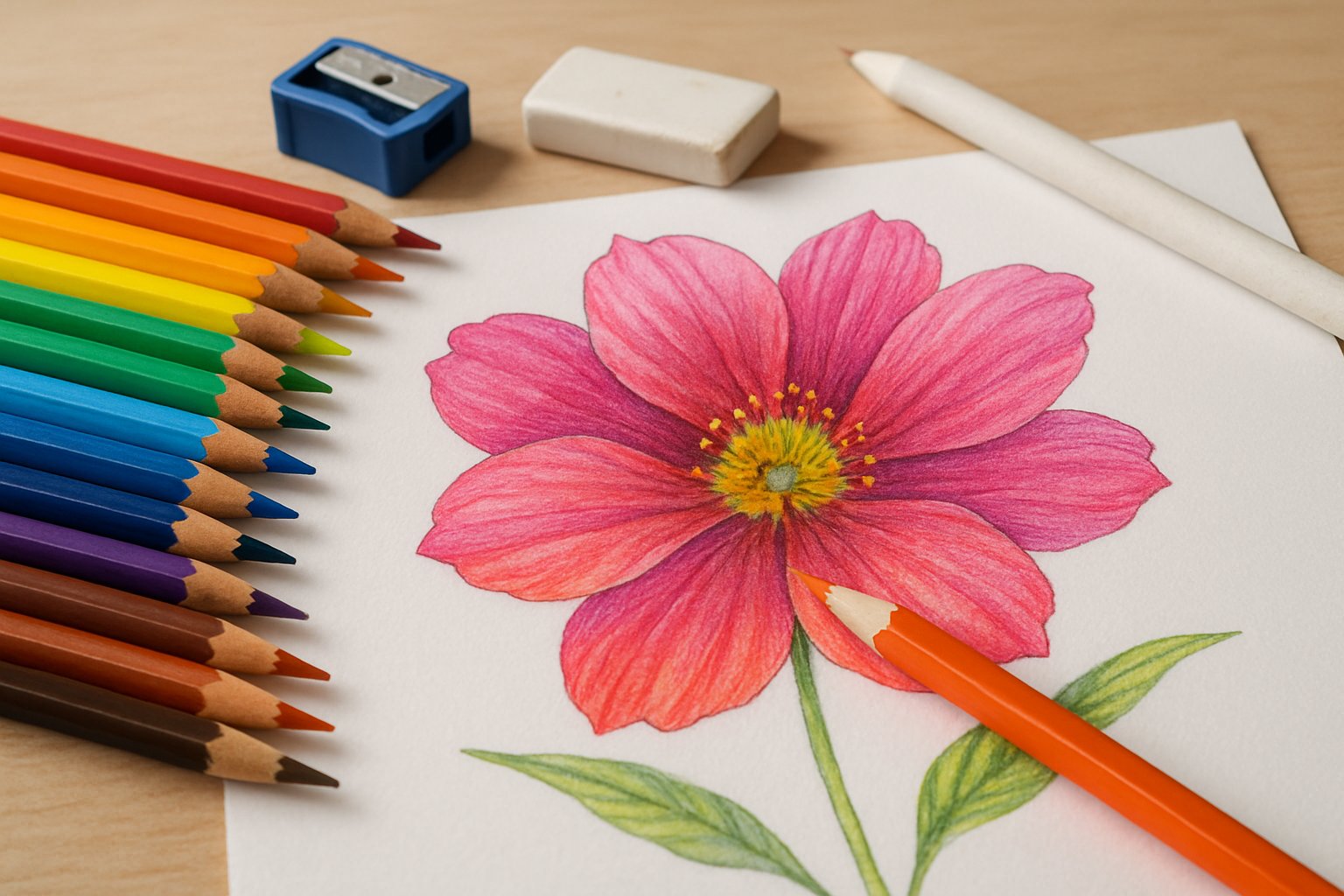
Crafting beautiful floral artwork with colored pencils can be a rewarding and calming hobby. To achieve the best results, you'll need specific materials like quality pencils, the right paper, and helpful tools for blending and detailing.
Choosing the Best Colored Pencils for Floral Artwork
Using good colored pencils is key to making your flower artwork vibrant and rich. Look for pencils with smooth, soft leads, which allow colors to blend seamlessly. Wax-based pencils are known for their bright colors and ease of layering, making them ideal for flowers. Consider brands like Prismacolor or Faber-Castell, which are popular for their wide color selections.
When starting, a basic set with a range of 24 colors can be sufficient. As you progress, expanding to larger sets can offer more shades for complex flowers. Beginners might find budget-friendly kits from LindeHobby a great starting point, while more experienced artists will appreciate premium selections for detailed work.
Selecting the Right Paper for Smooth Results
Choosing the right paper impacts how your colored pencil drawings turn out. Opt for paper with a smooth texture, often called hot-press watercolor paper or bristol board. These types of paper allow you to create even strokes and blend colors without catching the pencil tip.
Thickness matters too! Thicker paper can handle more layers and blending without tearing. Look for paper weights around 300gsm for the best durability and quality. For those on a budget, sketchbooks from LindeHobby offer affordable options without sacrificing quality, ensuring every piece stands out beautifully.
Helpful Tools for Blending and Detailing
To bring your floral art to life, blending and detailing tools are essential. Tools like blending stumps or tortillons will help you smoothly merge colors, creating natural gradients in petals and leaves. Additionally, kneaded erasers can shape highlights effectively, adding depth and realism.
For fine details, consider using sharp pencils or fine-tipped pens to accentuate outlines and veining. Having a variety of these tools ensures you can handle different textures and effects in your floral pieces. LindeHobby provides a range of these accessories, ensuring that you have everything needed to complement your artistic efforts.
Step-By-Step Techniques For Coloring Flowers
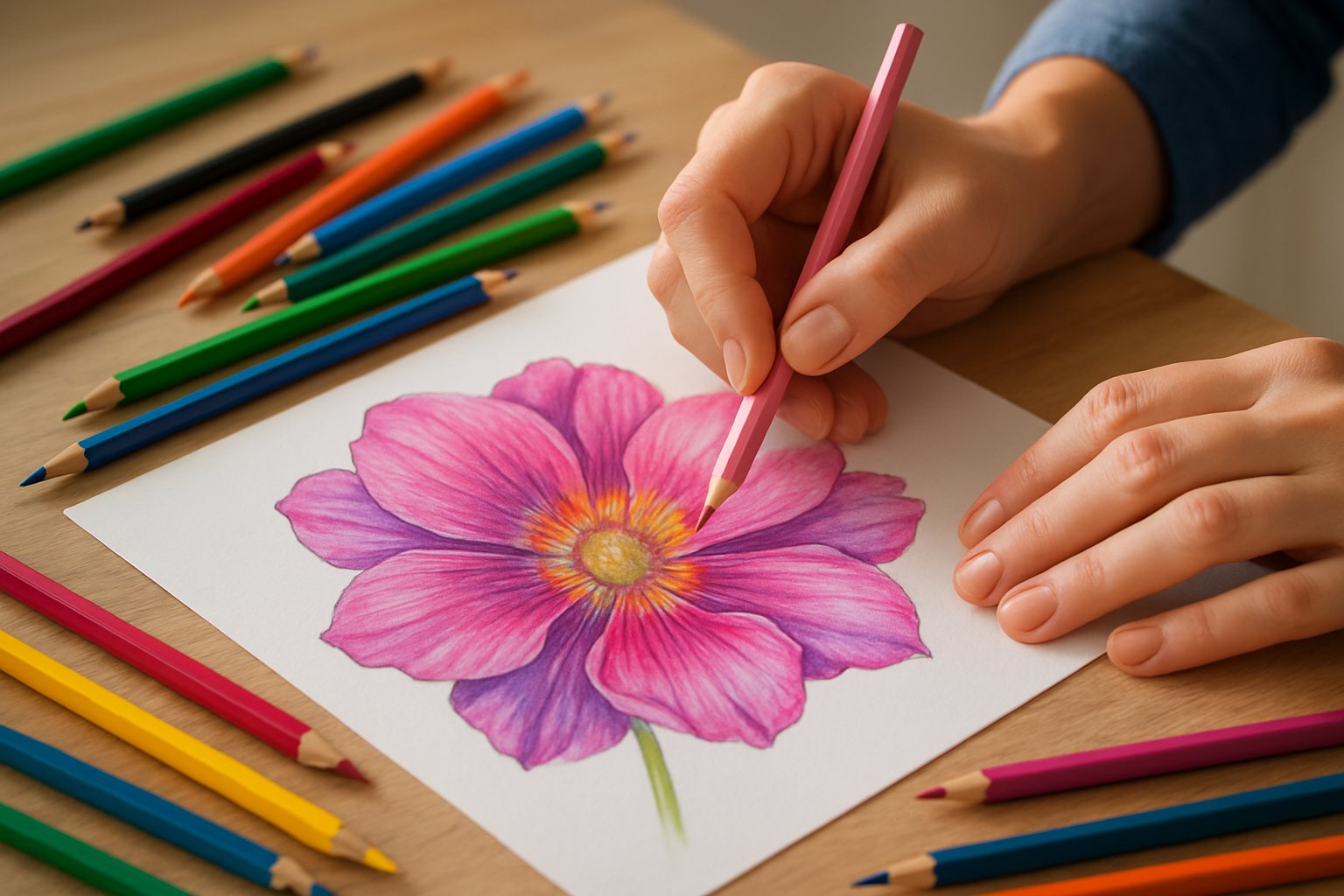
Coloring flowers with colored pencils can transform your drawings into vivid masterpieces. Begin by observing petals closely, layer colors for vibrancy, create texture, and finish with highlights.
Observing and Sketching Flower Petals
Start by carefully looking at the flower you want to draw. Notice the unique shapes, curves, and how light hits the petals. Hold your pencil lightly to sketch the outline. A simple oval or teardrop shape works for most petals.
Once you have a basic shape, add details like small lines that show veins. These details make your flower look more realistic. Use a pencil with a sharp tip for crisp lines. Sketching lightly allows for easy adjustments if needed.
Layering and Building Vibrant Colors
Choose your colored pencils with care. Pick colors that match the real flower or create a bright new look. Start with lighter colors as the base layer. Use gentle, even strokes. This foundation sets the stage for richer color.
Gradually apply darker colors to the edges or shadowed areas. Blend them smoothly with medium pressure. Use circular motions for an even color spread. Build the color until you achieve the brightness or depth you want.
Creating Realistic Texture and Depth
For texture, think about the petal's surface. Use short, quick strokes to mimic veins or slight ridges. A soft pencil grip keeps strokes natural-looking. Don't press too hard; this avoids harsh lines.
To add depth, pay attention to where the petals overlap. Darken these areas with a slightly darker shade. Soft blending helps achieve a smooth transition from light to dark. Use a blending tool or a cotton swab for a smooth finish.
Adding Highlights and Subtle Shadows
Highlights bring your flower to life. Use a white or very light pencil to add highlights where light naturally hits—like edges or the tip of a petal. This creates a glowing effect.
For shadows, choose a soft grey or complementing darker tone. Add these in places light doesn't reach, such as under petals. Shadows give your flower a 3D look. Balancing highlights and shadows makes your flower more realistic.
Explore LindeHobby's range of high-quality colored pencils and kits to elevate your art. Try experimenting with different flower types and techniques. This practice keeps creativity fresh!
Expert Tips And Inspiration For Beautiful Floral Art
Creating stunning floral art with colored pencils is a rewarding experience. You can make your flowers look vibrant and lifelike by using blending techniques, matching color palettes to real flowers, and avoid common coloring mistakes.
Blending Methods to Achieve Lifelike Petals
Start by choosing soft pencils to blend smoothly. Use light strokes for even layers. After layering colors, use a colorless blender to smooth the transition between shades.
Try layering using a combination of darker and lighter hues. Start with the base color and gradually add depth by applying darker shades. Blend everything with the lighter tone to create harmony between the layers.
Using these techniques allows petals to appear soft and realistic. Keep practicing to improve your blending skills. LindeHobby offers a variety of quality colored pencils perfect for this technique.
Selecting Color Palettes for Different Flowers
Each flower has its unique palette. Roses look beautiful in reds, pinks, or whites, while sunflowers shine in yellows and browns. Make sure the pansies feature purples and blues. Choose colors that match the natural hue of each bloom.
Create a color wheel to test combinations and visualize harmony. This will help guide you when picking the right colors. Swatching your colors side-by-side gives you a preview of how they complement each other.
Using a wide range of pencils can enhance the vibrancy of your artwork. Explore LindeHobby’s selection to find palettes that match your flower creations.
Overcoming Common Mistakes in Coloring Flowers
To avoid common mistakes, start by planning your layout. Sketch lightly and outline the petals before you begin coloring. This helps manage proportions and prevents smudges.
Avoid using too much pressure, which can lead to harsh lines. Always use gentle, light strokes to apply color. If you make an error, gently erase and reapply colors carefully.
Adjust lighting in your workspace to spot mistakes early. Correcting as you work saves time and effort. LindeHobby provides tips and tools to help you refine your technique.
Explore our diverse range of art supplies and start turning your floral sketches into masterpieces.

