

How to Count Stitches Crochet: Mastering Your Hobby with LindeHobby
Crochet is more than just a craft; it's a journey of creativity and relaxation. Whether you're crafting a cozy blanket or a stylish accessory, counting stitches accurately is the secret to achieving the perfect pattern. Accurate stitch counting ensures a flawless and stress-free crochet experience. This guide will help you master the basics and explore tips to count stitches with ease, making your crochet even more enjoyable.
For beginners, the world of crochet can seem full of loops and twists. Knowing how to count stitches properly is the foundation of any successful project. Getting the hang of it opens up countless possibilities for creating stunning and functional items. With patience and practice, you'll be able to keep track of your stitches and bring your creative visions to life.
Experienced crafters know that the right tools can make all the difference. At LindeHobby, we offer a wide array of yarns and hooks to match any project and budget. Whether you're starting your first scarf or experimenting with a new pattern, we've got you covered. Dive into this helpful guide to boost your crochet confidence and browse our selection to find your perfect project supplies today!
Key Takeaways
- Accurate counting is essential for crochet success.
- Practice helps in mastering stitch counting.
- LindeHobby offers diverse supplies for all crochet projects.
Getting Started with Crochet
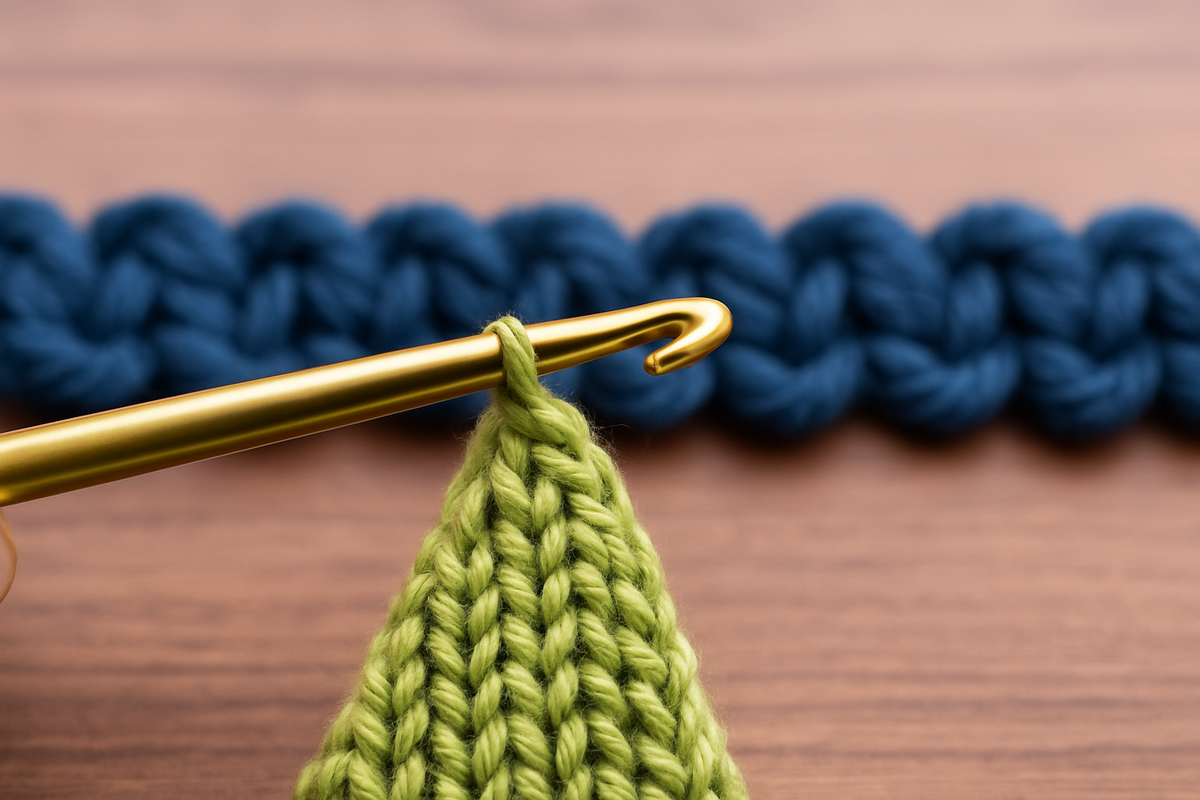
Crochet is a fun and creative hobby that's perfect for people of all ages. You'll need to learn some basic terms, choose the right hook, and find the best yarn. Each element plays an important role in your crochet projects.
Understanding Basic Crochet Terms
When you crochet, you'll come across specific terms that describe stitches and techniques. It's important to understand these terms to follow patterns and instructions easily. Chain (ch) is the foundation of many crochet projects. It's simply making a loop with the yarn over the hook and pulling through.
Another key term is single crochet (sc), which creates a sturdy and dense stitch. To make one, insert your hook into the stitch, yarn over, and pull through. Then, yarn over again and pull through both loops on the hook.
The double crochet (dc) is taller than single crochet. Yarn over before inserting into the stitch, pull through, yarn over again, and pull through two loops, then repeat. Mastering these terms will help you crochet like a pro in no time.
Selecting the Right Crochet Hook
Choosing the right crochet hook is crucial in creating the look and feel you want for your projects. Crochet hooks come in different sizes and materials, like metal, wood, or plastic. Each has its own advantages. Metal hooks are smooth and durable, allowing the yarn to glide easily.
Hooks are measured in millimeters, with larger sizes suitable for chunky yarn and smaller hooks for lighter yarn. The size also affects the texture and density of the fabric. A larger hook makes a loose and drapey fabric, while a smaller hook results in a tighter fabric.
Consider trying different hooks to see what feels comfortable in your hand. It’s a good idea to have a range of sizes for different types of projects. LindeHobby offers a variety, from beginner sets to premium options.
See all our crochet hooks here!
Choosing Your Yarn
Your yarn choice will greatly impact the final look and feel of your crochet project. Yarn comes in many weights, from lace to super bulky, each yielding a different texture. For beginners, worsted weight yarn is a popular choice as it's easy to handle and shows stitch patterns clearly.
When selecting yarn, consider materials like wool, cotton, or acrylic. Each has unique properties: wool is warm and stretchy, cotton is cool and sturdy, and acrylic is affordable and versatile. The yarn label provides important information, including the recommended hook size and gauge.
Make sure to choose yarn colors that inspire and excite you. With a wide selection available at LindeHobby, you’ll find the perfect yarn to bring your creative vision to life. Start exploring different textures and colors to find your unique style.
Explore our yarn collection here!
Fundamentals of Counting Stitches
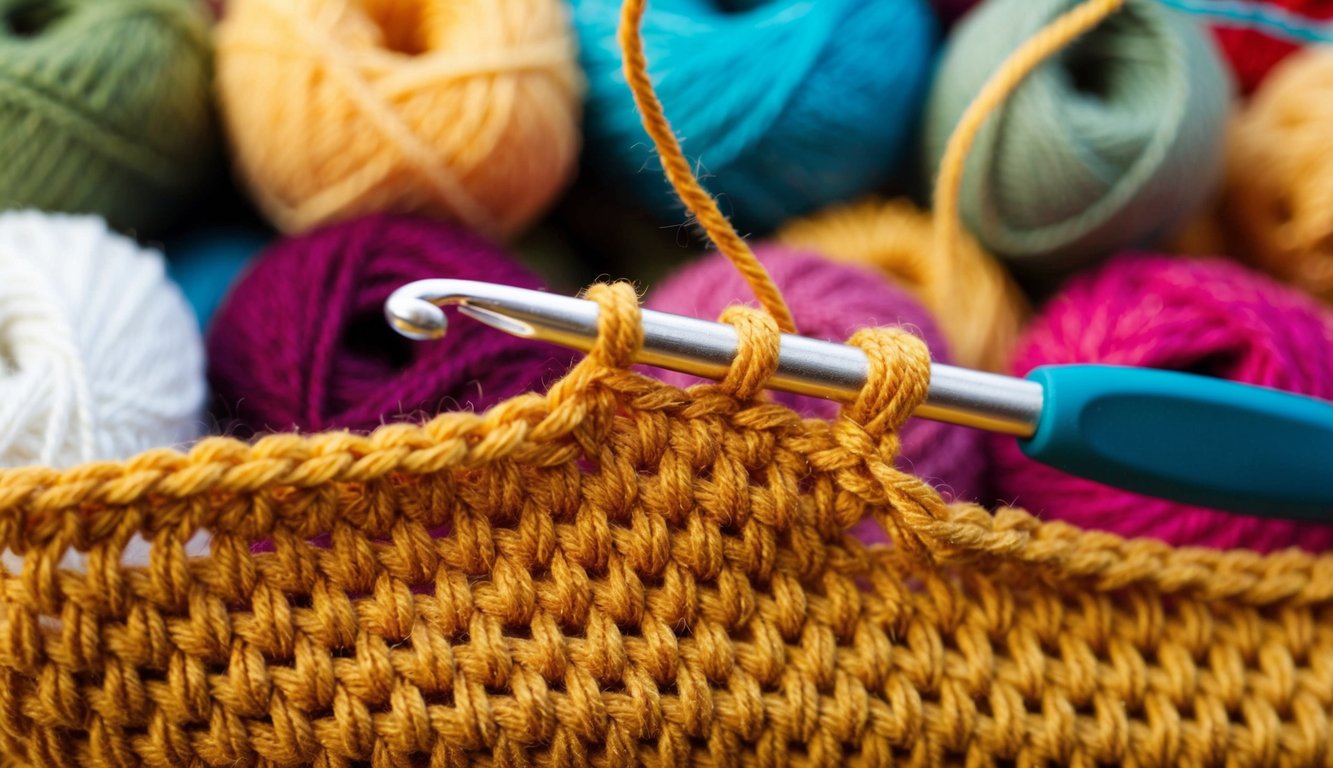
Counting stitches in crochet is a key skill for creating beautifully finished projects. Learn how to identify stitches and apply techniques for accurate counting, whether you are crafting a cozy blanket or a stylish sweater.
Identifying Stitches and Loops
Recognizing different stitches is essential. Single, double, and treble crochet have unique looks and textures. Practice by holding your work flat, examining the top loops, and spotting each type of stitch. Count the visible "V" shapes at the top of your rows.
Keep in mind that chain stitches can appear smaller and tighter, often hiding between larger ones. Markers are handy in helping distinguish stitches in crowded areas or complex patterns.
Tip: LindeHobby offers a variety of crochet hooks and markers to aid in recognizing and maintaining your stitch counts.
Counting Techniques
Adopt a consistent method to keep track. Start with row counters or use bulky yarn to help spot stitches. Count how many "V" shapes or loops are on your hook to avoid mistakes.
Another method is counting as you go along, repeating the stitch number silently or out loud. When working long rows, break them into sections using stitch markers. This breaks counting into manageable parts, minimizing errors.
For additional help and tutorials, LindeHobby’s blog provides tips on perfecting your counting skills. Explore our extensive supplies to enhance your crocheting journey, ensuring each stitch is as perfect as the next.
Practical Tips for Accurate Stitch Count
Counting stitches correctly is crucial in crochet to ensure your projects turn out as planned. This guide will help you with practical strategies to keep your stitch count straight, using tools like stitch markers and adapting to various patterns.
Using Stitch Markers
Stitch markers are a simple yet effective tool in crochet, especially in projects like blankets or garments where counting is essential. Place a stitch marker at the beginning of each row to easily identify the start point. This helps in keeping track without recounting repeatedly.
It's useful to mark every ten or twenty stitches as you crochet. This breaks the project into smaller, manageable parts. If you're off by one, it's easier to find and fix the mistake. At LindeHobby, we offer a range of colorful stitch markers to suit your style and needs.
Invest in markers that are durable and easy to attach. Selecting different types for various yarns and projects can also enhance their effectiveness. For those new to crochet, using markers can save time and reduce frustration.
Managing Stitch Counts in Different Patterns
Different crochet patterns require unique approaches to counting stitches. For basic patterns like single or double crochet, the counting is straightforward. Complex stitches, like shells or bobbles, might require more attention. Tracking rows on paper or using a digital app can be helpful.
Adjust your counting method based on the pattern complexity and your personal comfort level. Beginners often find it helpful to count aloud, while experienced hobbyists might prefer silent counting. LindeHobby offers variety in yarns ideal for trying different patterns effectively.
For multi-color projects or detailed motifs, consider organizing yarns and notes carefully. This ensures a smooth transition between sections and maintains the integrity of your design. If you run out of yarn or find inconsistencies, a quick visit to our store can set you back on track in no time!
Troubleshooting Common Counting Mistakes
Counting crochet stitches can be tricky. If you find yourself with the wrong number, don't worry, this is quite common. Mistakes usually happen in simple steps. Most stitch errors occur at the start or end of a row.
Common Mistake: Multiple stitches in one space.
Solution: To fix it, pull back the stitches before the mistake. Recount your stitches from the beginning using a clear marker to help you.
Common Mistake: Skipping stitches accidentally.
Solution: Start by checking every stitch’s placement as you go. Use stitch markers to mark every 10 or so, which will help keep track and reduce errors.
Counting Tip: Regularly count stitches at the end of each row. Highlight the turning chain; it counts as a stitch too. This practice helps confirm you're on track as you progress.
When off by a stitch, take a deep breath. Compare your work to the pattern. Use this chance to learn, as mistakes help build your skills.
Having reliable tools can also make a big difference. Using high-quality yarn and hooks helps keep stitches even and easier to count. At LindeHobby, you’ll find plenty of options that suit any budget.
Explore new stitch markers or yarn choices to enhance your crochet experience. Keep creating and try new patterns. Ready to dive back in? Browse our wide selection of yarns and hooks to start your next project today!

