

How to Crochet a Sock: A Warm Guide to Creative Crafting
Crocheting your own socks might sound complex, but it's a fun and rewarding craft. It's a perfect way to create something cozy and practical, tailored just for you.
You'll quickly discover that making your own socks can be both relaxing and a fantastic way to express your creativity.
Before you start, you'll need to gather some basic materials.
Essential items include yarn and a crochet hook, both of which you can find in various colors and styles at LindeHobby.
Exploring different patterns and techniques can keep things exciting and help you master the craft.
As you get the hang of crocheting socks, you'll see how versatile this skill can be. Handmade socks make great gifts and are wonderful additions to your wardrobe.
Don't forget to browse our selection for everything you need to begin this enjoyable journey!
Key Takeaways
- Crocheting socks is fun and practical.
- You need basic materials like yarn and hooks.
- Handmade socks are great gifts.
Gathering Your Crochet Materials
Before you start crocheting socks, it's important to have the right materials on hand.
You'll want appropriate yarn, the correct crochet hooks, and a few other tools to make the process smooth and enjoyable.
Selecting the Right Yarn
Choosing yarn is essential for any crochet project. For socks, you should use stretchy yarn like wool or a wool blend. This helps your socks fit comfortably and last longer.
It’s also good to consider yarn weight. A lightweight yarn, such as sock yarn or fingering yarn, works best.
Also, pay attention to the colors and patterns. LindeHobby offers a variety of yarns in vibrant and subtle shades, allowing you to create socks that are uniquely yours. If you're a beginner, opting for lighter colors might make it easier to see your stitches.
Consider how much yarn you need. Typically, one skein is enough for basic socks, but check your pattern to be sure.
Choosing Crochet Hooks
The size of the crochet hook can affect the tension and size of your socks. Hooks ranging from 2.25 mm to 3.5 mm are generally suitable for sock projects. Checking the yarn label or your pattern will guide you in selecting the right hook size.
It’s worth investing in a set of hooks if you plan to crochet frequently. LindeHobby offers kits with a variety of sizes, so you’re always prepared.
Hooks come in different materials, such as metal, wood, or plastic, each offering a unique grip and feel.
If you're looking for comfort, ergonomic handles can help reduce strain and make long hours of crocheting more enjoyable.
Additional Tools and Accessories
Apart from yarn and hooks, a few other items will make your crocheting experience more pleasant.
You’ll need items like stitch markers to keep track of your progress. These are especially helpful for beginners keeping count of rows and stitches.
Tapestry needles are also essential for weaving in ends once your socks are complete. They come in assorted sizes and are available at LindeHobby.
Finally, use a small pair of scissors to neatly cut yarn tails. For an organized project, a portable project bag can keep your materials together and your workspace tidy.
Check out LindeHobby for all these essentials to ensure your sock project starts on the right foot.
Understanding Crochet Patterns and Techniques
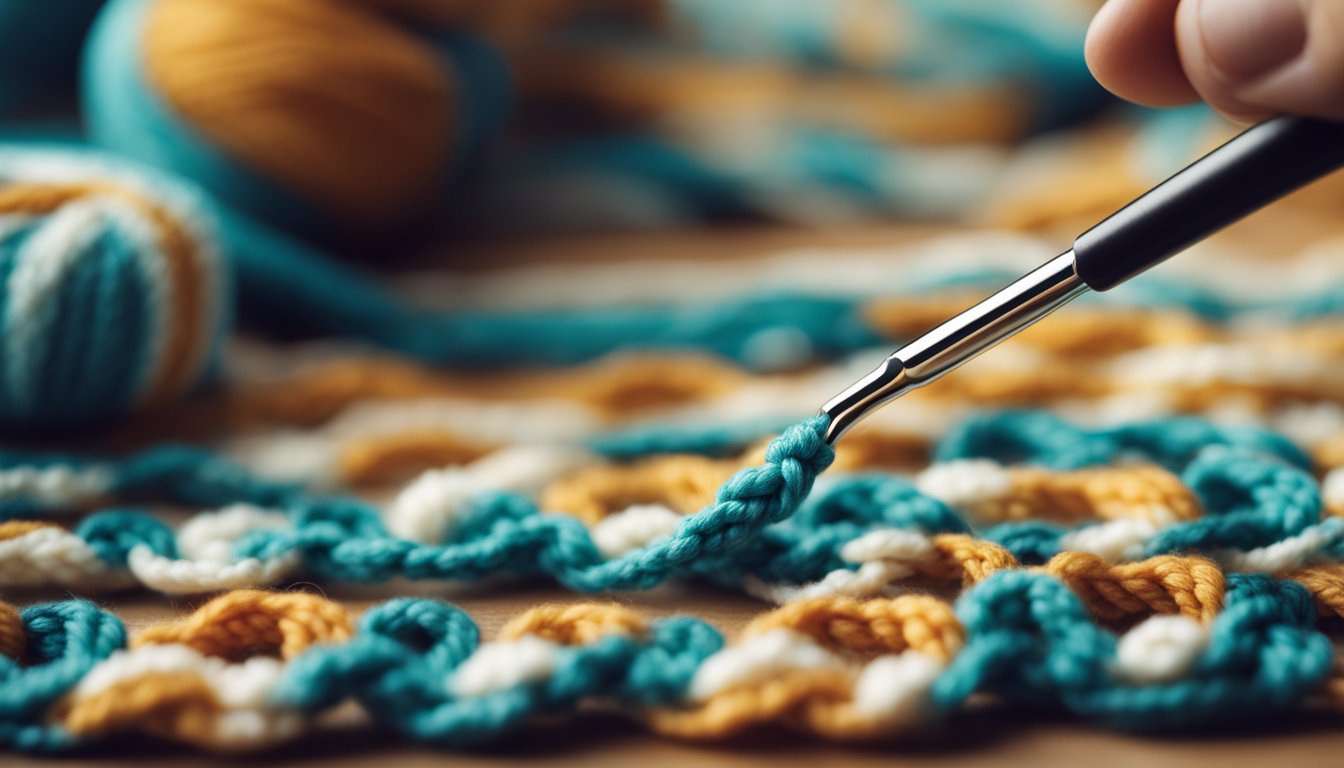
Crocheting socks involves reading patterns, learning basic stitches, and mastering heel and toe shaping. Grasping these aspects will help you make comfortable and well-fitting socks.
Reading Sock Patterns
Begin by choosing a pattern that matches your skill level. Look for clear instructions and terms.
Pattern symbols often stand for specific stitches, like single or double crochet. Always check the gauge, which tells you how many stitches or rows fit in a specific space. Matching the gauge is crucial for size accuracy.
Read through all instructions before starting. This helps spot any tricky parts and ensures you have all necessary supplies.
Basic Crochet Stitches for Socks
Start with key stitches like the single crochet (sc) and double crochet (dc). These are the foundation of most sock patterns.
Practice these stitches until they are even and tight enough for the socks' structure. For added texture, learn the half double crochet (hdc).
Combine these stitches with chains to work in the round, crucial for sock shapes. Always count your stitches to maintain the correct sock size.
Shaping the Heel and Toe
The heel and toe are where customization becomes crucial. For the heel, you often see the short row technique or heel flap and gusset method.
Short rows are about turning your work before finishing the row, creating a seamless curve.
For the toe, decreases create the rounded shape. Slip stitches might be used to tighten the toe’s end.
Experiment with different shaping methods to find what fits best. Adjusting stitch counts can tweak the fit further, making the socks comfortable.
To explore these techniques, dive into LindeHobby’s tutorials and grab necessary supplies for your custom sock project.
Starting Your Sock
Let's begin crafting your crochet sock by setting up a strong base. You'll start with a slip knot and foundation chain, then work your way through the cuff and leg, step by step.
Creating a Slip Knot and Foundation Chain
To get started, you'll need some basic supplies like yarn and a crochet hook, both of which you can find at LindeHobby.
Step 1: Make a slip knot. Wrap the yarn around your fingers, pull the loop through, and tighten. This knot will keep your stitches secure.
Step 2: Create a foundation chain. You'll do this by making a series of chain stitches. The number depends on your sock size and yarn type. Most socks need about 40-45 chains. This chain forms the backbone of your sock.
For beginners, practice makes perfect. Don't worry if your first try isn't perfect. Each chain should be uniform and snug but not too tight. Use our beginner-friendly yarn to improve your skills.
Working the Cuff and Leg
Now, you’re ready for the cuff. Use a simple pattern like single or double crochet stitches.
Start by working these stitches in rounds. It forms a stretchy cuff that fits comfortably around your ankle. This part usually takes about 8-10 rounds.
Once your cuff is done, move to the leg section. Continue with your desired stitch pattern, ensuring each row is even.
Feel free to experiment with colors, stripes, or different stitch patterns.
Remember, LindeHobby stocks a variety of yarns perfect for socks, from budget-friendly choices to premium selections. Our materials make it easy for crafters of all levels to create something special.
Browse our wide selection of yarns and hooks to start your next project today!
Finishing Touches
When you finish crocheting your sock, the final steps can make a big difference in how your sock looks and lasts. Tying off loose threads and learning how to care for your new creation will add to its charm and durability.
Binding Off and Weaving in Ends
Once you've worked the last stitch, the next step is to bind off. This process ensures your stitches won't unravel.
Carefully cut the working yarn, leaving a tail about 6 inches long. Pull this tail through the final loop to tie it off securely.
Weaving in the loose ends is crucial for a polished finish. Use a yarn needle to thread the tail into the fabric of the sock.
Insert it in a zigzag pattern through the stitches. This technique makes the end less noticeable and keeps it secure. Be gentle to avoid changing the shape of your sock.
To keep your project smooth, clip any excess yarn.
Consider using a yarn needle set from LindeHobby, which offers various sizes perfect for finishing touches.
Caring for Your Crochet Socks
To make your socks last longer, caring for them is important.
Handwashing your socks in cold water with a gentle soap keeps the fibers intact.
Avoid wringing them out, as this could stretch the fibers. Instead, press them lightly between towels to remove excess water.
Allow your socks to air dry flat on a clean surface. This method helps them keep their shape and prevents stretching.
Avoid hanging them to dry, as this can lead to unnecessary wear.
For those who prefer machine washing, a mesh laundry bag can protect your socks in a gentle cycle.
By following these tips, your homemade crochet socks stay cozy and durable longer.
Explore LindeHobby for all your crocheting needs. With our wide range of materials, you’re set for your next project.

