

How to Crochet C2C: Discover the Joy of Corner to Corner Crafting with LindeHobby
Crocheting using the corner-to-corner (C2C) technique is a delightful way to create beautiful and unique projects. Not only does it allow for eye-catching designs, but it's also a relaxing way to unwind and express your creativity. In C2C crochet, you work diagonally from one corner of your project to the other, which opens up endless possibilities for patterns and color work. Whether you're a beginner eager to dive into the world of crochet or an experienced crafter looking for your next project, C2C offers something special.
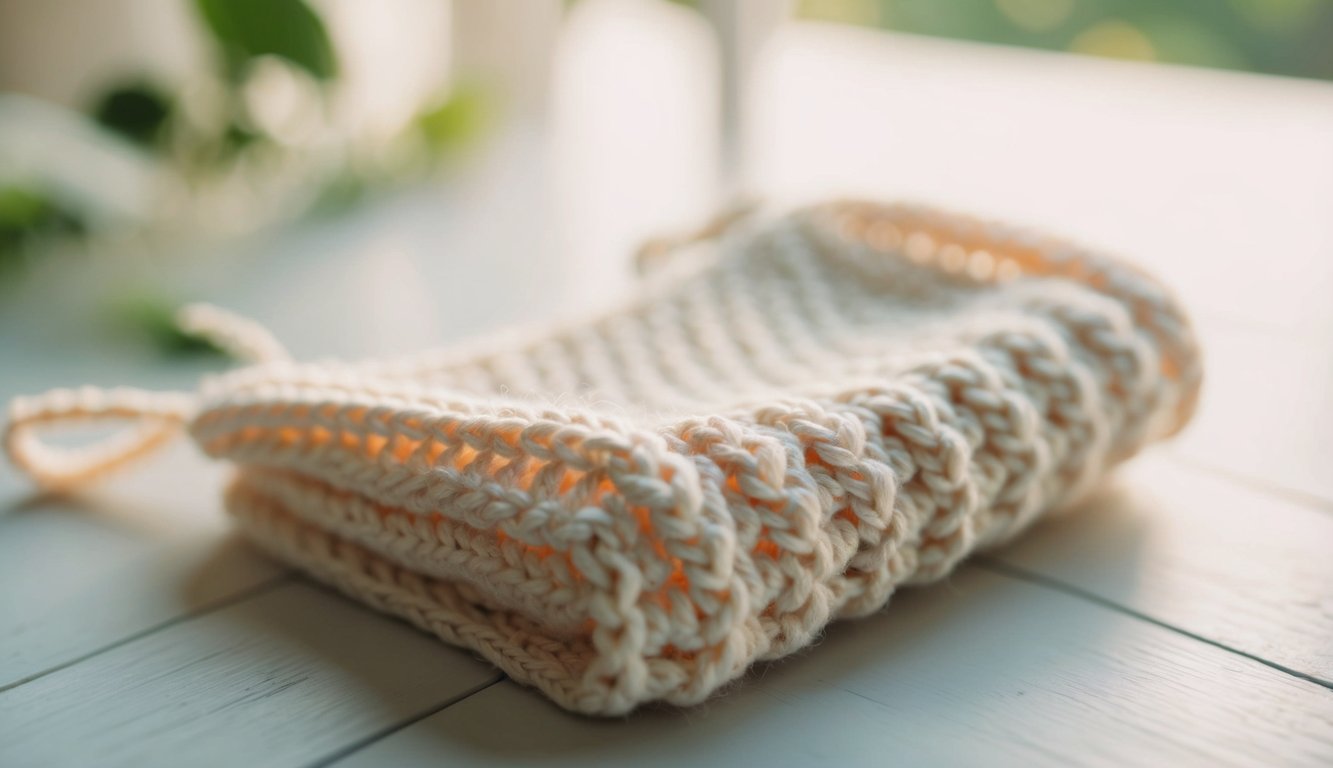
Imagine crafting a vibrant blanket or a stylish pillow cover with this method, adding a touch of handmade charm to your home. C2C crochet is versatile, allowing you to explore various styles and personalize your creations. Plus, you don't need to break the bank to get started. With affordable options available, you can find yarn and supplies that fit any budget at places like LindeHobby.
Ready to begin your C2C journey? You’ll discover that mastering this skill not only brings immense satisfaction but also enhances your crafting repertoire. To start, gather some yarn, a crochet hook, and follow the easy steps to see your project come to life. Dive into this fun and fulfilling crochet technique, and watch as your creativity takes flight, transforming simple yarn into beautiful works of art. Browse our wide selection of yarns and hooks to start your next project today!
See all our crochet patterns here
Key Takeaways
- C2C crochet works diagonally, creating unique projects.
- It's a cost-effective, creative way to make blankets and pillows.
- You can find all needed supplies affordably at LindeHobby.
Understanding C2C Crochet
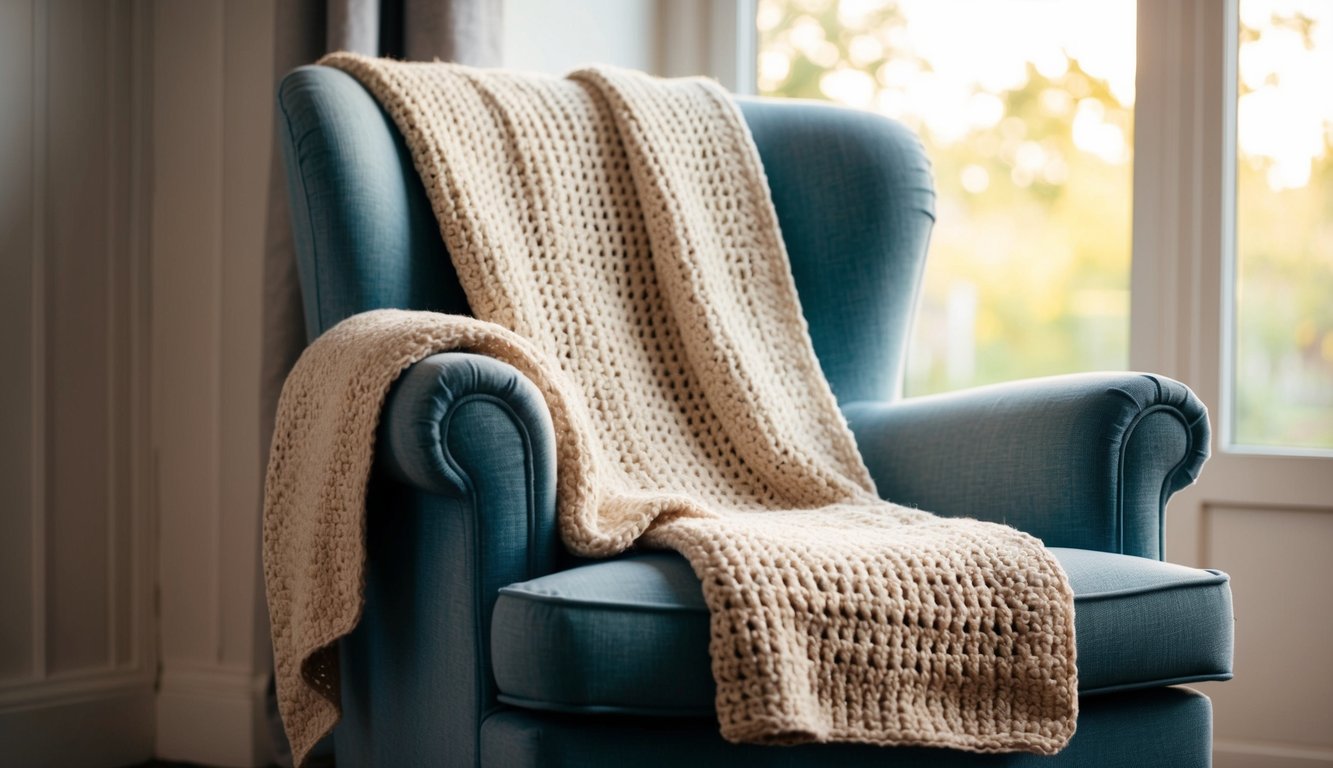
Corner to Corner (C2C) crochet is a popular technique that creates a textured, square pattern. It's perfect for making blankets, scarves, and more. This method starts small and grows with each row, leading to a satisfying and creative process. In the sections below, you will find essential information on getting started, including the basic techniques and the materials you'll need.
The Basics of C2C
C2C crochet involves creating stitches in diagonal rows starting from one corner. Each row consists of small blocks made up of chain stitches and double crochet stitches. Begin by chaining six to create the first block. As you progress, you'll add blocks along the row's edge, building the piece outward.
It's important to know how to increase and decrease rows to shape your project properly. For increasing, you add more blocks; when decreasing, you stop adding blocks to a row. Watch video tutorials or follow written guides for detailed steps and visual aids. C2C crochet is versatile and can create stunning patterns using graphghan techniques, where you follow a chart to make designs or pictures.
Materials Needed
To start C2C crochet, you'll require yarn, a crochet hook, and a pair of scissors. Yarn choice affects the texture and feel of your project, with options like acrylic, cotton, and wool. Thicker yarns work well for cozy blankets, while lighter ones suit delicate items.
Hook size aligns with your chosen yarn. Check the yarn label for recommendations. A versatile size like 5.5mm (I-9) is often suitable for worsted weight yarn, a common choice for blankets. LindeHobby offers a range of options, from budget-friendly kits to premium selections.
Pick colors that inspire you for your project. For affordability, consider yarn bundles or special offers. With the right materials in hand, you'll be ready to start your C2C adventure. Make sure to browse the wide selection of supplies at LindeHobby to begin your craft today!
Getting Started with C2C
Before diving into your first corner-to-corner (C2C) project, you will need to learn a couple of basic techniques. Familiarize yourself with creating a slip knot and making the initial stitches. This foundation will help you as you work on more intricate patterns.
Creating a Slip Knot
Start by making a slip knot, which is one of the most basic techniques for crocheting. To create a slip knot, you will need some yarn and a crochet hook. Begin with a yarn loop, ensuring you have a tail of about six inches. Hold the loop with one hand and the tail with the other.
Next, insert the crochet hook into the loop and pull the yarn tail through. This tightened loop on your hook is your slip knot. This simple knot adjusts easily and sets the stage for your first stitches.
Using high-quality yarn can make your crochet journey more enjoyable. LindeHobby offers a variety of yarns and crochet hooks to suit different preferences and budgets. Whether you're using budget-friendly options or splurging on premium materials, having the right supplies makes all the difference.
Making the First Few Stitches
Once the slip knot is ready, you can move on to the first stitches. In C2C, you start by making a small square of double crochet blocks. Begin by chaining six. This will serve as the foundation for your project.
On the fourth chain from your hook, create a double crochet stitch. Continue with the next two chains. In total, you’ll have three double crochet stitches and a tiny block. Each block is the building unit of your project, linking together to form larger patterns.
Consistent practice will make these stitches second nature, setting you up for more complex techniques. Consider exploring yarn kits from LindeHobby that come with everything you need for beginners and beyond. Your creative journey starts with these foundational steps, leading to endless possibilities.
Advanced Techniques
Learning advanced crochet techniques can elevate your Corner to Corner (C2C) crochet skills, allowing for intricate designs. Mastery of stitch increases, decreases, and color changes are essential to creating unique patterns and items. These techniques will enable you to take on more complex projects and expand your crochet capabilities.
Increasing Stitches
Increasing stitches in C2C crochet lets you expand your work into larger squares or rectangles. To do this, start each row with one additional block than the previous row.
- Begin with a slip stitch in the last block.
- Chain 6 and double crochet into the 4th chain from the hook.
- Double crochet into the next two chains to complete the block.
By adding blocks, you create the base for larger designs. As you progress, experimenting with both symmetrical and asymmetrical increases can create diverse shapes and patterns. Different increases can lead to exciting new layouts, making this a crucial skill for any crochet enthusiast.
Decreasing Stitches
Decreasing stitches in C2C crochet is just as important as increasing them. Decreasing reduces the number of blocks in each row, shaping your piece toward completion.
- Turn your work without adding blocks.
- Slip stitch across the previous row’s stitches to reach the next block’s start.
Holding steady tension throughout the process is vital for maintaining the shape of your project. Practice is key to mastering the balance between rows, allowing you to create smooth transitions. As you work, notice how the structure of your fabric changes, giving you more control over the final shape.
Color Changes
Changing colors in your C2C project brings vibrant visual interest to your creations. To change colors thoughtfully, consider the placement and frequency depending on your design.
- Finish the last stitch of a block with the new color.
- Use the new yarn to yarn over and pull through loops to complete the stitch.
Plan your colors in advance for seamless transitions. A well-executed palette switch can transform a simple piece into something striking. Keep several colors handy to experiment with; this not only broadens your stylistic options but also lets your creativity shine. Invest in a diverse yarn collection to match your project’s aesthetic needs.
Looking to start or expand your yarn collection? Explore LindeHobby’s selection for all the supplies you need to get started or grow your crocheting endeavors.
Finishing Your C2C Project
Once your corner-to-corner (C2C) crochet project is complete, adding those finishing touches makes it look polished and tidy. It's time to add a border for a neat edge and weave in those loose ends.
Adding a Border
A border can really make your C2C project stand out, giving it a finished look. Choose a color that complements or contrasts with your main work. One simple option is the single crochet border.
- Start at a Corner: Begin with a slip stitch in any corner.
- Use Even Stitches: Work single or double crochet stitches evenly along each side.
This ensures the border lies flat. Count your stitches on each side to ensure evenness.
Borders can also be playful with scallops or picots for added texture if you feel adventurous. Experiment with different border styles for variety. Using different yarn weights or textures can enhance this effect and give your project a unique edge.
Weaving in Ends
Weaving in ends ensures your project stays intact without unraveling. Thread your yarn needle with the tail end of your project yarn. Work the needle through stitches back and forth gently to secure it.
Focus on hiding the ends within the stitches of the same color. This way, they won’t show through on the front. Cut any remaining excess carefully with scissors.
This step creates a clean and professional finish. Consider using thinner threads for smaller projects for a neat look. Tools like yarn needles from LindeHobby can make this task quicker and easier.
With these steps, your crochet project is complete and ready to use or gift. Dress up a room with your colorful creation or make a cozy wear. Explore more yarn and accessories on LindeHobby to start your next project!

