

How to Do a Decrease in Crochet: Master This Essential Stitch with LindeHobby's Guidance
Crochet is a relaxing and creative hobby that lets you make wonderful items with just yarn and a hook. Learning how to do a decrease in crochet is an essential skill that opens the door to shaping your projects and creating more intricate designs. Mastering the decrease technique allows you to craft cozy hats, snug mittens, and more complex designs with ease.
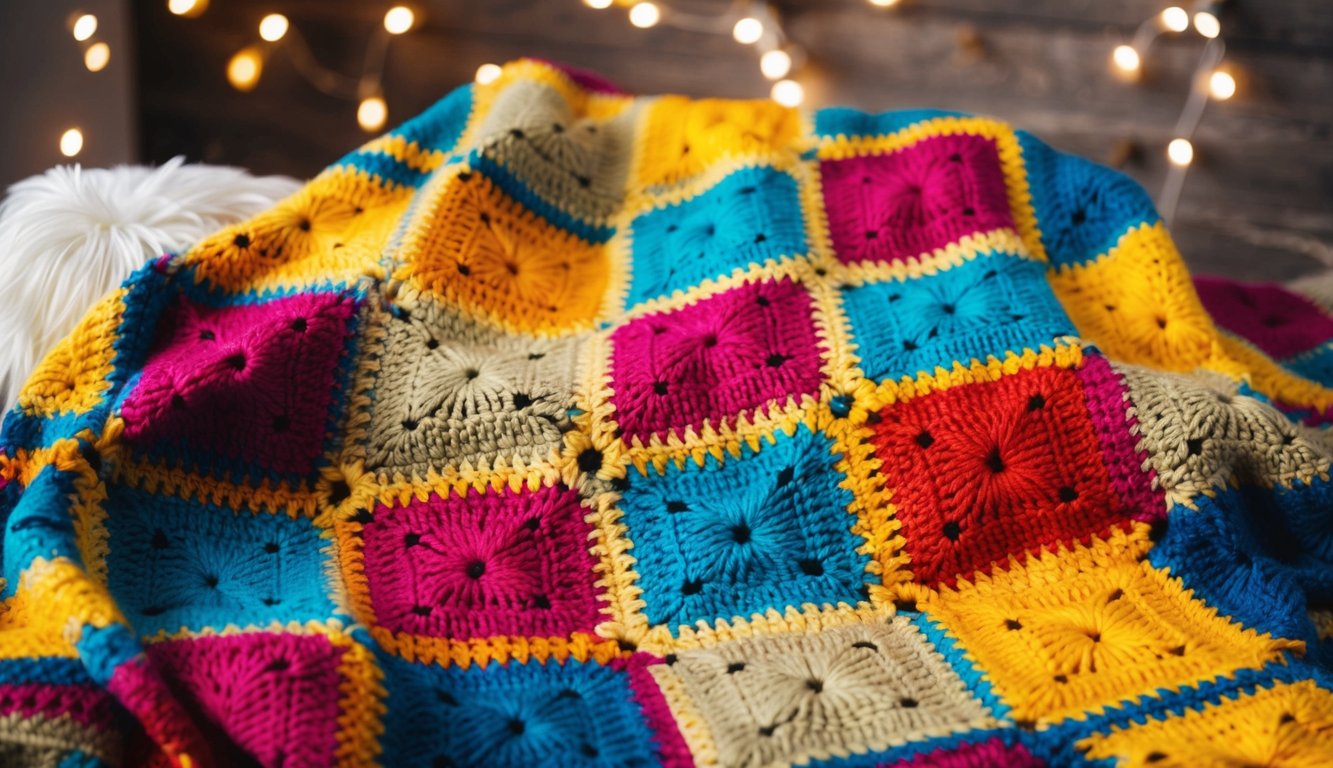
Crochet decreases can seem tricky at first, but with some simple steps, you will be on your way to crafting beautifully shaped patterns. Knowing how to control your stitches can take your projects from simple to stunning. They become even more satisfying as you see your crocheted pieces come together seamlessly.
Moreover, understanding how to decrease properly will help you troubleshoot common challenges you might face. Whether you are new to crochet or have been crafting for a while, mastering this technique will expand your creative possibilities. Grab your yarn and hook, explore the options, and see what amazing things you can create.
See all our crochet patterns here
Key Takeaways
- Decrease techniques add shape and dimension to projects.
- Understanding crochet basics is key to perfecting decreases.
- Troubleshooting helps with common decrease challenges.
Understanding the Basics of Crochet Decreases
Crochet decreases help shape your project, whether you're working on garments like hats and sweaters, or creating toys and amigurumi. Learning how to decrease crochet stitches is essential for giving your projects the right fit and form.
Types of Decreases
There are two common ways to decrease in crochet: the single crochet decrease (sc dec) and the double crochet decrease (dc dec). Both methods allow you to gradually reduce the number of stitches in a row. In a single crochet decrease, insert your hook into the next stitch, yarn over, pull through, and repeat for the next stitch—then yarn over once more and pull through all loops on your hook.
For a double crochet decrease, start by making a double crochet but stop before the final pull through. Begin a new double crochet in the next stitch and finish both together. This reduces one stitch. Using these decreases can create a seamless and tidy look, especially when making wearable items.
When to Use Decreases
Decreases are necessary for shaping. If you’re making a hat, you’ll use decreases as you work to the top. In garments, decreases shape areas like the shoulders or waist. Knowing when to decrease can make sure your piece fits just right.
Think of the pattern you’re working on. For plush toys, decreases help shape arms, legs, or heads. Check your pattern carefully as it will guide you on when to decrease. If creating your design, you might need to experiment to get the right fit. Keeping this skill in your crochet toolkit enhances your flexibility and creativity.
Executing a Standard Single Crochet Decrease
In this part, you'll learn how to work a single crochet decrease smoothly, which helps shape your crochet item by taking it in. Mastering this skill helps create neat projects like amigurumi or fitted garments.
Preparing for the Decrease Stitch
Before starting, gather all materials. You will need yarn and a hook suited to your project. If you're not sure, LindeHobby offers a variety to choose from, ensuring the best quality.
Make sure to have a clean and clear workspace so you can focus. Untangle your yarn to prevent interruptions. If this is your first time, practice on a sample piece before adding it to your main project.
Understand when to use a decrease. Review your pattern. This will usually show where the decrease is needed to shape the item. Often, decreases are used near edges or in round sections where you want the piece to come together.
Completing the Decrease Stitch
To start a single crochet decrease, insert the hook into the first stitch and yarn over, pulling a loop through. Keep this loop on the hook and repeat the step into the next stitch.
With three loops now on your hook, yarn over again. Pull this loop through all three loops on the hook. This action combines two stitches into one, effectively "decreasing" the total stitch count. The decrease is subtle but contributes significantly to your project’s shape.
Practice a few times to ensure your stitches remain even. Consistency is key. Adjust your tension if needed to avoid holes or uneven gaps. Visit LindeHobby's website to find ideal yarn and hooks for both beginners and seasoned crocheters.
Advanced Decrease Techniques
Mastering advanced crochet techniques can elevate your projects. Techniques like invisible decrease and double crochet decrease create a smooth finish, offering both style and comfort.
Invisible Decrease Method
The invisible decrease method gives your work a neat appearance without the bulk. This technique is perfect for areas where the look matters, like amigurumi. You work with the front loops only, which makes the finished piece smoother.
Steps:
- Insert your hook into the front loop of the first stitch.
- Then insert it again into the front loop of the second stitch.
- Yarn over and pull through the first two loops.
- Yarn over again and pull through the last two loops on your hook.
Try using our high-quality yarns from LindeHobby for a cleaner finish.
Double Crochet Decrease
The double crochet decrease technique reduces stitches while maintaining an open texture. Often used in creating garments or blankets, it adds a graceful shape to your project.
Steps:
- Yarn over and insert the hook into the next stitch.
- Yarn over and pull up a loop.
- Yarn over and pull through two loops.
- Repeat the above steps in the next stitch.
- Yarn over and pull through all loops on the hook.
This method creates lovely drapes. For budget-friendly options, explore our variety of hooks and yarns to suit your needs.
Find everything you need at LindeHobby to enhance your crochet skills. Browse our selection and start creating your next masterpiece today!
Troubleshooting Common Decrease Challenges
Struggling with uneven tension or unexpected gaps while crocheting decreases? Follow these tips to keep your work neat and tidy.
Maintaining Even Tension
Keeping your tension consistent is crucial. Uneven tension can lead to a lumpy or misshaped project.
Use a yarn weight that matches your pattern. Thicker yarns may require more effort to pull through, making tension tricky. If your stitches feel tight, try loosening your grip on the yarn.
Place your hook at the same angle for each stitch. Sudden changes in angle can cause uneven tension. Remember, practice helps improve consistency.
Review your tension by working a small practice swatch. Adjust your hook size if your stitches are too loose or tight.
Avoiding Gaps and Holes
Gaps between stitches can make your work look messy, especially in decrease rows.
Use the correct technique for the decrease. Check if your pattern calls for single crochet two together (sc2tog) or another method like double crochet two together (dc2tog). Following the right method reduces the chance of gaps.
Prevent holes by keeping your yarn taut when pulling through loops. If a gap appears, gently pull on the surrounding stitches to close it and even out the row.
Try incorporating a smaller hook size in the decrease row. This can create tighter stitches, reducing any unwanted spaces.
Explore our wide selection of yarn and hooks to perfect your crochet techniques today!

