

How to Do Slip Stitch Crochet: Master This Essential Technique with Linde Hobby's Guide
Slip stitch crochet can transform your yarn projects, whether you're adding texture or just finishing edges. It's a simple technique that even beginners can master with a bit of practice. Learning the slip stitch opens up new possibilities in your crochet work. You can create anything from cozy blankets to stylish garments with this versatile stitch.
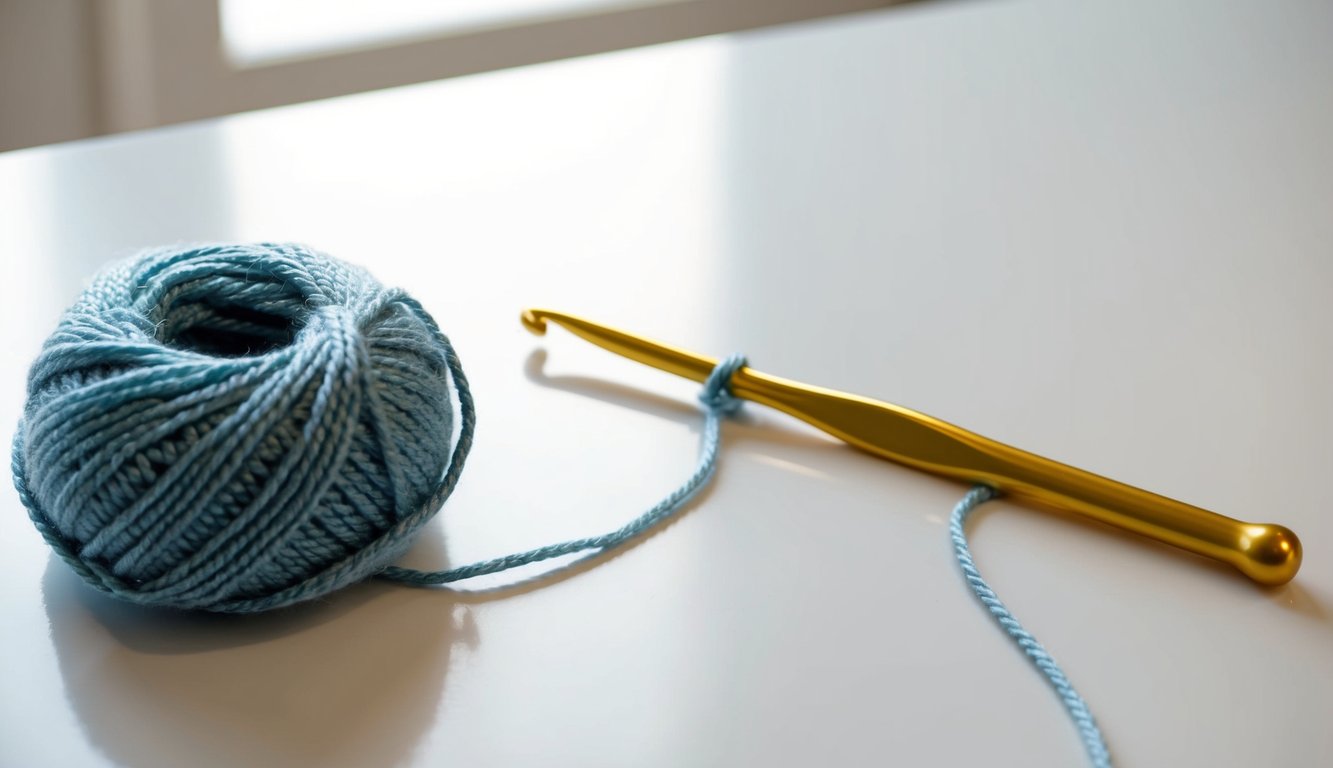
For those new to slip stitch crochet, it sets the foundation for more intricate patterns and adds polish to your finished items. It's a valuable tool in your crochet kit, making your crafting projects both relaxing and rewarding. By mastering this stitch, you open the door to creativity and endless possibilities.
At Linde Hobby, you'll find all the supplies you need to get started on your slip stitch journey. Enjoy exploring the world of crochet with a wide variety of yarns and hooks at your fingertips. Get inspired to try this technique, knowing that creativity and quality materials are just a click away.
See all our crochet patterns here
Key Takeaways
- Slip stitch is easy to learn and adds texture to projects.
- Mastering it enhances your ability to create complex designs.
- Linde Hobby provides the supplies to support your crochet journey.
Getting Started with Slip Stitch Crochet
Slip stitch crochet is a simple yet versatile technique. Perfect for beginners, it creates a neat finish for edges and can be used for decorative purposes. Below are details crucial to mastering slip stitch crochet, from basic techniques to gathering materials.
Understanding the Basics
Slip stitch crochet is a bit different from other crochet stitches. It creates a flat and clean look. To start, make a chain of stitches. Insert your hook into the next stitch, yarn over, and pull through both loops.
This creates a simple, flat stitch. Practice will help you get the tension just right. This stitch works well for joining pieces of crochet together or adding a finishing edge to your projects. It is a great technique for borders or smooth transitions.
Materials Needed for Slip Stitch Crochet
To begin slip stitch crochet, you’ll need just a few materials. Start with a crochet hook that matches your yarn weight. A common size for beginners is a 5mm (H-8) hook. Choose a yarn that’s soft and easy to work with. Cotton or acrylic yarns are perfect for practice.
Add a pair of scissors for cutting the yarn, and don’t forget a tapestry needle for weaving in ends. Consider trying out yarns of different textures and colors to find what you like best. At Linde Hobby, you’ll find a wide range of yarns perfect for any budget, whether you’re looking for value packs or premium selections.
Explore our collection and start your slip stitch crochet with confidence!
Step-by-Step Guide to the Slip Stitch
Learning how to do a slip stitch is crucial for many crochet projects. It's the go-to stitch for joining rounds or moving across a row. Getting comfortable with this stitch will enhance your crochet skills.
Making the Foundation Chain
To start, create a foundation chain. This chain will serve as the base for your slip stitches. Use your crochet hook to make a slip knot and place it on the hook.
Make the number of chain stitches your pattern calls for. Keep your tension even, as this will help in forming neat and uniform slip stitches. For beginners, practice chaining about 10-15 stitches until it feels natural.
Linde Hobby offers a variety of hooks and yarn that can make this step easier. Consider using our beginner sets for the best experience.
Creating the First Slip Stitch
Begin your first slip stitch by inserting your hook into the second chain from the hook. This approach helps avoid mistakes that can occur if you start in the first chain.
Wrap the yarn over your hook, which crochet enthusiasts often call a "yarn over". Then, pull this loop through both the chain and the loop on your hook. You have now made a slip stitch!
Practice with different yarn types available from Linde Hobby to see how they affect your work. Experiment with cotton or acrylic to learn how each type of yarn responds.
Continuing the Slip Stitch Row
After your first slip stitch, continue by inserting your hook into the next chain. Yarn over and pull through both the chain and loop. Repeat this process along the row.
Don't worry if your tension varies slightly with each stitch. Over time, you'll develop consistency. If you find your work tight, consider trying different hook sizes to see what best suits your hand and grip.
Explore our selection of hooks and yarn to find the blend that works right for you and your projects.
Turning and Starting New Rows
When you reach the end of your row, it's time to turn your work. Simply flip it around to work back along the stitches you just made. Chain one to bring your yarn up to the correct height.
To start the new row, insert your hook into the first stitch of the previous row. Continue slip stitching across the row as before. This forms neat, flat rows that form the base of many designs.
Linde Hobby provides everything you need for these steps. From budget-friendly tools to premium kits, explore our online store to enhance your crochet experience. Make Linde Hobby your partner in every crafting adventure.
Tips for Perfecting Slip Stitch Crochet
To master slip stitch crochet, focus on even tension and troubleshooting common issues. Perfecting these skills helps you create smooth, polished projects.
Maintaining Even Tension
Having even tension in your slip stitch crochet is essential. To achieve this, try to keep your hands relaxed while you crochet. Holding the yarn too tightly can create stiff stitches, while holding it too loosely can lead to uneven loops. Adjust your grip to find a comfortable balance. Using a consistent hook size can also aid in maintaining even stitches. Be mindful of your posture to avoid discomfort during long crochet sessions.
Creating a test swatch using different hooks or yarns can help you practice tension control. It may take some trial and error, so be patient with yourself as you refine your technique. Remember, practice is key to achieving the results you desire. Linde Hobby offers a wide range of hooks perfect for this purpose.
Troubleshooting Common Issues
Slipping stitches can sometimes come with challenges. If your slip stitches are too tight, consider switching to a larger crochet hook. This might help ease the tension in your work. Conversely, if stitches are too loose, a smaller hook could provide more control. Splitting yarn is another common issue; to avoid this, make sure your hook tip is sharp and smooth.
When your project doesn't have the desired look, examine your work for any missed stitches or errors. If you find one, gently unravel to correct it. This attention to detail can make a big difference. Remember, if you need supplies or guidance, Linde Hobby is here to support all your crochet endeavors with quality materials.
Creative Applications of the Slip Stitch
The slip stitch is versatile, bringing a polished finish to projects or adding flair through patterns. Whether completing edges or exploring new designs, mastering this stitch unlocks many possibilities in crochet.
Finishing Edges with Slip Stitches
Slip stitches can create smooth and tidy edges. They add a professional look to items like scarves, blankets, and garments. When finishing, simply insert your hook into each stitch along the edge, yarn over, and pull through both loops. This results in a clean line that complements the main pattern.
This technique is also useful for joining pieces together. Instead of sewing seams, slip stitches let you connect sections seamlessly. This method is quick and ensures a durable connection for long-lasting use.
Consider using contrasting yarn to make the edges pop. Linde Hobby offers a great selection in various colors. Experimenting with different yarns can enhance your crochet projects, giving them a unique and personal touch.
Decorative Slip Stitch Patterns
Slip stitches aren't just functional; they can be decorative too. By working slip stitches into specific patterns, you can create textures and designs. For example, try slip stitch ribbing, which adds elasticity and a stylish pattern to hats or cuffs.
Crafting stripes with slip stitches is another creative application. Change yarn colors at regular intervals to form bold stripes. This technique works well for accessories like bags or headbands.
Beginner tip: Keep tension loose when experimenting with decorative patterns. Tight stitches can be hard to work with. You might start with affordable yarns available through Linde Hobby to practice before investing in premium options. Explore tutorials and kits to inspire your creative journey.

