

How to Increase in Tunisian Crochet: Master Tips for Creative Projects at LindeHobby
Tunisian crochet is a fascinating technique that transforms simple yarn into beautiful and intricate patterns. It's a wonderful skill to add to your crochet toolkit, combining elements of both knitting and traditional crochet. To increase in Tunisian crochet, you'll need to master several techniques that allow you to add more stitches to your work, making it flexible and dynamic.
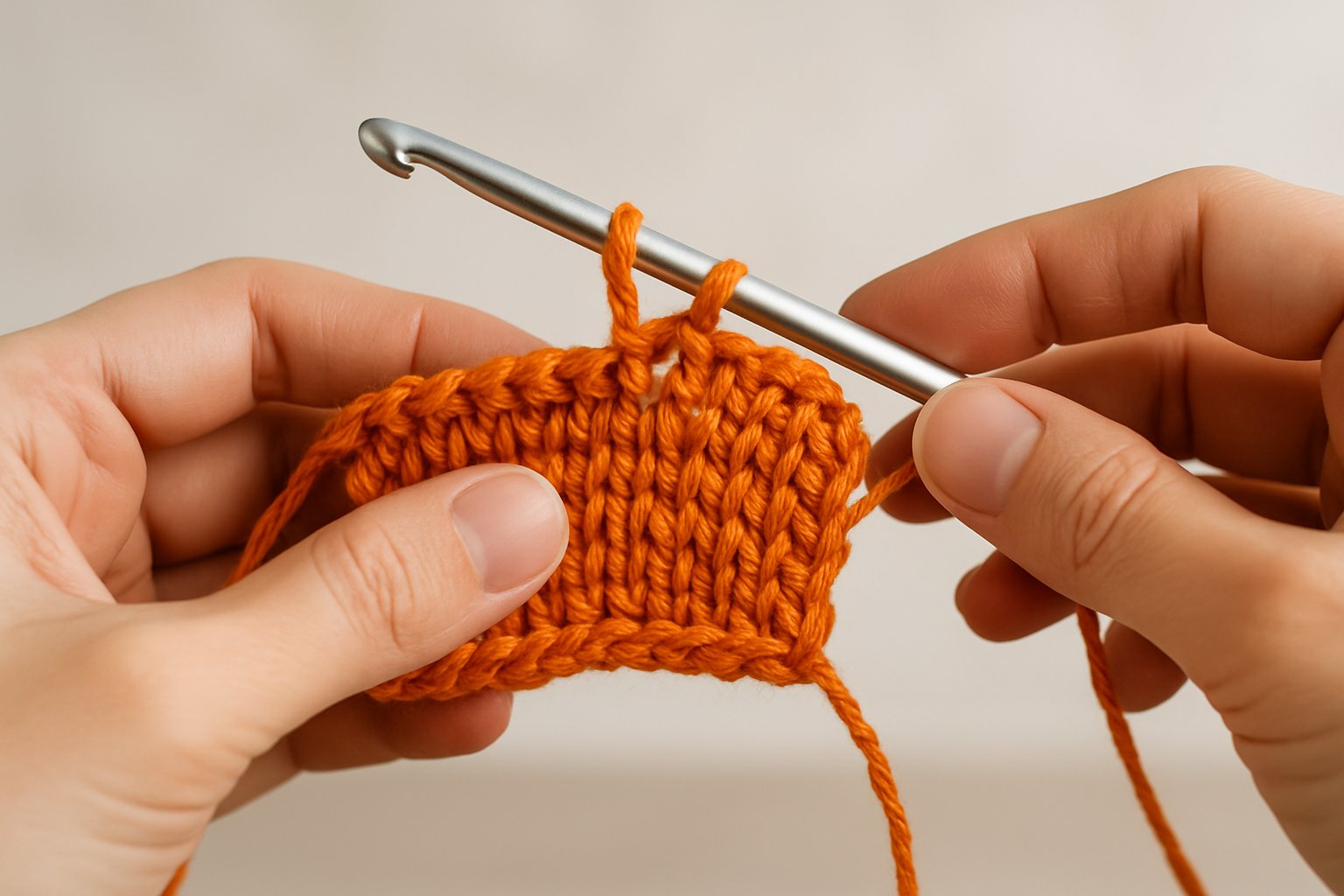
Learning how to increase in Tunisian crochet opens the door to creating custom designs. Whether you're making a cozy blanket or a trendy scarf, increases help you shape your projects from simple rectangles to complex designs. By using these methods, you can add texture and dimension to your crochet pieces.
Imagine the joy of completing a personalized creation that has your unique touch. Explore different types of yarn and hooks from LindeHobby to begin your Tunisian crochet adventure. Sign up for a relaxing journey that not only enhances your skills but also brings tranquility and satisfaction to your crafting routine.
Key Takeaways
- Learn the basics before trying increases in Tunisian crochet.
- Use specific techniques to add stitches effectively.
- Adapt your projects with increase methods for unique designs.
Mastering the Basics of Tunisian Crochet
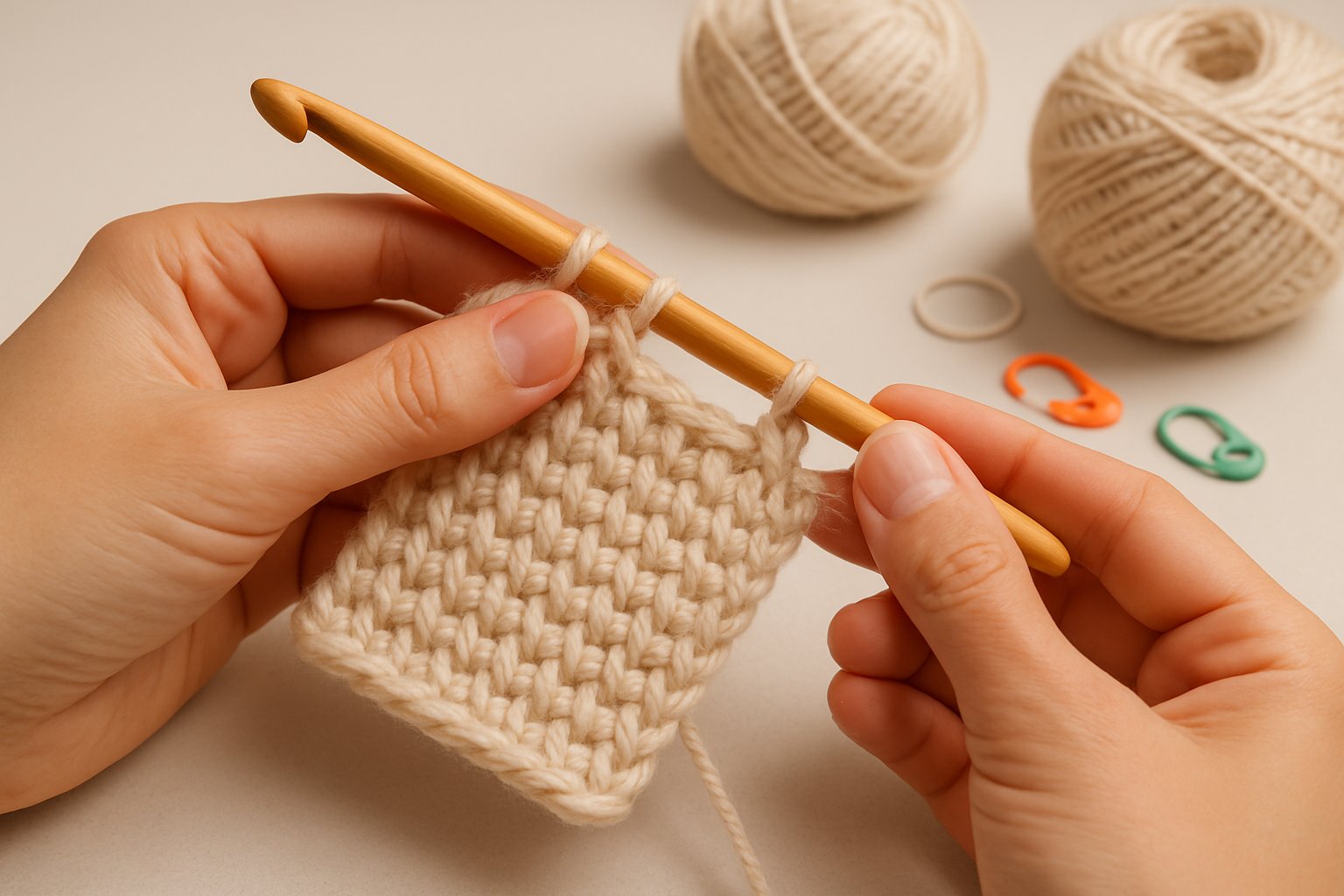
Tunisian crochet blends the best of knitting and crochet, creating a unique and textured fabric. To master this craft, learning essential stitches, picking the right tools, and managing tension is crucial. These elements lay a solid foundation for your projects.
Essential Stitches for Beginners
Tunisian crochet has stitches like the Tunisian Simple Stitch (TSS), which involves looping yarn through previous stitches, creating a thick and sturdy fabric. Another key stitch is the Tunisian Knit Stitch (TKS), which mimics knitting and adds a knitted look to your projects.
To keep it exciting, experiment with the Tunisian Purl Stitch (TPS) to add texture and variety. Practicing these stitches helps you understand how different yarn types behave. Start with simple projects like coasters or dishcloths, ideal for refining your technique.
Choosing the Right Tools and Yarn
The choice of tools and yarn affects your crocheting success. Start with a Tunisian crochet hook, which is longer than regular hooks. Hooks come in various sizes, each suitable for different yarn weights. Lightweight hooks are ideal for beginning, as they’re easier to handle.
See all our tunisian crochet hooks here!
Consider the yarn you use. Soft, medium-weight yarns, such as cotton or wool blends, are beginner-friendly and allow you to clearly see your stitches. Remember, LindeHobby offers a wide selection specific to all skill levels—ideal for learning while accommodating your personal taste and budget.
Explore our yarn collection here!
Understanding Gauge and Tension
Gauge is vital in Tunisian crochet to keep your projects consistent. It refers to the number of stitches and rows in a particular sample size. Your tension affects gauge, so practice maintaining uniform tension to avoid tight or loose rows.
To check your gauge, create a small swatch using your chosen stitch pattern. Measure the swatch against a pattern guide to ensure accuracy. If your gauge is off, adjust hook size or tension as needed. Regular practice will make you more comfortable and confident.
Explore more of what Tunisian crochet has to offer and remember, a well-stocked supply from LindeHobby can help make your crafting experience both enjoyable and successful.
Proven Techniques To Increase Stitches
Increasing stitches in Tunisian crochet can be simple with the right methods. Learn how to expand your work smoothly using basic stitches, yarn overs, and creative approaches.
Tunisian Simple Stitch Increase Methods
To enlarge your project, you can use the Tunisian Simple Stitch (TSS) to add stitches effortlessly. This technique involves working more than one loop into a stitch in the row below. Begin by inserting the hook into the desired stitch, yarn over, and pull up a loop. Repeat this process into the same stitch before moving to the next.
As you practice, each new loop adds width to your work. This increase is straightforward and creates an even pattern. Using different yarn weights from LindeHobby can vary the texture and density, giving your projects a unique feel.
Working With Yarn Overs and Inserts
Yarn overs are another effective way to increase stitches, adding texture in the process. Simply wrap the yarn over your hook, creating an extra loop before you work into the next stitch. This method creates a small eyelet, which can become a decorative feature.
Inserting your hook in different parts of your work also offers variety. Instead of the usual horizontal bar, try inserting into the vertical bars or back loops. This method changes stitch direction and opens up creative possibilities. Use these techniques to add character to items like scarves or shawls while browsing LindeHobby for inspiration.
Invisible and Decorative Increases
Achieving invisible increases can give your work a seamless look. To do this, work into a stitch as usual, then also insert into the lower horizontal bar before completing the stitch. This neatly adds width without obvious changes.
For a decorative touch, try using Tunisian Full Stitch increases. This involves inserting the hook between stitches and working a loop that blends into your existing pattern. Your projects gain interesting detail and texture.
Opt for vibrant yarns or unique hooks from LindeHobby to enhance the final appearance. Whether you're making cozy blankets or stylish bags, these increases can elevate your designs with minimal fuss.
Applying Increases In Patterns
In Tunisian crochet, applying increases allows you to shape your project to fit the design. It helps in creating curves, angles, and more dynamic structures. Understanding how to increase stitches in your pattern is key to achieving desired shapes and styles.
Shaping With Increases
When shaping with increases, you add extra stitches to widen or add volume to your project, like when creating sleeves or flared skirts. Start by identifying where your pattern needs more width.
To add an increase in Tunisian crochet, insert the hook into the next stitch, yarn over, and pull up a loop. You'll see the difference as the fabric starts to take shape according to your need. Remember to keep track of the stitches added to maintain balance in your design.
Experiment with different types of yarn to find what works best for your project. Thicker yarn creates more visible increases, providing texture and warmth. LindeHobby offers a broad selection of yarn, ensuring you find the perfect match for your creation needs.
Adjusting For Curves and Angles
Increases are perfect for adding curves and angles to your project, like necklines or decorative elements. To create curves, plan your increases along the area where the fabric needs more give. For tighter angles, like in geometric patterns, place increases thoughtfully to maintain structure.
Work with an even hand and maintain consistent tension to ensure clean lines and smooth curves. Utilize stitch markers to help guide your design as it grows. You may find that adjusting the frequency and placement of increases can change the effect entirely.
To support your creative journey, take advantage of the tools available at LindeHobby. With the right materials, you can achieve a balanced and elegant look, no matter your project's complexity. Whether you’re customizing a pattern or exploring new designs, your creativity leads the way.
Indulge your crafting passion by exploring the vast options of yarns and crochet hooks at LindeHobby—where your next project awaits.
Troubleshooting and Advanced Tips
In Tunisian crochet, mastering increases can be a rewarding challenge. Learning how to handle common errors and blending increases smoothly can enhance your projects.
Fixing Common Errors With Increases
Making increases in Tunisian crochet can sometimes lead to mistakes like uneven edges or unwanted gaps. Common solutions include checking your tension and ensuring a consistent stitch pattern.
If you notice a mistake, try unraveling the row gently and redo the stitches. Evaluate your yarn choice; some fibers like cotton or wool might be easier to work with for beginners.
To avoid errors, consider practicing on a smaller swatch first before incorporating increases into a larger project. This way, you continue to improve your technique without undoing extensive work. Using marked hooks or keeping notes can also help remember where increases were last made.
Blending Increases Seamlessly Into Projects
To incorporate increases smoothly, practice maintaining an even texture and pattern. Varying stitch types can disguise increases, making them look part of the pattern. Work with contrasting colors; they highlight stitches beautifully, adding interest to the design.
For beginners, simpler patterns can keep the transition neat; advanced crafters may enjoy mixing textures and stitches. If you're working towards creating something like a sweater or blanket, consistency in the increase is crucial.
Try using versatile yarns available at LindeHobby. With our wide selection, you can experiment with textures and colors to suit different projects. Be sure to browse through our collection for everything you need to start your next Tunisian crochet project today!

