

How to Keep Tunisian Crochet from Curling: Expert Tips for Smooth and Beautiful Creations
Tunisian crochet is a delightful craft that combines the best of knitting and crochet, creating textured patterns and dense fabrics. As you dive into this hobby, you might notice that your projects tend to curl at the edges. This is a common issue, but there are simple solutions. Choosing the right tools and techniques can keep your Tunisian crochet projects flat and beautiful.
Learning how to stop curling makes your Tunisian crochet journey more enjoyable and satisfying. It opens up endless possibilities for creating home décor items, garments, and accessories that look professional and polished. Knowing how to manage this challenge will boost your confidence, making you ready to take on more complex patterns.
For yarn enthusiasts, the appeal of Tunisian crochet lies in its versatility and charm. Whether you're a beginner or an experienced crafter, you'll enjoy experimenting with stitches and colors to create unique pieces. Remember, LindeHobby is here to support your creative journey with a wide range of supplies and helpful tips.
Key Takeaways
- Use the correct hook size to reduce curling.
- Adjust tension and stitches for a smoother result.
- Block your crochet pieces to ensure they lay flat.
Understanding Why Tunisian Crochet Curls
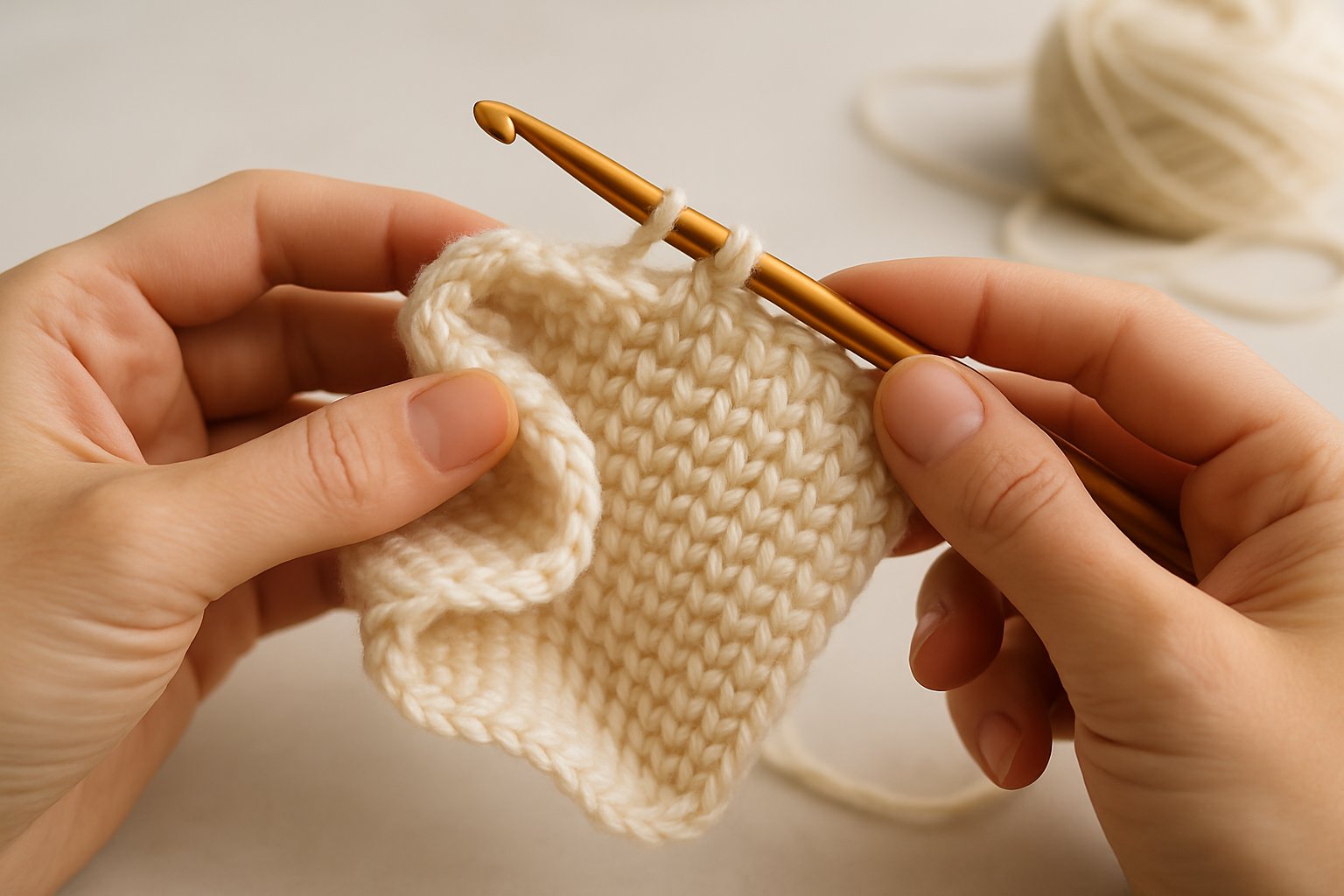
Tunisian crochet often curls at the edges due to its unique stitch structure. This can be frustrating for crafters, but with the right techniques and materials, you can reduce or even prevent curling.
What Causes Curling in Tunisian Crochet
Tunisian crochet commonly curls because of the stitch tension. The forward and reverse passes in these stitches create a natural curling effect as the fabric pulls tighter. This is different from regular crochet, where each stitch is completed individually. For Tunisian crochet, both tension and yarn weight play key roles. Loose tension helps prevent curling, so practicing with a relaxed grip can make a difference.
Another factor is the type of stitch used. Denser stitches, like the Tunisian simple stitch, are prone to curling, while some others can lie flatter. Balancing your technique can impact how much your project curls. By experimenting with different types of stitches, you can discover which ones work best for you, depending on the project.
Impact of Yarn and Hook Choice
The choice of yarn and hook size is important in managing curl in Tunisian crochet. Using heavier yarns often adds weight, which helps keep the fabric flat. Lightweight yarns are more likely to allow the edges to curl. Consider trying different yarn styles such as wool, which can be blocked to reduce curl, unlike some synthetic fibers.
Your hook size can also make a difference. A larger hook creates looser stitches, reducing the tension that leads to curling. Ideally, your hook should be one or two sizes larger than the recommended size for the yarn. This adjustment helps create a relaxed fabric. When selecting materials, explore LindeHobby's selection, where you'll find a variety of yarns and hooks perfect for getting started on your Tunisian crochet projects.
Explore our yarn collection here!
Essential Techniques to Prevent Curling
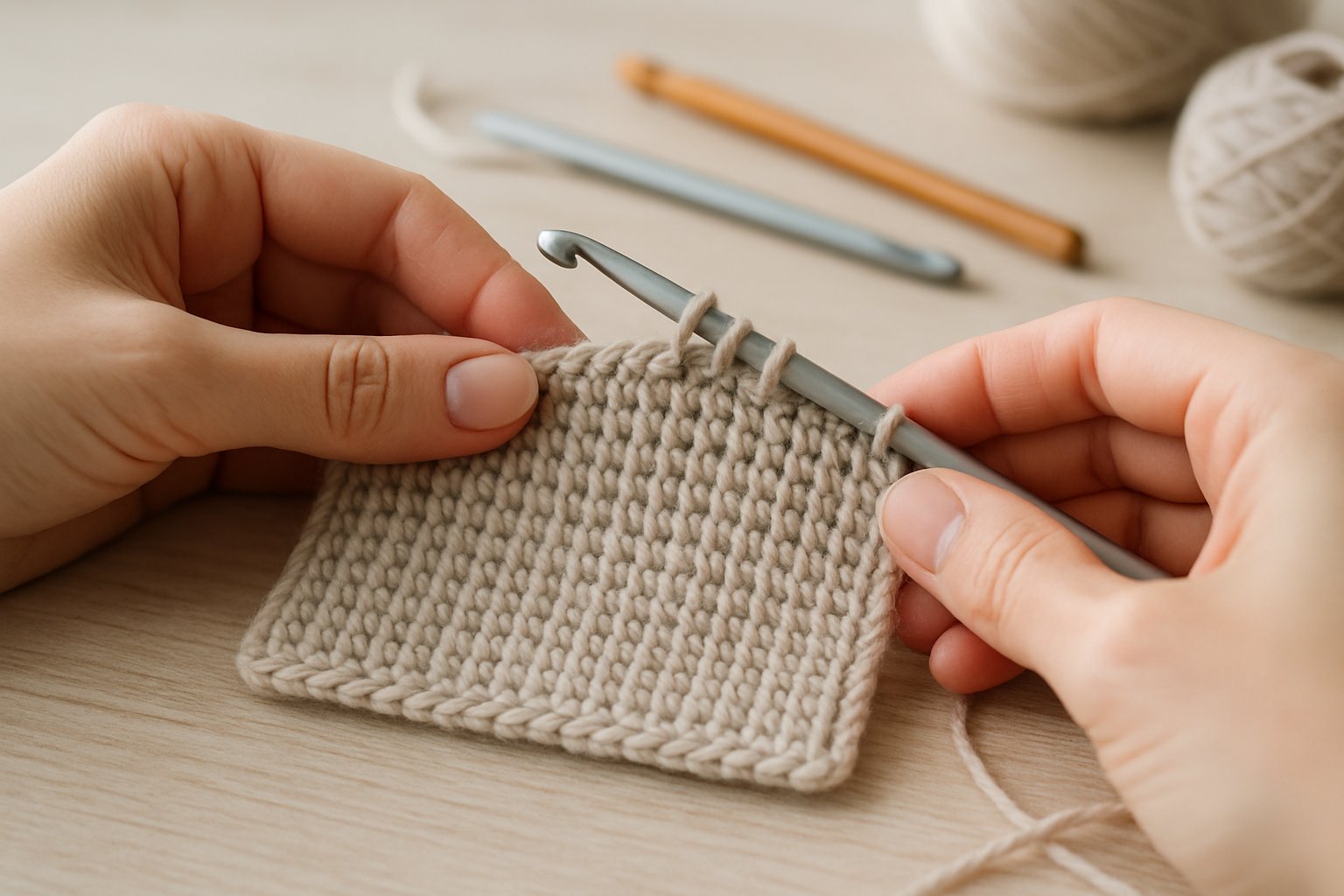
Preventing curling in Tunisian crochet involves choosing the right tools, using effective stitches, and managing tension. By focusing on these areas, you can create flat and even crochet projects with ease.
Selecting the Right Hook Size
The hook size plays a vital role in preventing curling. When starting a Tunisian crochet project, consider using a larger hook than you would for standard crochet. A bigger hook size helps create looser stitches, reducing the risk of curling. For instance, if you typically use a 4mm hook, try opting for a 6mm one instead.
Experimenting with different hook sizes is essential. This means trying various combinations until you find what works best for your specific yarn type. Yarn weight can also influence your choice, so it helps to keep a variety of hooks on hand. Visit LindeHobby for a selection of hooks to suit every project and yarn type.
Lastly, keep in mind that slight trial and error is normal. With each project, you'll get better at understanding your hook size needs, contributing to smoother, curl-free pieces.
See all our tunisian crochet hooks here!
Incorporating Border Stitches
Including border stitches can greatly help in keeping your crochet work flat. Border stitches, such as slip stitches or single crochet rows, can stabilize the edges. These stitches add structure, making your project look polished and professional.
Begin your piece with a row of foundation stitches and finish off with a line of border stitches. This is especially advantageous for projects like blankets or scarves. Borders create a firm base and top finish, preventing the edges from rolling inwards.
Consider border stitch variations. Try using a contrasting color for an attractive edge or mix different stitches for a textured border. LindeHobby’s collection of colorful yarns can spark inspiration for creative borders.
Adjusting Tension While Crocheting
Maintaining even tension is key in Tunisian crochet. Uneven tension often leads to curling, so staying mindful of your grip is important. As you crochet, be sure your yarn flows smoothly and consistently.
Practice with different levels of tension to see what works best for you. If curls persist, try loosening your grip slightly. This small adjustment can make a big difference.
For beginners, it may take some time to find the right balance of tension. Don't hesitate to use tension guides or practice swatches to hone your technique. If you need quality yarn to practice with, LindeHobby offers a range of choices to help you find your perfect tension.
Remember, each crocheter has a unique style, and with practice, you'll discover what makes your stitches even and flat.
Whether for a snug blanket or a stylish scarf, achieving the perfect flatness in your Tunisian crochet can elevate your handmade creations. Explore our yarn and hooks at LindeHobby to bring your projects to life with precision and flair!
Finishing Touches for Flat Tunisian Crochet
Flattening your Tunisian crochet project can really improve its look and feel. It's all about ensuring a smooth finish using effective techniques.
Effective Blocking Methods
Blocking is key to achieving a smooth, flat finish. Start by soaking your project in lukewarm water until it's fully wet. Gently squeeze out the excess water without wringing.
Lay the crochet piece on a flat, clean surface, like a blocking mat. Stretch it to the desired shape and size. Use rust-proof pins to secure the edges in place.
Let it dry completely for the best effect. If you’re short on time, a steam iron can be used to lightly press the piece. Just avoid direct contact with the crochet to keep the yarn fibers safe. LindeHobby offers a selection of mats and pins to simplify your blocking process.
Using Edging for Stability
Adding edging to your Tunisian crochet can enhance stability and aesthetics. Common choices include single crochet or shell stitch. These edges help anchor the project, keeping it flat.
Start the edging by lining the border with single crochet stitches. Work evenly, paying attention to your stitch count. This ensures no bunching or curling.
Edging not only adds practical stability but can also offer a decorative finish. Choose a contrasting color for a bold look or match the project for a cohesive design. At LindeHobby, you can find a variety of yarn colors to add that perfect finishing touch to your work.

