

How to Make a Bullet Journal: Crafting Your Creative Haven
Starting a bullet journal can be a rewarding way to organize your life. It lets you combine planning with creativity, making every day feel a bit more exciting. A bullet journal can help you keep track of your goals, tasks, and thoughts all in one place. Plus, it’s a great way to express yourself through art and design.
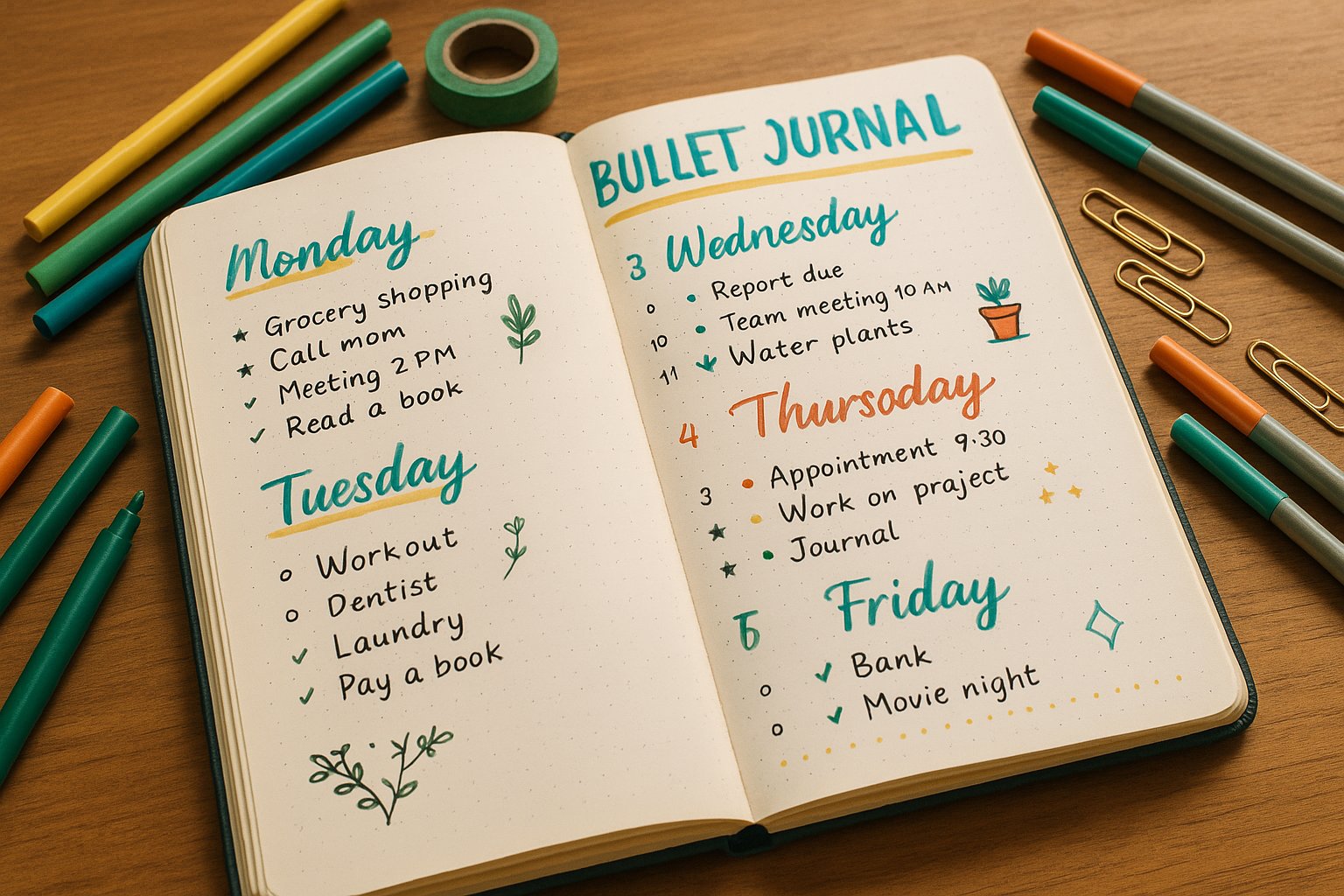
You don't have to be an artist to make an inspiring and functional bullet journal. With just a notebook and a pen, you can begin creating a personalized planner that meets your needs. Easy layouts and simple designs can lead to effective planning and tracking.
Building the habit of maintaining your bullet journal is key to making it a useful tool. By spending just a few minutes each day, you ensure that your bullet journal becomes a helpful part of your routine. Explore various layouts that inspire you to stay organized and productive.
Key Takeaways
- Start your bullet journal with a notebook and pen.
- Create simple layouts for planning and creativity.
- Build consistent habits to keep your journal effective.
Getting Started With Your Bullet Journal
Starting a bullet journal isn't hard when you have the right tools and know a few basics. You'll need a suitable notebook, some simple supplies, and a clear plan for organizing your thoughts and tasks effectively.
Choosing the Right Notebook and Supplies
Picking the right notebook is important. Dotted or grid notebooks are popular choices because they make drawing lines easier. You might want a hardcover for durability or a softcover for flexibility. The paper quality should be good enough to withstand ink without bleeding.
As for supplies, you'll need a few pens. A black pen is a staple, but adding a few colors can make it more exciting. Washi tapes, stickers, or stencils can also bring some creativity into your journal. It's really about what suits your style best.
Lastly, think about storage. Having a pouch or container to keep your supplies organized will help your journal stay neat. If you don't have these items, consider browsing through LindeHobby's wide selection of craft supplies to find exactly what you need.
Setting Up Your Key and Index
The key is where you define symbols that you'll use throughout your journal. Common symbols include a dot for tasks, an "X" for completed tasks, and a dash for notes. Feel free to personalize these symbols to make them useful for you. This list should be brief but consistent.
Next, set up the index. This is like a table of contents, so when you add a new topic or idea, record the page number here. This will save time when you're looking for something specific. Keep your index organized and clear to make navigation easy.
Considering this vital foundation, you have a well-organized tool that grows with you. It will help track your projects, including crafting endeavors like knitting or crochet.
Understanding Future, Monthly, and Daily Logs
The future log is where you note down long-term events or deadlines. Divide a couple of pages into months and write down any significant happenings or tasks.
Your monthly log gives a more detailed look at each month. Create a calendar view with notes beside it for any important tasks or reminders. You can set goals for the month here as well.
Daily logs keep track of your day-to-day activities. List your tasks, events, and notes for each day. This space allows for reflection at the end of the day, or even planning tomorrow's tasks after reviewing what was completed today.
By organizing this way, your bullet journal becomes a helpful tool in managing life, including those creative projects from LindeHobby that keep your mind engaged.
Designing Your Bullet Journal Layouts
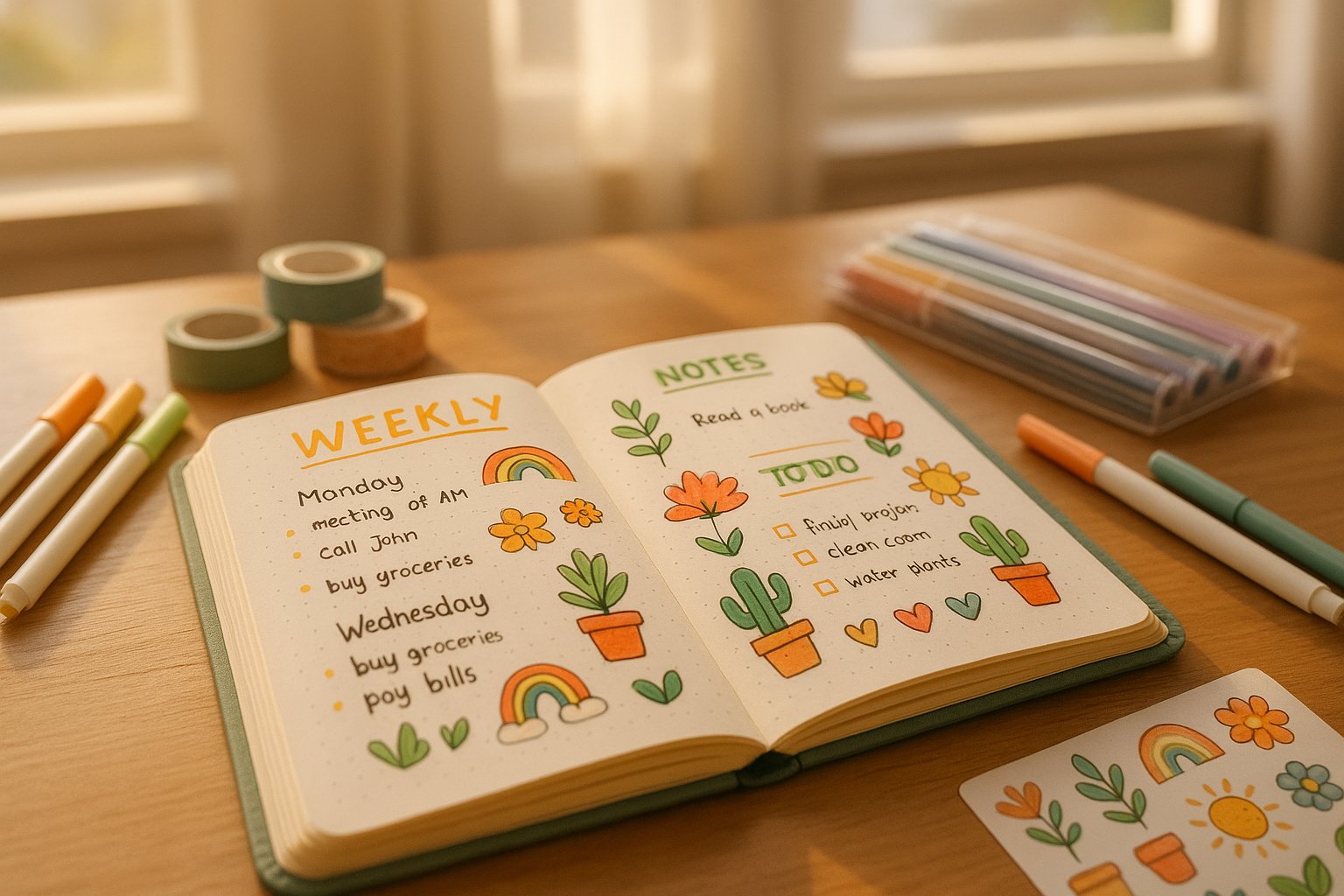
Creating a bullet journal layout can be a fun and rewarding task. You have the chance to design spreads that help plan your days or track habits. Lists and collections add personal flair and keep things organized.
Creating Spreads for Planning
Start with the basics: a calendar layout. Layouts can range from daily to yearly spreads. A monthly calendar gives you an overview of events and deadlines. Daily spreads let you focus on tasks and priorities. You might want to include a task list or a space for notes and ideas.
Decorate with colors and themes that reflect your style. Washi tape or stickers can add a fun touch. Whether you use a minimalistic or detailed design, find what works best for you. Consider adding quotes or doodles to inspire your creativity and keep you motivated.
Incorporating Collections and Lists
Collections are where you can really personalize your journal. Lists help organize everything from books you want to read to fitness goals. Create a list for birthdays, or document movies to watch. Collections like habit trackers can be visual and satisfying to fill out.
Think about using bullet points for easy reading. You might find that creating a key or legend adds clarity. Envision each list as a living part of your journal that grows with you. Experiment with styles until you find one that fits.
Embrace your creativity when designing layouts. This part of your journal can become a reflection of your interests. The endless possibilities make it exciting and unique to you.
Explore different pen and paper options to suit your budget. LindeHobby offers a range of items from beginner kits to premium supplies.
Building Consistent Bullet Journal Habits
Creating a bullet journal is a rewarding hobby. It takes consistency and creativity to keep it going. Developing a routine and maintaining motivation can make all the difference in your journaling journey.
Establishing a Daily Journaling Routine
Setting aside time each day for bullet journaling helps to build a solid habit. Start with just 5 to 10 minutes daily. Choose a time that fits your schedule, perhaps in the morning to plan your day or in the evening for reflection. Try incorporating your journaling into your daily rituals—like with your morning coffee or before bed.
Tracking your progress is important. Use simple charts or lists to monitor how often you journal. This will give you a sense of accomplishment and help you stay on track. You can also set weekly or monthly goals to maintain your flow. Celebrate your small victories. This consistency not only keeps your journal organized but also makes it a valuable part of your everyday life.
Maintaining Motivation and Creativity
Staying motivated can sometimes be a challenge. It's crucial to find inspiration regularly. You can look at bullet journal examples online to trigger new ideas. Feel free to experiment with different layouts, and remember there's no right or wrong way to journal. Have fun with colors, stickers, and pens.
Engage with the journaling community. Online groups or local meetups offer a wealth of inspiration and encouragement. Share your creations, ask questions, and enjoy being part of a supportive circle. This connection can significantly boost your motivation.
Consider challenges such as a "30-day journaling challenge" to keep things exciting. Invite friends or family to join in for an added layer of enthusiasm. Remember, at LindeHobby, you'll find all the artistic supplies you might need.

