

How to Make Paper Mache Mask: Unleash Your Creative Spirit with LindeHobby's Expert Tips
Making a paper mache mask is a delightful and creative way to express yourself. Whether you’re planning for a costume party, theater production, or just getting crafty at home, creating a mask can be both fun and rewarding. Mastering this craft provides a relaxing escape while allowing you to explore your creativity.
You don't need to be an expert to start making your own mask. With just a few materials like paper, adhesive, and paint, you can craft something truly unique. The process involves layering paper with a glue mixture over a mold, then customizing your creation with colors and decorations.
Creating your own paper mache mask also offers a perfect opportunity to engage with family and friends. This activity is great for all ages and allows for endless customization. LindeHobby has a variety of supplies to help you bring your storyboard ideas to life. Jump in and discover the joy of crafting your mask!
Key Takeaways
- Gather basic materials like paper, adhesive, and paint.
- Layer paper to shape, then decorate your mask.
- Enjoy this creative activity with family and friends.
Essential Materials for Paper Mache Mask Making
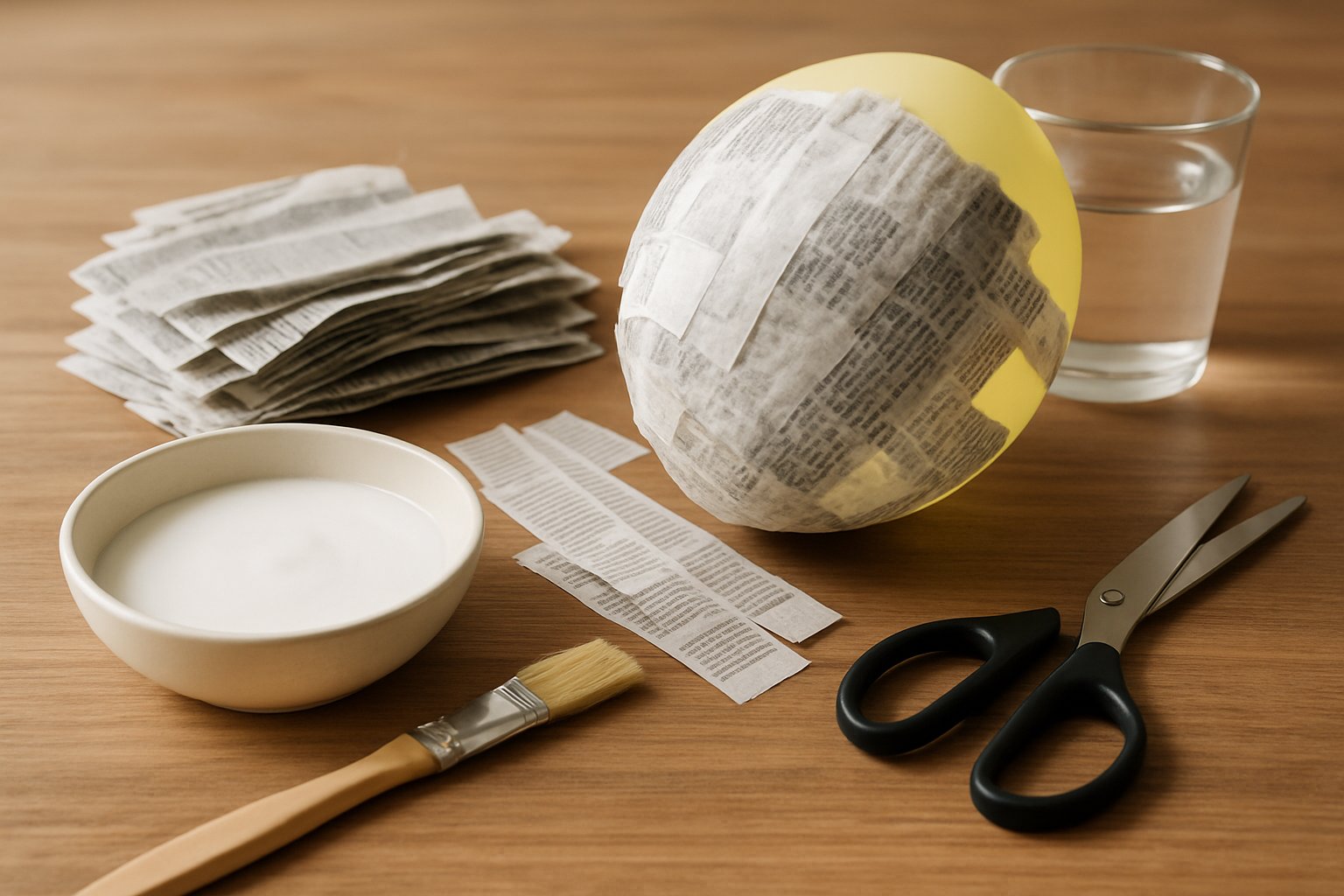
Creating a paper mache mask requires a collection of important materials and offers a fun and creative activity. You’ll need paper, adhesive, and a few basic tools to bring your vision to life.
Required Supplies and Tools
To begin, gather your basic supplies. You will need newspaper or any other scrap paper, a mixing bowl, and a paintbrush. Scissors and a pencil are useful for shaping and designing. Masking tape helps hold pieces together, while paint or markers are perfect for adding color.
You can also explore different textures using glitter, beads, or feathers. Remember, working on a flat surface keeps your project tidy. A table covered with a plastic sheet or old newspaper helps with cleanup and organization.
Choosing the Right Paper Types
Selecting the right paper is crucial for a durable and smooth mask. Newspapers are a popular choice because they are flexible and easy to shape. If you want a smoother finish, use paper towels or tissue paper for the outer layers.
Experiment with craft paper for added durability. Mixing papers can create interesting textures. Keep in mind that using recycled paper is a great eco-friendly option. Visit LindeHobby for a variety of paper types to suit your mask-making needs.
Best Adhesives and Pastes for Strong Results
For sturdy masks, choosing the right adhesive is key. A mix of flour and water creates a simple and effective paste. For added strength, a mixture of PVA glue and water offers excellent results.
Craft stores often have pre-made paper mache paste if you prefer convenience. When working with children, use non-toxic pastes for safety. No matter the adhesive, ensure a smooth application for easy painting and decorating later.
Creating a paper mache mask can be an enjoyable and rewarding craft adventure. LindeHobby provides a wide range of supplies to help you start. Explore different styles and designs, and discover the joy of mask making.
Step-By-Step Paper Mache Mask Creation
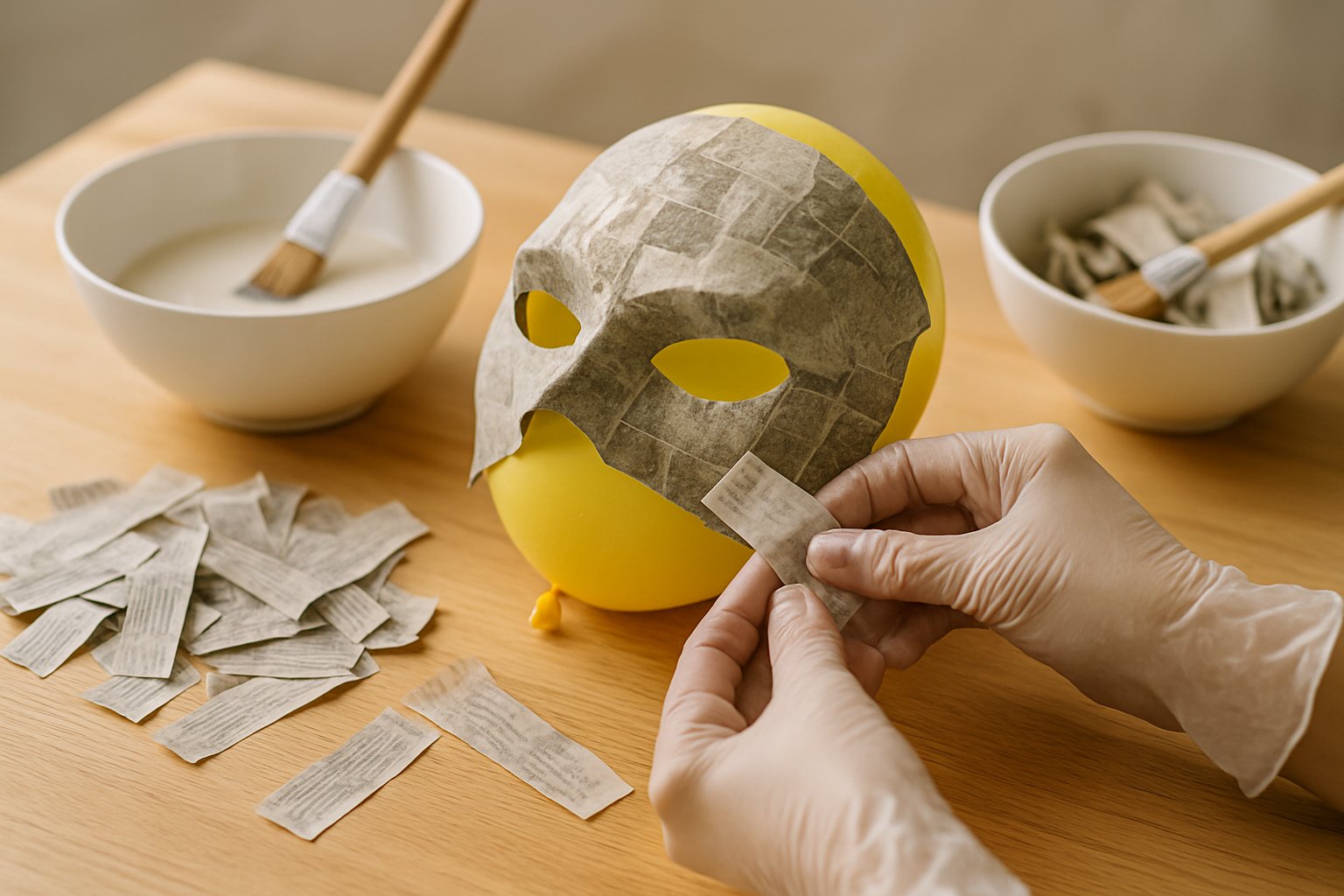
Creating a paper mache mask involves building a sturdy base, layering with paper mache, and carefully drying it for the final reveal. This project is accessible for beginners and offers room for advanced techniques.
Building a Mask Mold or Base
To start, you’ll need a base for your mask. A simple method is using a balloon or a ready-made mask form. Ensure the size fits the face you’re crafting for. Cover your mold in plastic wrap or aluminum foil to make it easy to remove later.
If you’re using a balloon, inflate it to the desired size. You can also use a face-shaped plastic form found at craft stores. Remember, the shape of your base will shape your mask! Choose the base that best fits your design idea.
Set up a workspace covered with newspapers to catch any mess. Have all materials ready: strips of newspaper, a bowl, and paper mache paste.
Applying the Paper Mache Layers
Mix paper mache paste using simple ingredients—flour and water work well. Combine equal parts and stir until smooth. Tear newspapers into long strips about an inch wide to prepare for layering.
Dip a strip into the paste, scrape off the excess, and lay it onto your mold. Cover evenly, slightly overlapping each strip. Aim for three to four layers, letting each dry a bit before adding the next. This ensures a solid structure.
Add details for more character. Build up cheekbones or brows using more layers of paper. Experiment with position and thickness to match your vision.
Drying and Removing the Mold
Let the mask dry completely. This may take a day or two, depending on humidity. Once it feels hard and dry, it’s time to carefully remove it from the mold base.
Start by gently peeling away any plastic wrap or foil. If you used a balloon, deflate it slowly and remove it from inside. Check the mask for any weak spots. If necessary, add a couple more paper strips, letting them dry fully. Once removed, the mask is ready for painting and decorating.
To complete your masterpiece, use paint, feathers, or beads. Your creativity is the limit! Explore the wide array of craft supplies from LindeHobby to bring your mask to life. Browse our selection of tools and materials to get started today!
Finishing and Decorating Your Mask
Creating a paper mache mask is a fun craft that requires careful finishing touches. Start by refining the surface, then personalize with paint, finishes, and embellishments. This process makes your mask truly unique.
Sanding and Smoothing Techniques
Begin by ensuring your mask is completely dry. Lightly sand the surface with fine-grit sandpaper to smooth out any rough areas. Work gently to avoid damaging the paper layers underneath. For hard-to-reach spots, fold the sandpaper into smaller pieces, allowing you to achieve a polished texture throughout.
Pay special attention to edges and details. Keeping these areas clean ensures a professional look. For a softer feel, use a damp cloth to remove excess dust after sanding.
Pro Tip: If small cracks form during sanding, use a bit of additional paper mache paste and let it dry before re-sanding. This saves time and maintains the mask’s integrity.
Applying Paints and Finishes
This is where creativity shines. Acrylic paints work well for their rich colors and quick drying time. Opt for matte or gloss finishes to achieve the look you desire. Apply the paint with soft brushes in thin layers to avoid streaks and ensure even coverage.
Mix and match colors for a vibrant design, and use a contrasting shade for depth and shadow effects. Seal your artwork with a clear spray sealant to protect it and add a professional touch.
Tip: Test your colors on paper before applying them to the mask to help plan your design. Layering techniques like dry brushing add texture and highlight details.
Adding Embellishments and Details
Transform your mask into a work of art by adding embellishments. Consider using beads, feathers, sequins, or fabric pieces for added flair. Affix these securely using a glue gun or craft adhesive.
You can create dimension with textured materials like lace or textiles. Add ribbons for ties or decorative accents that provide both function and beauty.
For a magical touch, consider metallic paints or glitter accents. These additions catch the light, making the mask dynamic and eye-catching.
Explore our selection at LindeHobby for any materials you need. From velvety textures to vibrant colors, our supplies inspire and complete your craft projects.
Care, Storage, and Creative Ideas
Your paper mache mask is a work of art that deserves attention. Proper care keeps it looking fresh, while creative ideas can breathe new life into your designs. Displaying your mask effectively ensures it becomes a focal point.
Maintaining and Preserving Your Mask
To keep your paper mache mask in good shape, handle it with care. Avoid exposing it to direct sunlight for extended periods, as this can cause fading. Humidity is another concern, so keep it in a dry place to prevent mold.
Dust your mask regularly. You can use a soft brush or a dry, lint-free cloth. For more stubborn spots, a slightly damp cloth may be used, but be cautious to avoid soaking the paper.
If there is any damage, minor repairs can be made with glue or paint touch-ups. These small fixes often restore your mask to its original beauty. Following these steps helps preserve your mask for many years.
Creative Mask Design Inspirations
Get creative with your paper mache mask using a variety of designs. Achieve unique looks with paints, or incorporate glitter and beads for extra sparkle. Texturing adds depth; consider using fabric or yarn from LindeHobby.
Seasonal themes can provide fun ideas. Try a winter-themed mask with white, silver, and blue tones, or vibrant colors for springtime. Animal motifs are always popular, allowing you to mimic animal features with paint and other materials.
Personalization is key in making the mask truly yours. Monograms, favorite colors, or even themed designs based on beloved stories can bring a personal touch. Let your creativity guide your design choices for a mask that stands out.
Tips for Displaying Your Art
Display your mask thoughtfully to make it shine. Wall mounts are an excellent choice, and they keep the mask safe. You might hang it alongside other artwork to create an interesting display. Consider lighting; a well-placed spotlight can enhance its features.
Showpieces such as shelves or glass cabinets provide another option. These keep dust away while allowing easy viewing. LindeHobby offers various crafting materials for stands if you wish to create a custom display option.
Think about rotating your display for seasonal refreshes or special occasions. This keeps your setup fresh and engaging. Turn your mask into a centrepiece by experimenting with different display techniques.

