

How to Origami: Unleash Your Creativity with LindeHobby's Expert Tips
Origami is more than just folding paper. It's a peaceful journey into creativity and craftsmanship, offering a break from the everyday hustle. Whether you are a newcomer exploring this art form or an expert aiming to refine your skills, origami is for everyone. Mastering origami can be rewarding, boosting your creativity while giving you beautiful handmade creations to enjoy.

To get started, all you need is a square sheet of paper and a little patience. Origami combines simple steps to create complex-looking shapes, making it easy to dive in and see results quickly. With each fold, you create intricate designs and patterns, transforming ordinary paper into something extraordinary.
Embracing origami opens a world of calm and focus. It sharpens your attention to detail and offers a sense of accomplishment with every completed piece. Encouraging young and old alike to engage in this craft, origami has projects suited for all abilities. Browse our collection of quality materials to fuel your origami journey and explore countless designs and techniques.
Key Takeaways
- Origami is accessible for beginners and experts alike.
- All you need is a square piece of paper to start crafting.
- LindeHobby has the materials you need to explore the world of origami.
Getting Started With Origami
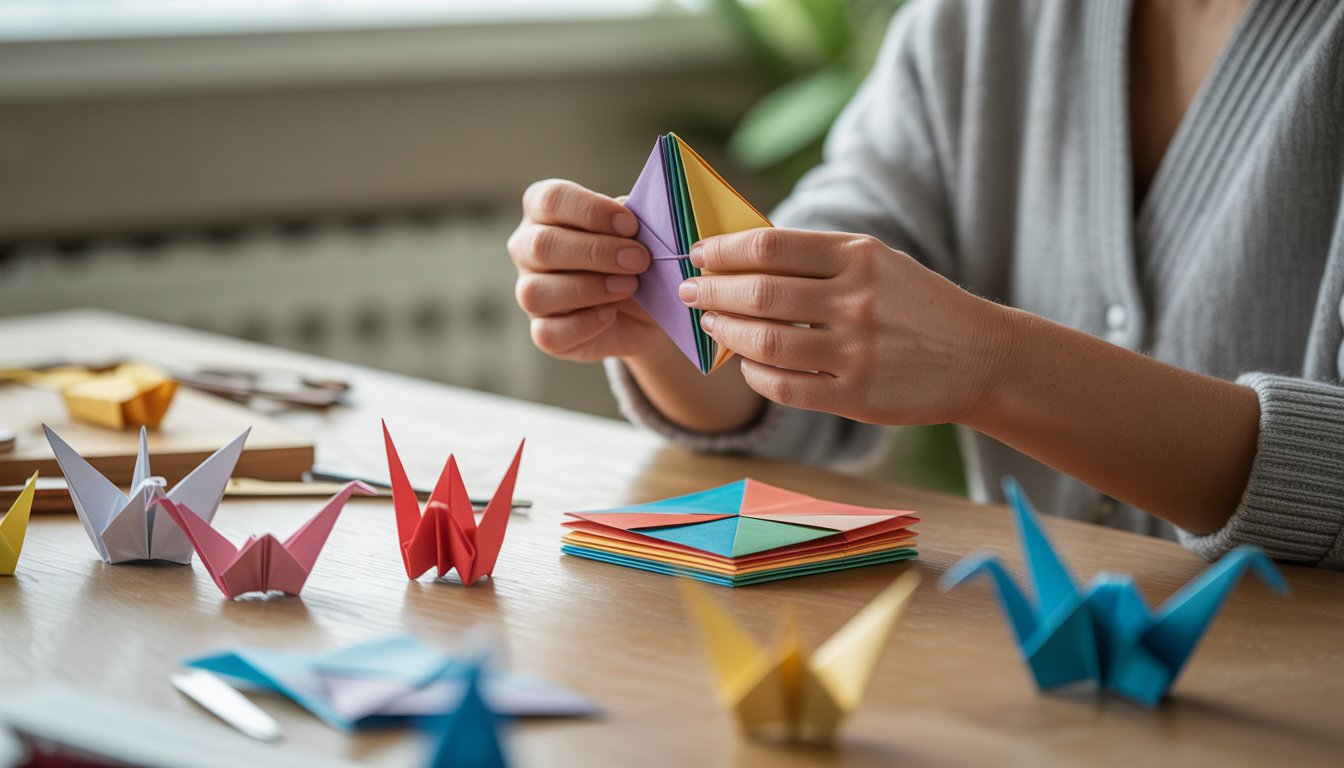
Origami is an enjoyable craft that lets you create delightful paper designs. You'll need basic materials and some simple techniques, which you can expand upon once you get the hang of it.
Essential Origami Materials
To start origami, you'll need paper. Standard printer paper works, but colored origami paper is desirable since it's thin and holds creases better. Look for packs with a variety of colors and patterns to add personality to your models.
Scissors are not typically used in origami, but they might help if you need to make preliminary cuts before folding. A ruler can help with accuracy in more complex projects. For new hobbyists, LindeHobby offers a wide range of affordable origami paper suitable for both beginners and advanced folders.
Understanding Basic Folds
Before creating intricate models, learn basic origami folds. Two fundamental folds are the valley fold and the mountain fold. A valley fold involves folding the paper toward you, creating a "V" shape. A mountain fold is the opposite, folding away to form a peak.
Practice these folds repeatedly to become comfortable. Mastery of these basic techniques will greatly aid your exploration into the art of origami. Many videos and guides offer step-by-step instructions to help you become proficient quickly.
Choosing Your First Model
Start with simple projects like a paper boat or crane. These models require just a series of basic folds and no complex techniques.
When choosing your first design, consider your interests. Animals, flowers, and geometric shapes are popular starting points. Use online resources or books to find diagrams that match your skill level. LindeHobby provides a selection of instructional guides and kits to help beginners choose projects suited to their tastes and abilities.
As you advance, try experimenting with different paper sizes and types to see how they affect the final product. This exploration will enrich your creativity and deepen your enjoyment of origami.
Step-By-Step Origami Techniques
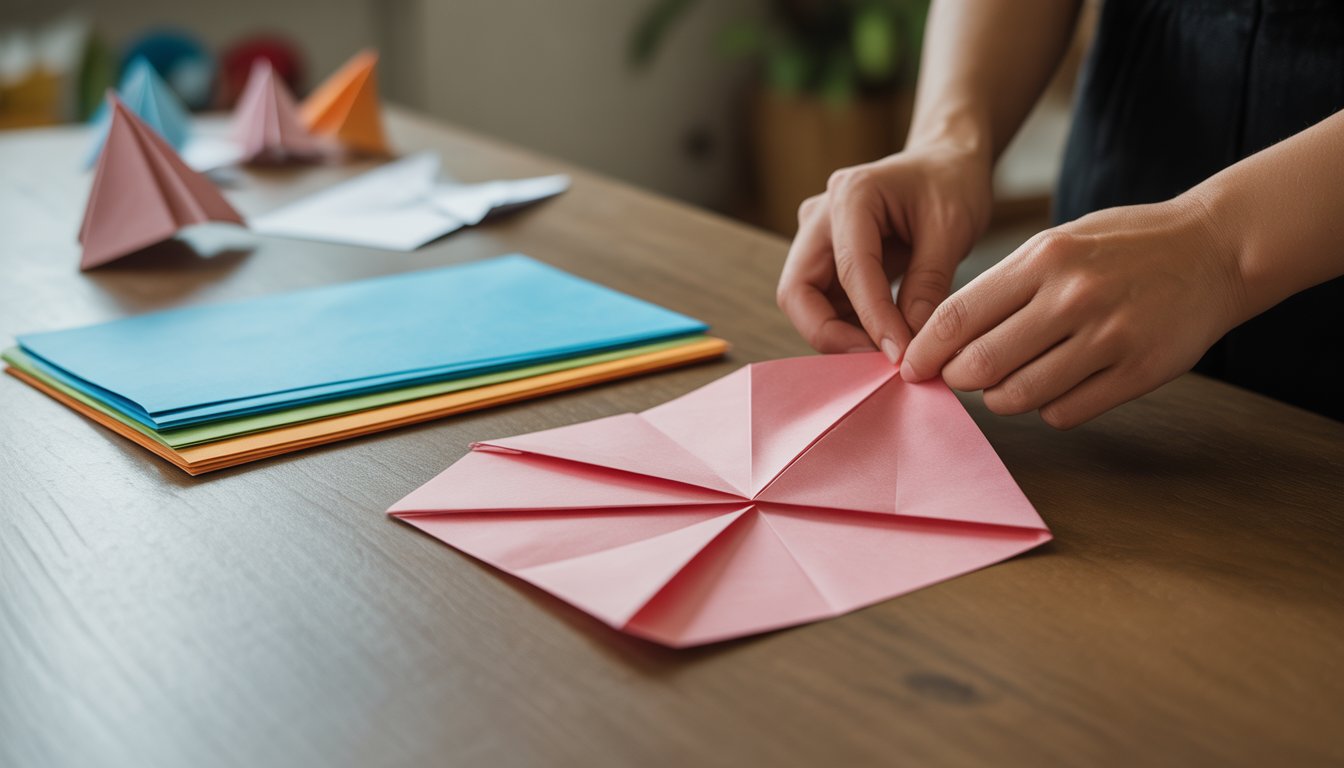
Creating origami is more than just folding paper. You explore various methods to make stunning paper art. Learn to fold classic figures, build traditional bases, and try simple projects that spark joy.
Folding Classic Origami Figures
Origami figures, like the crane and frog, are classics for a reason. Start with a square sheet of paper. Practice even, precise folds.
Follow instructions carefully. Step-by-step guides often help. Diagrams or videos can be useful too. Pay attention to each crease. This ensures your figure is neat and holds its shape.
Try experimenting with paper sizes and colors. This adds variety and makes your creations unique. Remember, patience is essential. With practice, your folding skills will improve.
Mastering Traditional Origami Bases
Traditional bases form the foundation of many origami models. Examples are the bird and fish bases. Begin by folding your paper into preliminary shapes.
Understand how each base contributes to the final design. Being familiar with these can help you explore advanced origami. A good tip is to view tutorials that break down these bases into easier steps.
Keep your workspace organized. This helps you focus. Using quality paper ensures cleaner folds. Lightweight origami paper from LindeHobby might suit you well. Explore our variety, which fits all kinds of projects.
Learning Simple Origami Projects
Simple projects are perfect for beginners. Start with basic models like boats or hats. These require fewer folds and help you practice techniques.
Gather materials like colored paper or LindeHobby’s origami kits. These can enhance your creations with vibrant hues. Don’t rush; take each fold slowly to get it right.
As you gain confidence, try combining techniques. Create your own designs. Decorate your home with your paper crafts or gift them to friends. Remember, LindeHobby has a wide selection of materials to support your new hobby. Explore our store to find what suits your needs.
Advancing Your Origami Creations
As you progress in origami, you'll discover a variety of complex models and techniques. Learning how to create intricate designs with detailed folds enhances your skills. Decorating and finding creative ways to showcase your art adds a personal touch.
Exploring Intermediate Origami Models
Once you've mastered basic folds, it's time to try more complex designs. Intermediate origami models often include detailed animals, flowers, or geometric shapes. These models generally require multiple steps and sometimes dual-colored paper to highlight different sections.
Creating these detailed models might seem daunting at first. Break down each model into small steps. Patience and practice are key to success. Following video tutorials or joining a local origami club can also provide guidance and inspiration.
Adding Detail With Precision Folds
Refining your folding technique enhances detail in your designs. Precision folds are crucial for creating intricate patterns and textures. Use tools like a bone folder or a ruler to crease folds more sharply. Meticulous folds transform simple sheets into elegant, detailed sculptures.
Attention to symmetry and proportion is essential. Practice making repeated, even folds. Remember to work on a clean, flat surface to maintain precision. Experiment with different types of paper, such as thinner sheets, to see how they affect the final look.
Decorating And Displaying Finished Pieces
Once your origami piece is complete, consider decorating it. Adding touches of color or texture can make it pop. Use light watercolors or markers, keeping a gentle touch to avoid damage. You can also incorporate accessories like beads or wire.
Displaying your piece is an art in itself. A well-placed origami creation can brighten any corner—try mounting it on a stand or framing it. Whether you showcase your work at home or share it as a gift, the presentation will highlight your hard work.
To start your next paper folding journey, remember that LindeHobby offers a vast range of crafting supplies. From premium origami papers to essential tools, you'll find what you need. Explore and let your creativity soar as new designs take shape.

