

How to Protect Embroidery on Clothing: Tips from LindeHobby Experts
Embroidered clothing is a beautiful craft that brings a touch of creativity to your wardrobe. Whether you're creating or caring for embroidered pieces, protecting them is key to maintaining their charm and elegance. Proper care ensures that both the intricate designs and the garments themselves stay in great condition.
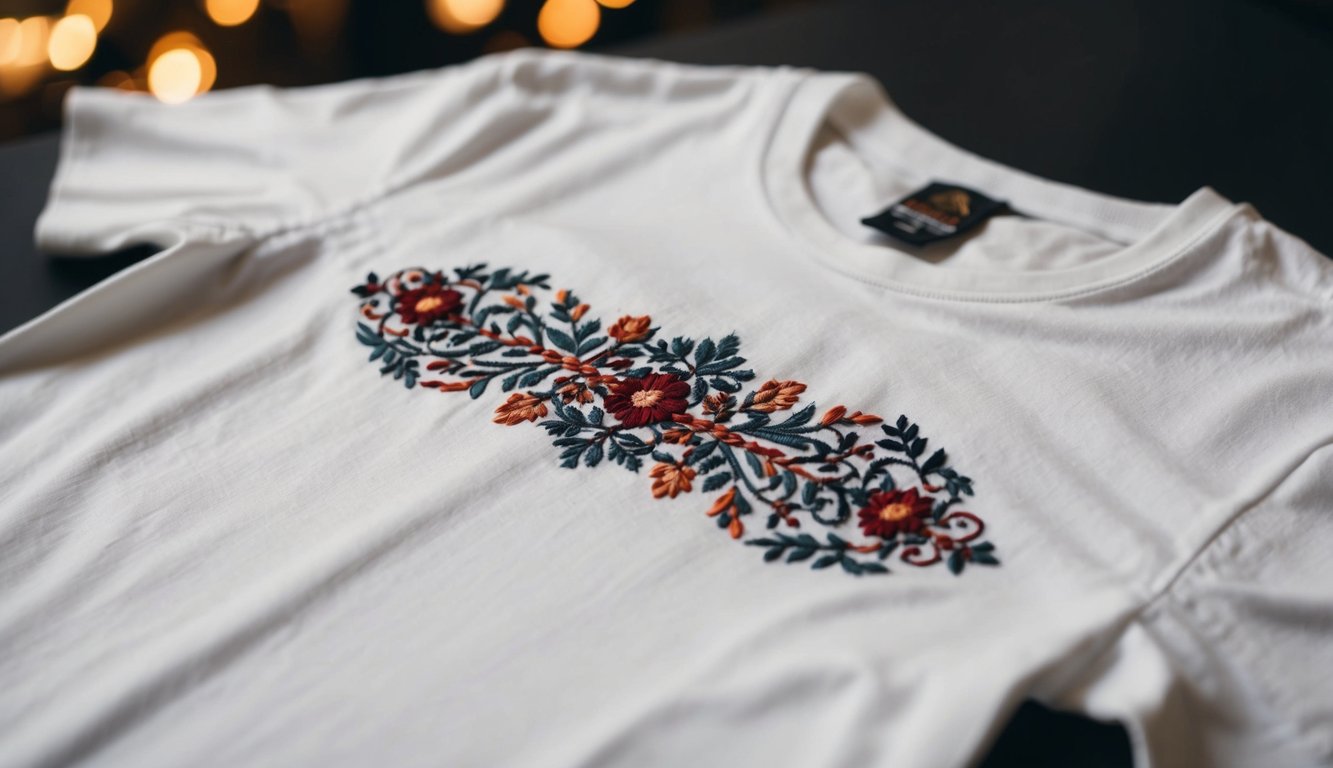
Embroidery provides a satisfying way to express creativity and can be a relaxing hobby, offering countless ways to personalize your clothing. Yet, taking care of these pieces requires some know-how. You'll learn the best practices for washing, handling, and storing embroidered clothes, keeping them vibrant and intact over time.
If you're passionate about keeping your embroidered clothing in top form, this guide will provide practical tips and tricks. With some attention and the right methods, you can enjoy your embroidered favorites for years. You might even find yourself inspired to start new projects, so don't forget to explore the wide range of materials available at LindeHobby.
Key Takeaways
- Learn key techniques for protecting embroidery.
- Discover washing and handling tips for embroidery.
- Explore storage methods for longer-lasting embroidered clothing.
Fundamental Methods for Protecting Embroidery
Embroidery on clothing adds a unique touch but needs protection to stay beautiful. Whether you are new to crafting or experienced, it's important to use the right materials and techniques. Here are some practical ways to keep your embroidered designs looking their best.
Choosing the Right Backing and Stabilizers
Using the correct backing and stabilizers is key to achieving lasting embroidery. Backings provide strength and support to the fabric, preventing wrinkles and puckering. Stabilizers hold the fabric taut and come in various types: cut-away, tear-away, and water-soluble.
- Cut-away stabilizers are great for stretchy fabrics.
- Tear-away stabilizers work well for solid, firm fabrics.
- Water-soluble stabilizers dissolve without leaving a residue, perfect for delicate designs.
Make sure to choose a backing that matches both your fabric type and design complexity. Experiment with stabilizers that suit your needs. LindeHobby’s collection offers a variety of options that cater to different fabrics and designs.
Proper Stitch Selection and Density
Selecting the right stitches and adjusting their density can greatly impact embroidery quality. Dense stitches may cause bunching, while too sparse can lose detail.
- Satin stitches are ideal for outline designs; they add smooth, shiny finishes.
- Fill stitches cover larger areas without adding bulk.
- Running stitches are simple yet effective for line work.
A balance ensures clean results and protects against wear and tear. Consider practicing on a fabric scrap to test different stitch patterns and densities. LindeHobby provides excellent patterns and threads suited for every stitching style, helping you achieve just the right look.
Securing Threads and Finishing Techniques
Finishing techniques are essential for enhancing the durability of embroidery. To prevent stitches from unraveling, secure threads properly.
- Tie knots on the underside of your work.
- Use fray check or similar liquids to lock the stitches in place.
- Trim excess threads neatly.
Using high-quality threads like those from LindeHobby ensures that colors remain vibrant and threads strong. Mastering these finishing touches enhances the longevity of your embroidery, ensuring your garments maintain their charm.
Remember, LindeHobby offers all the supplies you need to get started. Explore our collection and find everything required to protect your creations and let your artistry shine.
Washing and Handling Embroidered Clothing
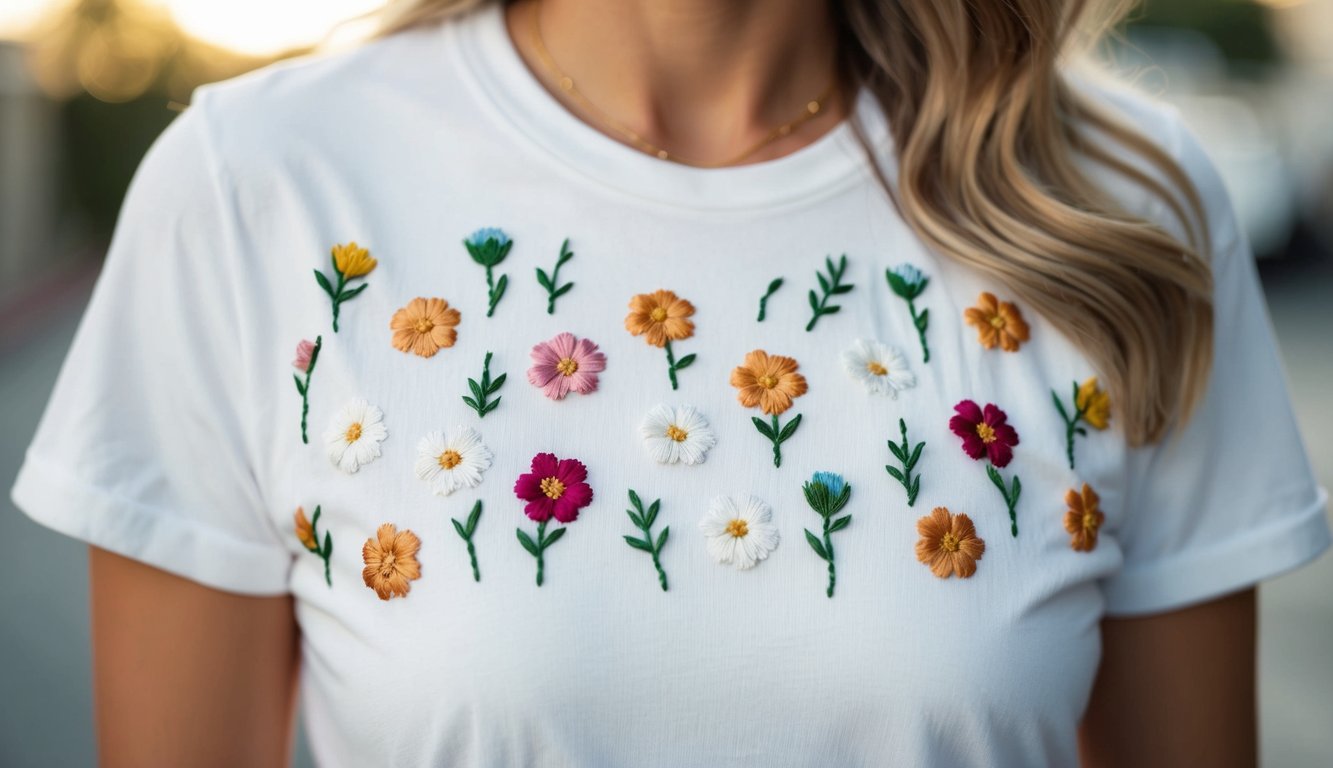
When caring for embroidered clothing, it's important to focus on gentle washing techniques, selecting the right detergents, and proper drying methods. These steps will help keep your embroidery looking vibrant and undamaged.
Hand Washing Versus Machine Washing
For embroidered garments, hand washing is often the safest option. Use lukewarm water and a small tub to wash each piece gently. Add a small amount of mild detergent and avoid scrubbing the embroidery to prevent damage to the threads.
If you prefer machine washing, be sure to use a delicate cycle and place the garment in a mesh laundry bag. This helps reduce friction and protects the stitches. Always use cold water in the washing machine to prevent colors from fading or bleeding. Avoid washing embroidered pieces with rough fabrics, zippers, or items with buttons that could catch on the embroidery.
Selecting Gentle Detergents and Cleaning Products
Choosing the right detergent is crucial for maintaining embroidery. Opt for mild, phosphate-free detergents that are gentle on fabrics. Strong chemicals in regular detergents can cause threads to weaken and colors to fade, especially with frequent washing.
Avoid bleach and fabric softeners, as these can be too harsh for delicate embroidery threads. For stubborn stains, apply a small amount of diluted vinegar or a gentle stain remover to the affected area before washing. Always rinse thoroughly to remove any detergent residue, which can lead to discoloration over time.
Drying Techniques to Prevent Damage
Proper drying is essential in preserving embroidered items. Air drying is recommended to extend the life of the threads and maintain the garment's shape. Lay the clothing flat on a clean towel and roll the towel gently to remove excess water without wringing the fabric.
To prevent embroidery distortion, avoid hanging embroidered clothing directly on hangers, as this can stretch the material. Instead, let it dry flat in a shaded, airy place to prevent the colors from fading in harsh sunlight. For faster drying, you can use a fan to circulate the air around the garment.
Head to LindeHobby's collection for the tools and materials you need to embellish your own clothing. Explore our selection of high-quality threads and accessories to take your hobby to the next level!
Storage and Maintenance Tips for Longevity
Proper storage and maintenance are key to keeping embroidery on clothing looking new and fresh. Make sure to choose the right environment, handle garments with care, and perform regular upkeep.
Optimal Storage Environments
Embroidered clothing should be stored in a cool, dry place to prevent damage. Humidity and heat can cause threads to weaken or colors to fade. It’s best to store items in areas with consistent temperatures. Consider using breathable garment bags to protect against dust and pests.
Avoid direct sunlight, as this can discolor both fabric and threads over time. Ensure your storage area is clean and away from moisture to keep your clothes looking their best for years.
Folding and Hanging Practices
For delicate pieces, gentle folding is crucial. Avoid folding along the embroidered areas. Use acid-free tissue paper to pad the folds, which helps reduce creases and stress on the embroidery. If you prefer hanging, choose padded hangers to maintain fabric shape without stretching.
Always hang garments in a way that doesn’t put weight on the embroidered sections. If hanging isn’t an option, laying items flat in a drawer is an alternative.
Regular Cleaning and Inspection Routines
Routine cleaning prevents dirt and oils from building up, which can dull the embroidery. Hand wash items with mild detergent and cold water to protect the fibers. If machine washing, opt for a gentle cycle with similar garments.
Always air dry embroidered pieces, avoiding the tumble dryer to lessen wear and tear. Regularly check for any signs of wear or loose threads, and handle new repairs promptly to maintain the beauty of your clothing.

