

How to Read a Crochet Chart: Master This Essential Skill with LindeHobby's Guidance
Picking up a new hobby like reading crochet charts can seem a bit daunting at first, but it's a rewarding skill to learn. Whether you're a beginner or have been crocheting for years, reading charts opens up a world of patterns and designs. With the right guidance, you can turn a chart full of symbols into a beautiful handmade creation.
Many crocheters find chart reading both fun and relaxing. It's like solving a puzzle where every symbol holds the key to creativity. Understanding these charts allows you to explore patterns from different parts of the world and discover trending designs and techniques. It's an exciting journey that helps you bring intricate projects to life.
Taking time to grasp crochet charts also means you can replicate patterns accurately without missing a stitch. The skills you develop translate into more creative projects with ease. Check out a range of helpful tools and supplies at LindeHobby to get started on your crochet chart journey.
Key Takeaways
- Crochet charts use symbols to represent stitches.
- Learning to read charts boosts creativity.
- Access a variety of patterns with chart skills.
Understanding Crochet Chart Symbols
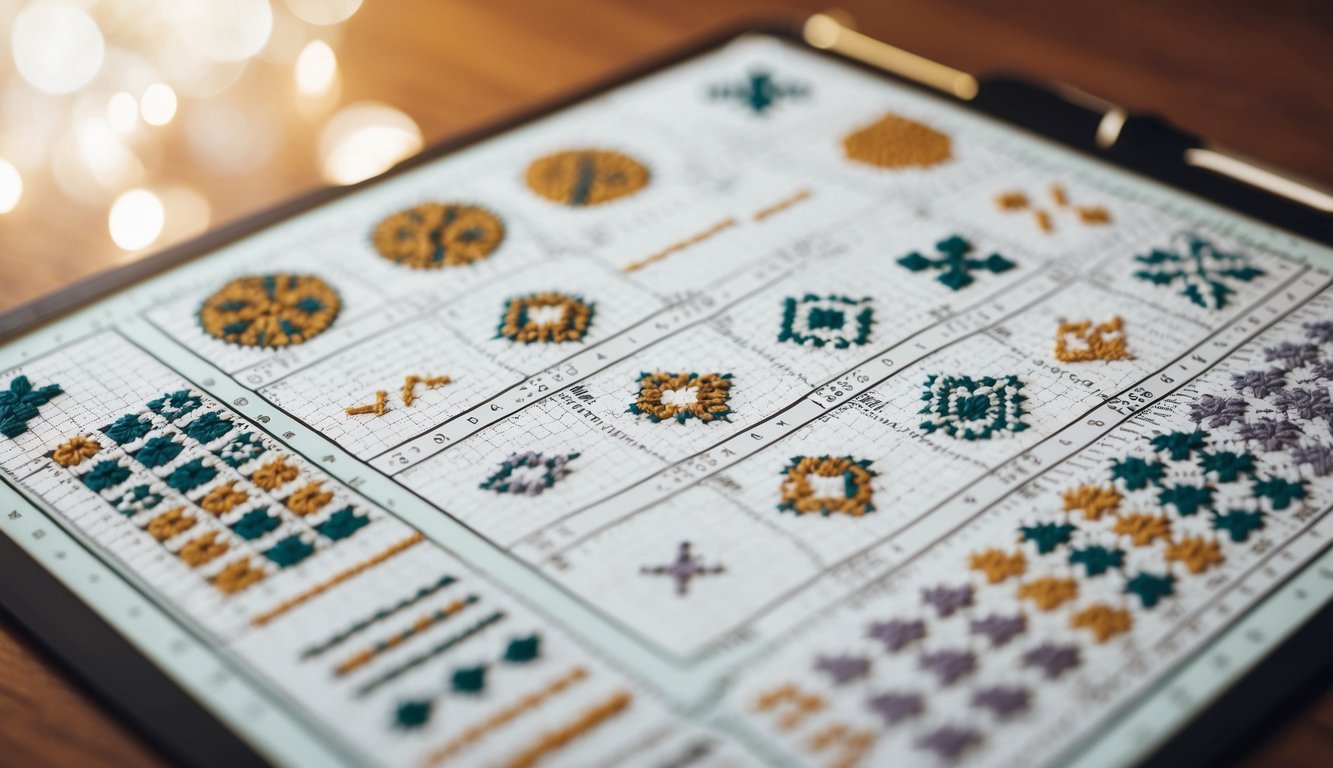
Crochet charts use symbols to illustrate stitches, color changes, and repeated patterns. Getting to know these symbols can make creating your project much easier, whether you're a beginner or an experienced crafter.
Stitch Symbols
Crochet charts often use symbols like circles, lines, and dots to represent different stitches. Each symbol corresponds to a specific stitch, such as a chain, single crochet, or double crochet. Recognizing these icons is crucial.
For instance, a small circle often represents a chain stitch, while a plus sign can be a single crochet. To get started, you can create a practice swatch by following a simple chart, ensuring you know how each stitch feels, rather than just how it looks on paper.
LindeHobby offers a variety of hooks and yarns perfect for practicing these stitches. Explore our site to find beginner-friendly kits.
Color Coding
Colors in crochet charts show where stitches should shift or change. Instead of stitching blindly, learning how colors function can give your project the right look.
Having different yarn colors helps to follow charts more easily. Bright or contrasting colors make lines clear, especially for patterns with frequent changes.
Using affordable yarn packages provided by LindeHobby can help you explore color transitions without breaking the bank. Mixing shades can give every project a unique personality, making your work one-of-a-kind.
Repeats and Multiples
Repeats and multiples in charts illustrate sections that should be repeated across your work. These are represented by brackets or parentheses surrounding the symbols. Find out the count of stitches before the repeat begins to avoid errors.
This technique is particularly useful for patterns you might want to enlarge, like blankets. Knowing this can save you time and yarn, avoiding unnecessary mistakes. Checking your tension with a gauge swatch can also help, allowing you to adjust your hooks if needed.
For advanced variations, LindeHobby stocks premium materials that offer both quality and value, perfect for expanding your creative horizons or scaling patterns.
Reading Crochet Chart Patterns
Understanding how to read crochet chart patterns will make your crafting projects easier and more enjoyable. As you get started, you'll find it’s all about symbols, understanding stitches, and knowing when to start working in rows or rounds.
Starting Your Project
Before you begin, gather all necessary materials. Choose your yarn and hook size wisely; LindeHobby offers both affordable kits for beginners and premium options for experienced crafters.
Study the chart before starting. Each symbol represents a stitch, with the chart showing how they fit together. Pay attention to the key or legend on the chart. This will help you match symbols with their corresponding stitches.
To avoid frustration, keep a list of stitch abbreviations and symbols handy. Practice with a small sample piece if you're new to charts.
Working in Rounds vs Rows
Crochet charts can be worked in rounds or rows. The method affects the project’s appearance and structure. A circular doily or hat might be worked in rounds, starting from the center and expanding outward.
When working in rounds, look for a starting point, usually marked with an arrow or special symbol. Follow the chart in spirals. Use a stitch marker to identify the beginning of each round.
Row-based projects, like blankets or scarves, are worked from side to side. Start from the bottom of the chart and work up. Remember to turn your work at the end of each row.
Handling Increases and Decreases
Recognizing increases and decreases on a chart is essential. Increases may be shown as added symbols clustered together, indicating extra stitches in one spot.
Decreases involve merging stitches; often two or more stitches are joined together with a specific symbol. This could be shown as two triangles meeting at a point.
Pay attention to these symbols, as they shape your project. Practicing on a test piece can help you master increases and decreases.
At LindeHobby, you can find all the materials you need to practice these techniques. Whether you're a beginner or advanced, our range caters to all levels.
Ready to start your next project? Browse our selection of yarns and hooks today!
Practical Tips and Techniques
When reading a crochet chart, getting the right tension and identifying potential mistakes is key. Knowing how to maintain consistent tension and fix common errors will boost your confidence.
Maintaining Tension and Gauge
Achieving the right tension ensures your project matches the intended size and look. Use a gauge swatch before starting a project. Measure your stitches to see if they match the chart's suggested gauge. Adjust your hook size if needed—go smaller for tighter stitches or larger for looser ones.
Stay relaxed while crocheting. Holding your yarn too tightly can make your work stiff. Practice with different yarns from LindeHobby's selection to find the perfect match for your style. Remember that different yarns may need different tensions, so experiment when switching materials.
Troubleshooting Common Issues
Encounter a mistake? Spotting and fixing errors early on saves time. Count your stitches often, ensuring they align with the chart. If you miss a stitch, crochet backwards to undo rows carefully.
Look at your chart and identify the error's position. Use stitch markers to note where you left off or made changes. Keep a crochet journal to write down any adjustments needed for future reference. Explore the variety of yarns and hooks at LindeHobby to find tools that best suit your needs.

