

How to Read Crochet Instructions: Master the Art with LindeHobby's Guidance
Crochet is a fun and creative way to make beautiful items, whether you're crafting a cozy blanket or a stylish scarf. Reading crochet instructions can open up endless possibilities, allowing you to bring your artistic visions to life. Mastering how to read crochet instructions is crucial for both beginners and experienced crafters, making projects easier and more enjoyable.
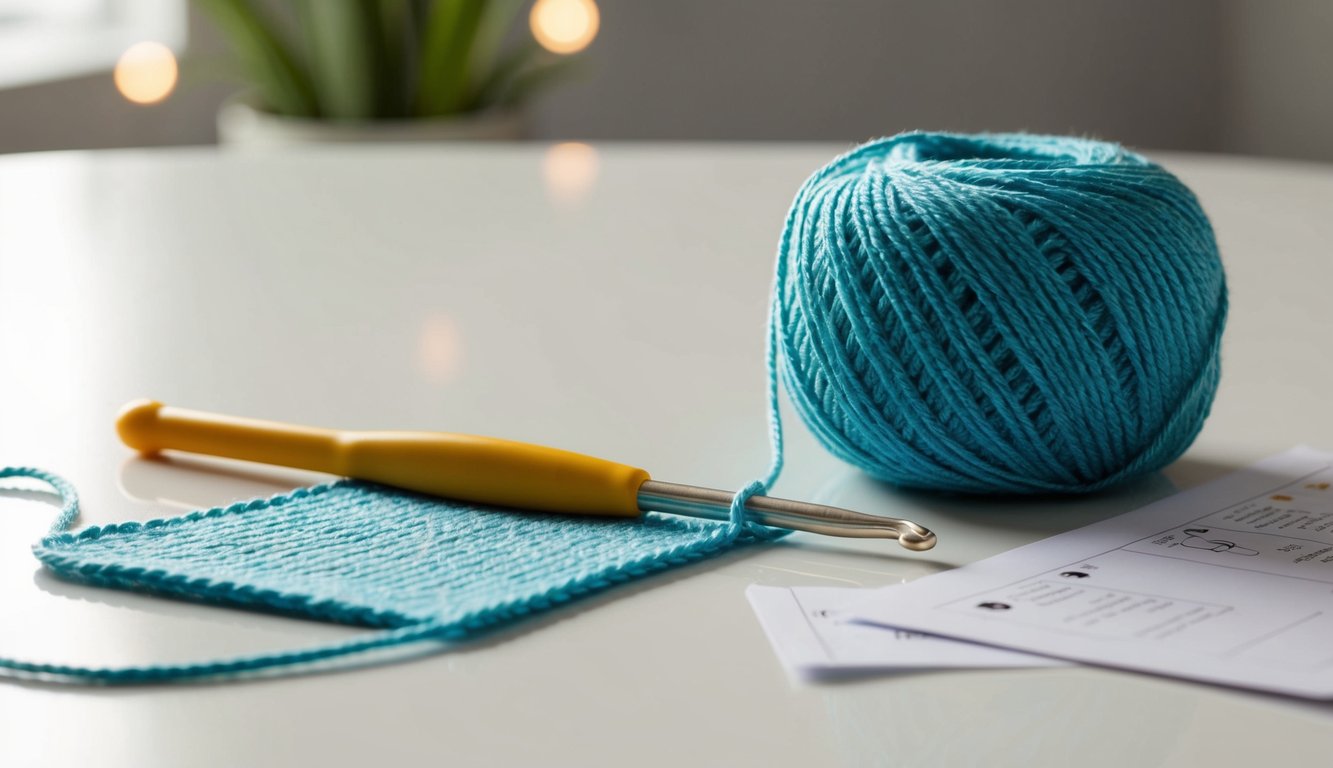
Getting started with crochet might seem a bit daunting at first, but don’t worry! By breaking it down into simple steps, you’ll find that following instructions is like unlocking a world of creativity. It’s like learning a new, exciting language of loops and stitches.
Imagine being able to crochet lovely gifts, home decorations, or even wardrobe accents effortlessly. With practice and patience, you can understand patterns and confidently apply them to any project. Dive into the world of yarn with the help of LindeHobby and discover everything needed to start your crochet journey.
See all our crochet patterns here
Key Takeaways
- Learn to read crochet instructions for easier crafting.
- Break down patterns into simple steps.
- Practice brings confidence in following crochet patterns.
Getting Started with Crochet Instructions
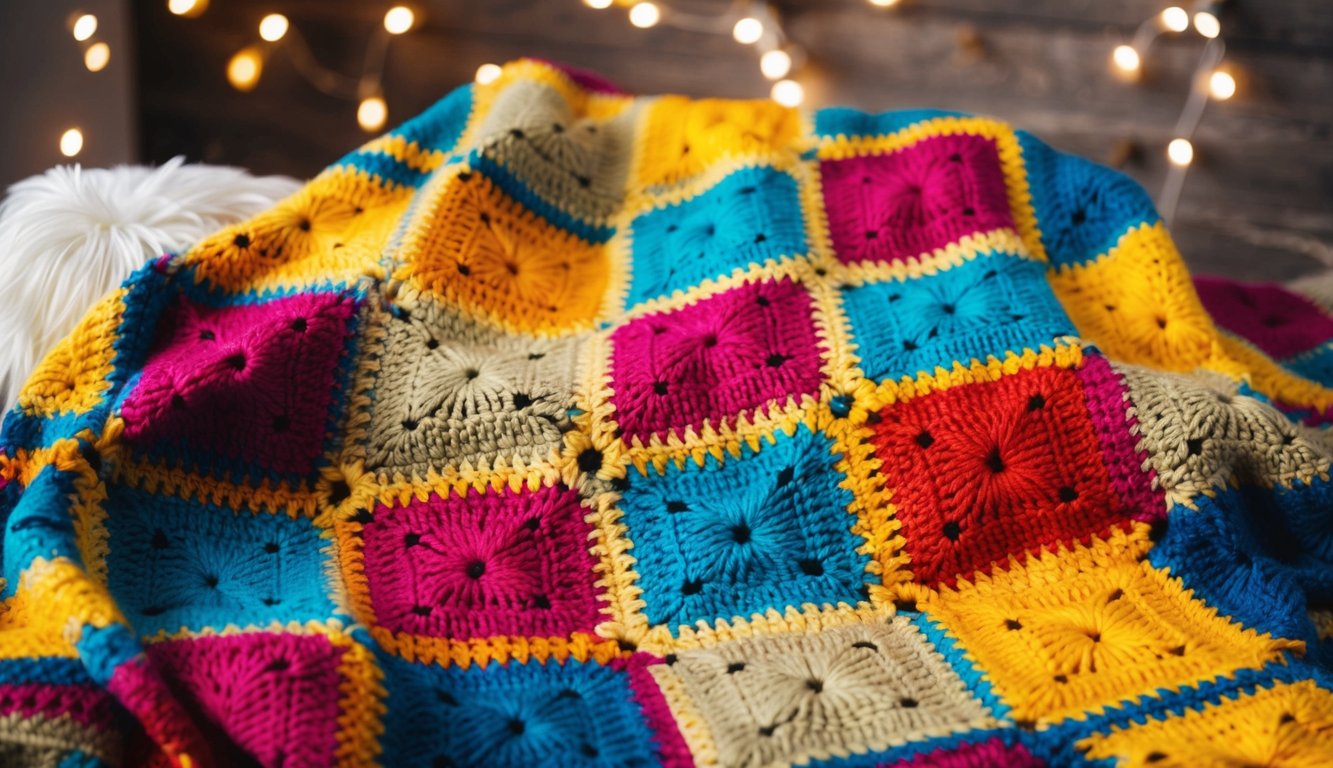
Starting out with crochet patterns can seem confusing, but with a bit of practice, you'll quickly learn the ropes. You'll need to get comfortable with abbreviations, recognize symbols, and read patterns like a pro.
Understanding Crochet Abbreviations
Crochet patterns use abbreviations to keep instructions short and easy to follow. Knowing these abbreviations will make reading patterns much simpler. Common abbreviations include:
- ch for chain
- sc for single crochet
- dc for double crochet
A list of abbreviations is often found at the beginning of patterns. Keep this list handy, and soon, recognizing these will become second nature. For those just beginning, consider starting with patterns labeled for beginners to gradually become familiar with the language of crochet.
Familiarizing Yourself with Crochet Symbols
While abbreviations use letters, crochet symbols represent stitches in diagram form. These symbols can show you the layout of stitches in complex patterns. Here are a few basic symbols:
- O for a chain stitch
- X or + for a single crochet
- T for a double crochet
These diagrams are helpful because they give a visual representation of the pattern. If you use visual cues to learn, focus on these charts. Practice with small projects to get used to interpreting these symbols correctly.
Reading Crochet Patterns
Reading crochet patterns is like following a recipe. Step-by-step instructions guide you from start to finish. Start with easy patterns that use simple words and basic stitches. Essential parts of a pattern include:
- Materials Needed: Lists all supplies.
- Gauge: Ensures size accuracy.
- Instructions: Step-by-step guide with abbreviations.
As you become comfortable with simpler patterns, challenge yourself with more detailed designs. This gradual advancement builds confidence and skills. Pair these newfound skills with quality tools and materials from LindeHobby. Explore projects that are not only enjoyable but also cost-effective, catering to all levels and budgets.
Interpreting Crochet Stitch Techniques
Reading crochet instructions can be confusing, especially for beginners. By learning basic stitch techniques and understanding crochet charts, you can transform your crafting experience into an exciting journey.
Basic Stitch Guide for Beginners
When you start crocheting, it's important to get comfortable with basic stitches. These are the foundation of many crochet patterns.
Some of the most common stitches include:
- Chain (ch): Forms the base of your piece.
- Single Crochet (sc): Creates a dense fabric.
- Double Crochet (dc): Taller stitch, perfect for lace patterns.
- Slip Stitch (sl st): Used for joining rounds or finishing edges.
Practicing these stitches will build your confidence. Start with a simple project, like a square dishcloth, using yarn and hooks from LindeHobby. This allows you to see how each stitch looks and feels, making patterns easier to tackle.
Working with Crochet Charts
Crochet charts provide a visual representation of patterns. They use symbols to show where each stitch goes, helping you understand complex designs at a glance.
Here’s a simple guide to reading them:
- Symbols: Each stitch has its own symbol. Refer to the pattern's key to know what each one means.
- Rows/Rounds: Follow the rows or rounds, usually marked with arrows.
Use charts with patterns from LindeHobby to practice. Try starting with patterns that include both written instructions and a chart. This helps you match symbols to stitches, bridging the gap between text and visual understanding. For advanced projects, consult LindeHobby's yarn and tool collection to elevate your creations.
Ready to start your crochet journey? Browse LindeHobby's selection of yarns and hooks for all your crafting needs!
Applying Crochet Instructions to Projects
When working with crochet instructions, it helps to pay close attention to how patterns change from flat to round designs. Adjusting your tension and gauge is crucial for a successful outcome. These skills help create beautiful projects with the perfect fit and style.
Transitioning From Flat to Round Patterns
Crocheting in flat pieces or rounds requires understanding how to transition effectively between the two. When you use flat patterns, such as scarves or blankets, you work back and forth in rows.
Rounding It Out:
- Use a magic ring to start most round patterns.
- Increase stitches evenly to form a smooth circle.
- For cylindrical projects like hats, maintain a consistent increase in rows.
Using different stitches and rounds helps create unique textures. For example, a hat brim can start as a flat circle and then transition into rounds for the body. Remember, perfecting this technique can transform your skills, offering more creative freedom.
Adjusting Tension and Gauge
Proper tension and gauge ensure that your crochet projects fit and look great. Your tension affects the size and appearance of the final piece. To match your pattern’s gauge, you should test your stitch tension before starting any project.
Tools Needed:
- A crochet hook: Compatible with your selected yarn.
- Gauge swatch: Create a small sample to practice stretches.
Tips for Better Control:
- Hold your yarn and hook comfortably.
- Adjust your hand position to find your ideal tension.
- Practice different grip techniques for consistency.
By experimenting with various hooks and yarns, you can create items ranging from cozy hats to decorative home pieces. Choose from LindeHobby’s wide selection to find what suits your upcoming project best.

