

How to Turn Crochet: Master the Art with LindeHobby's Expert Tips
Crocheting is a beautiful blend of art and utility, offering crafters a world of creative expression. While it can be incredibly rewarding, understanding how to turn crochet can make your projects look seamless and professional. Mastering the turn in crochet is key to achieving that neat, polished edge every crafter desires. Crochet turning may seem tricky at first, but with the right techniques, you’ll soon find it simple and stress-free.
Getting the turn right affects the overall appearance and size of your project, whether you're working on a cozy blanket or a stylish shawl. As you learn to make those turns, you’ll open up endless possibilities for design variations and new projects. Alongside enhancing your skills, you'll find the soothing rhythm of crochet is a wonderful way to relax and spend your free time. Plus, creating beautiful items for your home or as gifts brings a special joy.
For both beginners and seasoned crocheters, embracing new techniques like turning can breathe fresh life into your projects. You’ll discover that with practice, turning can become second nature, making your crochet projects more fun and fulfilling. LindeHobby is here to support your journey with a wide range of yarns and hooks. Browse our selection to find everything you need to start your next project today!
Key Takeaways
- Learn basic crochet turning for neat edges.
- Explore techniques to enhance your projects.
- Find all your crochet supplies at LindeHobby.
Understanding the Basics of Crochet Turning
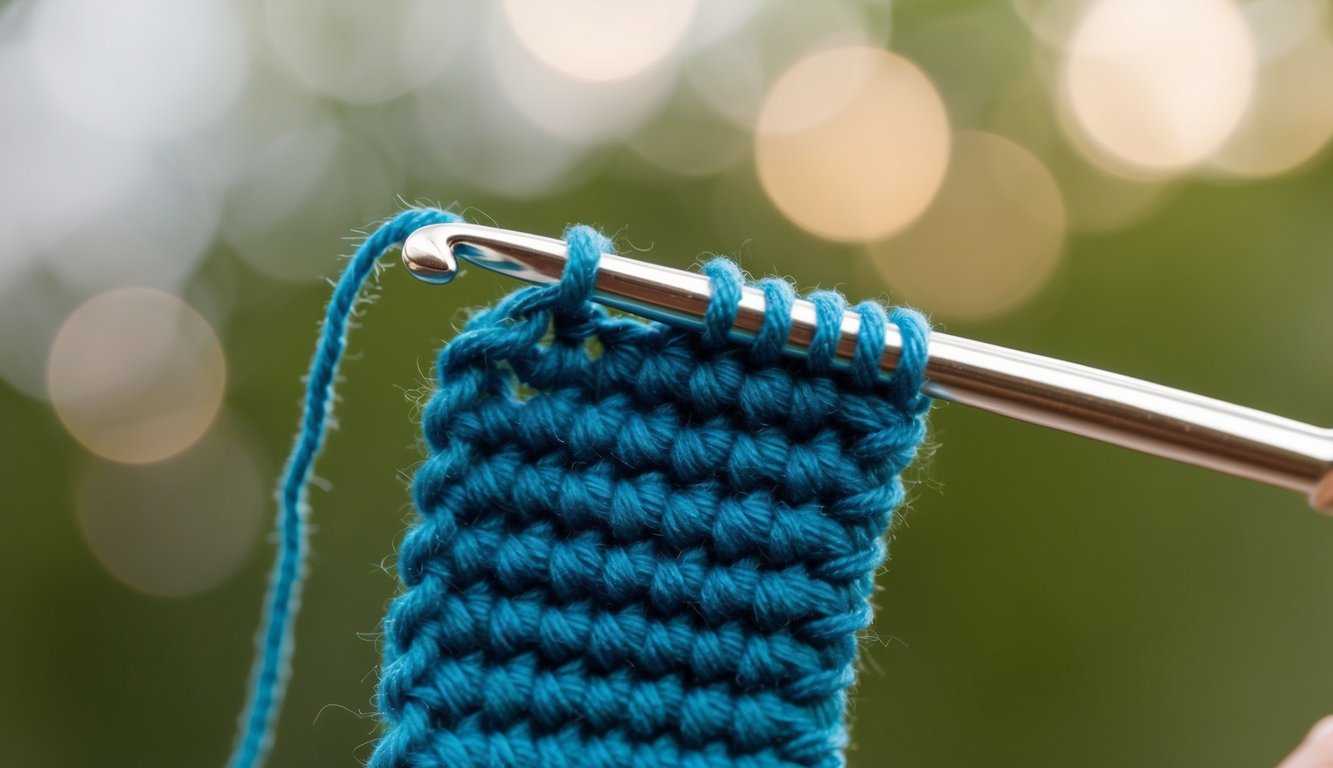
Turning your crochet work is important for creating neat and even rows. It helps guide you in moving from one row to the next smoothly and can impact the look of your project.
Types of Turning Stitches
In crochet, turning stitches help you start a new row. Chain stitches are the most common. For single crochet, make one chain stitch before turning. For double crochet, you'll need three. Making the right number ensures your work stays even.
Different patterns may call for other stitches, such as foundation stitches. These provide a firmer edge. When learning different turning stitches, consider your project’s needs and practice each one. Investing in quality hooks from LindeHobby can make your crocheting smoother and more enjoyable.
When to Turn Your Work
The right time to turn your work is when you complete a row. If your pattern includes specific stitch counts, ensure each row matches before turning. This prevents your work from becoming lopsided.
Keeping track of your stitches with markers can help. Use them along with yarn from LindeHobby that suits your project best. Your choice of yarn, whether it's budget-friendly or premium, plays a role. Consider trying both options for different effects and textures. Visit LindeHobby's website for a variety of yarns to choose from. Start your next project today!
Step-by-Step Guide to Turning
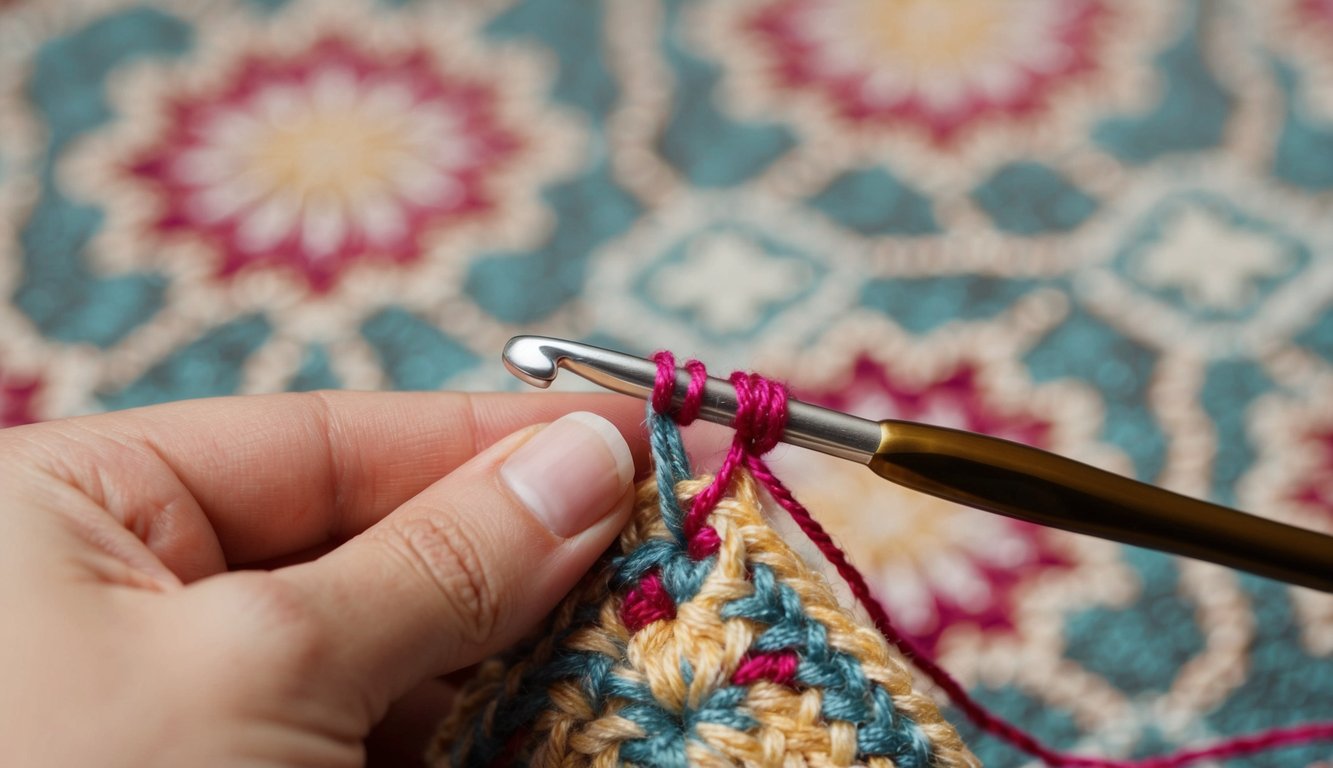
Turning in crochet allows you to continue building your project row by row. Each step in this process helps ensure your stitches line up correctly and your pattern retains its intended shape.
Starting a New Row
To start a new row, you need to first complete the stitches in the current row. Then, chain the number of stitches indicated by your pattern. This is often one or two stitches for single crochet or three for double crochet. The chaining helps you reach the height needed for the next row.
Once you’ve chained, gently turn your work counter-clockwise if you're right-handed, or clockwise if you're left-handed. This turning step keeps your yarn from twisting and maintains an even tension. Remember that at LindeHobby, you can find affordable yarns and hooks perfect for beginners and seasoned crafters alike.
Completing the Turn
After turning the work, ensure your yarn is behind your hook. This helps prevent any unwanted loops when you go to make the first stitch. Keep your tension even; this helps keep the edges of your crochet piece neat and straight.
Consider positioning your forefinger under the hook to help guide it while maintaining tension on the yarn. Premium hooks at LindeHobby can offer more comfort, which is important if you crochet for long periods.
First Stitch After Turning
The first stitch after turning is crucial. It sets the foundation for an even row. Insert your hook into the first stitch of the new row, which is typically the stitch right after the chain. Yarn over and pull through, completing a stitch, such as a single or double crochet.
Remember, LindeHobby's range of tools can help, whether you're just starting or tackling more complex projects. Experiment with different styles and materials to see what feels best. Each finish is unique and can make your blankets or tops special.
Browse our wide selection of yarns and hooks to start your next project today!
Common Turning Techniques and Variations
Learning to turn in crochet is essential to creating various projects. This section will explore chainless turning and turning with different stitches, providing insights suitable for both newcomers and seasoned crafters.
Chainless Turning
Chainless turning is a method where you begin a new row without the traditional turning chain. This can lead to neater edges, making your project look more polished. To start, make a loop on your hook, inserting it into the first stitch of your new row. Pull through and complete your starting stitch, depending on your pattern.
Here’s how you might use chainless turning with single crochet:
- Insert hook into your first stitch.
- Yarn over and pull up a loop.
- Yarn over again and pull through both loops on the hook.
For double crochet, you create a tall loop instead of the usual three turning chains. This helps to eliminate gaps that a turning chain might create. Trying this technique can be a game-changer for tidier work.
Turning with Different Stitches
Understanding how to turn with different stitches is crucial for complex patterns. Each type of stitch requires a unique number of chains to maintain your project's height.
For single crochet, use one turning chain. With half-double crochet, two chains are needed. Double crochet requires three, while treble crochet needs four.
Each turning chain affects the project's edge tension, impacting the final look. Experimenting with these variations can add new dimensions to your work. You might find that trying different turning methods suits specific projects better.
Exploring various techniques and experimenting with different yarns and hooks from LindeHobby can enhance your skills. Dive into the world of crochet with confidence, knowing that your supplies are reliable and your creativity is endless.

