

How to Write a Crochet Pattern: A Passionate Guide to Sharing Your Craft
Crocheting is a beloved craft, full of creativity and relaxation, allowing you to turn simple yarn into beautiful pieces. Writing your own crochet pattern can feel like a giant step, but it is a rewarding way to share your designs with others. Creating a clear and easy-to-follow pattern ensures that anyone can bring your vision to life.
Readers at all experience levels, whether you're just starting or have crafted for years, will find value in capturing your creativity on paper. With a little patience and practice, writing crochet patterns becomes a fulfilling hobby in itself. Explore the essentials of what makes a pattern useful, and discover how to format your ideas clearly and concisely.
Consider the joy of others making their own creations from your instructions, knowing they’re adding their touch to your pattern. As you begin sharing your patterns, each piece can connect you more deeply with the crafting community. You’ll need quality materials when crafting or writing your pattern. Explore LindeHobby for a variety of yarns and hooks to get started!
See all our crochet patterns here
Key Takeaways
- Learn the key parts of a crochet pattern.
- Follow simple steps to write your pattern.
- Share your pattern with the crafting community.
Essential Elements of a Crochet Pattern
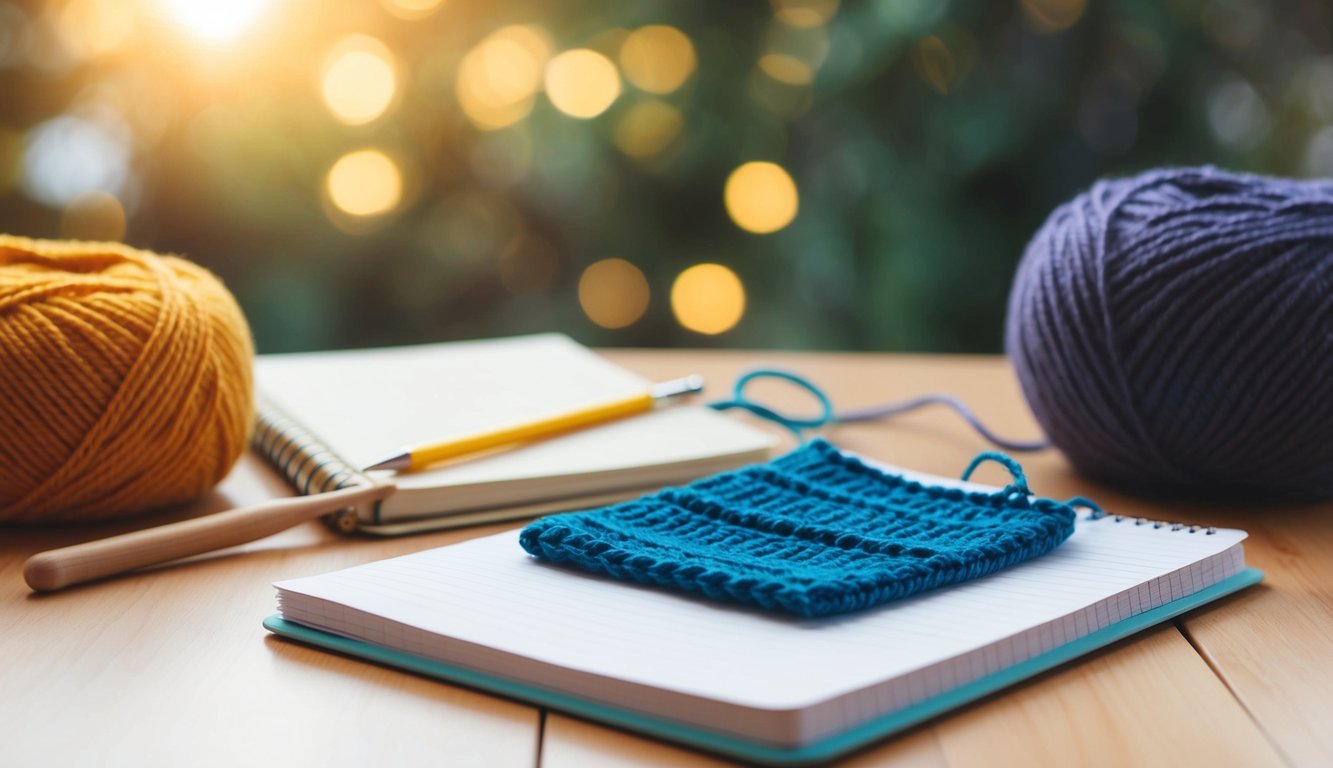
Creating a great crochet pattern involves selecting the right materials, understanding stitch terms, and organizing the pattern effectively. These elements help both new and experienced crocheters follow your design smoothly.
Choosing Materials and Tools
Selecting materials and tools is crucial for any crochet project. First, choose the right yarn. Consider factors like yarn weight, fiber type, and color. Lightweight yarn is great for delicate projects, whereas bulky yarn works well for cozy items.
Next, pick the right hook size, which usually depends on your yarn choice. Using a size chart can help. Your crochet tension or gauge also affects the final product. Always test a swatch to avoid surprises. For budget-friendly options, explore LindeHobby’s affordable yarn options.
Don’t forget other essentials like scissors, stitch markers, and a measuring tape. This preparation ensures you start with everything needed for a successful project.
Stitch Abbreviations and Terminology
Understanding stitch abbreviations and terminology is key in following a crochet pattern easily. Common abbreviations include ch for chain, sc for single crochet, and dc for double crochet.
Education on these terms is essential. Many patterns include a key or legend. Familiarize yourself with them to prevent hiccups. Beginners should start with simple terms. LindeHobby offers guides that simplify complex stitches for new crocheters.
Knowing these basics makes reading and following patterns a breeze, enhancing your crochet experience and expanding your crafting skills.
Pattern Structure and Layout
The structure and layout of a crochet pattern guide your crafting journey smoothly. Patterns typically start with a list of materials, followed by a gauge section, which is crucial for sizing. Clear, step-by-step instructions should be easy to follow, with numbered steps or bullet points.
Illustrations or diagrams can provide visual guidance, especially for complex patterns. Beginners benefit from detailed layouts, while experienced crafters appreciate concise, organized instructions.
Experiment with embellishments like buttons or beads to personalize your work. While you craft, LindeHobby can supply all you need from hooks to yarns. Get creative and customize patterns to suit different tastes and styles. Remember, well-structured patterns lead to beautifully finished projects.
Step-By-Step Guide to Writing a Crochet Pattern
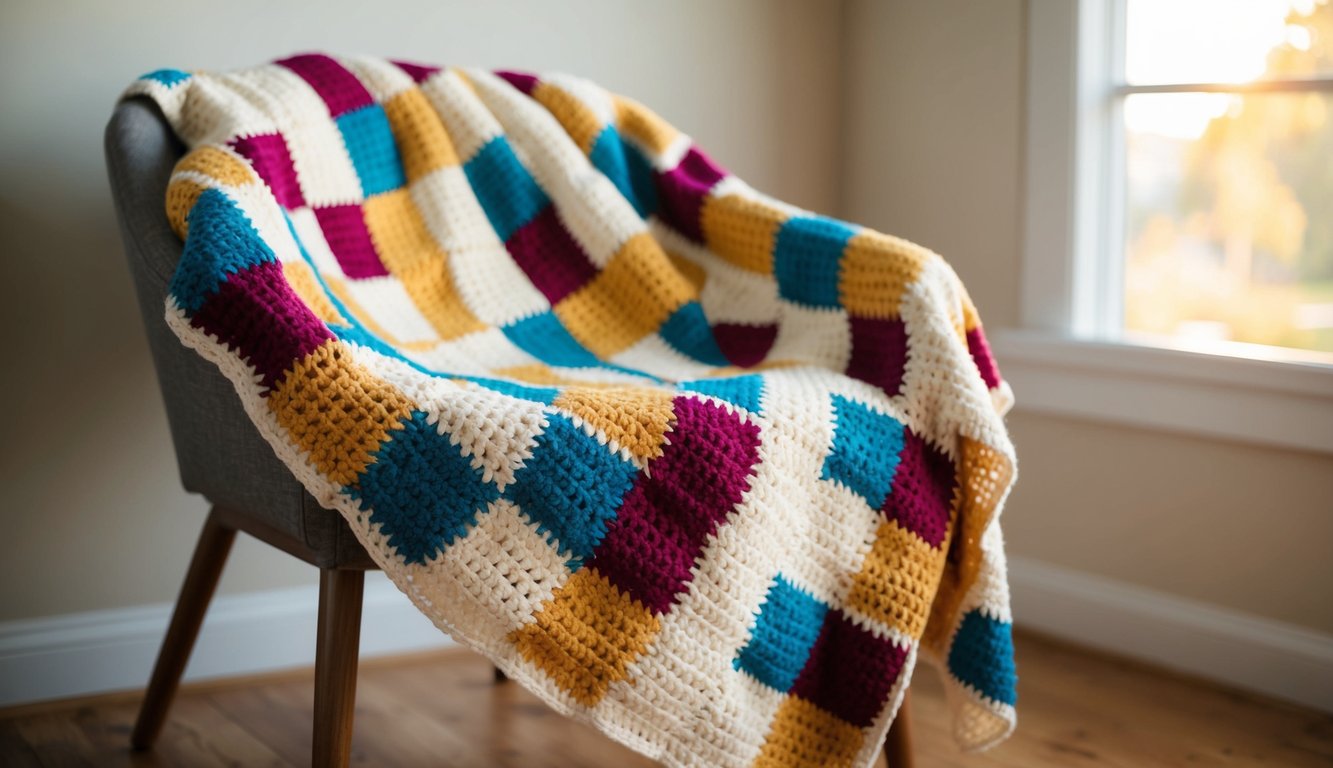
Creating a crochet pattern involves careful planning, clear instructions, and detailing necessary materials. Measuring is key to ensure the project turns out as planned. Beginners and seasoned crocheters can both find helpful advice in mastering this craft.
Breaking Down the Project
Start by choosing the type of project you want to make. This can be anything from a cozy blanket to a stylish hat. Make a list of materials you will need, such as different yarns, hooks, and accessories.
Divide the project into sections. For example, if you’re making a sweater, consider the front, back, and sleeves separately. This makes handling complex designs much easier. Use a simple table to show each section and the stitches required.
Example Table:
| Section | Stitches |
|---|---|
| Front | single crochet, double crochet |
| Back | single crochet, double crochet |
| Sleeves | rib stitch, single crochet |
Quick Tip: Start with easy projects before moving to advanced designs. This helps build confidence and skill.
Writing Clear and Concise Instructions
Clarity is key. Use simple, precise language. Explain each step without skipping details. For instance, instead of saying “crochet five rows,” write "crochet five rows using single crochet stitches." Include diagrams or images when possible.
Use bullet points for multi-step processes to make them easy to follow. Consistent terms ensure the pattern is accessible from start to finish. This approach is beneficial for crocheters of all levels.
Example:
- Row 1: Chain 20, single crochet in each chain across.
- Row 2: Turn, chain 1, single crochet in each stitch across.
Beginner Tip: Define all abbreviations at the start of the pattern.
Incorporating Measurements and Gauge
Measurements ensure your project fits as expected. Indicate dimensions like length and width in inches and centimeters for clarity. Include a gauge swatch to allow for checking tension.
Explain how to create a gauge swatch. For instance: "Crochet a 4x4 inch square using double crochet stitches. Count the number of stitches and rows."
Include a sizing chart if applicable, detailing different sizes and corresponding measurements.
Example Sizing Chart:
| Size | Bust (inches) | Length (inches) |
|---|---|---|
| S | 34-36 | 22 |
| M | 38-40 | 23 |
| L | 42-44 | 24 |
Gauge Tip: Yarn type and hook size affect gauge, so adjust if necessary.
Ready to get started? Browse our wide selection of yarns and hooks at LindeHobby, and bring your crochet patterns to life today!
Polishing and Sharing Your Crochet Pattern
After designing your crochet pattern, it's important to refine it and share it with others. Make sure your instructions are clear, visually appealing, and formatted for easy access. This process includes testing, adding visuals, and choosing the best way to publish your work.
Testing and Editing the Pattern
Start by giving your crochet pattern to some testers. Pick a few people who are both beginners and experienced crocheters. They can help find any mistakes or unclear instructions. Ask for feedback on the difficulty level and overall clarity.
Editing is also a crucial step. Look for errors in spelling, stitch counts, and other details. Ensure your pattern is easy to follow. Use asterisks (*) or bold text to highlight important instructions. This makes the pattern user-friendly for everyone, reducing confusion.
Creating a consistent style guide can also be helpful. Decide how you'll format your stitches, abbreviations, and notes. This makes all your patterns look the same and more professional.
Adding Illustrations or Photos
Visual aids are key in making your pattern easier to understand. Take clear, bright photos of each step or consider adding illustrations. Focus on tricky parts of the pattern that may confuse readers.
Invest in a good camera or use your smartphone with natural lighting. Make sure your background is simple and clean. Highlight the yarn and stitches you want your readers to focus on. Try taking photos from different angles to better show complex steps.
If you’re comfortable with drawing, create diagrams to highlight specific parts of your pattern. You can use simple software tools for this. These visuals help both beginners and seasoned crocheters to see how the pattern should develop.
Formatting for Digital or Print Release
Decide whether you want to publish your pattern digitally or in print. If it's digital, PDFs are a popular format. They're easy to share and read on various devices. If this is your choice, make the file size convenient to download.
Use a clear and friendly font, ideally 12pt or larger, to make it easy to read. Add headers, footers, and page numbers for better organization. Whether digital or printed, keep your layout simple to let the pattern shine.
Think about costs between digital and print. Digital formats are usually cheaper, while print needs more investment. Whatever you choose, make sure the pattern is accessible to everyone, offering budget-friendly options at LindeHobby for any project size. Don't forget to browse our wide selection of yarns and hooks to start your next project today!

