

Needlepoint Belt: Crafting a Personalized Accessory with LindeHobby's Expertise
Needlepoint belts are more than just an accessory; they are a creative expression for those who appreciate the charm of handcrafted items. These belts bring a pop of color and personality to any outfit, showcasing your unique taste and style. Needlepoint belts offer a relaxing way to explore your creative side while making something beautiful and functional.
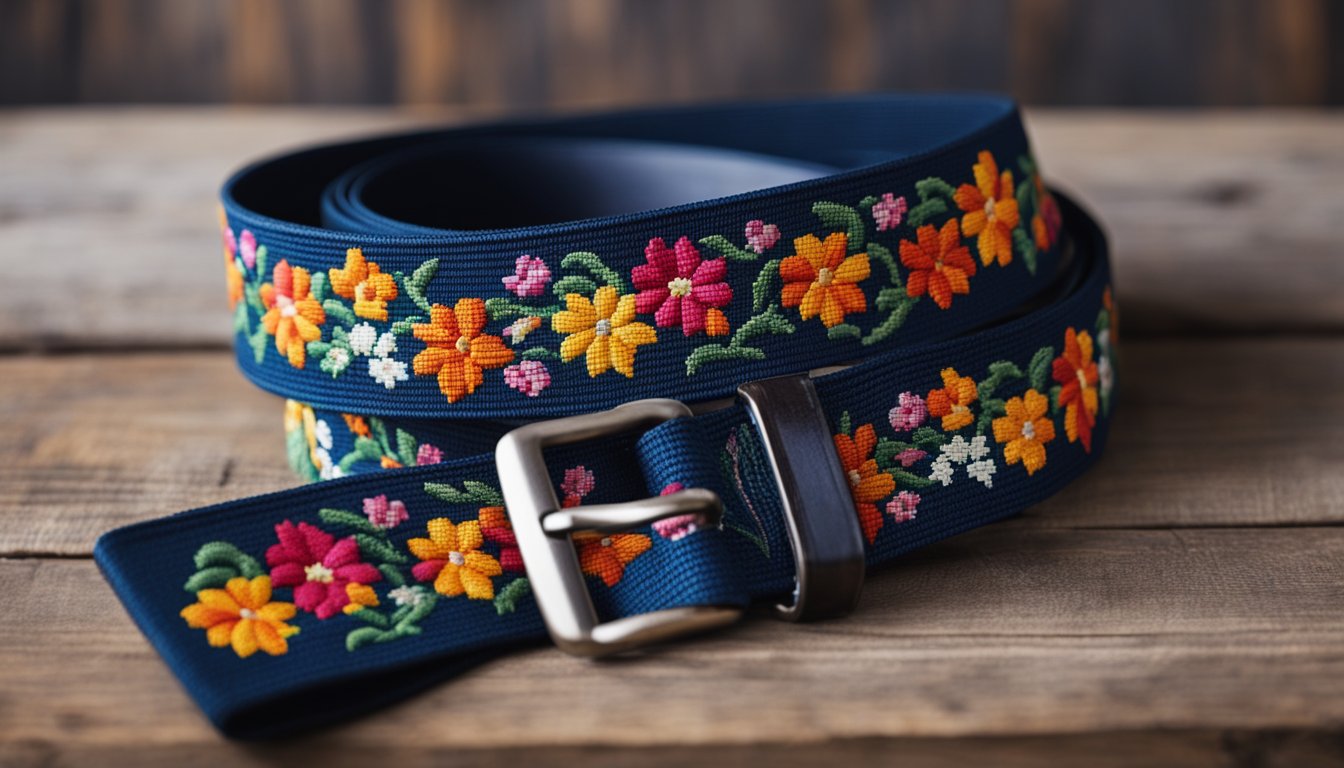
Dive into the world of yarn crafting with needlepoint belts, which have deep roots tracing back to traditional stitching techniques. Whether you're new to the craft or a seasoned hobbyist, making these belts can be a rewarding experience. Carefully selecting your designs and colors can result in a wearable masterpiece that reflects your personal flair.
Caring for your handcrafted belt ensures it remains a treasured piece for years to come. Proper maintenance keeps colors vibrant and stitches intact, making your effort worthwhile. As you embark on creating your own needlepoint belt, remember that the joy comes from both the process and the finished product. LindeHobby offers supplies for every stage of your project, from beginner kits to premium selections.
Key Takeaways
- Needlepoint belts are creative and functional.
- They have rich historical roots in traditional stitching.
- Proper care ensures a lasting, vibrant creation.
History of Needlepoint Craft
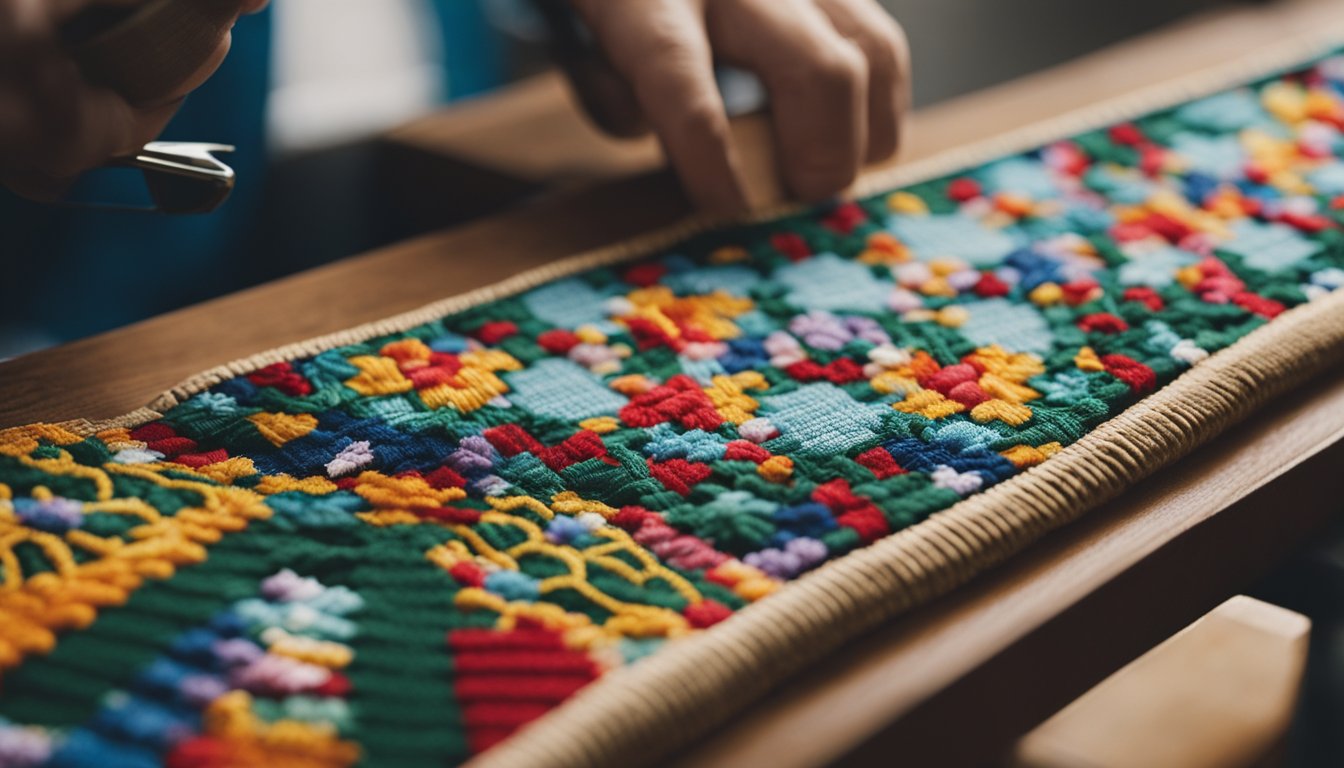
Needlepoint's story goes back several centuries and has played a significant role in fashion and artistry. From ancient cultures using simple stitching to modern styles embraced in fashion, this craft has never gone out of style.
Early Origins and Techniques
Needlepoint, as a craft, dates back to ancient Egypt. Themes often included geometrical designs, inspired by nature and life. Early forms were created using a simple tent stitch, still popular today. People used wool and hemp threads on canvas.
Through the Middle Ages, needlepoint gained popularity in Europe. It became a favored pastime among royalty. Designs during this era were more elaborate, featuring tapestries and furniture covers. Learning basic stitches opens doors to a rewarding craft. Experimenting with different patterns can bring personal flair to your projects. Dive into LindeHobby’s range of supplies to get started today!
Evolution in Fashion
In the 17th and 18th centuries, needlepoint leaned more into ornate designs for clothing and household items. The craft adapted as new materials like silk and cotton became available. It reached a new peak in the Victorian era, showcasing intricate floral patterns.
Today, needlepoint belts have emerged as a modern fashion statement. Craftspeople love personalizing them with colorful designs. Creating your belt is both a fun and creative project. Choose from LindeHobby’s selection of yarns to fit your style and skill level. Explore budget-friendly kits or premium selections to suit your crafting ambitions. Get inspired and make something truly unique!
Creating Your Needlepoint Belt
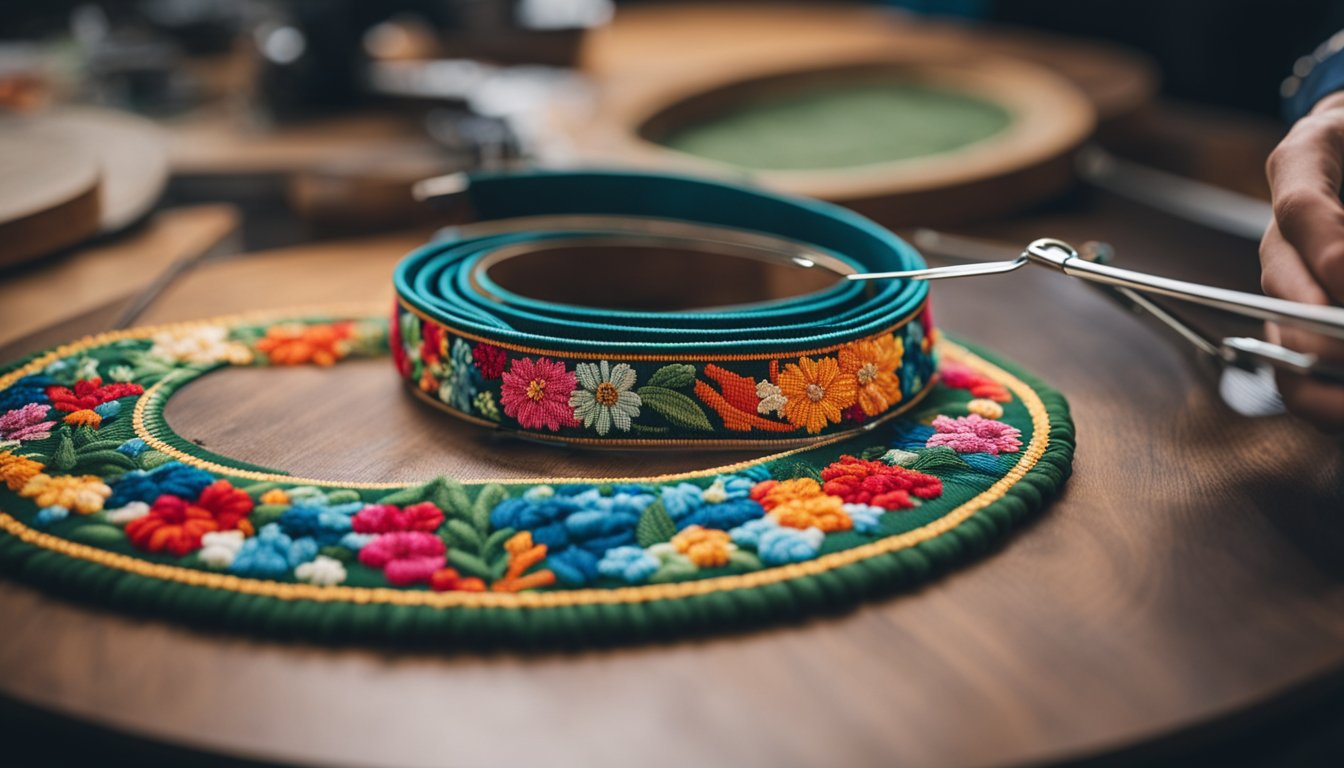
Creating a needlepoint belt is a fun project that lets you express your style. Start by gathering your materials, then design a pattern before diving into stitching. With patience and creativity, you'll have a unique fashion accessory.
Choosing the Right Materials
Select high-quality materials to ensure your belt is durable and comfortable. Canvas serves as the base, usually a 13- or 18-count mesh for beginners. Thread options include wool, cotton, or silk. Wool is budget-friendly and strong. Cotton offers smoothness, while silk provides a luxurious feel.
Needles need to fit your canvas mesh size. Consider a needle size and threader for easier handling. Belt hardware, like buckles, should match the style and size of your creation. LindeHobby offers a range of affordable materials to fit any budget, whether you're starting out or looking for premium options.
Designing Patterns and Motifs
Designing is where you can let your imagination run wild. Choose a theme or colors that speak to you. Stripes, floral motifs, or initials are popular. Start by sketching your design on graph paper to visualize the pattern.
Consider using a color palette to keep colors harmonious. You can find pattern books or software for inspiration and guidance, especially if you lack design experience. Ensure your measurements fit the intended belt size, and adjust your motifs to keep the design balanced.
Stitching Techniques
Stitching brings your design to life. One basic technique is the Continental Stitch, which covers the canvas evenly and is easy to learn. Basketweave Stitch can add texture and durability. For variety, you can explore more advanced stitches once you're comfortable with the basics.
Begin by securing your canvas on a frame or hoop to maintain tension. Use short pieces of thread to avoid tangling, and work patiently to maintain neat stitches. For guidance, LindeHobby offers tutorials and resources to help you master each stitch, ensuring your belt looks polished.
By focusing on these key elements, you'll craft a stunning needlepoint belt that showcases your personal style. Explore LindeHobby’s selection to find everything you need to start your project today!
Caring for Your Belt
Needlepoint belts require proper care to maintain their beauty and functionality. You'll find essential tips on how to clean, maintain, and repair your belt to keep it looking its best.
Cleaning and Maintenance
To ensure your needlepoint belt stays vibrant, start by gently brushing off any loose dirt with a soft cloth or brush. If you notice stains, mix a small amount of mild liquid soap with water and use a clean, damp cloth to gently dab at the spot. Avoid harsh chemicals which can damage the fibers.
For regular maintenance, store your belt in a cool, dry place to prevent any damage from humidity. Roll the belt loosely, and keep it away from direct sunlight to maintain the color.
Consider a dedicated storage box for your belts, offering protection from dust and accidental damage. With these steps, you can keep your needlepoint belt looking fresh and new.
Repair and Preservation
Accidents happen, but small snags or loose threads on a needlepoint belt can be fixed with basic stitching. Start by threading a needle with a matching thread. Gently weave the thread through the needlepoint's existing stitches. Secure it with a knot on the underside to hide it from view.
For more fragile belts, consulting a professional might be best to ensure perfect restoration without causing further damage. To preserve your needlepoint belt's structure, consider regular applications of leather conditioner on the leather parts.
By following these measures, you can enjoy using your beautifully crafted needlepoint belt for years to come.

