

River Pearls: Discovering Nature's Gems for Craft Enthusiasts
River pearls hold a special charm that draws both jewelry enthusiasts and hobbyists alike. These natural gems form in freshwater environments, offering a unique beauty that sets them apart from their oceanic counterparts. River pearls provide a distinctive luster and character, making them a sought-after choice for creating elegant jewelry pieces.
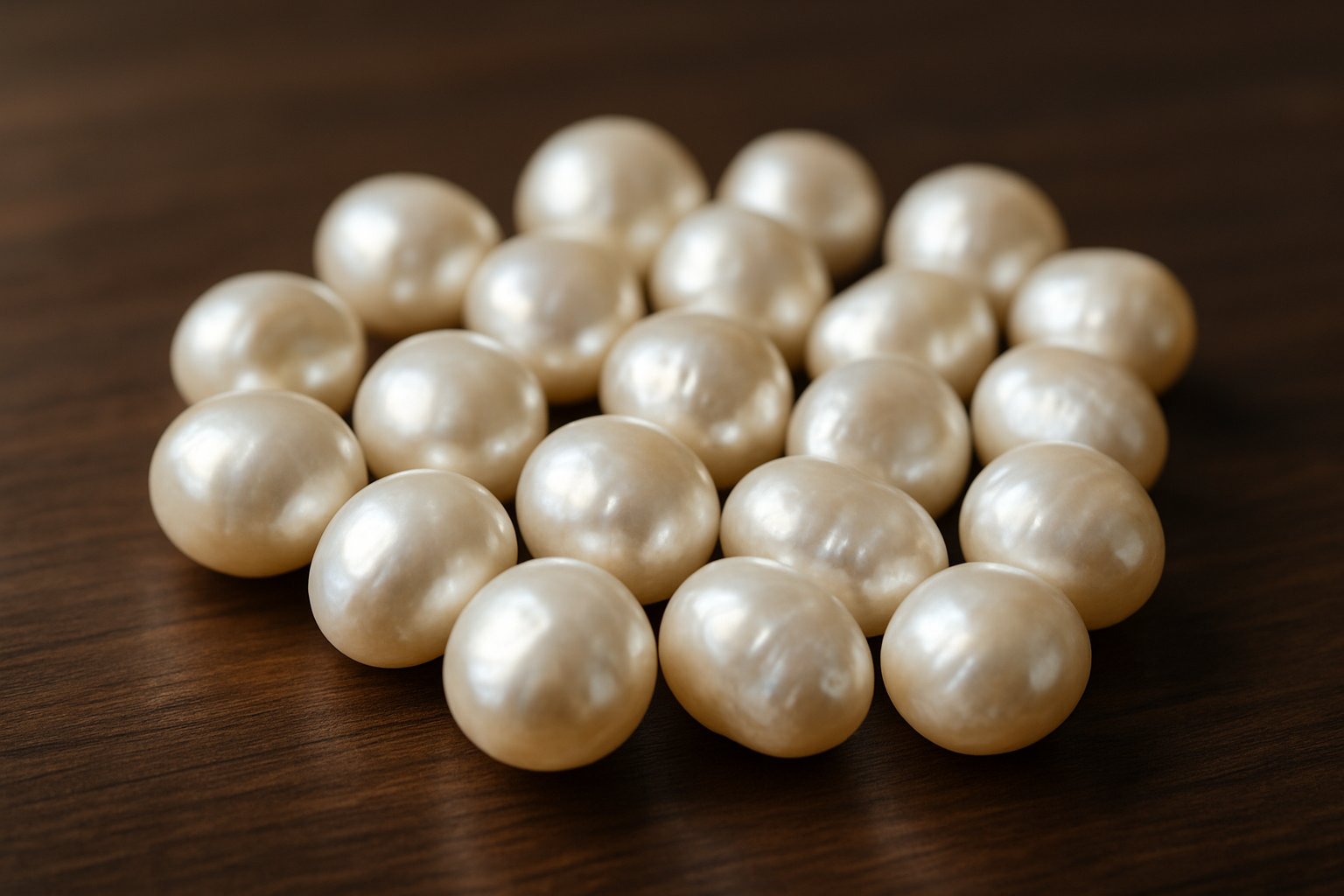
When you explore river pearls, you're diving into a world of history and craftsmanship. The variety of shapes and subtle colors gives you endless possibilities to express creativity in your projects. Whether you are crafting a simple necklace or an intricate piece, using river pearls will add a touch of natural beauty and uniqueness to your work.
Exploring the art of collecting and caring for river pearls can enhance your appreciation for these natural wonders. With proper care, these pearls can remain stunning over time. As you consider adding them to your collection or projects, think about how they might elevate your creations and offer a timeless elegance.
See all jewelry-making supplies at LindeHobby here
Key Takeaways
- River pearls are unique and valuable for crafting.
- Their distinctive characteristics make them desirable.
- Proper care ensures lasting beauty and elegance.
What Are River Pearls?
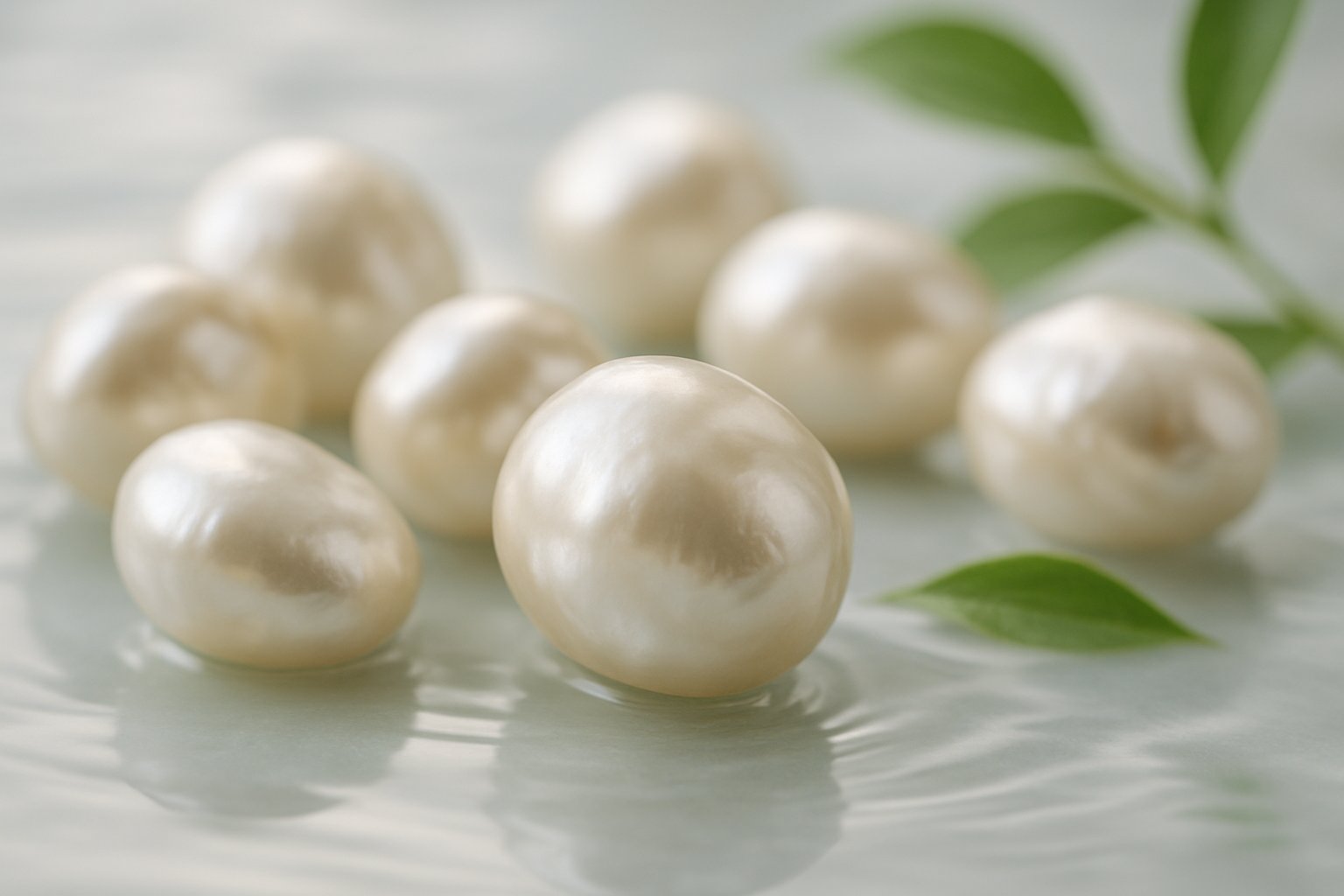
River pearls are unique gems formed in freshwater bodies like rivers and lakes. These pearls have a distinctive charm, differing in formation, comparison to saltwater pearls, and various types. Understanding these aspects can help you appreciate their beauty and value.
Natural Formation Process
River pearls start as tiny irritants inside freshwater mussels. The mussel secretes layers of nacre, the same substance used by marine oysters, over the irritant. This process can take anywhere from a few months to several years, depending on water conditions and the health of the mussel.
In freshwater environments, the variation in nacre and environmental factors create pearls in diverse colors and shapes. Many river pearls have a beautiful luster that makes them highly desired for jewelry and decoration.
Differences from Saltwater Pearls
One key difference between river pearls and saltwater pearls is the environment they originate from. River pearls form in freshwater mussels, while saltwater pearls grow in oysters found in oceans. Generally, river pearls are more affordable, as the process allows for a greater number of pearls per mussel.
Shape and color are other notable differences. River pearls often display a wider range of hues and irregular shapes, appealing to those who prefer unique jewelry. Saltwater pearls, although more uniform, sometimes lack this variety and uniqueness.
Types of River Pearls
Several types of river pearls exist, each with its own characteristics. Biwa pearls, originating from Lake Biwa in Japan, are renowned for their irregular shapes and luminous colors. Keshi pearls are another variety that form naturally without a nucleus, leading to unique, freeform shapes.
Mabe pearls, known for hemispherical shapes, are grown in the inside of mussel shells instead of within the tissue, creating distinct, flat-backed gems. These diverse types offer options for everyone, from beginners to seasoned jewelry makers, with endless design possibilities to explore.
If you're feeling inspired, LindeHobby offers a selection of tools and supplies to incorporate river pearls into your crafting projects!
Characteristics and Value of River Pearls
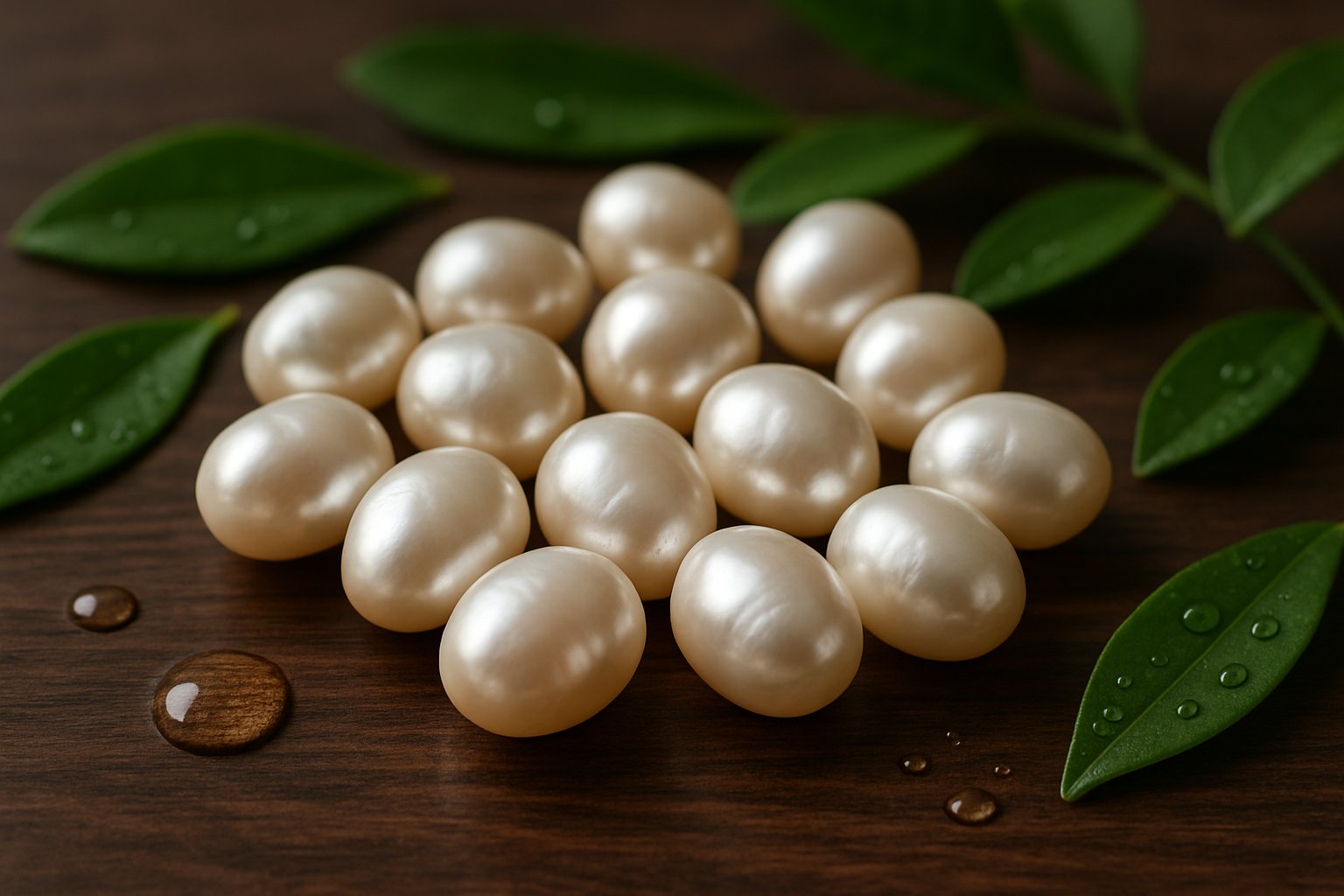
River pearls are a natural wonder with unique traits. They possess distinct physical properties and come in a variety of colors. Their value is determined by specific grading criteria, capturing the curiosity of gemstone enthusiasts and crafters alike.
Physical Properties
River pearls are formed in freshwater mussels. They are smaller than saltwater pearls, often ranging in size from 2 to 6 millimeters. These pearls have a layered structure, composed of nacre, which gives them durability.
Their shapes can be round, oval, or irregular, adding a one-of-a-kind charm. The surface of river pearls may feature natural blemishes, but this enhances their authenticity rather than diminishing it. When selecting pearls for jewelry-making, consider size and shape for your designs.
Color and Luster
Color is a prized attribute of river pearls. They are available in white, pink, lavender, and even rare gold. The color plays a significant role in their appeal and value.
Luster refers to the pearls' shine. River pearls typically have a softer luster compared to their saltwater counterparts. The luster is gentle and appealing, reflecting light in subtle ways. Choosing pearls with consistent color and good luster adds elegance to any crafted piece.
Grading Criteria
The value of river pearls depends on several grading factors. Consider size, where larger pearls are generally more sought after. Look for smooth surfaces with minimal imperfections, as these are more desirable.
Shape also matters; round pearls are the most prized, but unique shapes can offer creative opportunities. A well-matched strand, in terms of size and hue, can fetch a premium price. For crafting, consider how each factor affects the final design and how various sizes work together.
For hobbyists exploring jewelry crafting, experimenting with different grades and colors of river pearls can breathe life into unique, handcrafted pieces. Whether you are sourcing pearls for elegant earrings or a statement necklace, remember that LindeHobby offers a range of affordable and premium materials to suit your creative endeavors.
Collecting, Caring For, and Wearing River Pearls
River pearls are treasured for their natural beauty and unique formation processes. Knowing how to pick quality pearls, maintain them, and turn them into striking jewelry can enhance your collection and style.
Selecting Quality River Pearls
When choosing river pearls, size, luster, color, and shape are key features. Pearls should have a strong shine and consistent hue. Shapes vary, from round to baroque.
To check authenticity, a simple test is gently rubbing them against your teeth. Real pearls feel gritty. Consider various sources; reputable suppliers often provide certificates of authenticity, assuring you of their quality. Prices vary based on size and quality, so determine your budget beforehand.
Maintenance and Cleaning Tips
Caring for river pearls ensures they last a lifetime. Avoid chemicals like perfumes or hairsprays. To clean, use warm water and a soft cloth.
For deep cleaning, mix mild soap in water and gently wipe each pearl. Store them separately in a silk or velvet pouch to prevent scratching. A simple maintenance routine will keep your pearls looking stunning for years.
Jewelry Styles and Designs
River pearls adapt to various jewelry designs, from elegant necklaces to simple bracelets. Discover designs that fit your personal style, like knotting pearls for a classic look.
You can pair pearls with different metals, such as gold or silver, for contrasting effects. Use them in homemade projects or as gifts. Whether it's a statement piece or a small accessory, river pearls offer endless styling possibilities, transforming your outfits effortlessly.

