

Can You Use Embroidery Thread for Sewing: Tips for Creative Crafting
Can you really use embroidery thread for sewing projects? Many crafters might wonder about this interesting idea.
The answer is yes, you can use embroidery thread for sewing, but with some considerations.
Whether you're a beginner or an experienced hobbyist, exploring the use of embroidery thread can open up new creative possibilities.
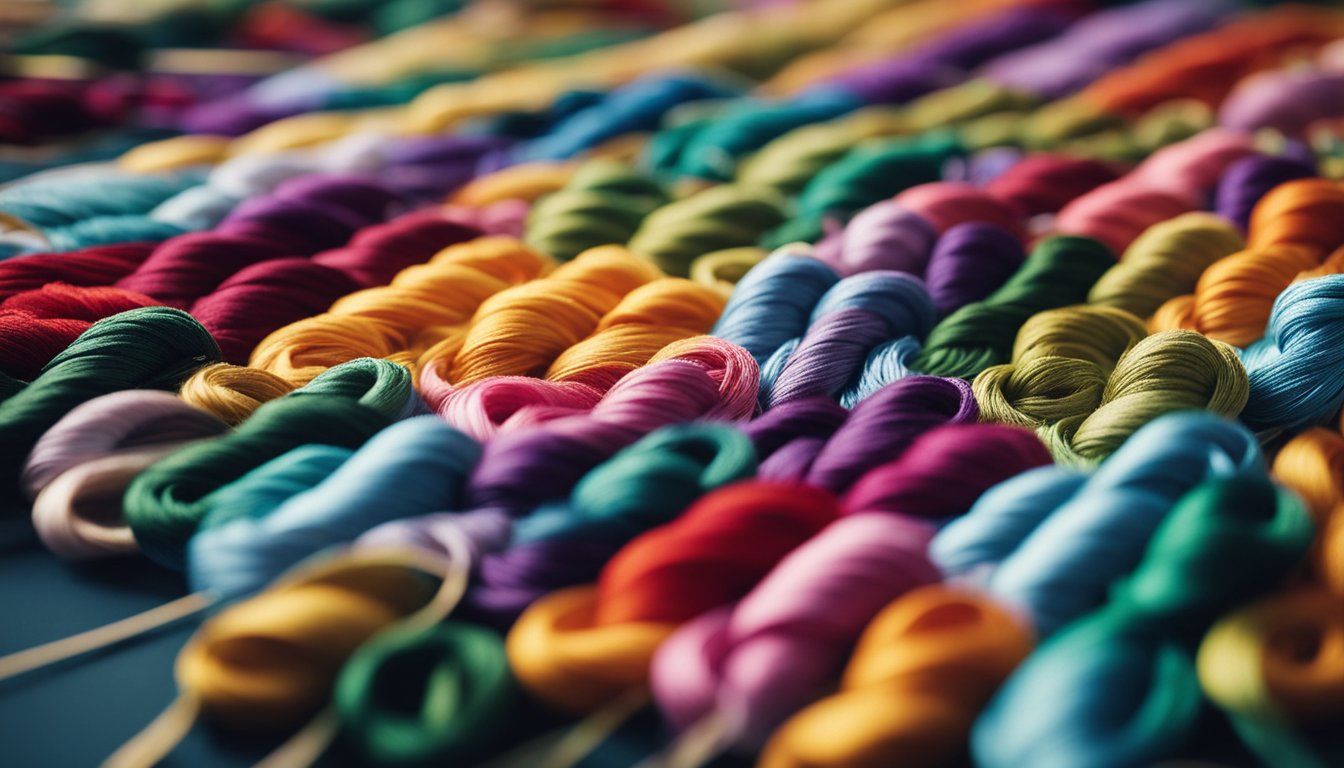
Embroidery thread comes in many vibrant colors and textures, adding a unique touch to your sewing projects. While it can provide a beautiful finish, it's important to be mindful of thread strength and the type of fabric you are working with.
Using embroidery thread can be a fun and relaxing way to enhance your sewing skills and express your creativity.
At Linde Hobby, we believe in inspiring creativity and offering high-quality supplies to support your crafting journey. From a beginner-friendly kit to premium selections, you’re set to embark on an exciting sewing adventure with embroidery threads. Visit our shop to explore and find the perfect match for your next creative project.
Key Takeaways
- Embroidery thread can be used for sewing with some care.
- It offers vibrant colors and unique textures.
- Linde Hobby provides the supplies for your creative needs.
Embroidery Thread Basics
Embroidery thread is unique due to its shine and texture, often adding dimension and color to textiles. While different types exist, common features include their strength, finish, and variety. Understanding these will help you choose what best suits your project.
Types of Embroidery Thread
There are several types of embroidery thread to explore.
Cotton thread is a favorite, appreciated for its softness and come in a six-strand divisible form. This feature allows you to adjust its thickness by using one or more strands at a time.
Rayon thread is another option and is praised for its silky shine. It’s less durable but provides a vibrant, luxurious look to any piece. For a premium touch, consider silk thread, which combines beauty and strength.
Metallic threads add sparkle but can be tricky for beginners because they tend to be delicate and harder to work with. Polyester threads offer strength and flexibility and are great for machine embroidery.
Choosing the right thread enhances your embroidery projects, making them more enjoyable and rewarding.
Characteristics
Embroidery thread differs from regular sewing thread in several important ways. Its shine is one of the most noticeable differences, adding a unique texture and visual interest to your work.
Strength is another key trait. While embroidery thread is strong, it's not as robust as some regular sewing threads because it's designed more for decoration than structural stitching.
The finish of embroidery thread also stands out. It can be matte, glossy, or metallic, depending on the type, each bringing a different effect to your project. These characteristics make it ideal for detailed and decorative stitching.
Variety in these threads allows for creativity and personalization in your designs. With the right choice, you can elevate your embroidery to a new level.
Sewing With Embroidery Thread
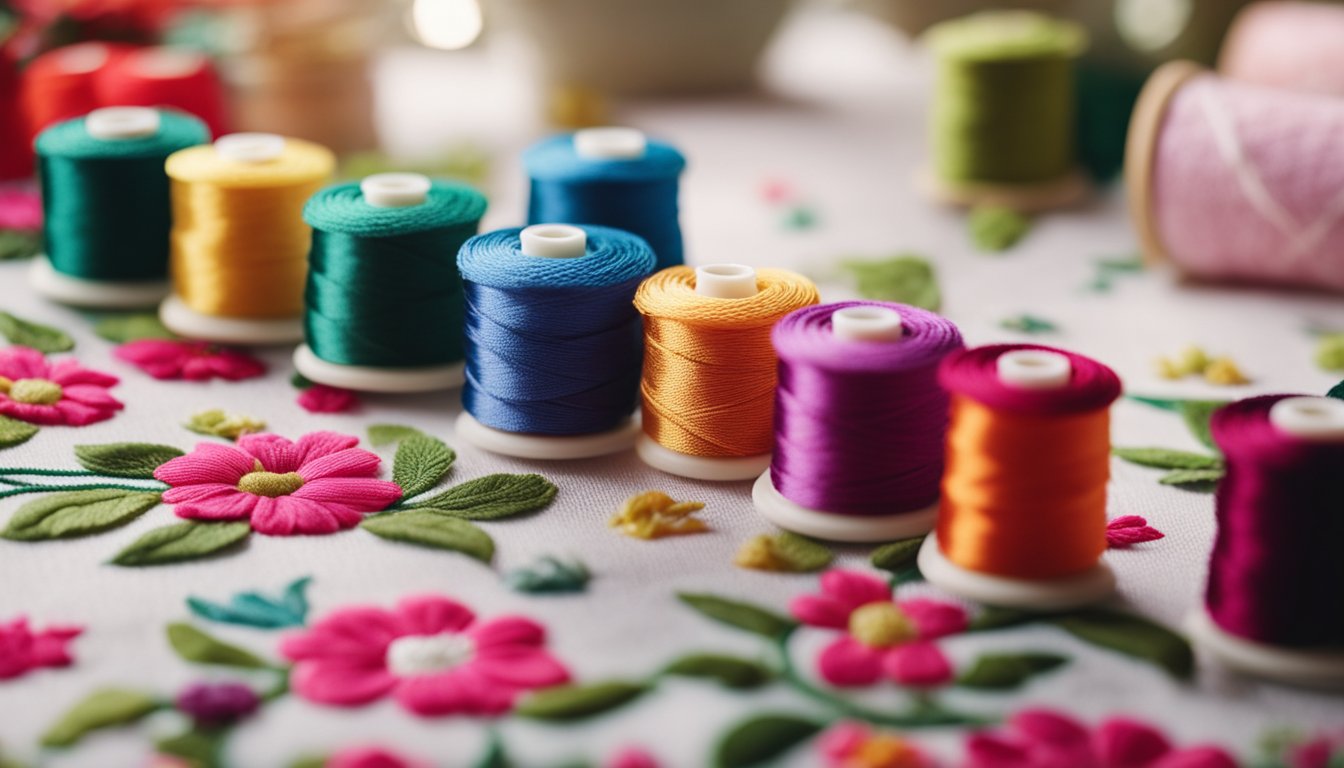
When sewing with embroidery thread, it's crucial to consider stitch quality and tension adjustments to get the best results. A slight tweak here and there can transform your projects using these vibrant threads.
Stitch Quality
Embroidery thread adds a unique texture to your sewing projects. Its sheen can make stitches stand out, creating eye-catching details. Since it is usually softer and slightly thicker than regular sewing thread, it may require adjustments to maintain neat and even stitches.
Test a few stitches on a scrap piece of fabric to see how they look with embroidery thread. Pay attention to how the thread interacts with the fabric—some materials might tug or pull. Consider using shorter stitch lengths to avoid bunching.
Stitch type matters too. For decorative uses, embroidery thread shines with topstitching and visible seams. If working with thick layers or fabric, a strong, even stitch is key. Choose needle type and size accordingly.
Adjusting Tension
Tension plays a big role when sewing with embroidery thread. Since it differs from regular thread, adjusting your machine's tension settings might be necessary.
Achieving the right balance ensures smooth stitching and prevents puckering or skipped stitches.
Start with a test piece, adjusting the thread tension until you find the sweet spot. Most machines have a tension dial for easy adjustments. A slightly looser tension usually works well with embroidery thread.
Pay attention to both the upper and bobbin thread tensions, especially if you're using different types of threads. A balanced tension creates even stitches on both the front and back of your project. Proper tension enhances the final look of your work.
Embroidery thread in sewing adds great flair and possibilities, perfect for bringing your creative visions to life. Explore Linde Hobby's variety of threads to start your next masterpiece today!
Best Practices for Using Embroidery Thread in Sewing
Embroidery thread can add a unique touch to your projects. It's perfect for when you want colors that pop and textures that stand out.
Begin by selecting high-quality embroidery threads from Linde Hobby to ensure durability and vibrant colors.
Needle Choices
Use a needle with a larger eye to accommodate the thicker embroidery thread. This prevents the thread from fraying or splitting.
Look for embroidery or chenille needles in your sewing kit.
Thread Length
Cut embroidery thread to a manageable length, about 18-20 inches. This helps prevent tangling and knotting, making sewing smoother.
Stitch Tension
Use gentle tension when pulling the thread through fabric. Too much force can cause puckering, especially on delicate fabrics.
Practice on a scrap piece to find the right balance.
Layering Colors
Experiment with layering different colors of embroidery thread to create attractive designs. Mixing shades brings depth and interest to your sewing projects.
Finishing Touches
Secure knots tightly at the beginning and end of each piece of thread. This step ensures your work doesn't unravel and stays beautiful for a long time.
Budget-Friendly Options
Linde Hobby offers a range of embroidery threads to fit different budgets without compromising quality.
Explore beginner-friendly kits if you're new to this technique.
Inspiration
Try using your embroidered creations on home décor items like cushions or wall hangings. You’ll discover fun ways to incorporate them into everyday objects, giving each piece a personal touch.
Visit Linde Hobby to find everything you need for your embroidery and sewing adventures!

