

What Are Paintbrushes Made Of: A Guide to Quality Materials for Hobbyists
Ever wonder what makes paintbrushes so special? Whether you're transforming an empty canvas or adding detail to a miniature, the right paintbrush can make all the difference. Paintbrushes are typically made of either natural or synthetic bristles attached to a wooden or plastic handle. Each part has its own role and can affect your painting style and results.
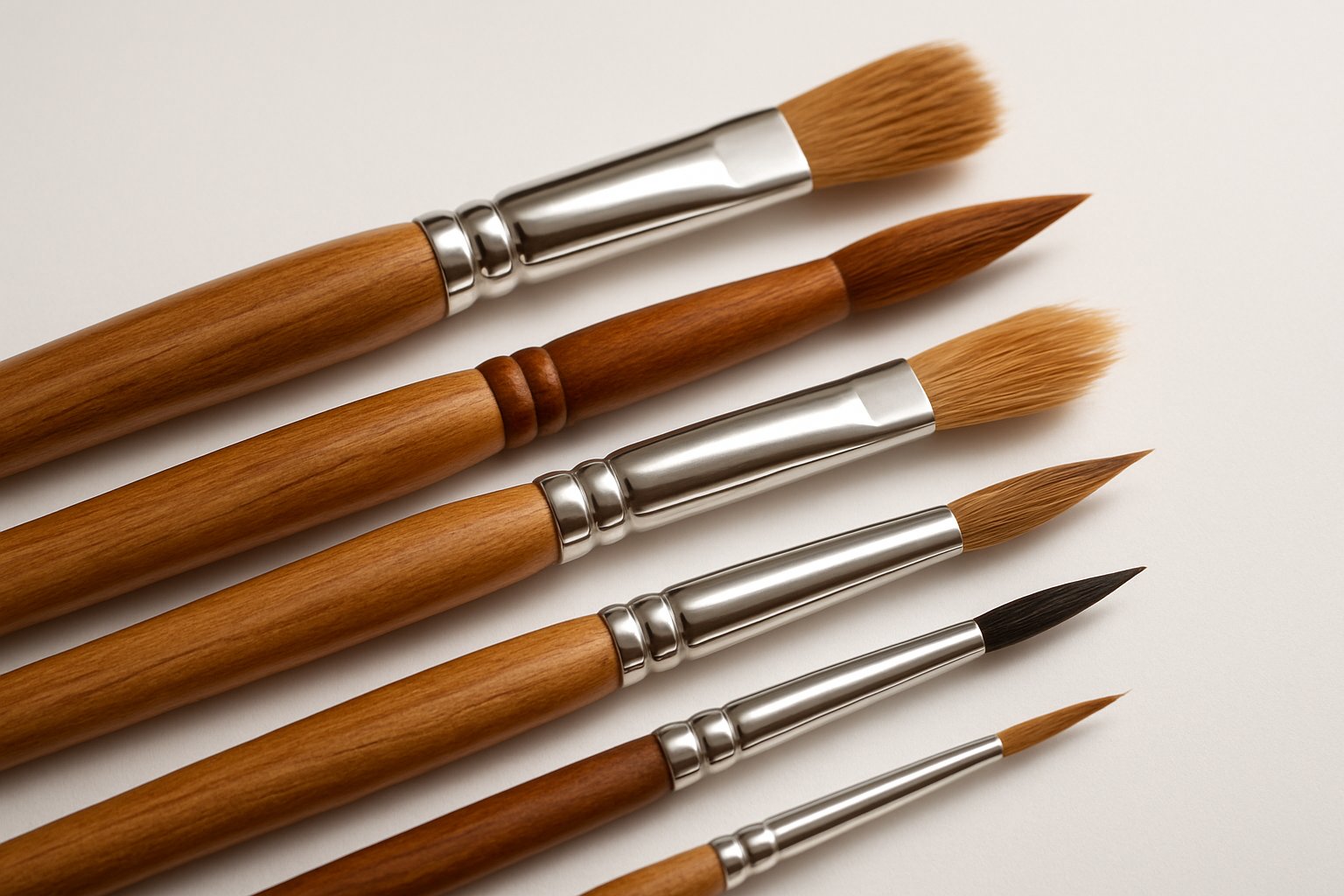
Natural bristles are often chosen for oil-based paints, offering a softer, more fluid touch. Synthetic bristles, made from materials like nylon or polyester, handle acrylics and watercolors well. The choice depends on the project, and exploring your options can be exciting.
Beyond bristles, handles and ferrules come into play. Handles vary in length and thickness, impacting comfort and control. The ferrule, usually made of metal, secures the bristles to the handle. The combination of these elements gives each brush its unique character and feel.
See our drawing and painting assortment here
Key Takeaways
- Paintbrushes use natural or synthetic bristles.
- Handles and ferrules impact brush performance.
- Material choice affects your painting technique.
Core Materials Used In Paintbrushes
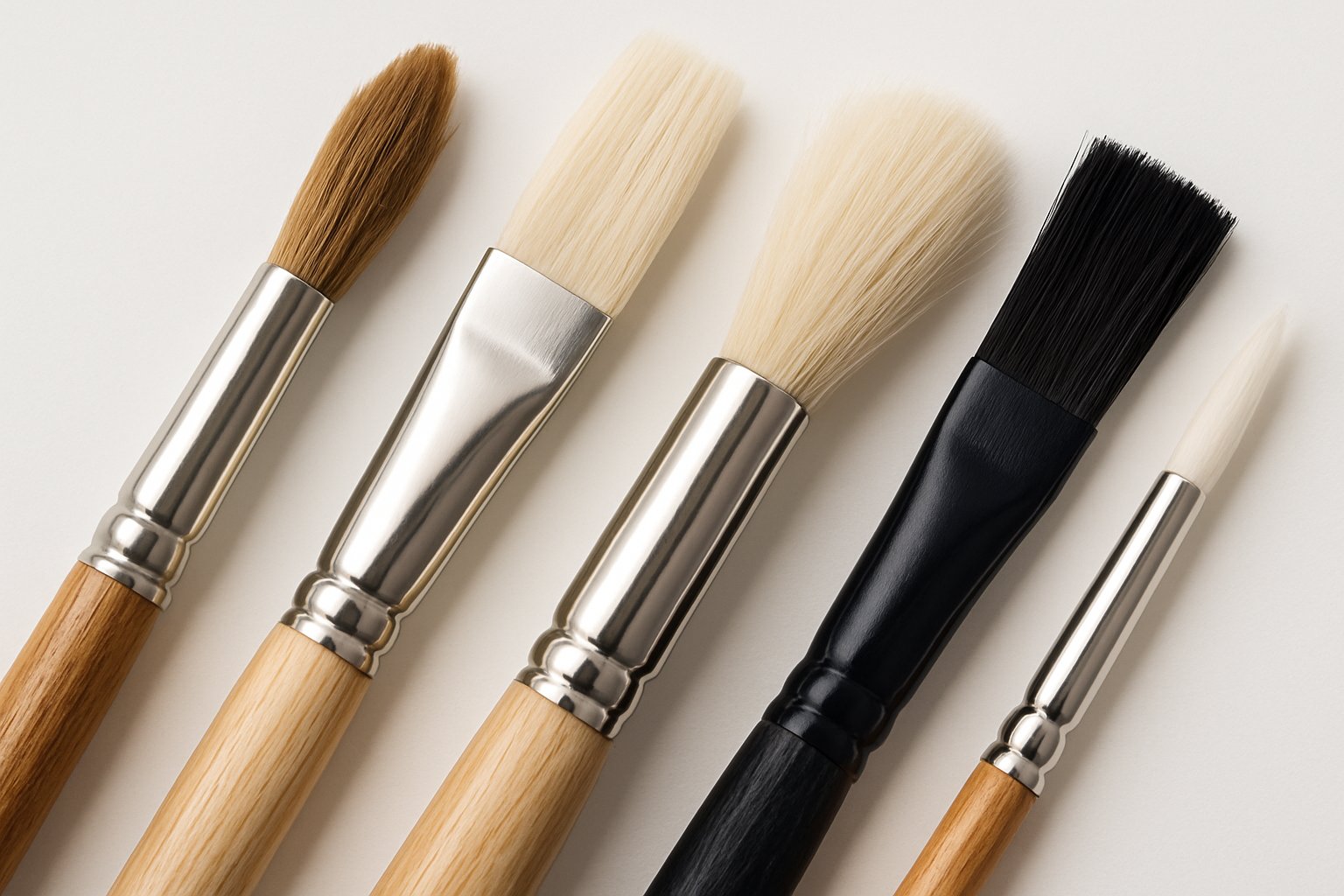
Paintbrushes are crafted from a blend of materials that cater to various artistic needs and styles. From the natural texture of bristles to the dependable feel of synthetic fibers and sturdy handles, each component plays a significant role in your creative journey.
Natural Bristles
Natural bristles are traditionally made from animal hair, such as hog or sable. Hog bristles are firm and robust, perfect for oils and thick paints. They excel in texture work and are known for durability. Sable hair is softer, offering precise control for watercolors. It is highly valued due to its fine tip, allowing artists to paint delicate lines with ease.
Choosing natural bristles can provide a traditional experience, where each stroke feels organic and controlled. However, these brushes often require maintenance to ensure longevity. Gently washing and drying them after each use helps maintain their condition.
At LindeHobby, we offer an array of natural bristle brushes, balancing premium quality and affordability. Explore our selection to find the perfect brush for your next masterpiece.
Synthetic Fibers
Synthetic fibers are a modern alternative to natural bristles, crafted from polyester or nylon. These brushes mimic the performance of natural brushes, while offering unique advantages. They are versatile, suitable for a variety of painting mediums, including acrylic and watercolor.
Synthetic brushes hold their shape longer, resist damage from chemicals, and are typically easier to clean than natural ones. They are a popular choice among beginner and advanced artists alike for their consistency and affordability.
For budget-conscious artists, LindeHobby provides an impressive range of synthetic brushes. Whether you're a newcomer or a seasoned pro, explore our selection for durable and cost-effective brush options.
Handle Composition
Handles for paintbrushes are usually made from wood or acrylic. Wooden handles are classic, offering a comfortable grip and traditional feel. They vary in length and thickness, catering to different painting techniques and preferences.
Acrylic handles are an excellent choice for artists seeking lightweight and durable options. They withstand water exposure, making them ideal for long painting sessions or outdoor use.
For hobbyists exploring various styles, try different handle types to discover your preferred balance and control. Check out LindeHobby's range for a diverse selection of handles to complement your brush choices.
Unleash your creativity by choosing the right materials suited to your artistic projects. Remember, a quality brush can make all the difference, so feel free to browse LindeHobby's offerings to equip your art studio today.
Natural Versus Synthetic Bristles
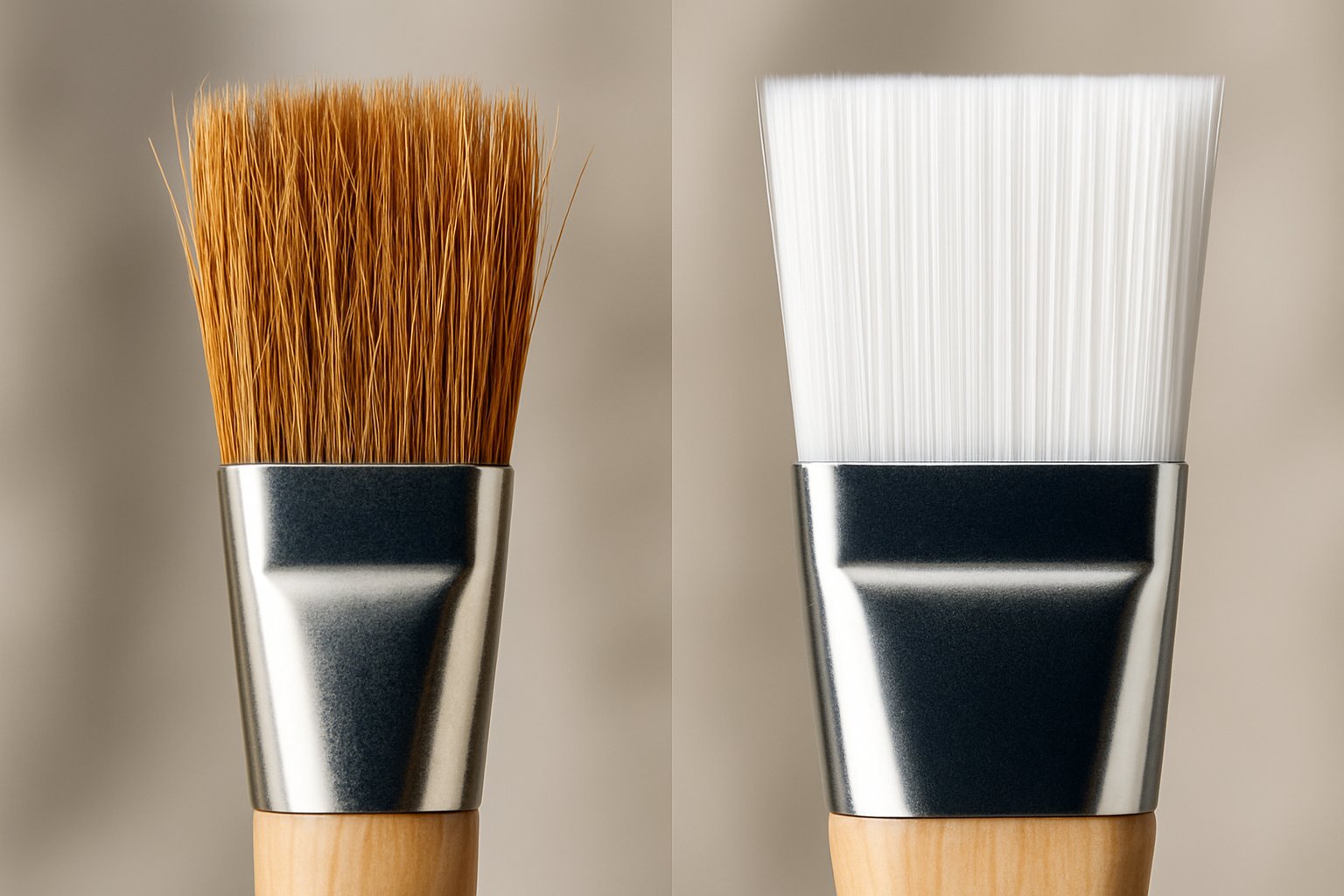
Choosing between natural and synthetic bristles for your paintbrush depends on your project, budget, and personal preference. Natural bristles often offer flexibility and durability, while synthetic options provide affordability and are better suited for specific paint types.
Animal Hair Sources
Natural bristles are typically made from animal hair. The most common sources are hog, sable, and camel. Hog bristles are sturdy and hold a lot of paint, making them ideal for oil paints.
Sable brushes are soft and flexible, perfect for watercolors or fine details. Camel hair isn't actually from camels; it's a mix of various animal hairs, used in inexpensive brushes. Natural bristles can be more expensive, but they offer excellent performance and longevity.
Key Synthetic Materials
Synthetic bristles are made from materials like nylon and polyester. Nylon bristles are strong and durable, ideal for acrylics and latex paints. They also handle well with latex-based paints, resisting wear and tear. Polyester brushes maintain stiffness and are great for creating sharp lines and edges.
You’ll find that synthetic brushes are often more budget-friendly. They’re also better for those who wish to avoid animal products in their tools. Plus, they work well with water-based paints.
Advantages of Each Type
Natural bristles excel in their ability to hold pigments and create smooth finishes. They’re adaptable, which helps in blending and detailed work. Despite their greater cost, these brushes offer long-term durability, making them a worthwhile investment for serious artists.
On the other hand, synthetic brushes are a great choice for beginners due to their affordability. They clean easily and work effectively with various kinds of paint, especially water-based ones.
For hobbyists exploring new mediums or those mindful of their spending, synthetic brushes offer a practical and ethical alternative. Whatever your choice, LindeHobby provides a range of high-quality options to suit all your creative needs and budgets.
Ready to try out a new paintbrush? Browse our collection at LindeHobby to find the perfect match for your next masterpiece!
Additional Paintbrush Components
Additional components such as the ferrule and adhesives play a crucial role in the performance and durability of your paintbrush. Understanding these elements can help you choose brushes that meet your artistic needs.
Ferrule Construction
The ferrule is the metal part that connects the handle to the bristles. It's essential for holding the bristles tightly without shedding. High-quality ferrules are made from rust-resistant metals like aluminum or nickel-plated brass. These materials provide strong support and endure frequent use.
You can also find ferrules in seamless or crimped designs. Seamless ferrules avoid the risk of paint or water seeping into the brush, extending its life. Crimped ferrules may have ridges that add extra grip for the bristles.
When selecting paintbrushes, check for solid ferrule construction. This ensures durability and enhances your painting experience. LindeHobby offers a range of options with robust and reliable ferrules, perfect for any project.
Adhesives and Fasteners
Adhesives are vital for securing the bristles inside the ferrule. They must withstand water and solvents. Common adhesive types include epoxy and glue. Epoxy is strong and stable, making it suitable for high-quality brushes that see heavy use. Glue is found in more budget-friendly options, offering decent hold.
Some brushes may use extra fasteners to keep everything secure. These might be screws or small pins that reinforce the bond between the handle and ferrule. This step ensures longevity, especially for those who paint often. If you're looking for paintbrushes that will last, exploring options at LindeHobby can be beneficial. We carry selections that balance quality and price for every budget.
Sustainable And Innovative Materials
Exploring new materials for paintbrushes can make your creative process more eco-friendly. These materials are both innovative and sustainable, offering hobbyists better choices.
Eco-Friendly Alternatives
Many paintbrushes now use environmentally friendly materials without sacrificing quality. Bamboo is a popular choice for handles because it grows quickly and is renewable. It's strong and light, making it perfect for detailed work. Some brushes use recycled metal for ferrules, reducing waste and resource use.
Synthetic bristles are an exciting development. They mimic natural hairs closely, offering smooth application and durability. Using synthetic options helps preserve animal life and often costs less. At LindeHobby, you’ll find a range of these sustainable options, ensuring you can create with a clear conscience. By choosing these materials, you contribute to a healthier planet.
Recent Manufacturing Advancements
Recent advances have greatly impacted the types of paintbrushes available. 3D printing technology has introduced precision and creativity to brush design. This technology allows quick production of custom shapes and sizes, making brushes more adaptable to your needs.
Manufacturers are also exploring biodegradable plastics which break down naturally over time. These are used in both handles and packaging, further minimizing environmental impact. Water-based paints on handles offer another eco-friendly touch by eliminating harmful chemicals.
LindeHobby stays ahead with these innovations, providing an extensive collection to suit all levels and styles. This dedication to innovation means you'll always find the latest and greatest tools for your art. Explore how these changes can enhance your art projects today!

