

What Does STS Mean in Crochet: Unlocking This Essential Term for Craft Enthusiasts
Crocheting is a wonderful way to express creativity and create beautiful pieces. Whether you are a beginner or an experienced crafter, understanding common terms can make your projects easier. In crochet patterns, "sts" means stitches. Knowing this simple term can help you follow patterns more easily and improve your crocheting skills.
Imagine the feeling of relaxation as you sit down with your yarn and hook, working stitch by stitch. Each "sts" is like a small step in a larger journey. Crocheting not just creates lovely items like cozy blankets and stylish accessories, but it is also a calming hobby that offers a sense of accomplishment.
Explore how recognizing "sts" in your crochet patterns can enhance your crafting experience. Whether it’s making a warm scarf or a decorative throw for your home, every stitch brings you closer to your personal creative goals. For all your yarn supplies and tools, check out LindeHobby. Browse our wide selection of yarns and hooks to start your next project today!
See all our crochet patterns here
Key Takeaways
- "STS" stands for stitches in crochet.
- Recognizing "sts" helps in following patterns smoothly.
- LindeHobby offers supplies to enhance your crafting journey.
Understanding STS in Crochet
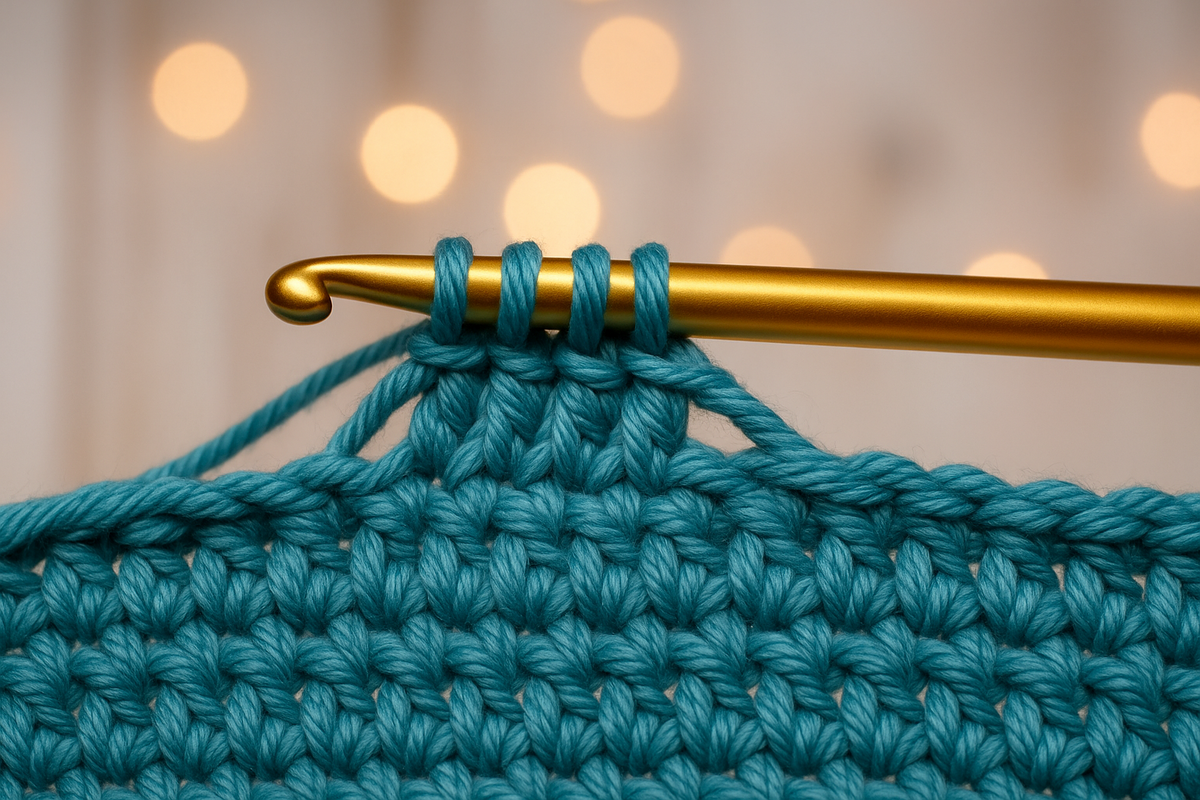
When you see "STS" in crochet patterns, it refers to "stitches" and plays a crucial role. Learning about STS involves knowing its definition, its origins, and the varied forms of abbreviations you may encounter.
Definition of STS
In crochet, STS stands for stitches. When you follow patterns, counting stitches helps ensure your project turns out as expected. Whether working on a simple scarf or an intricate blanket, understanding this term is essential.
Keep track of your stitches as you go to maintain your design's shape and size. This may involve counting chains, single stitches, or doubles. Consistency in following STS counts means achieving best results every time.
Origin and Usage of the Term
The term "STS" has been part of crochet vocabulary for ages. It evolved as patterns became more detailed, offering a shorthand way to guide crocheters through complex designs.
You will frequently encounter STS in patterns across many projects—from hats to doilies. Its widespread use in crochet patterns means even beginners should become familiar with it. By knowing this term, you can confidently read and interpret patterns.
Different Forms of STS Abbreviations
Besides STS, you'll find a variety of related abbreviations in crochet patterns. Some of the most common include SC for single crochet, DC for double crochet, and HDC for half double crochet. Each represents specific stitch types used to create different textures and shapes.
A helpful tip: create a reference list of these abbreviations when starting a new project. For beginners, readily available guides can make your crochet journey smoother. Unique combinations of these stitches can lead to stunning results in your creations.
Whether you're just beginning or have been crocheting for years, knowing your STS makes all the difference. As you practice, explore the wide selection of yarn and hooks available at LindeHobby to help bring your projects to life.
How to Recognize STS in Crochet Patterns
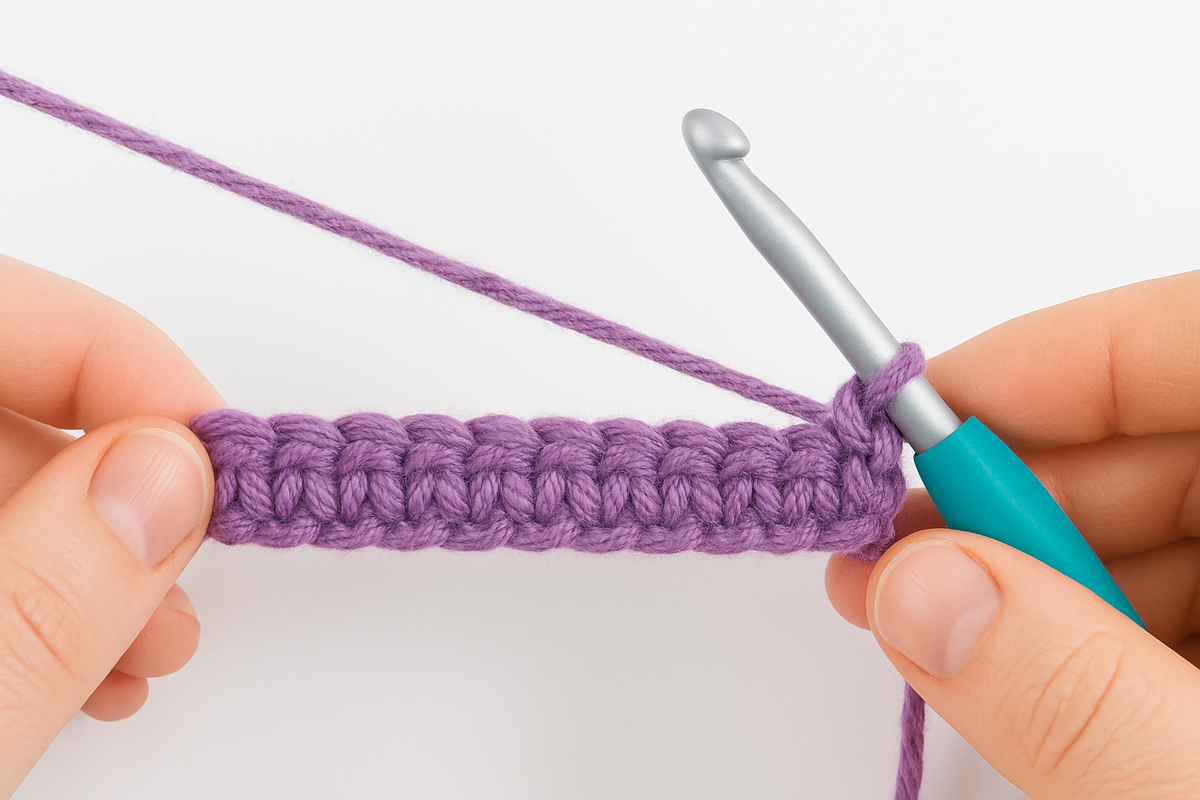
In crochet, understanding the placement and representation of STS, or stitches, is crucial for following patterns. You need to know where stitches are commonly placed, how they are visualized in rows and rounds, and how to read them in both written and charted patterns. This knowledge makes crocheting easier and more enjoyable for hobbyists at any level.
Common Placement of STS in Instructions
When reading crochet instructions, stitches or STS are often indicated by abbreviations like "sc" for single crochet or "dc" for double crochet. They are typically listed in the order they should be made. Pay attention to numbers next to the abbreviations. For instance, "3 sc" tells you to do three single crochets.
Lists and brackets show the sequence of stitches. Brackets like "[ ]" or parentheses "( )" group stitches worked together. This helps you keep track of multiple stitches worked in the same space. Recognizing these helps in accurately following the pattern.
Visualizing STS Within Rows and Rounds
Visualizing your stitches is vital when working through a pattern. In rows, stitches go back and forth, while rounds loop in a circle. Count your stitches as you go to stay on track. A miscount can lead to errors that affect the entire project.
Using stitch markers can help you place STS correctly, especially in rounds or complicated designs. When you get to the end of a row or round, check your work against the number of stitches needed. If it doesn’t match, you may need to adjust before continuing.
STS in Written Versus Charted Patterns
Written crochet patterns spell out each step using words and abbreviations. It's like following a recipe for your project. Charted patterns use symbols to represent stitches, providing a visual map of your work. Each symbol corresponds to a specific stitch.
Charts can be helpful if you’re a visual learner. They give an overview of how your project will look once completed. Combining written and charted instructions can enhance your understanding and help you master complex patterns.
Practical Application of STS
Using STS, or stitches, correctly in crochet is key to creating beautiful and accurate projects. Understanding how to count, plan, and troubleshoot can make your crocheting experience enjoyable and successful.
Counting STS Accurately
Counting stitches right is very important for crocheting. To keep track, use stitch markers at key points in your project. Counting after each row helps avoid mistakes. Having one stitch too many or too few can change the look of your work, so be careful.
Row counters and note-taking can also help. Write down the number of stitches in a row on a piece of paper or use a digital counter. This is useful when working on large or complicated patterns. By ensuring your counts are precise, you'll avoid headaches and have a better time crafting.
How STS Influences Project Size
The number of stitches you use affects the size of your project. If you have too many stitches per row, your project will be larger than expected. Too few stitches lead to a much smaller piece. This makes using the right gauge very important in crochet.
Start by making a swatch with the yarn and hook you plan to use. This small sample helps check your stitch size against the pattern's requirements. Adjust your tension if needed. When you match the pattern's gauge, your final piece will turn out just the right size.
Troubleshooting STS-Related Mistakes
Mistakes happen, even to experienced crocheters. Catching errors early can save time. If you notice your project is uneven, double-check your stitch counts. Unravel gently from the mistake and correct it. Unraveling too hastily can damage the yarn.
Watch for accidental increases or decreases in stitch counts. These errors throw off pattern dimensions. If your project doesn't match the pattern's shape, revisit the section where things went wrong. Fixing issues helps phrases off your final piece.
With the right tools and tricks, managing STS becomes easy. Whether you're making home décor or cozy wearables, ensuring each stitch is just right leads to stunning results. For premium yarns and tools, explore LindeHobby’s selection to support your projects effortlessly.

