

What is a Jelly Roll in Quilting: Discover the Colorful Pre-Cut Fabric Packs
A Jelly Roll in quilting is a fun and easy way to explore your creative side. A Jelly Roll is a set of fabric strips, typically measuring 2.5 inches wide, rolled together for convenience.
These pre-cut strips are perfect for making quilting faster and more enjoyable.
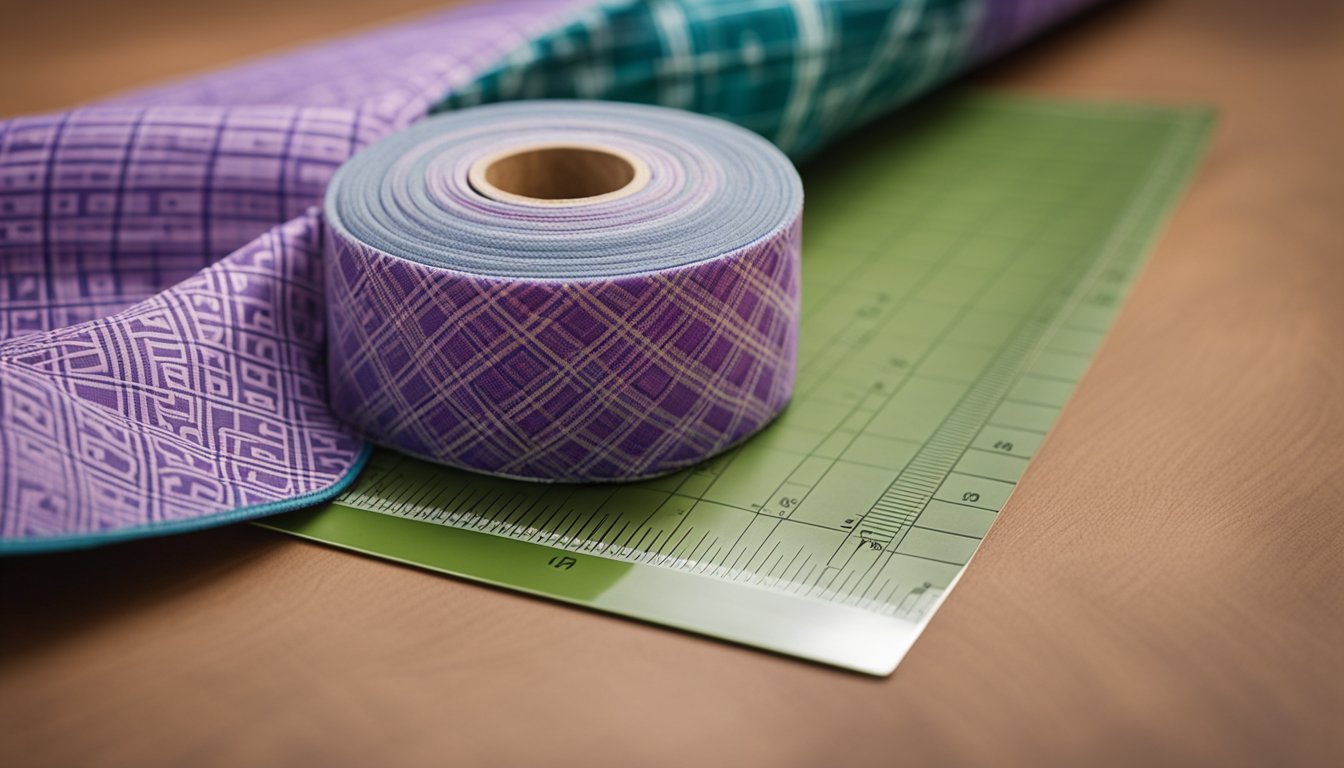
With a Jelly Roll, you can dive into quilting without the worry of cutting perfect strips from larger fabric pieces. This makes it ideal for beginners eager to start sewing their first quilt.
The wide variety of patterns found in a Jelly Roll helps you experiment with colors and designs effortlessly.
Quilting with Jelly Rolls offers a relaxing yet rewarding experience, blending creativity with a sense of accomplishment. This versatile tool lets you make beautiful blankets, throws, and even small home decor.
Quilters of all experience levels will appreciate the ease and creativity a Jelly Roll brings to their projects.
Key Takeaways
- A Jelly Roll is a set of pre-cut fabric strips for quilting.
- Ideal for beginners, it simplifies the quilting process.
- Encourages creativity with various colors and patterns.
Understanding Jelly Rolls in Quilting
A jelly roll is a set of pre-cut fabric strips used in quilting. Each strip measures about 2.5 inches wide and 44 inches long. These rolls often contain 40 strips, making them perfect for quick and easy projects.
Using a jelly roll saves time because the pieces are already cut and coordinated. The colors and patterns are designed to go well together, ensuring a beautiful final product.
Benefits of Jelly Rolls:
- Convenience: Saves time on cutting fabric.
- Consistency: Strips are uniform in size.
- Variety: Offers a mix of colors and patterns.
These rolls are perfect for making quilts, table runners, and other quilted items. You can create complex designs with simple techniques, ideal for both beginners and experienced quilters.
For beginners, start with a simple quilt pattern. Use the strips as they come or cut them into smaller shapes, like squares or triangles. This way, you practice your skills while making something beautiful.
Tips for Using Jelly Rolls:
- Press strips before sewing for best results.
- Pair with a simple pattern that highlights the fabric designs.
- Mix with solid fabrics for contrast.
At Linde Hobby, you’ll find a wide range of jelly rolls to match any style or preference. Remember, working with these pre-cuts can reduce costs as they minimize fabric waste.
Explore our collections and start your quilting journey today!
Creating Quilts with Jelly Rolls
Creating quilts with jelly rolls can be an exciting and rewarding experience. You can explore different patterns, learn essential sewing techniques, and experiment with various color schemes to make unique and beautiful quilts.
Selecting Patterns
When working with jelly rolls, choosing the right pattern is crucial. Many patterns are specifically designed to make the most of jelly rolls, using their pre-cut strips efficiently.
Simple strips: Beginner-friendly patterns use straight stitches and showcase fabric designs. Ideal for quick projects.
Log cabin: This pattern is a classic. It uses strips around a central square, allowing for creative layouts.
Rail fence: By sewing strips together to form blocks, this pattern creates great visual effects when arranged in different directions.
Don’t be afraid to mix patterns or modify them to add your personal touch.
Sewing Techniques
Mastering a few sewing techniques can greatly improve your quilting. Start by ensuring your seams are consistent; a quarter-inch seam allowance is standard for quilting.
Chain piecing can save time. Sew identical pieces in a continuous line without lifting the presser foot.
Pressing is essential. Press seams to one side, preferably toward the darker fabric, to avoid shadows showing through using an iron.
A rotary cutter and mat keep cuts precise. They are worth investing in to maintain straight edges on your strips.
With practice, these skills become second nature, making your quilting more enjoyable.
Color Schemes and Design
Color choice adds personality to your quilts. Start by selecting a theme, such as warm or cool colors. Use a color wheel to find combinations.
Complementary colors create contrast, while analogous colors offer a harmonious look.
Pre-matched jelly rolls simplify choosing color schemes. Look for rolls that appeal to you for a starting point.
Incorporate solids or neutral colors to balance busy patterns, making your quilt visually appealing.
Experimenting with colors allows for endless creativity and results in unique quilts that express your style.
Tips for Working with Jelly Rolls
Using jelly rolls in quilting can be a fun and creative way to add variety to your projects. By focusing on fabric waste prevention and precise piecing, you can enhance the quality of your quilt.
Preventing Fabric Waste
To limit fabric waste, carefully plan your quilt design. Before starting, measure and decide how many strips are needed. Use a cutting mat and rotary cutter for neat edges. This helps make the most of each strip.
Another tip is to save leftovers for smaller projects like coasters or quilt labels. These small pieces can add a unique touch without requiring large amounts of fabric.
You might also consider following patterns designed specifically for jelly rolls. These patterns are efficient and often make it easier to use almost all the fabric.
Linde Hobby offers a variety of patterns and guides that focus on being economical with your materials. Check them out to effortlessly turn your scraps into creative designs.
Achieving Precision
Precision is key in quilting. Secure strips with straight pins before sewing to keep them in place. This step avoids slippage and ensures even seams.
Also, always use a consistent seam allowance. A standard 1/4 inch seam is common for reliable results.
When using a sewing machine, adjust it to sew straight and even stitches. Practice makes perfect, so don't rush.
Take your time to align edges and press seams after each step. This keeps the quilt flat and neat.
Ironing is essential for precision. Press your seams open or to one side, as the pattern suggests. This helps your quilt top lie flat.
For more tips and guidance, visit the Linde Hobby blog, and explore our wide range of sewing tools and supplies to make your quilting journey easier and more enjoyable!

