

What is Gauge in Crochet: Mastering Your Craft with Precision and Passion
Ever picked up your crochet hook and wondered why your project doesn't look quite right? Enter the magical world of gauge in crochet. Gauge is a crucial factor that determines the size of your finished crochet piece. It's like a secret ingredient that ensures your new scarf or sweater will fit perfectly. Still, many crafters skip this step, leading to unexpected surprises.
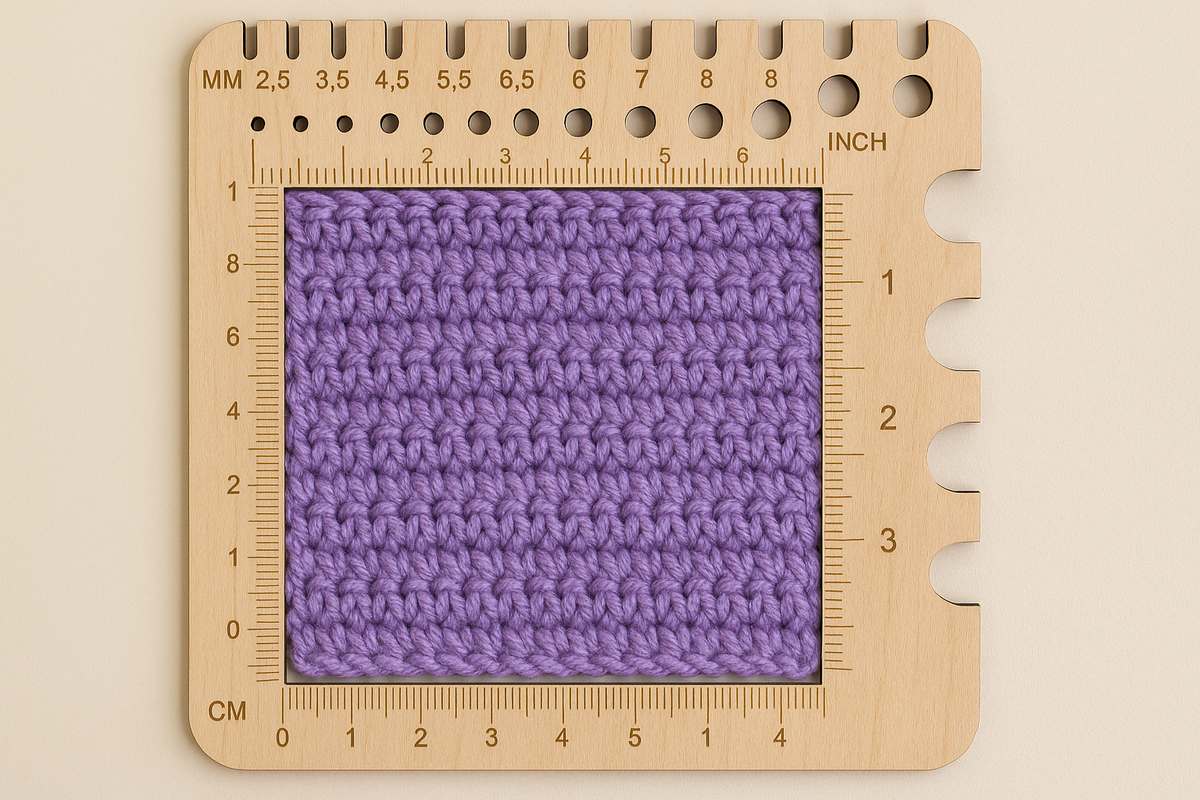
Gauge in crochet refers to the number of stitches and rows in a specified measurement, usually 4 inches or 10 cm. It might sound a bit technical, but checking your gauge can be the key to success in your projects. By measuring your stitches, you can adjust your hook size or yarn tension to match the pattern's requirements. This small step can make all the difference between a cozy blanket and one that's too wide to snuggle under.
Whether you're a beginner or a seasoned crocheter, understanding gauge can save you time and frustration. Imagine creating a lovely sweater that fits just right or a blanket that matches your vision perfectly. Dive into the fascinating realm of crochet gauge, and let it unlock new possibilities for your crafting journey. To explore this further and find everything you need, don’t forget to check out LindeHobby's selection of yarns and tools.
See all our crochet patterns here
Key Takeaways
- Gauge affects the size and fit of crochet projects.
- Measure gauge to ensure your piece matches the pattern.
- Adjust hook size or yarn tension to get the correct gauge.
Understanding Gauge in Crochet
Gauge is a key concept in crochet, influencing both the look and the fit of your finished projects. Grasping the basics of gauge can improve your skills and ensure your creative vision comes to life with precision. Below, explore the importance of gauge, common myths, and how it shapes your craftwork.
What Gauge Means in Crochet
Gauge in crochet refers to the number of stitches and rows over a specific area usually measured in inches or centimeters. Typically, you’ll see instructions like "16 stitches x 10 rows = 4 inches." This means to hit the gauge, your swatch should have 16 stitches across and 10 rows high within those 4 inches.
Crochet gauge helps ensure your finished items match the size intended by the pattern. If you're off on your gauge, the project can turn out too big or too small. Check gauge by crocheting a test swatch using the same yarn and hook specified in your pattern. It's an extra step but can save you from having to unravel hours of work.
How Gauge Impacts Your Projects
When your gauge matches the pattern, your project will have the right fit and appearance. Miscalculating can lead to disastrous results, like a too-tight sweater or a loose hat that won’t stay put. Getting the gauge right is crucial when stitching wearables like sweaters, hats, or mittens.
Think about it this way: If you’re making a blanket and your gauge is off, it won’t necessarily ruin the item. However, for clothing items, a mismatch in gauge could affect wearability and comfort. This makes gauge especially crucial for garments.
Common Misconceptions About Gauge
Many believe gauge isn’t important for non-wearables, but this isn’t always true. A blanket that ends up too wide might not fit your bed. Also, some assume that your tension matches the designer's, but everyone crochets differently. That’s why a test swatch is important!
Another myth is that it’s impossible to change your gauge. In reality, you can adjust your stitches by changing the crochet hook size, trying a different type of yarn, or even altering your crochet technique.
For beginners and seasoned crocheters alike, understanding gauge enables you to tailor projects to your preferences and needs. Ready to get started? Browse LindeHobby’s wide selection of yarns and hooks to begin your next project today!
How to Measure Crochet Gauge
Measuring crochet gauge involves a few key steps. First, gather the right tools including a ruler or tape measure. Next, create a swatch using the specific yarn and hook you plan to employ. Lastly, it's essential to accurately count the number of stitches and rows to ensure your project turns out as expected.
Tools Needed to Check Gauge
To check your gauge, you'll need some simple tools:
- Ruler or Tape Measure: Use this to measure the swatch.
- Yarn and Hook: Choose the materials you plan to use for your project.
- Notebook: Helpful for jotting down measurements.
Crocheters often have these items already, which makes checking gauge easy. LindeHobby offers a wide range of yarns and hooks suitable for any project, whether you're crafting a cozy scarf or a detailed blanket.
Step-by-Step Guide to Making a Gauge Swatch
-
Choose Your Yarn and Hook: Use the specific yarn and hook for your project to ensure accurate results.
-
Chain the Required Stitches: Follow your pattern's recommendation, or try around 20 stitches as a standard.
-
Crochet the Swatch: Work in the stitch pattern relevant to your project for several rows until the swatch measures around 4 inches square.
Creating a gauge swatch might seem time-consuming, but it saves time by preventing costly mistakes. Feel inspired to explore different yarns on LindeHobby to see how they affect your gauge.
Accurately Counting Stitches and Rows
Measuring accurately is crucial. Place your ruler across the middle of the swatch, counting the number of stitches in a 4-inch section. Do the same vertically to count rows. A deviation could mean adjusting your hook size.
If there are too many stitches, try a larger hook; too few, select a smaller one. This ensures your project comes out as intended. Experiment with various hook and yarn combinations at LindeHobby.
Once your gauge matches the pattern’s specifications, you're ready to start your project with confidence. For all your crochet needs, LindeHobby has you covered with its extensive yarn and tool selection.
Troubleshooting and Adjusting Gauge
Achieving the right gauge in crochet ensures your project matches the desired size and shape. If your gauge is off, there are simple strategies to help you adjust it, from altering your tension to changing your tools. Discover tips and tricks to perfect your gauge, ensuring your finished piece turns out just right.
What to Do If Your Gauge Doesn’t Match
Checking your gauge is crucial before diving into your crochet project. If your gauge doesn’t match the pattern, your finished item might be too small or too large.
First, count the stitches and rows in your sample. Compare these with the pattern's requirements. If there are more stitches than needed, your gauge is too tight. If there are fewer, it's too loose.
To fix this, try using a different hook size. Another option is to adjust how tightly or loosely you're crocheting each stitch. With practice, you'll be able to achieve the desired gauge.
Tips for Adjusting Tension
Your tension greatly affects gauge. If your stitches are too tight, relax your grip on the yarn. Let the yarn glide smoothly through your fingers.
For looser stitches, hold the yarn tighter. You can also use a weighted clip or add tension by wrapping the yarn around your fingers.
Don't rush. Slow down your stitching to maintain consistent tension. Practice regularly to get a feel for the right tension needed for your pattern.
Focus on the angle of your hook. A different angle might help create even stitches.
Choosing the Right Hook Size
The hook size has a big impact on gauge. Larger hooks make larger stitches, while smaller hooks make smaller stitches.
If your gauge is too tight, try a larger hook. If it’s too loose, a smaller hook is your best bet. Remember, hook materials also vary; some prefer aluminum, while others like wood or plastic.
Experiment with different hooks if you're struggling. Each project might call for a different feel. Visit LindeHobby for a variety of hooks to find what suits your budget and preference. Explore selections from beginner-friendly options to more premium, ergonomic designs.
Crochet with confidence, knowing you have the right tools, and shop for all your crochet needs at LindeHobby today!
Why Correct Gauge Matters in Crochet Projects
Getting the right gauge in crochet is crucial for achieving the right size and look of your projects. It helps ensure everything fits as expected and avoids any unwelcome surprises.
Ensuring Proper Sizing and Fit
When your gauge is accurate, the size of your crochet item will match the pattern's dimensions. This is vital for wearables like sweaters or hats, where a fit that's too tight or too loose can be disappointing.
Checking gauge means making a small sample swatch to determine how many stitches and rows fit within a set space, often 4 inches. Compare your swatch to the pattern's gauge. If your swatch is larger, try using a smaller hook, and if it's smaller, try a larger one.
Following these adjustments can help your project turn out as planned. For instance, buying the right crochet hook size and using quality yarn from LindeHobby can make all the difference.
Preventing Project Disappointment
Ignoring gauge can result in wasted time and materials because your finished piece might look nothing like what you envisioned. Whether making a blanket or a detailed lacework, an incorrect gauge could mean your project ends up too small or too large.
Preventing this disappointment is possible with simple steps. Always read the pattern's notes on suggested hooks and yarn to avoid missteps.
Choosing materials carefully is key. Opt for affordable and premium yarn options from LindeHobby to suit your budget and project needs. By understanding gauge, you avoid feelings of frustration, saving effort and resources in your crochet journey.

